Recent Searches
Popular Attractions
Latest Events in Kamakura(August Updated)
Are you interested in Tropical Palm Tree Paint Night?
245 people have participated in this
poll
Yes
No


50%


50%
Type
Location
Date
Popularity
New Arrivals
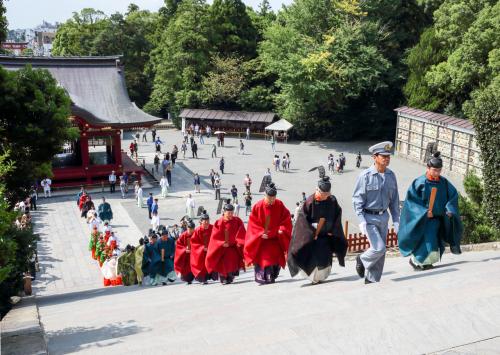
Tsurugaoka Hachimangu Reitaisai Festival | Kamakura
The annual festival of Tsurugaoka Hachimangu Shrine is the most important festival of the year, and it has been held on August 15th since ancient times. This date is the full moon day of the formerly used lunar calendar (old calendar), and since the deity enshrined was once a sea god and had a deep connection with the fishing industry, it is said that Minamoto no Yoritomo would go to Yuigahama on this day to hold the "Hojokai" ceremony, release a thousand paper cranes, and perform the Yabusame ceremony.
According to the records of the Tokyō, the first Yabusame event of Hojo Megumi was held on August 15, 1187, and it is said that this day marked the beginning of the annual festival of Tsurugaoka Hachimangu Shrine.
It has now been changed to the modern solar calendar (new calendar), and this day is celebrated grandly for three days from September 14th to 16th every year.
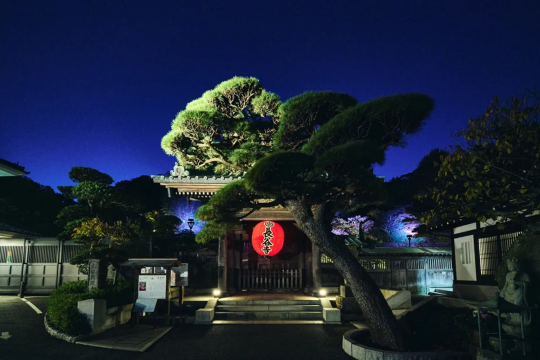
Hasedera NIGHT TABLE | Kamakura
Hase-dera Temple in Kamakura will host a three-day art, music, and food experience event called "Hase-dera Night Table 2026" from October 2nd to October 4th, 2026. During this period, after regular visits end at 5 PM, visitors can enjoy various activities such as strolling through the illuminated temple grounds (advance reservations required, limited spots available), viewing a "flower bonsai" installation by horticultural artist Kazuyuki Ishihara, a live concert at the Kannon-do Hall, and a dinner featuring unique flavors from the Kamakura and Shonan regions.
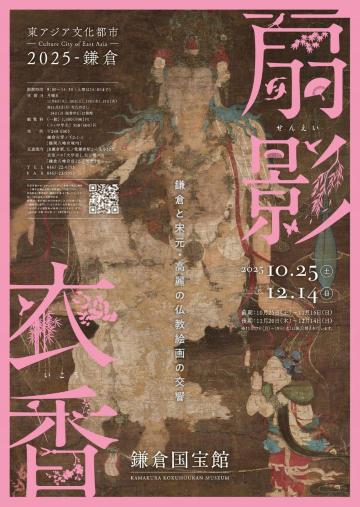
Special Exhibition "Fan Shadows, Clothing, and Fragrances: A Symphony of Buddhist Paintings from the Kamakura, Song, Yuan, and Goryeo Periods" | Kamakura Museum of National Treasures
This exhibition brings together Buddhist paintings produced in East Asia during the Song, Yuan, and Goryeo dynasties, as well as Kamakura in Japan, during the same period. How did the medieval Kamakura region, which had the closest access to Buddhist culture from across the sea, accept, nurture, and incorporate it into Zen teachings? This exhibition explores the production backgrounds and symphonies surrounding paintings from these three regions.
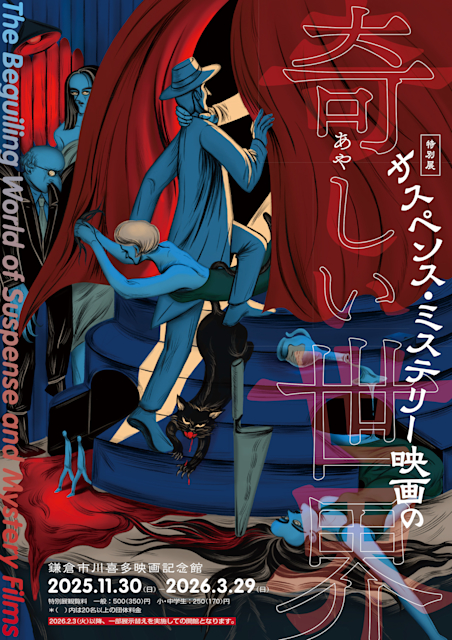
"The Strange World of Suspense and Mystery Films" | Kamakura City Kawakita Film Museum
Suspense and mystery films that captivate audiences are imbued with the skillful directorial techniques and wisdom developed by their predecessors to enhance their effects.
Alfred Hitchcock, invited to Hollywood from Britain, released his first American film, *Rebecca*, in 1940. Around this time, the genre name "suspense" became established, appearing alongside "mystery" and "whodunit" in Variety magazine's film section. Hitchcock, who created numerous masterpieces in the 1950s and was hailed as a "master of suspense," gained popularity for depicting "crime" and "suspicion" lurking within people's peaceful daily lives. From the 1960s onward, works focusing on the psychological states of characters were called "psychological thrillers," and various techniques were employed in visual expression dealing with dreams, flashbacks, and vague memories.
Suspense films, which evoke the thrill of being suspended in mid-air, and mystery films, which offer the enjoyment of solving puzzles, often overlap. In today's more complex cinema, these two genres play a crucial role, like spices blending into various dishes. This exhibition explores the appeal of both genres, from classics to recent works. Please enjoy the "strange and mysterious world" of suspense and mystery films, which have entertained and captivated us with their thrilling and enigmatic plots.
What is a "Strange World"?
The word "strange" has four meanings: , all of which represent something inexplicable and mysterious, a mystical, magical, bizarre world. In homage to the many groundbreaking directorial techniques in film history that developed from magic tricks, this exhibition uses the term "strange."
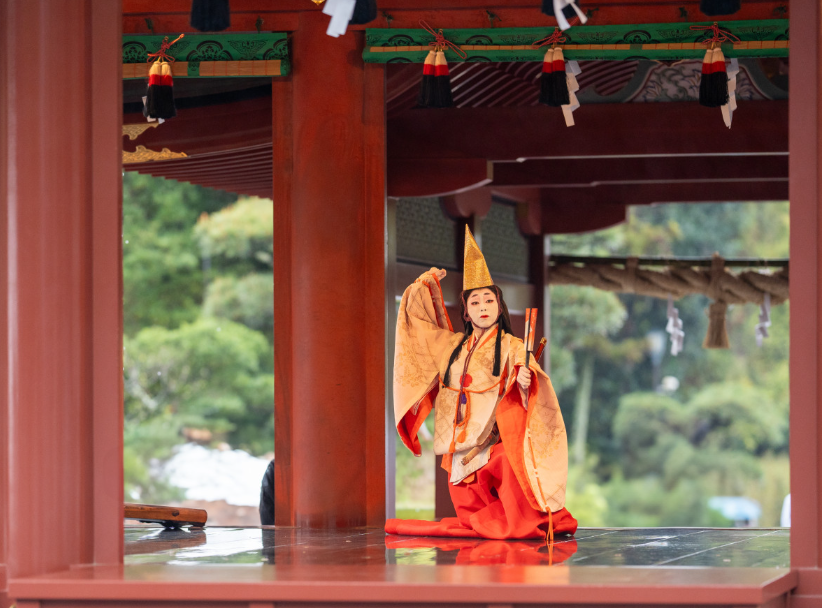
Kamakura Matsuri | Kamakura
The Kamakura Festival is a major springtime event in Kamakura City, held annually since 1959. A traditional highlight marking the start of the spring tourist season, the festival, centered around Tsurugaoka Hachimangu Shrine, takes place on the second and third Sundays of April each year, showcasing the unique and vibrant activities of this historically rich and traditional city. The 68th Kamakura Festival, to be held in April 2026, took place from April 12th (Sunday) to 19th (Sunday), featuring parades, the "Silence Dance," and outdoor tea ceremonies. The opening ceremony, the "parade," runs along Wakamiya-Oji-dori Street, a distance of approximately 1 kilometer, extending from the Shimoba Crossing to Tsurugaoka Hachimangu Shrine. The parade includes many locally rooted groups, musicians, and shrines, with approximately 1,000 participants.

Kamakura | KAIENTAI Concert | Kamakura Performing Arts Center
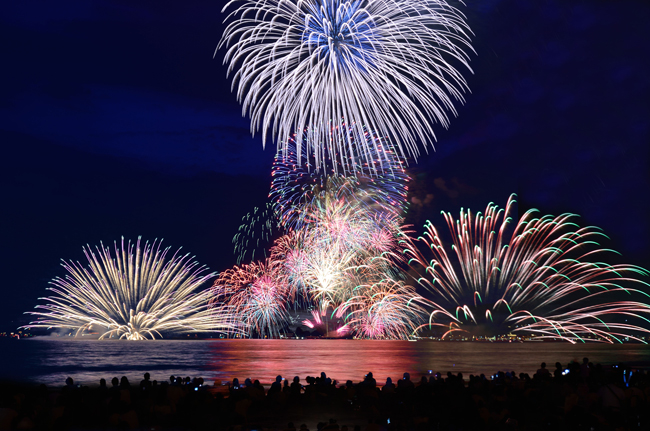
kamakura fireworks festival | Kamakura
The fireworks displays held at Yuigahama Beach and Kiza Beach in Kamakura are a summer tradition in Kamakura. This historic fireworks display began in 1948 and has been held 78 times to date. The biggest highlight of the Kamakura Fireworks Festival is the underwater fireworks, which is also its iconic spectacle. Fireworks are launched one after another from boats traveling on the water, blooming in a fan shape on the surface, forming a semi-circular burst of light that sprinkles across the waves—a sight impossible to see at inland festivals and unique to the seaside.
More Popular Topics

Latest Events in Tokyo(August Updated)
1346 event
Latest Events in Osaka(August Updated)
637 event
Latest Events in Kyoto(August Updated)
169 event
Latest Events in Fukuoka(August Updated)
150 event
Latest Events in Nagoya(August Updated)
246 eventMore Popular Events
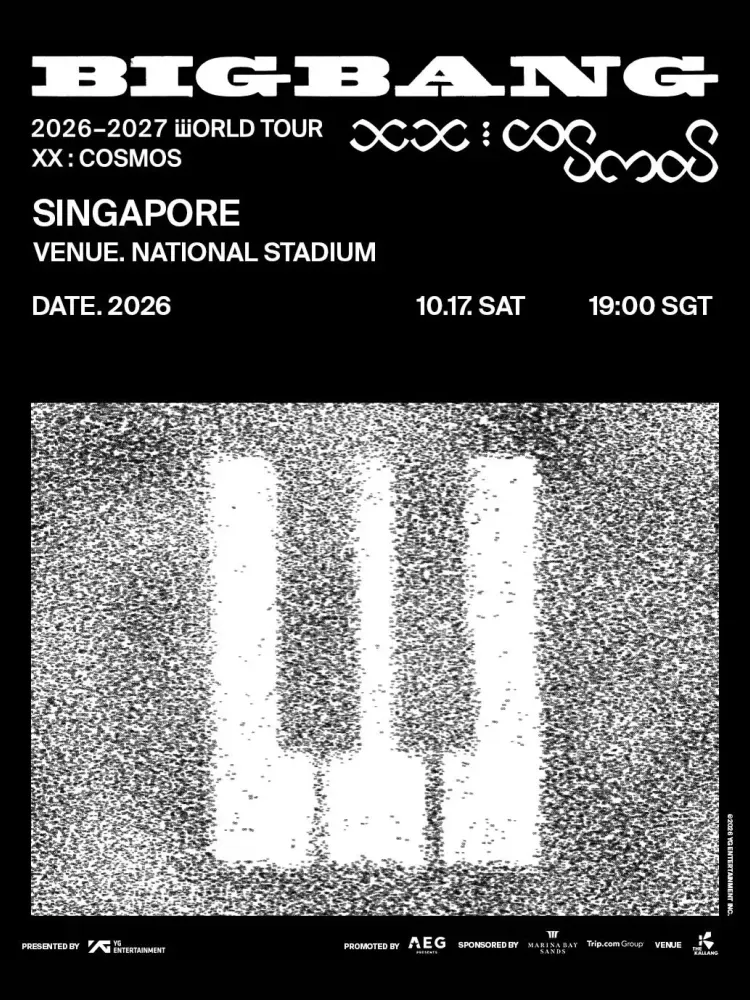
BIGBANG 2026-2027 WORLD TOUR < XX : COSMOS > IN SINGAPORE | Singapore National Stadium
Oct 17, 2026 (UTC+8)
Singapore
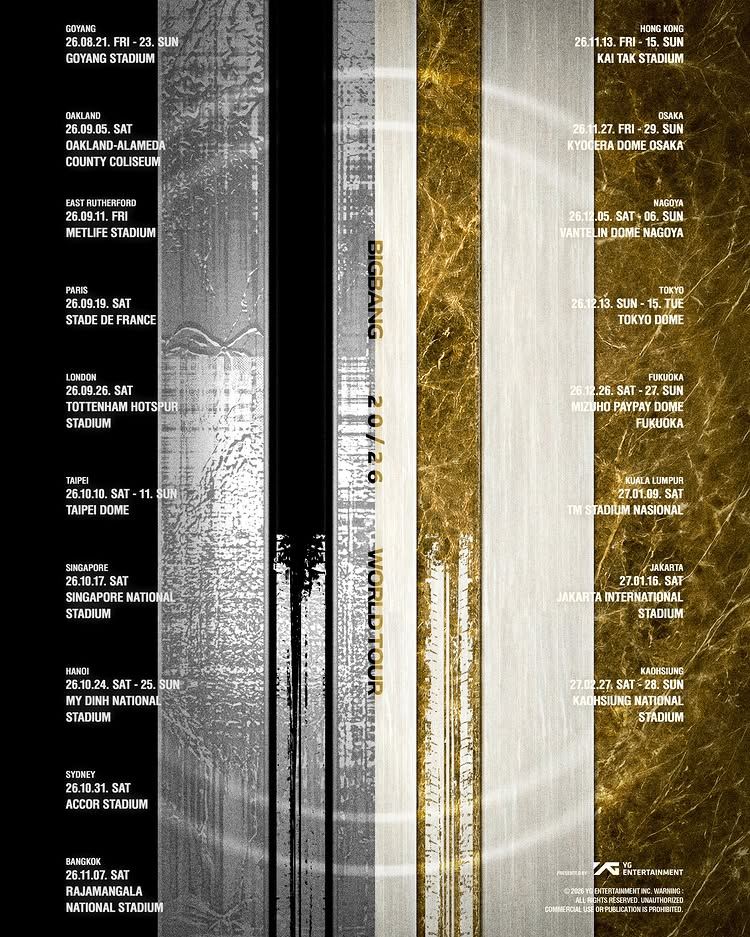
BIGBANG WORLD TOUR 2026 IN HONG KONG | Kai Tak Stadium
Nov 13–Nov 15, 2026 (UTC+8)
Hong Kong
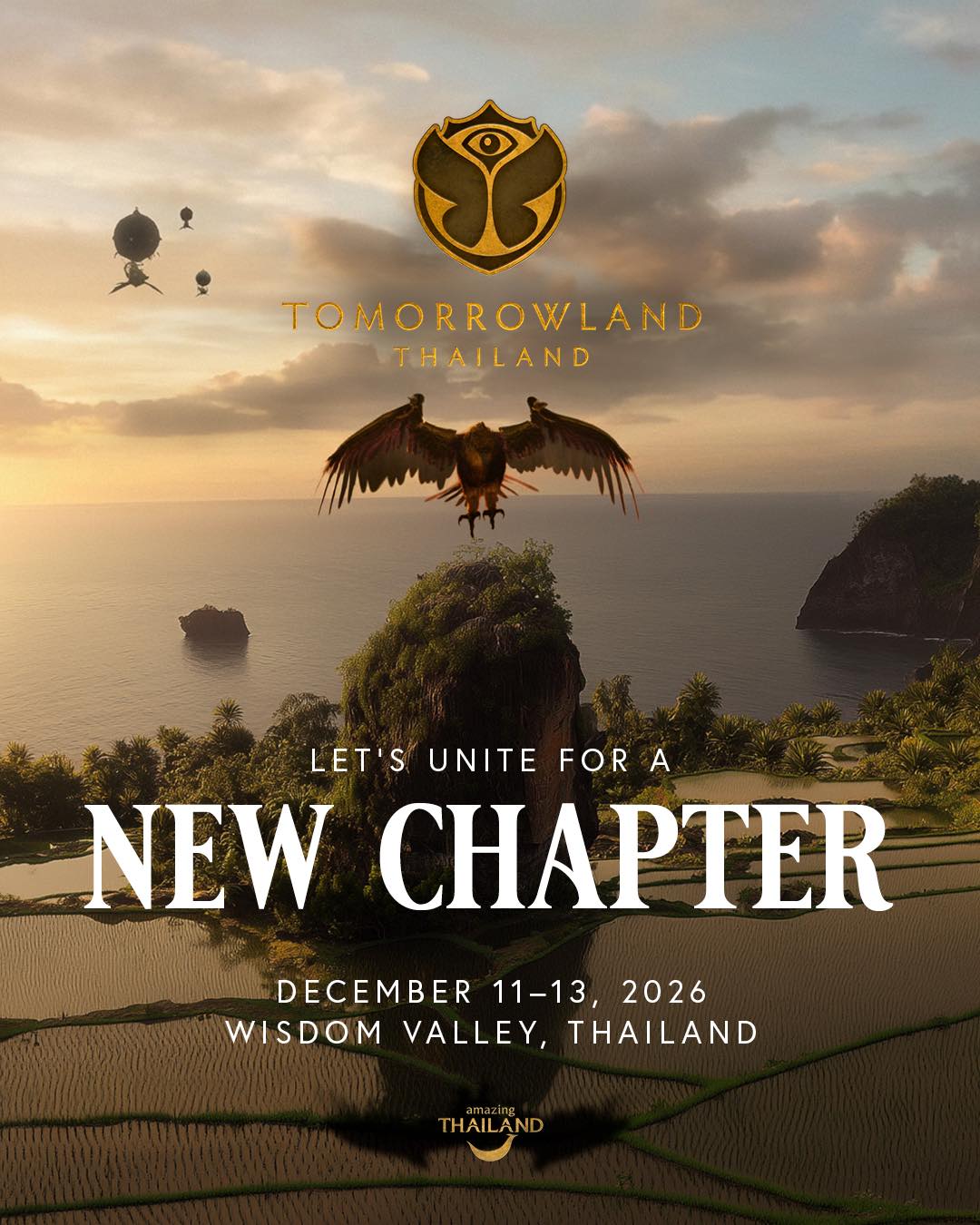
Tomorrowland Thailand 2026 | Chon Buri
Dec 11–Dec 13, 2026 (UTC+7)
Thailand
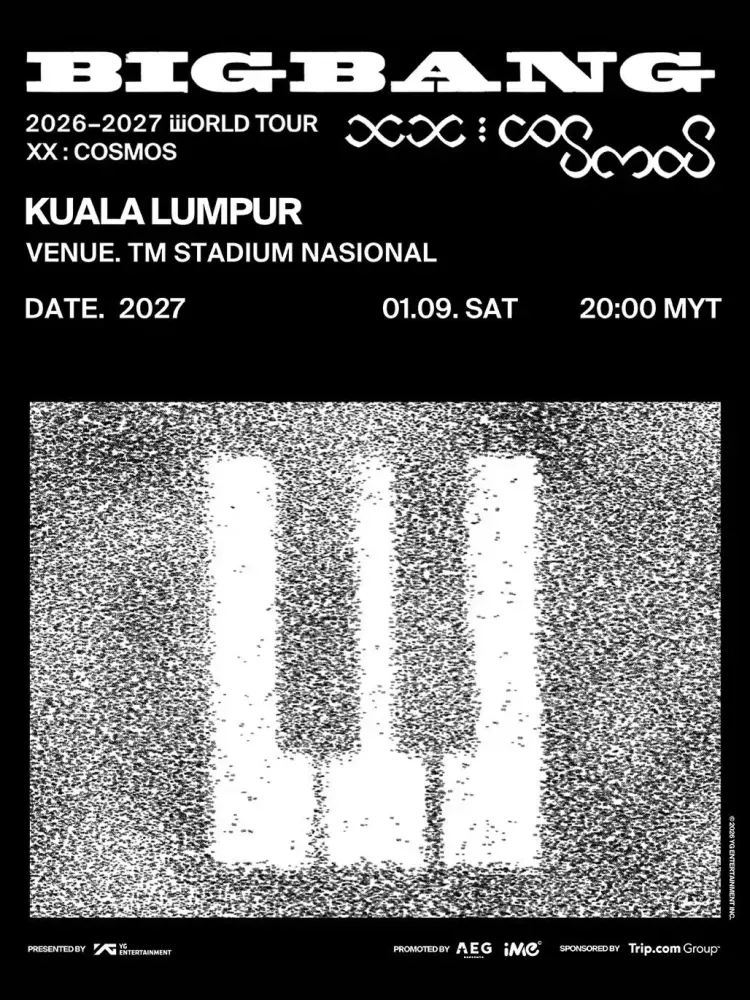
BIGBANG 2026-2027 WORLD TOUR < XX : COSMOS > IN KUALA LUMPUR | TM Stadium Nasional Bukit Jalil
Jan 9, 2027 (UTC+8)
Kuala Lumpur
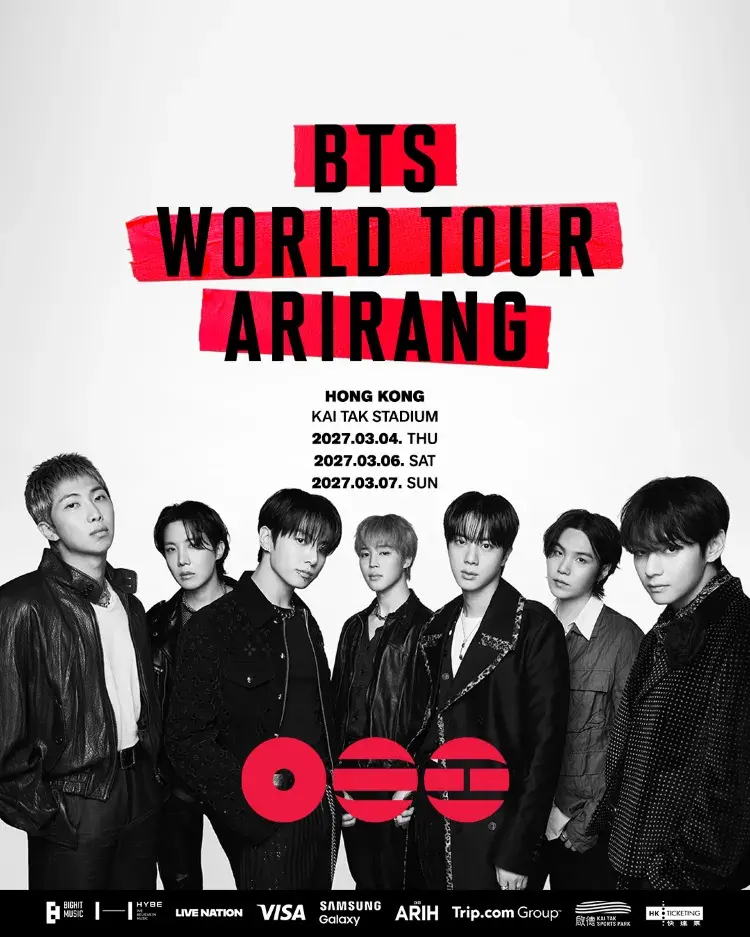
BTS WORLD TOUR ‘ARIRANG’ IN HONG KONG 2027 | Kai Tak Stadium
Mar 4–Mar 7, 2027 (UTC+8)
Hong Kong
Hotels near Kamakura
9.4
/10
602 Reviews
Sotetsu Fresa Inn Kamakura-Ofuna Higashiguchi


PHP 3,145
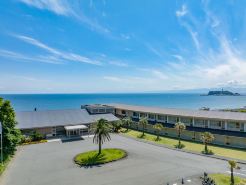
8.8
/10
704 Reviews
Kamakura Prince Hotel
PHP 15,047
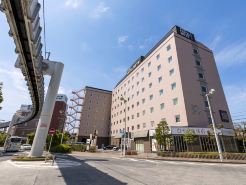
9.5
/10
897 Reviews
Jr-East Hotel Mets Kamakura Ofuna
PHP 1
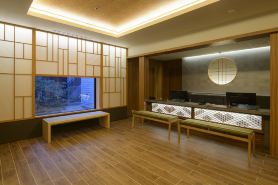
9.3
/10
390 Reviews
Tosei Hotel Cocone Kamakura
PHP 7,212
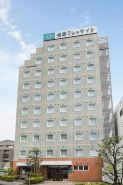
9.3
/10
281 Reviews
Sotetsu Fresa Inn Kamakura-Ofuna Kasamaguchi
PHP 3,208
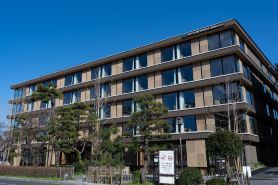
9.7
/10
766 Reviews
Hotel Metropolitan Kamakura
PHP 10,944
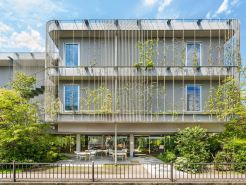
9.3
/10
107 Reviews
LACER SUITES KAMAKURA
PHP 6,941
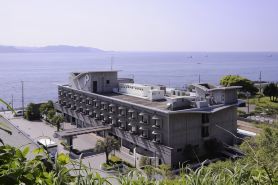
9
/10
63 Reviews
Kamakura Park Hotel
PHP 7,754
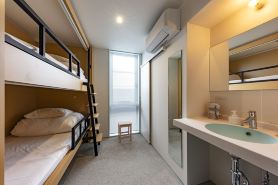
9.2
/10
288 Reviews
Plat Hostel Keikyu Kamakura Wave
PHP 1,329
8
/10
82 Reviews
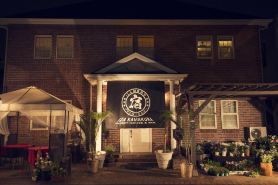
Iza Kamakura Guest House and Bar
PHP 1,826