Recent Searches
Popular Attractions
Guiyang
Southwest of China,China,Eastern Asia
Latest Events in Russia(May Updated)
Are you interested in Tropical Palm Tree Paint Night?
245 people have participated in this
poll
Yes
No


50%


50%
Type
Location
Date
Popularity
New Arrivals
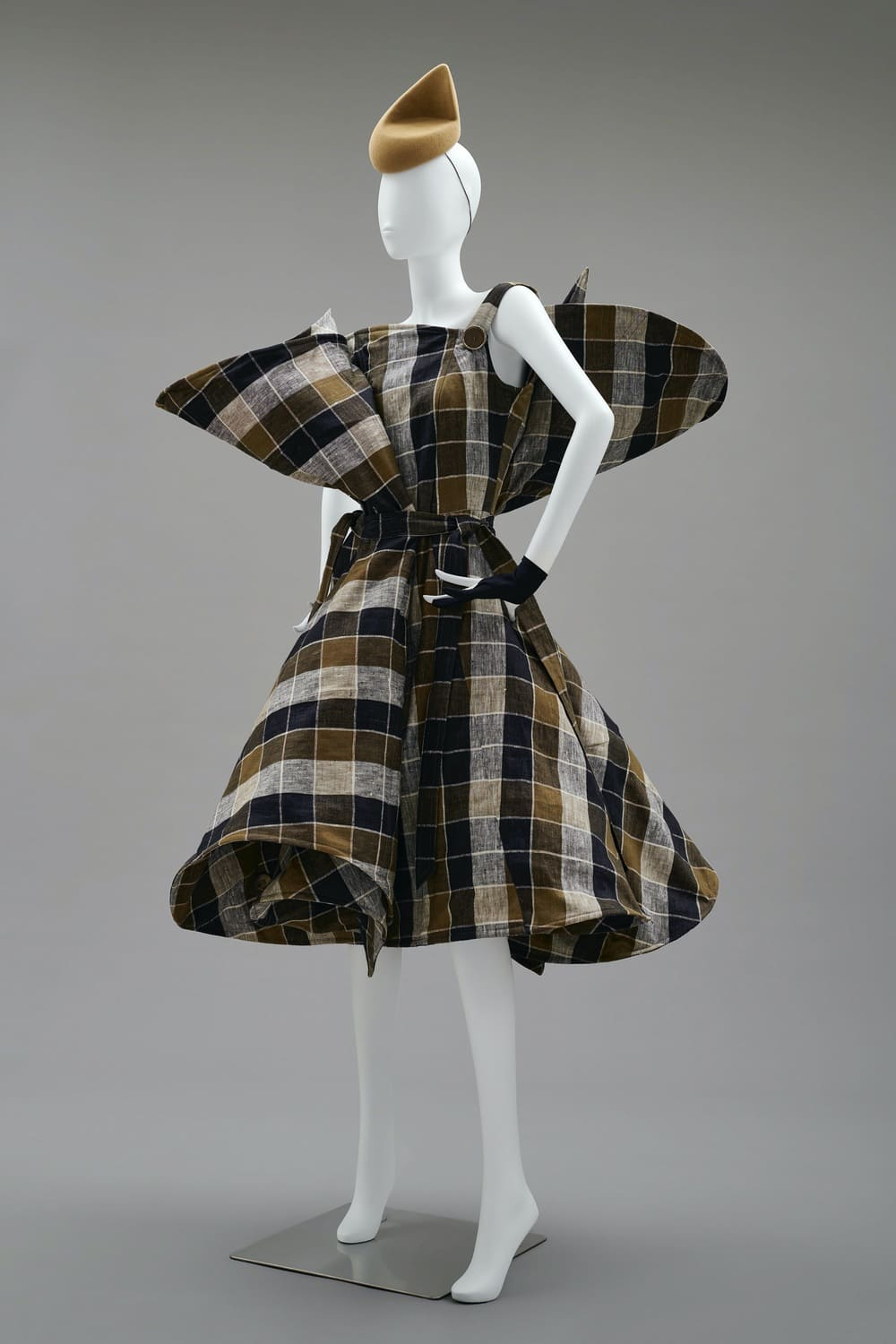
Yegor Zaitsev Solo Exhibition: "The Shape of Fabrics" | State Historical Museum
Fashion historians describe Yegor Zaitsev as a fashion designer imbued with existentialist thought, exploring global questions of existence in each of his new works: freedom, loneliness, the meaning of life, and death. Zaitsev's work is conceptual, containing multiple layers of meaning and profound interpretive space. He uses structural, functional, and decorative elements to express his reflections on human fragility, the dangers of the external world, social threats, and ways to resist them. Dresses and coats transform into flowers and crystals, giving the human form a surreal shape. Clothing evolves into highly dramatic and complex imagery, acquiring new meaning and form. This exhibition showcases 12 looks, their complexity and multifaceted nature breathtaking. Some elements of these garments were designed and made independently, while others were shaped and integrated into the overall design. The exhibition also features videos for four of the looks, revealing the secrets behind their designs. For Yegor Zaitsev, there are no technical or creative barriers. He personally selects the fabrics, is intimately familiar with the manufacturing process, and possesses a deep understanding of the beauty of the human form. Most importantly, he has an artist's mindset—conceiving compositions, shaping forms, and creating images. His artistic legacy extends beyond clothing, encompassing sketches, prints, and poetry, all of which are exhibited alongside the ready-to-wear pieces. The exhibition also features studio videos and performance footage, focusing on figures, movement, and space—all essential for a more comprehensive view of the designer's experimental work. Yegor Zaitsev's creative vision resonated with the Russian cultural context of the late 1980s and late 2010s, and with the global fashion industry of the 20th and 21st centuries. For a fashion designer, clothing is a way to engage in dialogue with the audience, expressing his ideas, dreams, and concerns. His relationship with his father, Vyacheslav Zaitsev, not only laid the foundation for Yegor Zaitsev's passion for the ultimate expression of craftsmanship and ideas, but also taught him how to collaborate with designers, engineers, and technicians in the fashion house, posing challenges and innovative problems they had never learned in textile academies. The studio effectively created a method for realizing Yegor's visions. But his unique perspective on the world, transforming it into stunning images, was likely inspired by his mother, Marina Vladimirovna Zaitsev—also a fashion designer, a graduate of the A.N. Kosygin Moscow State Technical University like her husband, an abstract artist in E.M. Beryutin's "New Reality" studio, a production designer for the Bolshoi Theatre (located on Vernatsky Prospekt), a member of the Moscow Artists Union since 1975, and awarded the title of Honored Artist of the Russian Soviet Federative Socialist Republic. Egor's artwork also incorporates street imagery, contemporary film, literature and music, as well as his personal life experiences.
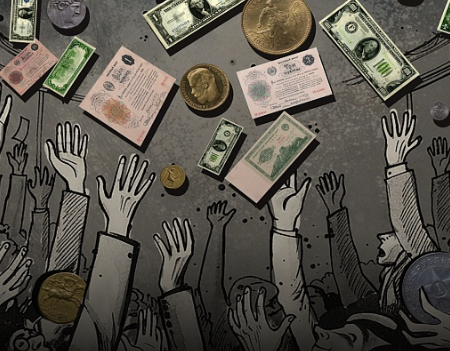
"Humans are just humans—they love money"—Special Exhibition at the State Historical Museum of Russia | State Historical Museum
The exhibition, "People Reflect Their Character, People Reflect Their Love of Money," explores a key theme in Mikhail Afanasyevich Bulgakov's novel *The Master and Margaret*—money as a force that tests humanity and reveals moral choices. In this work, money is not merely a detail of the era, but also a significant artistic image, permeating the narrative threads of both ancient times and the Soviet Union. This exhibition will guide visitors through monetary artifacts from two periods: the Jewish region in the first century AD and Soviet Moscow in the 1920s and 30s. The exhibition includes a section dedicated to ancient Judea, showcasing locally minted coins and Roman-era currency, and exploring the region's tax and financial systems. The centerpiece is a display case containing "Thirty Silver Coins"—four-drachma silver coins from Tyre, traditionally symbolizing the price of betrayal. A section on the 1920s and 30s explores the currency reforms of 1922-1924, the issuance of Chernvonets banknotes, the state's gold and foreign exchange policies, and the operations of the Torgeshin Shop. The exhibition displays all the major types of Soviet Chernvonets banknotes from 1922 to 1937, allowing visitors to trace their design evolution and connect real banknotes with scenes from the novel, including the famous Variety Theater scene. The exhibition also features rare Torgeshin Shop sales orders. Besides coins and banknotes, the exhibition also includes items that convey the atmosphere of the works. The highlight of the exhibition is the "Writer's Studio," which displays Bulgakov's personal belongings and a 1966 issue of the magazine *Moscow*, in which the novel was originally published.
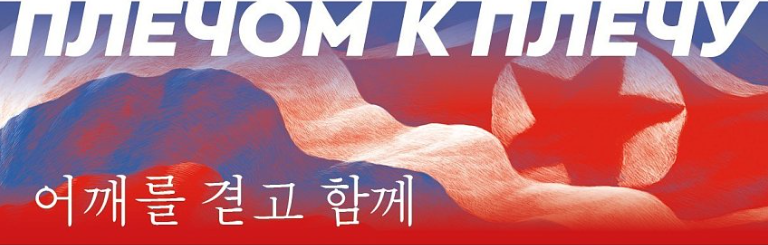
Shoulder to shoulder | Victory Museum
The exhibition "Shoulder to Shoulder" is dedicated to the history of the allied relations between Russia and the DPRK from 1945 to the present day. The exhibition features over 250 unique exhibits, revealing key stages of this shared journey. Visitors will see original documents, awards, diplomatic gifts, military uniforms and weapons, as well as paintings and photographs from the collections of the Victory Museum and eight Russian museums and archives.

2026 Yadkin Valley Wine Festival | Elkin Municipal Park

You Should Be Dancing - A Tribute to the Bee Gees | Kenworthy Performing Arts Centre
Experience a night of non-stop dancing, soaring falsettos, and the most beautiful ballads ever written. Experience a night of The Bee Gees!
The Ultimate Bee Gees experience - witness over twenty #1 international super hits written and performed by the Gibb brothers (along with a few surprises).
Our tribute pays homage to the Bee Gees at the peak of their fame, showcasing the energy, creativity, and appeal that took the world by storm. You'll be treated to a night of dancing, soaring falsettos, and some of the most beautiful ballads ever written.
What are you waiting for?
YOU
should be dancing!
L earn more at
www.bayareabeegees.com
|
Instagram:
@bayareabeegees
Information Source: You Should Be Dancing L.L.C. | eventbrite

2026 John Mazza Memorial Wings and Wheels Fly In and Car Show | Dinwiddie Airport KPTB
Information Source: SoVa Regional Chamber | eventbrite

Moscow Marathon | Moscow
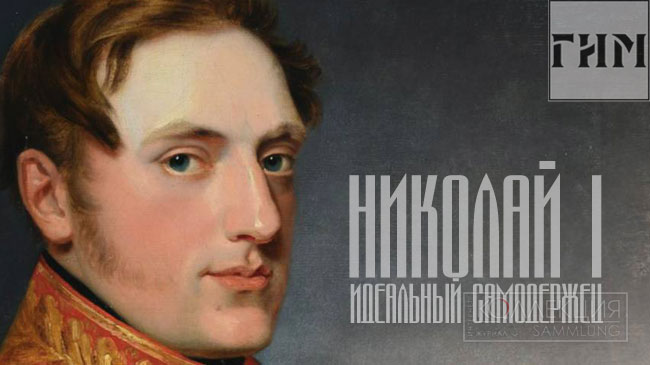
Nicholas I. The Ideal Autocrat | State Historical Museum
The exhibition features over 260 items, including personal belongings of the monarch. Particularly noteworthy are the collections of military uniforms, portraits of members of the royal family, and works by Nicholas I's key aides: A.Kh. Benckendorff, S.S. Uvarov, M.M. Speransky, and I.F. Paskevich. Nicholas I was known for his love of painting and his patronage of the high art; he himself was a highly skilled artist. This exhibition will display a self-portrait of Nicholas I, as well as a painting by his favorite war painter, A.I. Radurner. Notably, Radurner's painting depicts the Preobrazhensky Guards' approach to the Winter Palace on December 14, 1825, and this painting was inspired by a pencil sketch by Emperor Nicholas I, who was also a key participant in the event.
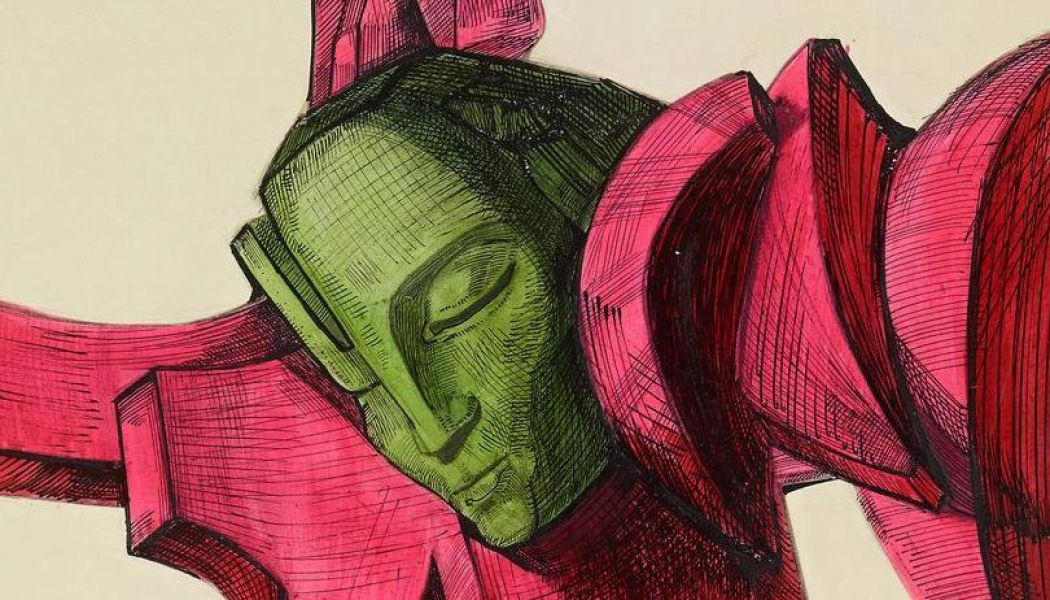
The Epoch of Neizvestny. For the Artist’s Centenary | New Tretyakov Gallery
This exhibition comprehensively showcases the artwork of Ernst Nezvestny, divided into four sections: "War is...", "Nezvestny in Manezhnye", "The Battle of Giants", and "The Tree of Life," exhibiting sculptures, paintings, and prints from museum and private collections. While the Tretyakov Gallery previously held an exhibition of Ernst Nezvestny's illustrations for the Book of Job in 1999, this exhibition is the first to comprehensively present the evolution of the master's artistic language. Visitors will have the opportunity to appreciate numerous works, including "The Hybrid", "Portrait of the Unemployed Worker Besbala", "Orpheus" (awarded the highest prize in the TEFFI television competition since 1994), "The Cosmonaut", and "The Woman's Torso".
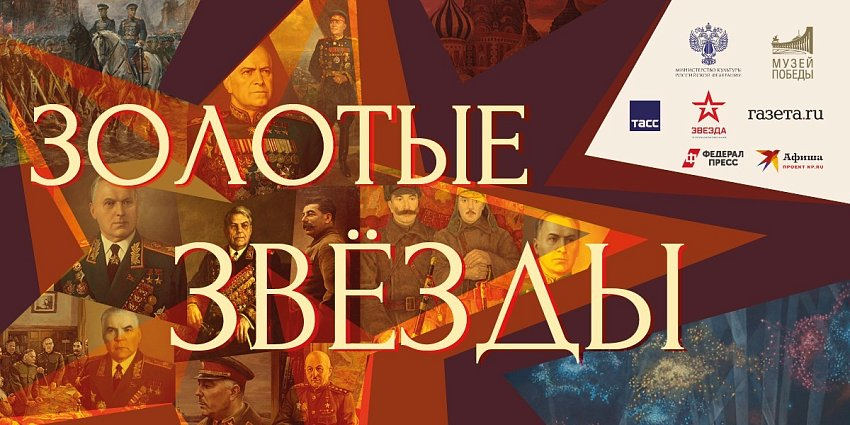
Golden stars | Victory Museum
This exhibition will showcase over 20 paintings by renowned artists from the Victory Museum's collection, depicting Soviet military leaders in dress uniforms and making crucial decisions in their work environments, showcasing the heroic deeds of our nation's heroes. In addition, the exhibition will feature for the first time the monumental oil painting "Our Victory!" by historical painter Oleg Sergeyevich Maslov, created to commemorate the 80th anniversary of the victory over Germany. This painting was donated to the Victory Museum by the artist himself. The Great Patriotic War forever etched the names of Soviet military leaders into the annals of history; their strategic talent, iron will, and exceptional organizational abilities were key to the ultimate victory. Ivan Stalin, Kerr Yevgeny Voroshilov, Georgy Zhukov, Kerr Rokossovsky, Ivan Sharif Konev, Alexei Mikhailovich Vasilievsky, and L.Y. Malinovsky—these commanders were more than just military commanders. They turned the tide of battle, boosted morale, and led the nation through its most difficult trials. Their exceptional skill lay in their ability to perfectly combine bold tactics with tenacious defense, precise calculations with decisive decision-making at crucial moments. In the Battle of Moscow, the Battle of Stalingrad, and the Battle of the Kursk salient, they not only halted the enemy's advance but also systematically dismantled it, forcing the German army to retreat westward. Vasilievsky's strategic genius transformed plans into devastating operational plans—from the encirclement of the German forces at Stalingrad to the siege of Königsberg, his exceptional talent was evident. Zhukov and Rokossovsky displayed rare foresight: their battlefield decisions became benchmarks of military art, and their personal courage inspired soldiers. Konev dedicated himself to preserving Europe's cultural heritage, proving that victory was not merely about defeating the enemy but also about defending the values of civilization. Under the leadership of Supreme Commander Stalin, a system was established in which every front and every operation became a link in a chain. Malinovsky in the south, Konev in the west, Rokossovsky in the center—they were all part of a vast machine that methodically and silently destroyed the military power of the Third Reich. Voroshilov played a special role in this. Although he did not directly command the fronts in the decisive theater of war, he made incalculable contributions at other equally crucial moments: in the most difficult early stages of the war, Voroshilov commanded the Leningrad Front, doing everything in his power to hold Leningrad on the Neva River. He actively participated in organizing partisan movements and coordinating the actions of rear troops. His authority and experience helped mobilize resources, strengthen discipline, and maintain troop morale during retreats and arduous defensive battles. These commanders proved that victory stemmed from a combination of professionalism and courage, from a fusion of prudence and conviction in the cause of justice. Their names are vivid examples of how willpower, wisdom, and loyalty to the motherland can alter the course of history.
...
More Popular Topics

Latest Events in Moscow(May Updated)
252 eventMore Popular Events

Tomorrowland Thailand 2026 | Chon Buri
Dec 11–Dec 13, 2026 (UTC+7)
Thailand

BTS WORLD TOUR IN BUSAN 2026 | Busan
Jun 12–Jun 13, 2026 (UTC+9)
Busan

BTS WORLD TOUR IN BANGKOK 2026 | Bangkok
Dec 3–Dec 6, 2026 (UTC+7)
Bangkok

BTS WORLD TOUR IN KUALA LUMPUR 2026 | Kuala Lumpur
Dec 12–Dec 13, 2026 (UTC+8)
Kuala Lumpur

BTS WORLD TOUR IN SINGAPORE 2026 | Singapore
Dec 17–Dec 22, 2026 (UTC+8)
Singapore
Latest Flight Deals to Russia
Search for flights to popular cities in Russia and check out affordable one-way and round-trip options.
-
Return
-
One way
-
-
 SIN 13:0017h 25m1 stopSIN Invalid Date- | Wed, May 6 | Normal AirlineFind more flightsFind more flights
-
 KKC 08:4050h 40m2 stopSVO 07:20Khon Kaen - Moscow | Mon, Jun 15 | Thai Vietjet AirUS$409 US$49918% off18% offUS$499 US$409
 -
 SIN 13:0017h 25m1 stopSIN Invalid Date- | Wed, May 6 | Normal AirlineFind more flightsFind more flights
-
Displayed flight fares from to are based on average prices across airlines for the next 3 months, according to the latest Trip.com database.