Beijing Train Stations: Ticket Booking & Tips for Foreigners


This guide covers Beijing’s key railway hubs, popular tourist routes, foreigner-friendly ticket booking tips and practical travel hacks for a smooth rail trip in China.
Vancouver - Beijing
Toronto - Beijing
Hong Kong- Beijing
See all flights


The Four Major Train Stations in Beijing
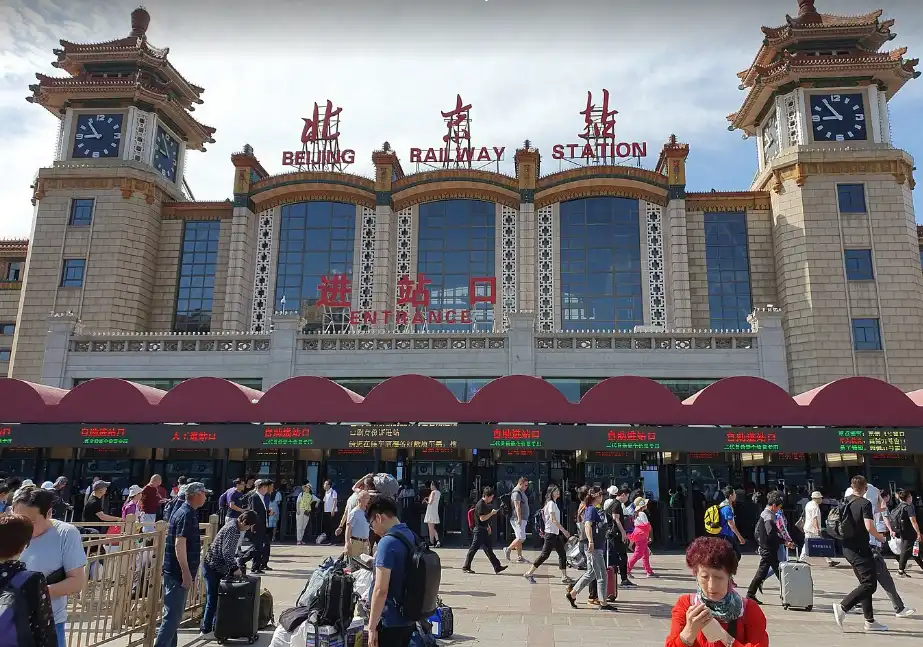
Each of Beijing’s four core stations serves distinct destinations and train services. Knowing their unique features lets you pinpoint exactly where your train departs from every single time.
1. Beijing Railway Station (Dongcheng) — The Historic Downtown Hub
- Location & Features: Nestled in central Beijing’s Dongcheng District, this is the city’s oldest and most iconic railway station. It features classic mid-20th-century architecture and serves as a long-standing landmark of Beijing’s rail transportation system.
- Train Routes & Services: Runs conventional K/T/Z-series slow trains and high-speed rail services. Most lines connect to northern and northeastern Chinese cities, including Harbin, Shenyang, Changchun and Dalian, making it the starting point for winter ice festival trips and casual road trips across Northeast China.
- Travel Convenience: The station has a compact, well-organized layout with simple navigation. Its proximity to the city centre offers great convenience for travellers staying in downtown hotels.
2. Beijing South Railway Station — China’s High-Speed Rail Gateway
- Location & Features: As Beijing’s largest, newest and most modern rail hub, Beijing South Railway Station boasts futuristic, streamlined architecture with a sleek, high-tech look. It is the city’s dedicated core station for all high-speed rail operations.
- Train Routes & Services: It only runs CRH/HSR G/D-series bullet trains, covering eastern and coastal major Chinese cities. Key routes include the iconic Beijing–Shanghai high-speed line, plus frequent services to Tianjin, Jinan, Nanjing and Hangzhou for fast eastbound travel.
- Travel Convenience: Fully equipped with traveller-focused facilities including spacious waiting halls, English digital signage, diverse dining options and clean rest areas. It is built for high-volume, fast-paced high-speed rail travel with smooth boarding procedures.
3. Beijing West Railway Station — Gateway to Western & Central China
- Location & Features: Ranked among the busiest train stations in China and worldwide, Beijing West Railway Station serves as the primary gateway to western and inland China. It features a huge multi-floor layout with comprehensive full-service amenities.
- Train Routes & Services: It operates both long-distance conventional trains and high-speed bullet trains, covering the widest range of inland destinations. Major tourist routes head to Xi’an, Chengdu, Lhasa, Chongqing, Wuhan and Changsha, ideal for cultural and cross-country adventures.
- Travel Convenience: The station hosts countless shops, restaurants and luggage storage services. It is always crowded, so arriving early is highly recommended to avoid rushed security checks and boarding delays.
4. Beijing North Railway Station — Scenic & Ski Trip Hub
- Location & Features: A smaller, quieter suburban rail hub with specialized service, far less crowded than Beijing’s other three major stations. It focuses exclusively on northern outbound routes for scenic and recreational travel.
- Train Routes & Services: It runs short-distance tourist trains heading north, mainly serving Zhangjiakou (Winter Olympic ski resort) and scenic areas of Inner Mongolia. It caters to outdoor and seasonal travel needs.
- Travel Convenience: Perfect for day trips and weekend getaways. It is the best departure point for Great Wall hiking, winter skiing and northern grassland sightseeing, with simple navigation and low passenger volume.
Which Beijing Train Station Is the Biggest?
If you’re wondering which station takes the title of Beijing’s largest, the answer is clear: Beijing South Railway Station. It ranks first in both total construction area and annual passenger throughput among all Beijing rail hubs.
As Beijing’s dedicated high-speed rail core, it handles the highest volume of daily trains and travellers. Its ultra-large open-concept waiting space, advanced passenger systems and exclusive high-speed rail network scale far exceed the city’s other stations, making it Beijing’s undisputed top rail transportation hub.
Most Popular Train Routes for Foreign Travellers
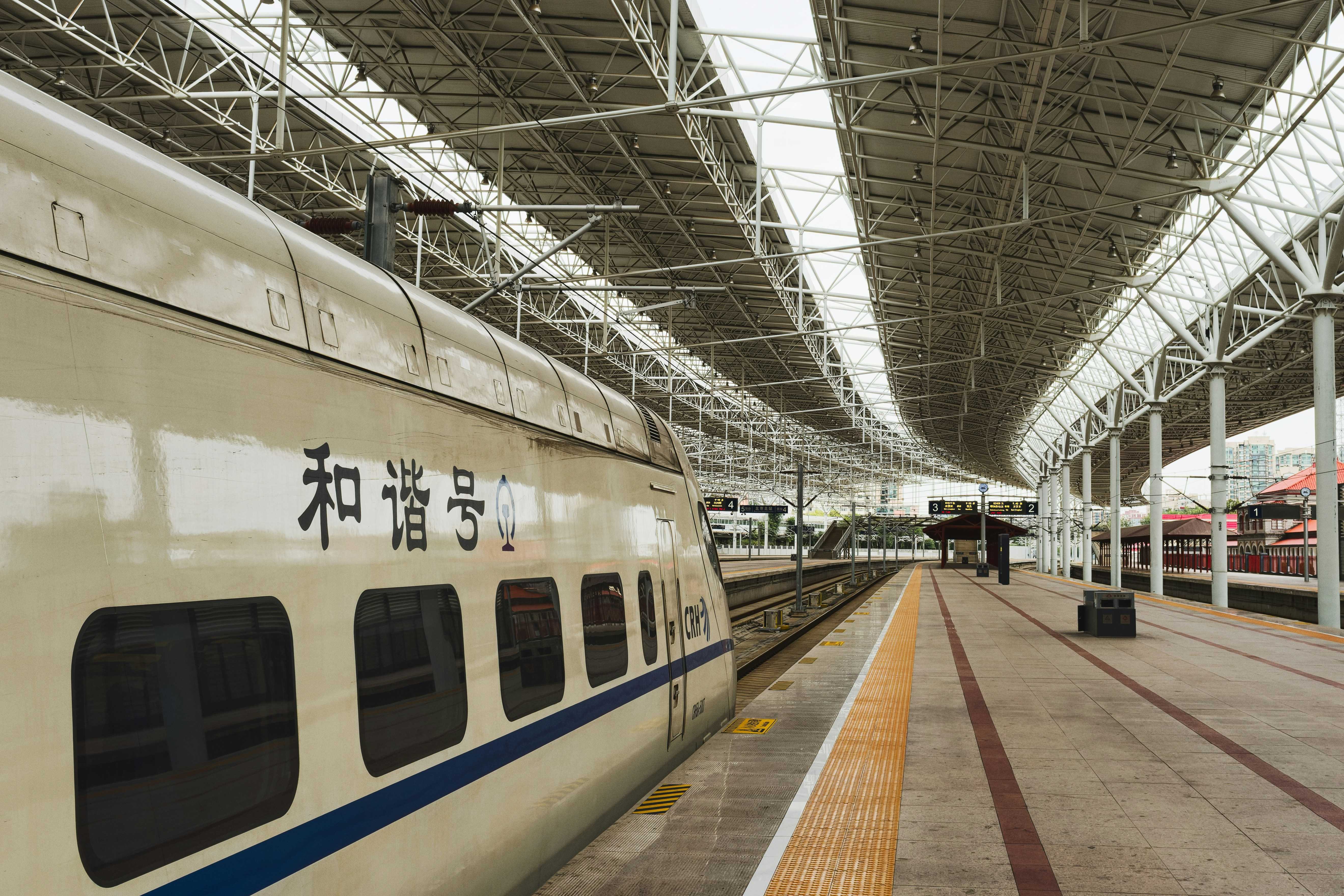
These are the most practical, tourist-friendly train routes departing from Beijing—perfect for Canadian travellers looking to explore China’s top cities with fast, convenient rail travel.
Top Popular Train Routes Overview
Route | Departure Station | Travel Time | Key Travel Details |
|---|---|---|---|
Beijing → Shanghai (Iconic High-Speed Route) | Beijing South Railway Station | ~4.5 hours (G-series bullet train) | China’s most famous high-speed rail route. Three seat classes: Second Class (budget), First Class (extra legroom), and Business Class (premium). On-board Wi-Fi, catering services, and scenic eastern China views. |
Beijing → Xi’an(Silk Road Adventure) | Beijing West Railway Station | 4–6 hours (fast high-speed G-trains) | Perfect for history lovers visiting the Terracotta Army and Silk Road sites. Overnight trains save hotel costs, while high-speed trains offer fast, convenient one-day travel. |
Beijing → Tianjin(Perfect Day Trip) | Beijing South Railway Station | 30–35 minutes (fast high-speed trains) | Frequent departures every 10–15 minutes. Ideal for a quick day trip to explore colonial architecture, local street food and waterfront scenery with an easy same-day return. |
Beijing Stations → Airports (PEK & PKX Transfers) | All major Beijing stations (metro transfer) | Varies by starting location |
|
Amazing Tours in China!
See all attractions
 37668 booked




![Beijing Mutianyu Great Wall 1-Day Tour [VIP Private Charter ◆ Door-to-Door Pickup/Includes Admission Ticket & No Shopping]](https://ak-d.tripcdn.com/images//0580u12000mzn0c4q2CAB_C_568_320.jpg)


How to Buy Beijing Train Tickets Online (For Foreigners)
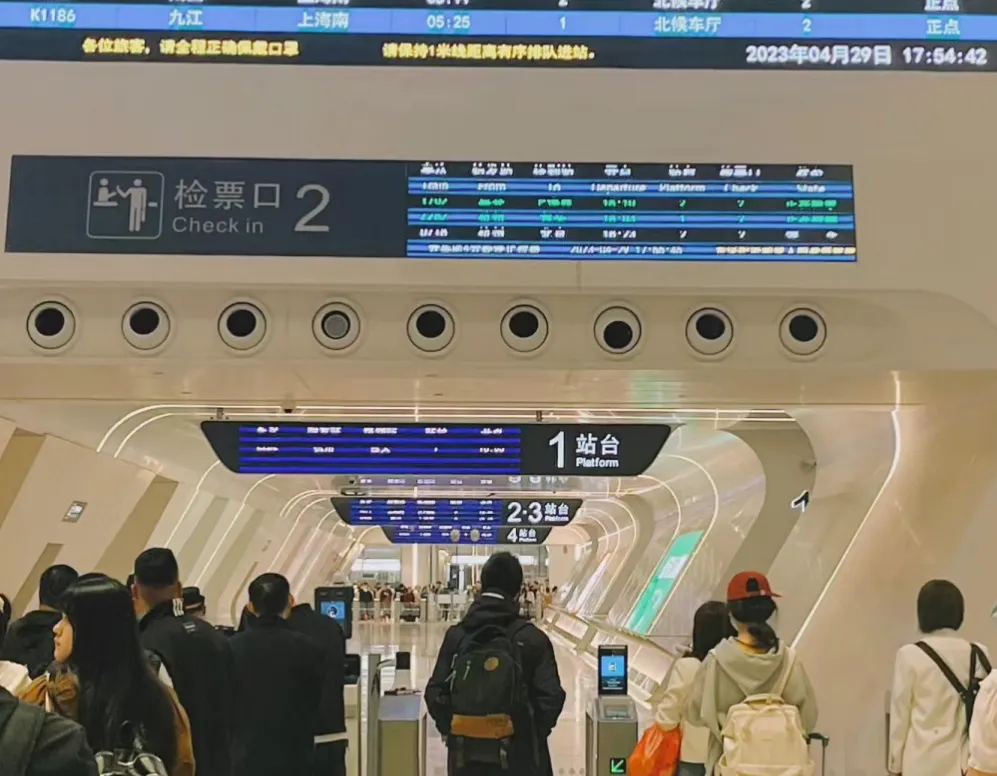
Below is the simplest, most reliable step-by-step guide tailored for Canadian visitors.
Book Online via Trip.com (Best for Foreigners)
Trip.com is the most user-friendly platform for English-speaking travellers, far easier than China’s official 12306 app (which requires a Chinese phone number). Here’s how to book:
- Open the Trip.com app or website and switch to English mode.
- Select “Trains”, enter your departure station, destination and travel date.
- Browse available G/D/K-series trains and pick your preferred time and seat class.
- Enter your passport information (passports are the valid ID for foreign travelers).
- Pay via international credit card (Visa/Mastercard are fully supported).
- Receive your booking confirmation and QR code via email or app notification.
Collecting Tickets at the Station
Most high-speed train bookings made on Trip.com support direct QR code entry. You can simply scan the app QR code at the station gate to board, no physical ticket needed.
For conventional slow trains or special routes, you’ll need to collect a physical ticket. Head to the station’s self-service ticket machines (with English language options) or manual ticket windows, scan your passport, and print your ticket in 30 seconds. Station staff are always available to help if you run into issues.
Stay Connected With Trip.com!
See all attractions





Practical Beijing Station Navigation & Travel Tips
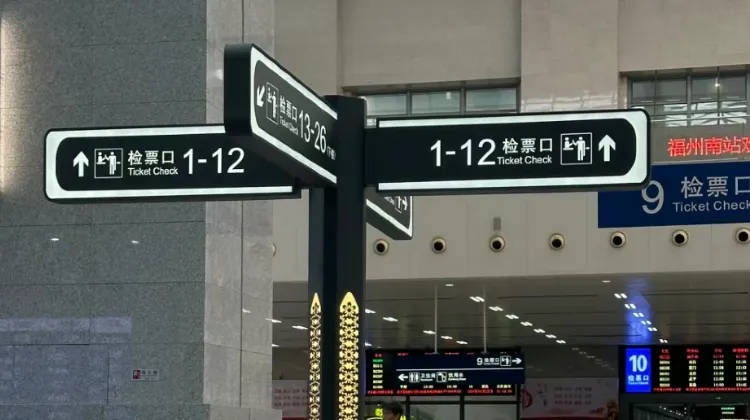
All Beijing train stations follow standard national security rules, simple to follow for foreigners:
- Place all bags, jackets and electronic devices in the X-ray scanner.
- Walk through the body security checkpoint.
- Present your passport (the ID you used for booking) and ticket/QR code for verification before entering waiting halls and platforms.
Security checks are efficient overall. Just avoid carrying sharp objects, flammable items or large amounts of spray to avoid delays.
Luggage Storage, Dining & Amenities
All four major stations offer traveller-friendly amenities:
- Luggage storage: Affordable short and long-term storage lockers/counters, perfect if you want to explore the city before checking into your hotel or after check-out.
- Dining & shopping: Fast food chains, local Chinese restaurants, convenience stores and coffee shops are widely available.
- Basic amenities: Clean restrooms, rest lounges, pharmacies and charging stations for your devices.
Beijing Train Station Transportation: Metro, Taxis & DiDi
Metro Connections (Most Reliable)
Every major Beijing train station is directly connected to the city metro network, which is the cheapest and most traffic-free travel option:
- Beijing Railway Station: Served by Metro Line 2
- Beijing South Railway Station: Served by Line 4, Line 14
- Beijing North Railway Station: Served by Line 2, Line 4 and Line 13
The metro system has English signage, so it’s easy to navigate to hotels, tourist attractions and commercial districts.
Taxis & DiDi
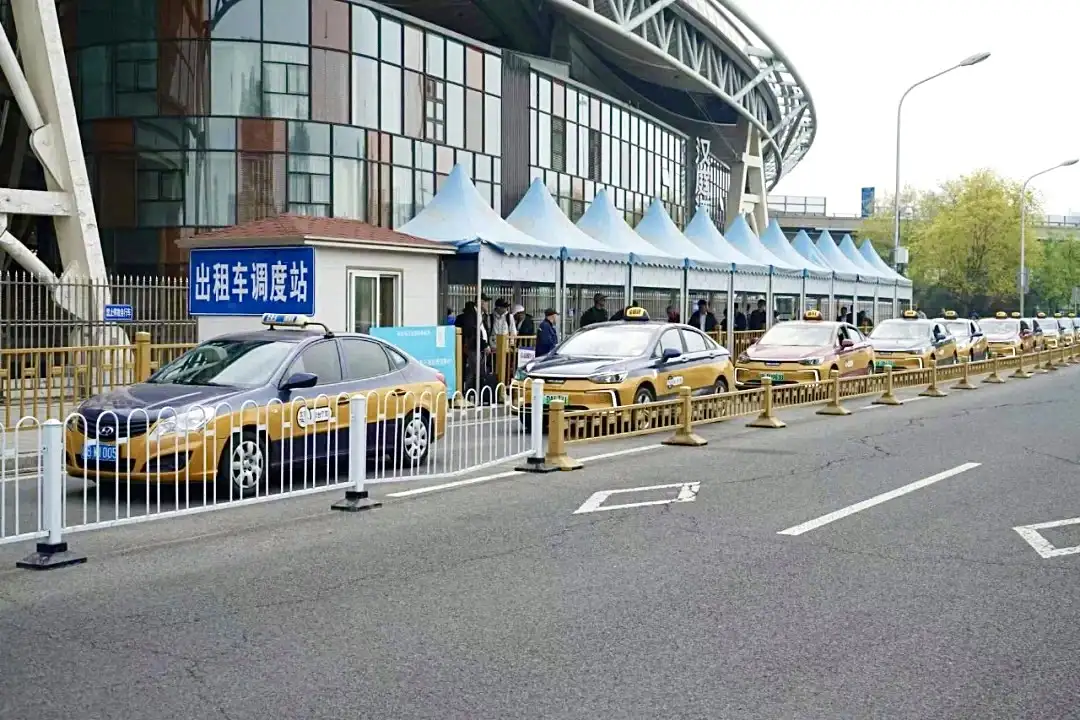
For door-to-door convenience, you can use official station taxis or DiDi—China’s equivalent of Uber. DiDi supports English and international payment cards, making it super easy for Canadian travellers. Just wait in the designated pickup zone outside each station for a fast, comfortable ride.
Best Travel Times for Beijing Train Trips
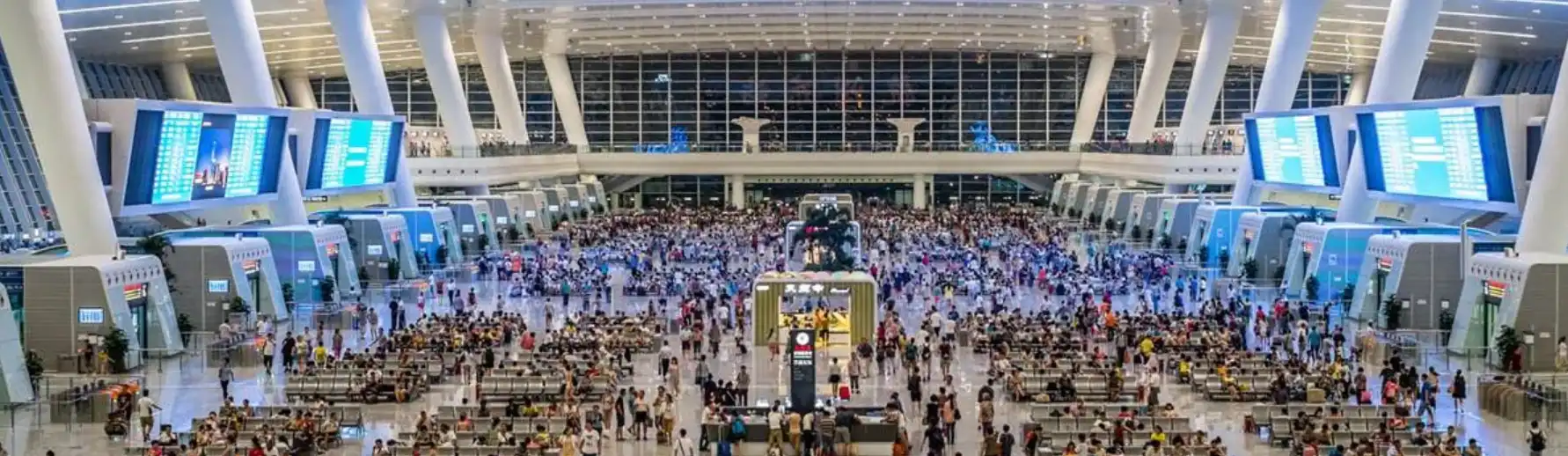
From my travel experience, I highly recommend Canadian travellers avoid major Chinese national holidays (Spring Festival in late January/early February, National Day holiday in early October). During these periods, ticket prices surge, trains are overcrowded, and tickets sell out extremely fast.
The best travel windows are spring (April–May) and autumn (September–October, excluding National Day). The weather is mild, passenger flow is stable, tickets are easy to book, and you’ll enjoy a far more comfortable travel experience.
Final Thoughts
Beijing’s train system may look complicated at first with four major stations, but once you memorize each station’s core routes and features, traveling by rail becomes the fastest, most comfortable and most affordable way to explore China. Whether you’re chasing big-city vibes in Shanghai, ancient history in Xi’an, ski adventures in Zhangjiakou or quick day trips in Tianjin, Beijing’s rail network will power your entire Chinese travel journey.
[10% Off] Beijing Hotel Recommendations
See All Hotels






FAQs About Beijing Train Stations
-
What are the main train stations in Beijing?
-
How do I get from Beijing South Railway Station to the city centre?
-
How early should I arrive at a Beijing train station before my departure?
-
Can I take a train directly from Beijing to Daxing International Airport?
Disclaimer: This article has been provided by an individual contributor or third party platform. If there is any discrepancy regarding the copyright, please contact us directly and we will delete the content immediately.
Trending Searches
-
More about China Trains
- China High Speed Train Seat Map
- China Train Luggage
- How to Take a Train in China
- 1st class vs 2nd class on China high speed trains
- China Train App
- What To Do If China Train Tickets Are Sold Out
- China Sleeper Train
- Shenzhen to Hong Kong
- China Train Types
- China Train Tickets Change Refund Cancellation
- Cheap Train Tickets China
- Chongqing Train Stations
- How to Enter Your Name on China Train Tickets with a Foreign Passport
- China Train Classes
- Trains to Lochgelly
- Trains to Tirano
- Medina Del Campo to Leon trains
- Trains to Glenrothes With Thornton
- San Juan Del Puerto to Sevilla-Santa Justa trains
- Busan Station