2026 Nagqu Travel Guide: must-see attractions, popular food, hotels, transport & travel experiences (updated in March)
Essential Travel Information for Nagqu
Nagqu Today's weather
Overcast -11-10℃

Latest Travel Trends in Nagqu
Popular Attraction in Nagqu
Sapushen Mountain
(136)Nam Co Sheng Xiang Tian Men
(104)All Trip Moments about Nagqu | Travel Experiences
Tibet's Namtso Lake: A Sacred Lake in Dialogue with the Sky, the Closest Azure Tear to Heaven
Nestled in the vast expanse of Tibet, Namtso Lake lies like a sapphire cherished by the gods, cradled in the embrace of the Nyenchen Tanglha Mountains. As the world's highest large lake at an altitude of 4,718 meters, this sacred lake is not only the foremost of Tibet's three holy lakes but also a mystical realm where the soul can converse directly with the heavens. Standing on the shores of this lake, bluer than the sky itself, with the snow-capped peaks of the Nyenchen Tanglha Mountains reflected in its waters, the breathtaking moment will become an unforgettable travel memory. 🌟 Must-Experience Highlights Exploring the Mystical Tashi Peninsula Among the five peninsulas extending into the lake, Tashi Peninsula is the most iconic viewing spot. Its rugged karst landscape contrasts beautifully with the fluttering prayer flags. It is recommended to visit the eastern side of the peninsula at dawn to witness the sacred moment when the first rays of sunlight touch the lake's surface. A clockwise walk around the peninsula (approximately 2 hours) is the traditional way of circumambulating the lake, where you can see numerous mani stone piles and meditation caves along the way. The Stunning Beauty of Shengxiang Tianmen Located on the northern shore of Namtso, Shengxiang Tianmen (Sacred Elephant Gate) is a recently discovered hidden paradise. A naturally formed giant rock resembling an elephant's trunk extends into the lake, creating a breathtaking scene where heaven and earth merge. This spot is not only the best vantage point for capturing panoramic views of the Nyenchen Tanglha Mountains but also an ideal place to experience the pristine wilderness of Namtso (advance reservation for entry is required). Ultimate Stargazing Camping Experience Under strict adherence to environmental regulations, spending a night at a designated lakeside camping area will be an unforgettable experience. At an altitude of 4,718 meters, the night sky is crystal clear, and the Milky Way seems within reach. It is recommended to visit around the Wangguo Festival (August) to enjoy both the starry sky and the morning mist over the lake. 📅 Practical Travel Guide Best Time to Visit The best travel period is from May to October, with the lake at its bluest and warmest from July to September. While the frozen lake in winter offers a unique charm, extreme weather conditions should be taken into account. Transportation Guide · Self-Drive: Depart from Lhasa along the Qinghai-Tibet Highway, approximately 4 hours to Damxung County, then transfer to an eco-friendly vehicle to enter the lake area. · Private Car Hire: Opt for a 4WD vehicle, with stops at Yangbajing Geothermal Area along the way. · Helpful Tip: For a one-day trip to Namtso, it is recommended to depart from Lhasa at 6 AM to avoid afternoon weather changes. Essential Gear Checklist · Altitude Sickness Prevention: Portable oxygen bottles, Rhodiola supplements (start taking one week in advance). · Protective Items: SPF50+ sunscreen, windproof mask, sunglasses. · Clothing: Down inner layer + windproof jacket (even in summer). 💡 In-Depth Experience Suggestions Circumambulation Pilgrimage If time permits, plan a 3-4 day journey to complete the 280-kilometer circumambulation of the lake. This ancient pilgrimage route offers views of the sacred lake from all angles, with opportunities to stay in nomadic tents and experience authentic Tibetan hospitality. Photography Golden Hours The best times to capture the magical light and shadows of the sacred lake are from 8-10 AM and 7-9 PM. Use a polarizing filter to reduce glare on the lake's surface, a telephoto lens for bird photography, and a wide-angle lens for stunning panoramas. Cultural Respect Guidelines When circumambulating the lake, always proceed clockwise. Do not fish in the lake or place unrelated items on mani stone piles. Maintaining silence is the most basic form of respect for the sacred lake. Standing on the shores of Namtso, listening to the gentle lapping of waves and watching prayer flags flutter under the blue sky, you will truly feel the sanctity and purity of this land. It is not only a geographical high point but also a sacred place for spiritual purification. It is recommended to allocate at least two days and one night to fully immerse yourself in this azure sanctuary closest to heaven. (Special Reminder: The scenic area has a visitor limit policy, so be sure to book your entry in advance through official channels.)Ty nana4Unlock a 2-Day Tour of Shannan During the Short Holiday
Here comes the 2-day Shannan travel guide! Autumn in Tibet is like a tricolor painting: golden colorful forests, pure white snow-capped mountains, and crystal-clear glaciers—absolutely stunning! The meadows by Namtso Lake turn golden, the route from Yamdrok Lake to Karola Glacier is a vibrant clash of colors, and you can also experience Tibetan-style blessings with prayer flags and Salonda rituals. All-inclusive pricing makes it super worry-free, allowing you to fully immerse yourself in this dreamy autumn scenery~ -------- Keep reading, all the travel secrets are here! -------- Recommended Attractions: Yamdrok Lake ⭐⭐⭐⭐⭐ 📍Location: Provincial Road 307, Gongga County, Shannan City, Tibet Autonomous Region 🕒Opening Hours: 08:00-18:00 ⏳Duration: 3-5 hours A paradise for water birds in southern Tibet🌿 The lake reflects the snow mountains like a mirror, with islands scattered like pearls. In autumn, the colorful forests turn golden, the snow mountains are pure white, and the glaciers are translucent blue—truly a masterpiece like an oil painting! Pumoyong Lake ⭐⭐⭐ 📍Location: Langkazi County, Shannan City, Tibet Autonomous Region 🕒Opening Hours: Open all day ⏳Duration: 1-2 hours The blue waves look like they are inlaid with sapphires💎 In winter, the lake surface turns a dreamy blue ice, so clear it looks like jelly. Every snapshot is a fairy-tale scene~ -------- Tips: 🍜 Must-try local Tibetan noodles and butter tea, a warm and comforting taste of the plateau! 🛍️ For souvenirs, choose Tibetan incense and handmade yak jerky—affordable and distinctive~ 📸 Don’t miss the photo spots along the route from Yamdrok Lake to Karola Glacier, where the three colors blend with incredible layering! ❄️ Bring a windproof jacket for autumn trips; the temperature difference near snow mountains and glaciers can be big, so keep warm! 🌄 Immerse yourself in golden mountain fields and pure white peaks—every photo looks like a blockbuster, so remember to save enough memory! -------- Click the card below to start your exclusive journey~JourneyGemstonesThe guide for rushing to Lhasa and other places during the short holiday is so timely!
Chaka Salt Lake has recently gone viral again! The dreamy sunset photos from China News are breathtaking, with golden salt sculptures and shifting lake colors. The twilight of the highland mirror is gentle and healing. This 4-day itinerary is flexible and lets you immerse yourself in the winter tranquility of Lhasa and its surroundings. Missing it would truly be a regret~ -------------------- Treasure guide here, scroll down quickly to unlock! -------------------- 🌄 Suggested Route: DAY 1-2: Namtso Lake — Hoh Xil Tibetan Antelope Viewing Platform — Kunlun Pass Two days immersed in the sacred plateau, from the azure Namtso Lake to the wilderness of Hoh Xil, encountering herds of Tibetan antelope, crossing Kunlun Pass to feel the vast snowy land. DAY 3: Chaka Salt Lake — Qinghai Lake Check in at the sky mirror Chaka Salt Lake 🌅, where the glow of sunset and cloud shadows reflect like a painting. In the evening, stroll along Qinghai Lake and watch the dusk dye the lake surface into a gradient silk. DAY 4: Qinghai Lake — Return Enjoy the sunrise over Qinghai Lake again in the early morning, then pack up and head home, carrying the pure memories of the plateau back to your warm home. -------------------- Must-visit Attractions: Namtso Lake ⭐⭐⭐⭐⭐ 📍Location: Near Zhaxiduo Monastery, Damxung County, Lhasa 🕒 Opening Hours: November 2025 - April 2026, 09:30-18:00 ⏳ Duration: 3-5 hours Snow-capped mountains reflected in the deep blue lake, as pure as a gem! In winter, see the lake ice embrace the mountains, instantly healing all fatigue~ Kunlun Pass ⭐⭐⭐ 📍Location: West Datan Scenic Area near National Highway 109, Qumalai County, Yushu Tibetan Autonomous Prefecture 🕒 Opening Hours: 8:00-18:00 ⏳ Duration: 20-45 minutes From the pass, you can see the entire east and west Kunlun Mountains. The vast snowy mountains against the blue sky make every photo a masterpiece! Chaka Salt Lake ⭐⭐⭐⭐⭐ 📍Location: No. 9 Salt Lake Road, Chaka Town, Wulan County, Haixi Prefecture 🕒 Opening Hours: March - November, 08:15-19:00 ⏳ Duration: 3-5 hours The salt lake reflects the sunset so beautifully it takes your breath away 🌅. By day it’s the sky mirror, by night the salt crystals shimmer under moonlight, full of dreamlike charm! Qinghai Lake ⭐⭐⭐⭐⭐ 📍Location: North side of National Highway 109, Gangcha County, Haibei Tibetan Autonomous Prefecture 🕒 Opening Hours: Open all day ⏳ Duration: 1-2 days In winter, half the lake is water and half is ice ❄️. Swans dance on the ice, peaceful yet lively—a definite winter-only wonder! -------------------- 🧳 Travel Essentials: 👔 Clothing: Bring fleece jackets and light down jackets; big temperature differences between day and night. Pack thermal underwear for warmth and wind protection. 👟 Footwear: Wear non-slip, warm hiking boots for easy trekking. Bring disposable slippers for trains or hotels. 💊 Health: Prepare Rhodiola (take in advance) and motion sickness medicine. Also bring cold and stomach medicine just in case. 🌞 Protection: High SPF sunscreen, sunglasses, and sun hats are a must. UV rays in Lhasa are strong, be careful of sunburn. 📄 Documents: Carry your ID and bank cards. If going to border areas (like Mount Everest), apply for border permits in advance. 🔌 Electronics: Power banks and multi-port chargers are very important. The plateau drains power quickly, better to be prepared. 🎒 Daily Items: Bring a thermos to drink more hot water to ease altitude sickness. Lip balm and wet wipes are also very useful. -------------------- Click the card to start your exclusive journey!Johnson_Alice_2Lhasa-Nagqu 3-Day Tour | A Lazy Person’s Blessing and a Complete Itinerary Guide
Sisters! Quickly save this Lhasa-Nagqu 3-day tour guide! All-inclusive price for unlimited fun, snap prayer flags and lungta anytime, and even Tibetan costume travel photography is arranged~ Save money, worry less, and avoid pitfalls—just copy this plan! -------- Treasure guide here, scroll down quickly to unlock! -------- 🗺️ Travel Route: This trip’s route is very tight, allowing you to visit a ton of attractions within limited time~ 📒 Itinerary Overview: Day 1: Nyenchen Tanglha Mountains -> Damu Monastery -> Damu Monastery Skull Wall Acclimate to the plateau upon arrival, enjoy the magnificent mountain scenery along the way, explore unique Tibetan Buddhist culture, and experience the mysterious Skull Wall at Damu Monastery. Day 2: Saputso Sacred Mountain Immerse yourself all day in the sacred beauty of Saputso Mountain, hike to feel the secret realm where glaciers and lakes shine together, and capture stunning Tibetan costume travel photos. Day 3: Northern Tibetan Grasslands -> Nagela Mountain Pass -> Namtso Sacred Elephant Gate Cross vast grasslands and high mountain passes, arrive at the shore of Namtso to pray and scatter lungta, and finally complete an impressive prayer flag photo journey at the Sacred Elephant Gate. -------- Must-Visit Attractions: Saputso Sacred Mountain ⭐⭐⭐⭐⭐ Address: Puzong Valley, Yangxiu Township, Biru County, Nagqu City, Tibet Autonomous Region Opening Hours: 07:00-21:00 Recommended Duration: 1-2 days Glacier lakes paired with snowy mountains🏔️, as sacred and healing as gems fallen from the sky~ Nagela Mountain Pass ⭐⭐⭐ Address: Nyenchen Tanglha Mountains, Damxung County, Lhasa City, Tibet Autonomous Region (near Namtso) Opening Hours: Open all day Recommended Duration: 20-45 minutes Must stop when passing by📸, from the pass you can gaze at the deep blue surface of Namtso! Namtso Sacred Elephant Gate ⭐⭐⭐⭐⭐ Address: Namtso Nature Reserve, Bangor County, Nagqu City, Tibet Autonomous Region Opening Hours: Open all day Recommended Duration: 3-5 hours The stone elephant bowing to drink water is amazing🐘, like a millennia-old spirit beast guarding the sacred lake! -------- Travel Tips: · Remember to compare prices for specialties like saffron, take your time choosing in the market~💐 · Walk clockwise inside temples, don’t point at Buddha statues, respect local culture🙏 · Sweet tea with Tibetan noodles is the perfect breakfast, warming and filling!🍜 · Don’t skip high-altitude sun protection, always wear hats and sunglasses, UV rays are very strong🌞 · Temperatures drop quickly at night, carry a thick jacket for windproof warmth🧥 -------- Save this guide quickly and start your perfect journey!Bell Samuel 341I thought Namtso was beautiful enough, until I went to this "heart-shaped lake" that I couldn't even find on a map...💙
After a bumpy six-hour drive, as the off-road vehicle crossed the last mountain pass—nestled in the embrace of the snow-capped mountains lay a complete "blue heart," with icicles still floating on the lake's surface—at that moment, the entire vehicle fell silent, the only sound the wind. 📍【Detailed Address】 Unnamed lake east of Pumoyum Tso, Bangor County, Nagqu City, Tibet (locally known as "Heavenly Heart Lake") 🚗【Transportation Guide】 Rent a rugged off-road vehicle in Lhasa 👉 Langkazi County (4hr) → Pumoyum Tso (2hr) → Find a local herdsman to guide you (approx. ¥300/vehicle) 🎯【Must-Visit Experiences】 • Tuiwa Village, the world's highest village—drink sweet tea on a cliff at an altitude of 5070 meters ☕ • Pumoyum Tso Blue Ice Season—ice walking on the lake in January, the ice is up to meters thick, the ice cracks are breathtakingly beautiful • Yamdrok Tso Lake Circumnavigation to find the heart-shaped island—a hidden heart that can only be seen from a drone's perspective 🗺️【My 4-Day 3-Night Exploration Itinerary】 👉 Day 1: Lhasa → Yamdrok Tso Inner Loop (avoid the viewing platform, only going down to the lake is free!) → Overnight in Langkazi County 👉 Day Day 2: Watch the morning mist at Pumoyum Tso → Hang prayer flags at Tuiwa Monastery (Remember to bring small change, as the monastery does not accept WeChat Pay 🙏) 👉 Day 3: Herdsmen guide you to Tianxin Lake → Picnic by the lake (Take all your trash with you!) 👉 Day 4: Visit Sangding Monastery, the residence of a female Living Buddha → Return to Lhasa — Which of Tibet's holy lakes do you love most? I find it hard to choose! 💰【Cost Breakdown】 • Off-road vehicle rental: ¥800/day (including driver) • Accommodation: Approximately ¥600 (basic conditions) • Food + Supplies: ¥400 • Guide fee: ¥300 ⚠️【Tips from the Heart】 A four-wheel drive off-road vehicle is a must! The last 20 kilometers are completely off-road. The lake is at an altitude of nearly 5200 meters; bring at least two canisters of oxygen. The local guides only accept cash, so be prepared with small change. The lake may freeze before May; wildflowers bloom after July. There is no cell phone signal, so download offline satellite maps. Finding hidden gems is romantic, but losing contact in uninhabited areas is dangerous; remember to purchase professional travel insurance covering search and rescue in wild areas! #NewYearDestinations2026 #travel2026雲朵旅行日記2Naqu City Horse Racing Festival in Tibet Autonomous Region!
Naqu City · Horse Racing Festival 🌿The Horse Racing Festival held in Naqu City, Tibet Autonomous Region, is one of the grandest traditional ethnic sports events in Tibet.🏇🏻 Every year from July 1st to 15th is the time for the Naqu Horse Racing Festival. The opening ceremony of the Naqu Horse Racing Festival is held after a grand flag-raising ceremony, creating an atmosphere that is both solemn and enthusiastic. 🐎The horse racing competition is the most anticipated event by spectators at the festival, held inside the Naqu Sports Stadium. 🎉 Besides speed horse racing, there are also riding and equestrian performances. Spectator stands are set up around the racecourse for viewers to watch the competitions. 💃In addition to horse racing, the Naqu Horse Racing Festival features cultural performances, trade negotiations, and material exchanges, attracting many tourists. 👍🏻 Nearby attractions such as Namtso Lake, Bamu Lake, and Zaren Town in Shenza County are also worth visiting. 🚗Transportation: Driving yourself or taking a tourist bus is a convenient way to get to Naqu City for the festival. You can also fly to Lhasa and then take a shuttle bus or chartered car to Naqu City. The Naqu City Horse Racing Festival is a cultural event showcasing the charm of Tibetan ethnic culture and sportsmanship, as well as a refreshing travel experience. 🌟 If you want to experience Tibetan ethnic customs and natural scenery, the Naqu Horse Racing Festival is definitely a destination not to be missed!_1999_Tom_22Explore the Qiangtang Grassland in Nagqu City, Tibet Autonomous Region!
The Qiangtang Grassland in Nagqu City, Tibet, is located around 32 degrees north latitude, with an average altitude of over 4,500 meters, and is known as the "Mirror of the Sky." Here, there are no bustling tourists or noisy traffic, only vast plains, snow-capped mountains, lakes, and animals living freely—making it a paradise for photography enthusiasts. 🏞️ The Qiangtang Grassland has distinct seasons: in spring, everything revives and green shoots sprout; in summer, the grass is lush and wildflowers bloom in abundance; in autumn, the grass turns golden and cattle and sheep roam the hills; in winter, the landscape is covered in silver, a world of ice and snow. Each season offers its own unique charm. The natural scenery of Qiangtang Grassland is breathtaking. The grassland stretches endlessly with herds of cattle and sheep, and occasionally you can see wild animals leisurely wandering. The snow-capped mountains are covered with snow year-round, shining brilliantly under the sunlight. The lakes are tranquil and deep, with rippling blue waves reflecting the blue sky, white clouds, and snowy mountains, creating a mesmerizing beauty. Besides the natural scenery, Qiangtang Grassland is rich in folk culture. The Tibetan people here are warm and hospitable, expressing their joy and blessings through song and dance. Traditional Tibetan weddings, the Mountain Circumambulation Festival, horse racing events, and other activities are full of strong ethnic flavor. Visitors can experience Tibetan lifestyle and culture here, feeling the unique cultural charm of Tibet. If you want to explore the hidden wonders of Qiangtang Grassland, you can choose to drive yourself or rent a car. Along the way, you will pass some scenic spots such as Namtso Lake and the sacred mountains of Ngari. These spots are a paradise for photographers, where you can capture the most beautiful landscape photos. However, please note that due to the vast and sparsely populated area of Qiangtang Grassland, the road conditions can be complex, so driving requires caution. Qiangtang Grassland is one of Tibet’s treasures, boasting enchanting natural beauty and mysterious cultural charm. Here, you can escape the noise and stress of the city and experience the tranquility and beauty of nature.JuusoKuosistoGreat places to visit for New Year's Day, 4 recommended tourist spots in Nagqu!!!
Head to Nagqu for New Year's Day! Unlock the winter miracles of the northern Tibetan snowland with just over 1k per person Who understands, my friends! If you don’t want to squeeze into the crowds in Lhasa or Nyingchi for New Year's, just head straight to Nagqu! This secret city, known as the "Pearl of Northern Tibet," offers a winter wonderland with the frozen Namtso Lake stretching for thousands of miles, endless snowy mountains and grasslands, sacred temples with prayer flags, and the purest Tibetan local culture. The best part is the cost-performance ratio is super high—you can have a great time for just over 1k per person. Flying from Guangxi with a transfer is very convenient, Chinese citizens can enter visa-free, making this winter snowland trip easy for ordinary travelers! 🌟 5 must-experience things in Nagqu for New Year's Day 1. Visit Namtso to see the frozen miracle of the "Holy Lake of the Snowland" Namtso is completely frozen during New Year's Day, with a thick layer of ice covering the lake surface, shimmering blue and white under the sunlight. The distant Nyenchen Tanglha mountain range is clearly visible, creating a beautiful contrast between the snowy mountains and the frozen holy lake, like a fairyland. You can stroll along the lakeside, check in at spots like the Namjagbarwa Stone and the Cave of Good and Evil. If you're lucky, you might see Tibetan antelopes walking on the snow by the lake—every snapshot is a stunning photo for your social circle. 2. Check in at the vast and desolate winter Qiangtang Grassland The Qiangtang Grassland in winter is a world wrapped in silver and white, with endless grasslands covered in snow and distant snowy mountains faintly visible. Occasionally, you can see herders' tents and herds of yaks and Tibetan antelopes. You can experience horseback riding on the grassland, feeling the vastness and freedom of northern Tibet. At night, stay in a Tibetan-style tent on the grassland and watch the dazzling Milky Way, as if you can reach out and touch it. 3. Explore the winter Zen and blessings at Xiaodeng Monastery Xiaodeng Monastery is one of the most famous temples in Nagqu. During New Year's, the temple holds grand blessing ceremonies. Local Tibetans dress in their finest clothes to offer incense and circumambulate the temple. The temple’s red walls and golden roofs look even more solemn against the snow. Inside, butter lamps burn continuously, and prayer flags flutter in the wind, immersing visitors in a strong Tibetan Buddhist atmosphere. 4. Visit Siling Co to see the frozen beauty of the "Devil Lake" Siling Co is the largest lake in Tibet. During New Year's, Siling Co is also frozen, with the ice on the lake surface showing different shades of blue under the sunlight. The wetlands by the lake are covered in snow, and you might occasionally spot rare birds like black-necked cranes. You can drive along the lakeside road to enjoy this rarely visited secret place and experience the wonder and grandeur of nature. 5. Experience the New Year atmosphere and local delicacies of northern Tibet New Year's coincides with the prelude to the Tibetan New Year, and the pastoral areas of Nagqu start preparing for the celebrations. You can visit local Tibetan families to try making butter tea, shaping tsampa, and dancing the Guozhuang dance, feeling the rich New Year atmosphere of northern Tibet. You can also enjoy authentic Tibetan pork, yak meat hotpot, and dried meat, indulging in delicious feasts. 📝 Detailed itinerary (5 days 4 nights) Day 1: Arrive in Nagqu → Nagqu main city → Check into a hotel in the main city - Fly from Guangxi to Lhasa, then transfer by car to Nagqu (carpooling costs about 100+ per person) - In the afternoon, adapt to the plateau climate, explore Nagqu main city, check in around Xiaodeng Monastery, and have yak meat hotpot for dinner Day 2: Nagqu main city → Namtso → Stay at a guesthouse near Namtso - Drive to Namtso in the morning, enjoying the winter scenery of Qiangtang Grassland along the way - In the afternoon, visit the frozen lake surface of Namtso and Namjagbarwa Stone, stay overnight at a Tibetan-style guesthouse near Namtso Day 3: Namtso → Qiangtang Grassland → Stay in a Tibetan-style tent on the grassland - Watch the sunrise at Namtso in the morning, then drive to Qiangtang Grassland - In the afternoon, experience horseback riding and photography on the grassland, stay overnight in a Tibetan-style tent and watch the starry sky Day 4: Qiangtang Grassland → Siling Co → Stay at a hotel in Nagqu main city - Depart from the grassland in the morning and drive to Siling Co - In the afternoon, visit the frozen beauty of Siling Co, return to Nagqu main city in the evening, and enjoy Tibetan pork Day 5: Nagqu main city → Return trip - Visit the Nagqu market in the morning to buy special New Year goods (such as dried yak meat and Tibetan incense), then return according to your transportation schedule, ending the trip 💰 Cost list per person (friendly for ordinary travelers) - Transportation: Flight from Guangxi to Lhasa (book early for New Year's, about 400+ per person), carpool from Lhasa to Nagqu (about 100+ per person), car rental (about 200+ per person for 4 days) - Accommodation: Hotel + guesthouse + Tibetan-style tent (4 nights about 200+ per person, about 50 per night) - Tickets: Namtso (120 RMB), Xiaodeng Monastery (free), Qiangtang Grassland (free), Siling Co (free), total about 120 RMB per person - Food: Yak meat hotpot, Tibetan pork, butter tea, tsampa, etc., about 200+ per person - Total: About 1220 RMB per person, adjustable according to budget. Budget travelers can choose carpooling and hostels, and still manage with about 1k per person 📌 Notes for visiting Nagqu on New Year's Day 1. Clothing advice: Temperatures in Nagqu during New Year's range from -20°C to -5°C, extremely cold. It is recommended to wear thick down jackets, windproof jackets, thermal underwear, fleece-lined pants, and bring thick scarves, Lei Feng hats, thick gloves, and snow boots. You can also prepare warm packs and heated insoles for full protection against the cold. 2. Altitude sickness: Nagqu has an average altitude above 4500 meters, making it the highest prefecture-level city in Tibet, with a very high risk of altitude sickness. It is recommended to take Rhodiola a week in advance, avoid strenuous exercise after arrival, drink plenty of hot water, eat more carbohydrates, and carry an oxygen bottle if necessary. 3. Transportation advice: Nagqu’s attractions are very spread out. It is recommended to rent a car for self-driving or carpool. For self-driving, choose an off-road vehicle as some roads are icy and snowy, and experienced drivers are advised. For carpooling, choose a reputable local fleet for better safety. 4. Ticket discounts: Winter is the low season for tourism in Nagqu. Some attractions offer free or half-price tickets. Students, military personnel, and seniors can enjoy discounts with valid ID. It is recommended to check relevant information in advance. 5. Essential items: Sunscreen (strong UV rays on the plateau), sunglasses (to prevent snow blindness), power bank, camera (to capture beautiful scenery), cold medicine, stomach medicine (for emergencies), and some high-calorie snacks (such as chocolate and dried meat). 🍜 Must-try foods in Nagqu - Yak meat hotpot: A specialty of Nagqu, yak meat is firm and the broth is fresh and delicious. Eating a steaming hot pot of yak meat in winter warms both heart and stomach. - Tibetan pork: A specialty ingredient from northern Tibet, tender and flavorful without being greasy. Whether roasted or boiled, it is very tasty. - Butter tea: A daily drink of Tibetans that helps relieve altitude sickness. It may taste a bit gamey at first, but the more you drink, the more addictive it becomes. - Tsampa: The staple food of Tibetans, made from barley flour. It can be shaped into small balls or eaten with butter tea. - Dried meat: A specialty snack in Nagqu, made from dried yak or Tibetan pork, chewy and a great snack.Taste TrailsDecember 16, Bunang Valley|Under the Pyramid Snow Mountain, Communicating with Heaven and Earth
The team finally went to the much-anticipated Bunang Valley!! A hidden trekking paradise in Nagqu, Tibet It felt like stepping into a snow mountain documentary all the way 🏔️ The most stunning sight is the three pyramid-shaped snow mountains Standing here, every time you look up It feels like you can talk to the sky Every gaze You can feel the grandeur of the mountains and rivers and your own smallness If you also long for a place With few people, stunning scenery, and a peaceful walk Bunang Valley is truly worth adding to your list Not inferior to famous scenic spots But with a wilder beauty 📍Bunang Valley, Niwu Township, Jiali County, Nagqu City, Tibet 📷A telephoto lens is a must-have, great for shooting snow mountains and animals ⛰️The altitude is relatively high, it is recommended to acclimate to the plateau before going ✔️The last seven photos are of animals and scenery encountered along the way during the drive, absolutely beautiful!Dr. Neoma AufderharNagqu - Shengxiang Tianmen
Unlock the Secret Realm of Northern Tibet🔥|Nagqu Shengxiang Tianmen Self-Driving Guide Express Entering Northern Tibet's Nagqu in early October Feels like stepping into a palette left by the gods🎨 The stunning views of Shengxiang Tianmen left me speechless Please keep this self-driving guide handy—— 📍Shengxiang Tianmen Address: North shore of Namtso, Bangor County, Nagqu, Tibet Ticket: 80 RMB (advance reservation required) Opening hours: 8:00 AM - 6:30 PM TIPS⚠️ 1. The best photo spot is the Moon Bay viewing platform, remember to bring a telephoto lens 2. Altitude is 4700 meters, prepare oxygen tanks and avoid intense running or jumping 3. No restaurants inside the scenic area, bring your own snacks and hot water 🚗 Self-driving route • Depart from Lhasa via National Highway G109, then switch to Provincial Road S301 • About 5 hours total, the latter part is a corrugated road, off-road vehicles recommended • You may encounter Tibetan antelopes on the way! Do not honk to avoid disturbing them 📸 Photo poses to try ✔️ Spin the prayer wheel with snowy mountain background ✔️ Jump and frame yourself with the Tianmen arch ✔️ Silhouette in the rock cave for a great atmosphere 🍜 Supply station The "Plateau Red Restaurant" in Bangor County serves amazing yak meat hot pot About 60 RMB per person, perfect to warm up Remember to dip barley cakes in butter tea 💡 Special reminders • Border pass must be obtained in advance at your place of household registration • Snow starts in late October, prepare anti-skid chains • Definitely wear sunglasses! The plateau sunlight is very dazzlingDaniel.Murphy.35Winter Family Trip to Tibet Pitfalls to Avoid|Lhasa High Cost-Performance Hotel Collection
✨Hotels with views of the Potala Palace from the room, high cost-performance hotels for just over 200 RMB per night, a must-save for taking kids to Tibet! ✨First time bringing kids to Lhasa, how to deal with severe altitude sickness? Besides oxygen intake, this tested and effective coping guide and hotel recommendations will help you solve it easily! ✨Nine-day trip to Tibet, 6 days joining a self-driving tour, 4 nights booking hotels independently in Lhasa, no pitfalls throughout! Tried different types of hotels, sharing in order of stay, this arrangement helps children gradually adapt to the plateau environment and effectively reduces the chance of altitude sickness. D1 Day 1: St. Regis Resort Price: 675 RMB/night Advantages: 1⃣️Affordable price, peak season prices are basically double those in winter, making it very cost-effective to stay with kids in winter. 2⃣️As a five-star hotel, it is equipped with a 24-hour medical room. In Tibet’s thin oxygen winter, both children and adults may experience altitude sickness symptoms. Professional medical support makes family travel more reassuring. On the first night, the child had a headache and insomnia due to altitude sickness. After contacting the front desk at 3 a.m., a Tibetan doctor quickly delivered medicine. After taking it, the headache symptoms quickly eased, and the effect lasted until the next day, ensuring the smooth continuation of the family trip. An extra charge of 100 RMB includes 50 RMB for night consultation and 50 RMB for medicine, a small cost to solve a big problem, very worthwhile. D2 Day 2: Guzang Shuhua Resort Hotel Price: 367 RMB/night Advantages: 1⃣️Underfloor heating, oxygen machine, and hot water are all available in the room, providing a warm and comfortable living environment that helps children quickly adapt to the plateau climate and reduce discomfort. 2⃣️Strong Tibetan cultural atmosphere, decorated with Tibetan characteristics, from murals to ornaments, allowing children to immerse themselves in the unique charm of Tibetan culture. 3⃣️The rooftop viewing platform is a highlight, where during the day you can take kids to overlook the entire Potala Palace and feel the solemnity and sanctity of the holy city; at night, gaze at the brilliant starry sky and tell children star stories to enhance parent-child bonding. Special recommendation: Be sure to book a room with a balcony. On clear nights, take kids to shoot stunning starry sky photos of the Potala Palace. The unique perspective will definitely become the most precious memory of the family trip. Although the starry sky room is more expensive, the viewing experience is excellent and worth the investment. D6 Day 6: Home Inn Express (Square Branch) Price: Scenic view room 267 RMB/night (lowest seen discount price over 240+ RMB) Advantages: The room has an excellent view, with a full panorama of the Potala Palace. Compared to nearby Xinhua Hotel, the room facilities are newer and more comfortable, making it convenient and enjoyable to stay with kids while appreciating the beautiful scenery. Tips: 1⃣️After booking, be sure to call the front desk to confirm it is a scenic view room, as only these rooms can see the Potala Palace, avoiding affecting the family travel experience; 2⃣️Booking through the platform is more cost-effective than phone inquiries. Phone quotes are usually over 300 RMB, while platform bookings can save tens of RMB, allowing stays for just over 200 RMB, with excellent cost performance. D8 Day 8: Dexi Boutique Hotel Price: 231 RMB/night Advantages: 1⃣️The hotel is located deep in the street, surrounded by local Lhasa residents’ living areas, close to Barkhor Street and Jokhang Temple. Staying here with kids allows a deep experience of local folk customs and city life, making the trip warmer. 2⃣️The hotel is small and exquisite, full of Tibetan style, with details showing unique features, allowing children to learn about Tibetan architecture and aesthetic culture during their stay. 3⃣️Stable hot water supply and sufficient heating. Tibet is cold in winter, and a warm room makes both children and adults comfortable. Tips: 1⃣️It is recommended to choose a room facing the courtyard for a better living experience and to avoid mood impact due to room location; 2⃣️Directly contacting the hotel for booking is more cost-effective, as platform prices are tens of RMB higher than direct booking, possibly because this hotel is more local and participates less in platform promotions. The Tibetan lady at check-in provides warm and attentive service, making guests feel very welcome. ✨Winter trips to Tibet with kids are really great! Off-season hotel prices are affordable with excellent cost performance; Lhasa’s daytime temperature is suitable, around ten degrees Celsius, perfect for outdoor activities with children; and winter is the best season to view the blue ice snow mountains, with snow-capped peaks unobstructed by clouds, offering magnificent and stunning scenery that lets children feel the wonder and greatness of nature. ✨Hope this family hotel guide can provide practical reference for your Tibet family trip ♥️⭐️.THEO ROGERSTwo-Day Travel Guide for Nagqu City
Hello darlings, I’m travel blogger Xiao Li! 🏔️☁️༄༅། Today, I’ll take you into the northern Tibetan plateau gem—Nagqu City (Seni District), a pristine place located in the heart of the Qinghai-Tibet Plateau, with an average altitude above 4,500 meters. Here, there are no noisy crowds, only vast grasslands, endless snow-capped mountains, and fluttering prayer flags. Over two days and one night, we’ll travel lightly and slowly, experiencing the profound Qiangtang culture and the magnificent beauty at the summit of the sky road. The entire budget is controlled within 1,500 RMB, the content is authentic, healthy, safe, and compliant, suitable for travelers who love nature and culture, and meets Trip.com’s travel platform publishing standards. 📍 Destination: Tibet Autonomous Region · Nagqu City (Seni District) 📅 Recommended travel time: June to September | Relatively mild climate, less rainfall, smooth roads, suitable for short trips 💰 Total budget (per person): 1,500 RMB Item Budget ------------ ---------- Round-trip transportation (train) 720 RMB (Lhasa ↔ Nagqu Z8801/Z8802 hard seat round trip about 360 RMB × 2) Accommodation 400 RMB (200 RMB/night × 2 nights, oxygen-supplied economy hotel or Tibetan-style guesthouse) Meals 250 RMB (125 RMB/day, mainly simple meals) Local transportation + transfers 80 RMB (mainly short taxi rides + walking) Emergency supplies 100 RMB (portable oxygen bottle, sunscreen, lip balm, common medicines) Small souvenirs 50 RMB (prayer flags, handmade sachets, Tibetan bookmarks, etc.) Total 1,500 RMB ✅ 🗓️ Day 1: Arrive at the key town in northern Tibet · First encounter with the plateau sanctuary 🏨 Night 1 accommodation: Recommended to stay at [Nagqu city oxygen hotel or Tibetan-style guesthouse], such as “Nagqu Kaisili Grand Hotel” or “Northern Tibet Yunju,” equipped with electric blankets, hot water, Wi-Fi, and some rooms offer basic diffused oxygen supply, priced around 200 RMB/night. 🚂 Arrive at [Nagqu Station] → Taxi to city center (about 15 minutes, under 30 RMB) 🕌 Morning itinerary: Visit [Xiaodeng Monastery] (entrance fee 20 RMB) The most influential Gelugpa monastery in Nagqu, founded in the 19th century Built on the mountainside with a shining golden roof, offering panoramic views of the city The interior Buddha halls are solemn, with exquisite murals, an important window to understand Tibetan Buddhism culture 🌾 Afternoon experience: Stroll along the [edge of Nagqu Grassland] (free) The southern edge of the northern Tibetan Qiangtang Grassland, with open views and herds of cattle and sheep You can photograph herders’ tents, prayer flag arrays, distant snowy mountain lines, and feel the original nomadic lifestyle Note: Please do not enter private pastures or disturb livestock 📸 Highlights along the way: View the [Nyainqêntanglha Mountain Range] — snow-covered year-round, majestic, one of the four sacred mountains of Tibet Photograph the [Qinghai-Tibet Railway scenery] — trains running across the plateau, breathtaking scenes 🍜 Dinner: Dine at a Tibetan restaurant in the city, recommended: ✅ Tsampa + Butter Tea ✅ Yak Meat Buns ✅ Clear Stewed Mutton Noodles, about 60 RMB per person. Choose restaurants with good hygiene to avoid stomach discomfort. 🌙 Evening reminder: Upon arrival at high altitude, keep calm, avoid strenuous exercise, drink plenty of warm water, and rest early. Most hotels provide basic oxygen supply services, available as needed. 🗓️ Day 2: Cultural origins · Explore northern Tibet’s memories 🏨 Night 2 accommodation: Return or stay another night 🏛️ Morning itinerary: Visit [Nagqu City Museum] (free admission, ID registration required, closed on Mondays) Exhibits Qiangtang history, intangible cultural heritage, wildlife protection, and ecological conservation achievements Must-see: [Qiangtang Wildlife Exhibition Area] — lifelike specimens of Tibetan antelope, wild yak, snow leopard [Traditional Nomadic Life Reconstruction Scene] — tents, horse gear, clothing fully displayed [Thangka and Hand-copied Sutra Exhibits] — experience the beauty of Tibetan art 🛍️ Noon experience: Walk around [Nagqu specialty pedestrian street or farmers’ market] You can buy: ✅ Handmade knitted wool hats ✅ Natural Tibetan incense ✅ Vacuum-packed dried yak meat (easy to carry) Recommended to try a cup of [Tibetan sweet tea at a sweet tea house], warm and down-to-earth, about 15 RMB per person 🚄 Afternoon return: Recommended to arrive at [Nagqu Station] before 1:00 PM, take Z8802 train back to Lhasa (about 3.5 hours) End this short but profound plateau journey 📌 Host’s thoughtful tips: For plateau travel, monitor your health 7 days in advance, avoid colds and alcohol; basic health checkup before departure is recommended; Respect local customs: no loud noises in temples, no random photos of Buddha statues, walk clockwise around mani piles; Sun protection is crucial! UV rays are very strong, be sure to wear hats, sunglasses, and apply SPF50+ sunscreen; Before traveling, check the latest policies and weather info via the “Tibet Tourism” app or “Nagqu Culture & Tourism” official WeChat account; Avoid going out alone at night, ensure communication is smooth. In Nagqu, you can start with the fluttering sound of wind horse flags, walk across the grassland, enter a small town embraced by snow mountains, and then say— It turns out, the breath of this land is written by faith, reflected by the blue sky, and the eternal silence tread under yak hooves. I am travel blogger Xiao Li, follow me to explore western China and see broader mountains, rivers, and hearts. ༄༅།🌄🙏Wyatt.Moore^25Guangzhou → Sapu Sacred Mountain 7-Day Pilgrimage Guide: The Ultimate Journey to the Pyramid Snow Mountain
Guangzhou → Sapu Sacred Mountain 7-Day Pilgrimage Guide: The Ultimate Journey to the Pyramid Snow Mountain 📌 Key Information Card - Best Period: May to September for green grass, blue lakes, and wildflowers—ideal for hiking and photography; October to April when the lake surface freezes into blue ice, fewer people and quieter but watch out for road closures. - Altitude and Altitude Sickness: Sapu Sacred Mountain is about 4700 meters high, Nagqu is over 4500 meters, so prepare in advance for altitude sickness. - Essential Documents: ID card only, no border permits required. - Ticket Fees: Peak season (May to October) 155 RMB/person, no ticket checks after 5 PM; winter is free admission, only 30 RMB/person for round-trip electric shuttle in the scenic area. ✈️ Complete Transportation Guide Long-distance Transport (Guangzhou → Sapu) 1. Preferred Route: Direct flight from Guangzhou Baiyun Airport to Lhasa Gonggar Airport (about 5 hours), then take the train to Nagqu Station (about 2.5 hours, hard seat from 80 RMB). This route allows gradual altitude adaptation, reducing the risk of altitude sickness. 2. Alternative Route: Fly from Guangzhou to Xining, then transfer to the Qinghai-Tibet Railway train to Nagqu Station (about 24 hours), suitable for travelers wanting to experience the Qinghai-Tibet line scenery. 3. Notes: Train tickets from Lhasa to Nagqu must be booked 7 days in advance and are hard to get during peak season; choose a window seat on the plane to enjoy views of the Nyenchen Tanglha mountain snow. Local Transport - Nagqu → Sapu: Recommended to charter a car (5-seat SUV round trip for 3 days about 3600 RMB), driver must have experience with complex northern Tibet road conditions; avoid unofficial low-cost vehicles to prevent price hikes and detours. - Within the Scenic Area: Private cars can only park at the visitor center parking lot; transfer to electric shuttle to the outer lake; from outer lake to inner lake, choose Tibetan-operated off-road vehicles (round trip 100 RMB/person) or hike 2 hours; low-clearance vehicles are prohibited in the inner lake area. 🗓️ Detailed Daily Itinerary Day 1: Guangzhou → Lhasa, Altitude Adaptation Day 1. Take an early flight to Lhasa, then take the airport shuttle bus (30 RMB/person) or taxi to a city hotel (recommended oxygen-supplied guesthouses near Barkhor Street). 2. Light afternoon activities: walk around Barkhor Street, visit a sweet tea house (about 10 RMB per person), avoid bathing and strenuous exercise. 3. Dinner: choose simple Tibetan food, try tsampa and butter tea, take Rhodiola in advance, and prepare an oxygen bottle in case of altitude sickness. Day 2: Lhasa → Nagqu, First Encounter with Northern Tibet 1. Morning: Take photos at the Potala Palace Medicine King Mountain viewing platform resembling the 50 RMB banknote, buy snacks and energy bars. 2. Afternoon: Take the train to Nagqu, passing Namtso Lake Tashi Peninsula for distant lake views, shoot road scenes at Nyenchen Tanglha viewing platform. 3. Evening: Stay at a heated oxygen hotel in Nagqu, dine at a Sichuan restaurant (avoid greasy food), rest early to adapt to high altitude. Day 3: Nagqu → Sapu, Meet the Sacred Mountain 1. Depart early morning, drive along the Nagqu-Biru highway, pass Biru Skull Wall (not for the faint-hearted), this road is mostly washboard and has weak signal, closely follow the guide vehicle. 2. Arrive at Sapu Outer Lake Visitor Center in the afternoon, transfer to electric shuttle to the outer lake, secure a spot on a large lakeside rock to wait for the pink-golden sunset. 3. Accommodation options: Base camp Tibetan guesthouse (100 RMB/bed, no private bathroom) or Baiga Township Inn (2 hours by car, slightly better conditions). 4. Dinner: yak meat noodles provided by the guesthouse, prepare a tripod for midnight shooting of the Milky Way arch at Black Sand Beach. Day 4: In-depth Sapu Tour, Glacier Exploration 1. Arrive at the outer lake wooden bridge before 6:30 AM, wait for the golden sunlight on the mountain, capture light and shadow moments of yaks crossing the bridge. 2. Morning: Take an off-road vehicle to the inner lake, hike 2 km to the glacier foot, check in at the lonely cliffside temple, bring crampons to explore the blue ice cave. 3. Afternoon: Return to the outer lake to rest, sunbathe at the lakeside camping area, watch for Tibetan foxes (observe only, do not feed). 4. Evening: After dinner at the guesthouse, shoot the starry sky again, capturing the snow mountain and Milky Way in one frame. Day 5: Sapu → Bianba, Secret Realm Trekking 1. Early morning shoot of the outer lake reflection, leave after 7 AM (avoid crowds), drive to Bianba. 2. En route, visit the three-color lake (black, white, yellow lakes), participate in the Nujiang source incense burning ceremony, and offer prayers with Salonda. 3. Stay overnight at a hotel in Bianba County, dinner with local hot pot to relieve hiking fatigue. Day 6: Bianba → Nagqu, Reliving Eastern Tibet 1. Morning return trip, review northern Tibet scenery along the way, stop at a viewing platform for more snow mountain photos. 2. Arrive in Nagqu in the afternoon, visit the county supermarket to buy Tibetan incense, yak jerky, and other specialties (cheaper and more reliable than in scenic areas). 3. Dinner: try Nagqu’s specialty hand-grabbed meat, rest early to prepare for the return trip. Day 7: Nagqu → Lhasa → Guangzhou, Return Fully Loaded 1. Take an early train back to Lhasa, then airport shuttle to Gonggar Airport. 2. Organize photos while waiting at the airport, choose a window seat on the return flight to reminisce about northern Tibet scenery. 🍲 Food and Accommodation Recommendations Accommodation Choices - Lhasa: Oxygen-supplied guesthouses near Barkhor Street (e.g., “Lhasa Time”), walking distance to main attractions, provide altitude sickness medicine. - Nagqu: Nagqu Hotel (established oxygen hotel with floor heating), convenient dining nearby. - Sapu: Base camp Tibetan guesthouse (best views, bring your own sleeping bag), Baiga Township “Sapu Family” Inn (ample hot water). Food List - Must-try Tibetan dishes: yak hand-grabbed meat, butter tea, tsampa, Tibetan noodles. - Practical options: Sichuan restaurants (to suit taste), guesthouse homemade noodles (convenient and warming). - Recommended to bring: chocolate, energy bars, instant noodles (limited dining options in scenic areas). ⚠️ Pitfall Avoidance and Essentials Checklist Pitfall Guide 1. Car charter must sign an agreement: clarify itinerary, costs, and emergency plans; refuse drivers who add charges midway. 2. Shopping pitfalls: souvenir prices in scenic areas are inflated; buy specialties in Biru County or Nagqu supermarkets. 3. Hiking rules: strictly follow designated trails; camping is prohibited in the inner lake area (to protect wildlife and prevent getting lost). Essentials - Clothing: down jacket, shell jacket, fleece, waterproof gloves; even in summer, bring thick outerwear (weather on the plateau is changeable). - Gear: tripod (for star photography), crampons (for glacier hiking in winter and spring), sunglasses (to prevent snow blindness), sunscreen (SPF 50+). - Medicine: oxygen bottle, Rhodiola, cold medicine, gastrointestinal medicine, band-aids. - Others: cash (some areas have no signal), power bank, sleeping bag (essential for base camp accommodation).LunarRapture1231A breathtaking experience surrounded 360 degrees by Sapu Sacred Mountain
🏔️Tibet's Hidden Gem|Encounter the Glacier Sacred Lake at the Foot of Sapu Sacred Mountain! A stunning experience surrounded 360 degrees by snow-capped peaks The beauty pinnacle of sacred mountains! The King of Glaciers in Eastern Tibet is breathtakingly beautiful✨. To get there, you need to drive to the Sapu Sacred Mountain ticket office, then take the park shuttle into the Sapu Sacred Mountain scenic area. However, this is not the final destination. To get close to the foot of the sacred mountain and truly experience the snow-capped peaks, you must take a local off-road vehicle. The cost depends on your bargaining skills; our group of four paid 300 yuan in the end, but it was worth it for the stunning photos. Bears often appear there, but unfortunately, we didn’t see any. 📍Address: Puzong Valley, Yangxiu Township, Biru County, Nagqu City, Tibet ⏰Opening Hours: 7:00 AM - 9:00 PM 1️⃣ Outer Lake Viewing Platform At first glance, you’ll be struck by the blue ice lake and pyramid-shaped snowy mountain! Drone shots can capture the full panoramic S-shaped glacier. 📸Photo spot: Telephoto shooting point next to the prayer flag array. 2️⃣ Hiking the Inner Lake Walk on broken ice to get close to the glacier! Along the way, Tibetan women in red dresses and white stupas make for great photos. 💡Tips: At 4,900 meters altitude, walk slowly to prevent altitude sickness. 3️⃣ Center of Zonggecuo Lake Stand on the ice crevasse and see the reflection of the snowy mountain! The blue ice period from November to April is the most magical. ⚠️Note: When walking on the ice, hire a local guide. 🍜 Must-Try Recommendations Yak hotpot: Roadside small shops in Yangxiu Township Butter tea: A magic remedy for altitude sickness 🚗 Real Tips · Off-road vehicle is a must! The last 20 kilometers are gravel roads. · Temperature difference of 20°C between morning and evening! Down jacket + sunglasses are essential. · Staying at Baiga Township guesthouse is more comfortable than camping. · Entry to Sapu Sacred Mountain in Tibet is now free. 💥 Pitfall Prevention Guide Don’t step on ice crevasses when taking photos! Negotiate prices in advance for photos with yaks by the lake.Isabella~Davis-MiaBest Season for Snow Mountain Hiking
After spending half a month in Tibet, what impressed me the most was the secret northern Tibetan wonder of Sapu Sacred Mountain and the holy lake! This self-guided travel guide is shared for those who want to visit✨ Sapu Sacred Mountain is truly breathtaking! Under the blue sky and white clouds, the pyramid-shaped snow mountain reflects on the emerald lake surface, and every shot looks like a masterpiece. It is recommended to stay in Baiga Township, Biru County, to catch the stunning sunrise on the mountain🏔️ Three must-visit spots highly recommended: 1️⃣ Yanghu (Yamdrok Lake) One of Tibet’s three sacred lakes, the water changes to a dreamy blue-green with the light, and you can see herds of Tibetan antelope along the lakeside road. Best to shoot between 4-6 PM when the light is super gentle~ 2️⃣ Holy Elephant Gate (North Shore of Namtso Lake) Here you can see the most spectacular view of Namtso! A giant stone elephant stands by the lake with the Nyenchen Tanglha Mountains behind it. Bring a telephoto lens for photos📸 3️⃣ Sapu Sacred Mountain A hidden secret deep in the mountains of Biru County! The main peak’s pyramid shape is very unique. The best photo spot is by Samu Lake. The best season is from May to October; heavy snow in winter closes the mountain❄️ 🚗 Transportation Tips: It takes 10 hours to drive from Lhasa, and the mountain roads are dangerous, so it’s recommended to travel in groups or hire a local driver. A border pass is required to enter Sapu, so it’s most convenient to get it in advance at your place of residence~ 🏡 Accommodation Suggestions: Only Tibetan family homes are available inside the Sapu scenic area, with simple conditions but great for stargazing! Or stay in Biru County town (2 hours by car), recommended is the Holy Land Biru Hotel. 📸 Photography Tips: Be sure to bring a tripod! The light is best in the early morning and evening. Remember to wear bright-colored clothes for better photos. At 4800 meters altitude, move slowly—don’t be like me, running and jumping and ending up with altitude sickness😂Willow Dreamy PurrUnforgettable Naqu
#September2025 Nagqu offers a truly breathtaking journey. Nestled on a plateau, surrounded by mountains, Nagqu offers breathtaking scenery. The moment you set foot on this land, you'll feel the mystery and grandeur of Tibet. In the mornings, as the sun rises, its golden rays cast across the vast grasslands, enchanting you with the pristine natural beauty. During your trip to Nagqu, you can visit local temples and immerse yourself in the rich atmosphere of Tibetan Buddhism. Local believers worship devoutly, and the majestic Buddha statues within the temples are truly refreshing. After lunch, stroll across the Nagqu grasslands, experiencing the tranquility and vastness of the highland meadows and feeling the power of nature.E PeopleNagqu, Tibet Secret Realm Guide|Dance with Prayer Flags at the Place Closest to the Sky
When I stand on the viewing platform of Wangjing Pavilion, overlooking the magnificent panorama of the northern Tibetan grasslands, feeling the colorful prayer flags fluttering in the Tibetan wind, and listening to the ancient sounds of blessings. In Nagqu, the most touching sight is the colorful prayer flags seen everywhere. These square, triangular, and strip-shaped small flags flutter between the earth and the sky, creating a realm that connects the ground to the heavens. Blue symbolizes the sky, white represents the clouds, red signifies fire, green stands for water, and yellow symbolizes the land. Whenever I pass through a mountain pass and hear thousands of prayer flags fluttering in the wind, it feels as if I can hear the prayers being carried far away by the breeze. 🔸 It is recommended to first acclimate to the plateau environment upon arrival in Nagqu in the morning. 🔸 In the afternoon, head to Wangjing Pavilion. This viewing platform is a new landmark in 2024, best visited at dusk to capture the stunning scene of the sunset gilding the snow-capped mountains. This September, don’t miss the Nagqu Horse Racing Festival. It is a grand event on the northern Tibetan grasslands, gathering tourists, herders, and merchants, where you can truly feel the boldness and enthusiasm of the Tibetan people. Practical Information 🚘 Transportation: Self-driving: It is recommended to use an off-road vehicle or SUV, as some road sections are dirt roads. Essential Items: ✅ Sun protection trio: sunscreen, sunglasses, sun hat ✅ Warm clothing: down jacket (due to large temperature differences between day and night) ✅ Photography equipment: camera, drone, tripod ✅ Medicine: altitude sickness medication, motion sickness pills 📷 Travel Blogger Photography Tips 1. The best time to photograph prayer flags is between 9-10 AM or 4-6 PM when the light is soft. 2. For star photography at Wangjing Pavilion, bring a tripod; the best time is around midnight. 👉 Important Tips Acclimate to the high altitude in advance and avoid strenuous exercise. Respect local customs; do not step on or cross over prayer flags. Protect the environment; bring your own trash bags and leave no litter behind. Nagqu, this secret realm of northern Tibet, not only allows us to appreciate breathtaking natural scenery but also lets you find inner peace and freedom at the place closest to the sky.FLYNN SANTIAGO[Nagqu|The magnificent secret place on the northern Tibetan plateau]
Nagqu, located in northern Tibet, is a key region of the Tibetan Plateau, renowned for its vast grasslands, rolling snow-capped mountains, and pristine skies. Far from the hustle and bustle of the city, it showcases pristine and magnificent natural scenery, making it a perfect place to explore Tibetan culture and the charm of the plateau. Wandering across Nagqu's vast grasslands, you'll see herds of cattle and sheep, herders leisurely grazing, and the green fields beneath a picturesque blue sky and white clouds. At sunrise and sunset, the golden sunlight bathes the mountains and meadows, a breathtaking spectacle. The snow-capped mountains here, perpetually capped, exude a sacred and majestic aura, allowing one to experience the grandeur and tranquility of nature. Nagqu is also a significant birthplace of Tibetan Buddhism. Temples and Tibetan dwellings dot the mountains, imbuing the area with a rich religious and cultural atmosphere. Interacting with local Tibetans and hearing their simple stories of life will make for an unforgettable journey. 🌿 Traveler's Notes: • Best travel seasons: Summer and autumn, with pleasant weather and stunning scenery. • Plateau acclimatization: Be aware of altitude sickness and prepare your body accordingly. • Transportation Tips: Highways connect to major cities, so chartering a car or joining a tour group is recommended. Nagqu, a land of tranquility and beauty, invites you to connect with nature and experience the profound mystery of Tibetan culture. ⸻ 🔖 Tags #Nagqu #Northern Tibetan Plateau #Grassland Scenery #Snow Mountain Beauty #Tibetan Culture #Plateau Tourism #Natural Secrets #Tibetan Buddhism #Tranquil Places #Tibet TravelKlevenI'm heading to Nagqu, Tibet for a dreamy escape
Nagqu, Tibet is the perfect choice for a summer fantasy journey! Here, you can witness magnificent glaciers, snow-capped mountains, and tranquil lakes up close, experiencing the awe-inspiring beauty of nature. You'll also have the chance to encounter rare wildlife like wild yaks, Tibetan antelopes, and Tibetan wild asses, enjoying intimate moments with nature. Don't miss Nagqu's Horse Racing Festival, Guozhuang dance performances, and intangible cultural heritage exhibitions - true cultural feasts. Come to Nagqu and embark on an impromptu dream journey that will completely relax and cleanse your soul!Trip.PulseNakqu Zhaxi Sangdan Linni Temple
I couldn't find any information about Nakqu Zhaxi Sangdan Linni Temple online at all. This small temple nestled halfway up the mountain has only one main hall, and apart from me, there were no other visitors. When I arrived, the curtain of the main hall was drawn down, and I could hear chanting inside, but I didn't dare to enter. A tiny temple standing quietly on the mountainside, radiating extraordinary tranquility. Even during peak tourist season, visitors are extremely rare here - perhaps this is where true spiritual practice happens! I spotted a little dog that came wagging its tail when I called it, then two more emerged from behind the corner of the wall. Three cats wouldn't bother me, but three dogs made me a bit nervous. Next time I come, I'll try to visit inside the main hall.AdventuringSoulBefore turning 30, I traversed the map of China and arrived in Nagqu, Tibet!
Encountering Tibet, I found myself in Nagqu! I hope to live freely before 30—perhaps driving an off-road vehicle through uninhabited areas, chasing yak herds to find grassland wolves, riding a motorcycle across the prairie highways, challenging the world's highest peak, enduring the trials of extreme cold and heat, or meditating under the clear night sky. Or maybe just pausing to relax in the sunlight with a dog in my arms... Nagqu, located in northern Tibet with an average altitude of over 4,500 meters, is the core region of the northern Tibetan plateau. It boasts both breathtaking natural landscapes and profound cultural heritage. For me, it was not only a test of physical endurance and willpower but also a journey of spiritual purification. Below are the eight most worthwhile attractions in Nagqu, covering lakes, grasslands, religious culture, and hidden scenic wonders: 1. **Namtso Lake (Heavenly Lake)** - **Features:** Tibet’s second-largest saltwater lake and one of the three holy lakes of Tibetan Buddhism, with an elevation of 4,718 meters. Its crystal-blue waters mirror the surrounding snow-capped mountains, offering ever-changing scenery across seasons. - **Highlights:** - **Holy Elephant Gate:** A natural stone arch on the northern shore resembling an elephant drinking water, a sacred photography spot. - **Circumambulation:** In summer, Tibetan pilgrims circle the lake for blessings, showcasing the power of faith. - **Sunrise & Sunset:** The lake reflects the snow mountains and twilight, resembling a painting. - **Transport:** Accessible by self-driving or chartered vehicles, passing the eastern shore via the Qinghai-Tibet Highway. 2. **Tangra Yumco** - **Features:** Tibet’s fourth-largest lake and the most sacred lake in Bon religion, shaped like a vajra and paired with Mount Dargo. - **Highlights:** - **Zhangzhung Ruins:** Ancient relics of the Zhangzhung Kingdom by the lakeside, a key area for exploring Tibet’s early civilization. - **Color-Changing Waters:** The lake shifts between deep blue and turquoise hues, with a crescent-shaped island adding mystery. - **Recommended Activity:** Hike around the lake and visit Bon temples in Wenbu South Village. 3. **Siling Co** - **Features:** Tibet’s largest saltwater lake (1,640 sq km), nicknamed "Ghost Lake" for its shifting colors. - **Highlights:** - **Wildlife Paradise:** Habitat for Tibetan antelopes, black-necked cranes, and rare species, ideal for ecological photography. - **Satellite Lakes:** 23 smaller lakes form a "jade necklace," attracting migratory birds in summer. - **Tip:** Bring a telephoto lens for best shots at dawn or dusk. 4. **Bangna Monastery (Badang Bangna Monastery)** - **Features:** A nearly 1,000-year-old Kagyu sect monastery blending Tibetan and Han architectural styles. - **Highlights:** - **Murals & Artifacts:** Houses golden scriptures, silver books, and exquisite thangkas showcasing Tibetan Buddhist art. - **Butter Lamp Festival:** Held on the 15th day of the Tibetan New Year, illuminating the monastery in sacred light. - **Surroundings:** Expansive grasslands perfect for peaceful walks. 5. **Changtang Grassland (Nagqu Alpine Grassland)** - **Features:** One of the world’s highest-altitude grasslands (400,000 sq km), lush with wildflowers in summer. - **Highlights:** - **Nomadic Culture:** Experience herder life and attend horse racing festivals (Tibetan July). - **Wildlife Encounters:** Spot Tibetan wild asses and Tibetan gazelles, embracing the plateau’s raw wilderness. - **Activities:** Horseback riding, camping, and stargazing. 6. **Cona Lake** - **Features:** The world’s highest freshwater lake (4,800 m), source of the Nujiang River, adjacent to the Qinghai-Tibet Railway. - **Highlights:** - **Train Views:** The railway runs just 20 meters from the lake, offering stunning vistas. - **Eco-Reserve:** Home to black-necked cranes and Tibetan antelopes, ideal for wildlife observation. - **Tip:** Choose a window seat on the train and visit the lakeside viewing platform. 7. **Zhuoma Canyon** - **Features:** A rare canyon in northern Tibet (15 km long), blending snow mountains and oases. - **Highlights:** - **Natural Wonders:** Glaciers, clear streams, and ancient temples coexist harmoniously. - **Hiking Haven:** Summer wildflowers and winter snowscapes make it ideal for light trekking. - **Route Suggestion:** Explore the canyon to discover an 800-year-old Kagyu monastery. 8. **Holy Elephant Gate** - **Features:** A hidden gem on Namtso’s northern shore, featuring a giant elephant-shaped rock, dubbed "Tibet’s Final Beauty." - **Highlights:** - **Photography Heaven:** The stone arch frames the lake and mountains, perfect for sunrise/sunset shots. - **Pilgrimage Culture:** Tibetans circle the gate with prayer flags and khata scarves dancing in the wind. - **Transport:** Requires an off-road vehicle; plan ahead. **Travel Tips:** 1. **Best Season:** May–October (July–August for flowers, September–October for autumn colors). 2. **Altitude Sickness:** Acclimatize slowly, carry oxygen, and avoid strenuous activity. 3. **Cultural Respect:** No photos inside temples; rotate prayer wheels clockwise. 4. **Transport:** Self-driving or chartered vehicles are essential; some sites require off-road capability. Nagqu’s grandeur and mystique lie not only in its extreme landscapes but also in its legacy of Zhangzhung civilization and Tibetan faith. The above sites cover lakes, grasslands, canyons, and religious culture—mix and match to deeply experience the soul of the "Roof of the World."NovaHolmiumTrain Y972 (Lhasa to Xining)
This is my first time to visit Tibet. For transportation, I chose to take a flight into Tibet and take a train out of Tibet. It is recommended to arrive at the station at least 1 hour in advance to verify your identity (Taiwan Compatriot Certificate + Tibet Entry Permit) and pass security check. Ticket inspection starts 30 minutes before departure (please note that the gate will be closed 7 minutes before departure). After entering the platform, show your ID at the entrance of the carriage according to the reservation information on your ticket to verify boarding. I booked the lower berth of a hard sleeper. The upper, middle and lower berths each have their own advantages and disadvantages. It is recommended that you make a strategy online and book a seat that suits your preference. Regarding meals on the train, you can choose to order food in the dining car, or there will be conductors pushing the dining car back and forth for sales during meal times; during non-meal times, there will also be conductors pushing biscuits, fruits, instant noodles, drinks, specialties and other products for sale. Of course, the food and beverage prices on the train are indeed a bit expensive. This time I ordered a beef lunch box for ¥40, so if you want to save money, I suggest you prepare your own meals! #Tibet #Xining #Y972 #Train #Qinghai-Tibet RailwayWu Syun Shao4-Day Lhasa-Nagqu-Golmud Itinerary
New winter travel experience in Tibet! 4-day in-depth tour of Lhasa-Nagqu-Golmud, explore the unique charm of the snowy plateau! Save this itinerary now! . 🚩Itinerary: Day 1: Namtso Lake Visit Namtso Lake, the pearl of the plateau, and enjoy the tranquility and magnificence of the lake. 🌊 Day 2: Hoh Xil Tibetan Antelope Viewing Platform - Kunlun Pass Admire the Tibetan antelope at the Hoh Xil Tibetan Antelope Viewing Platform, then head to Kunlun Pass to experience the vastness and mystery of the plateau. 🏞️ Day 3: Chaka Salt Lake - Qinghai Lake Immerse yourself in the mirror of the sky at Chaka Salt Lake, then head to Qinghai Lake to experience the magnificence and tranquility of the lake. 🌅 Day 4: Qinghai Lake - Xining (150 km) Drive from Qinghai Lake to Xining, ending this plateau journey. 🚗 Return home with unforgettable memories and unique experiences! 🏠 . **Notes**: - Nagqu's cordyceps are of high quality but expensive, so be sure to shop around before buying. 🛍️ - There is an airport bus from Lhasa Airport to the city center, which is convenient and fast, so you don't have to worry about transportation. 🚌 - In Golmud, be sure to try the local specialty - hand-grabbed mutton, which is tender and juicy and definitely worth a try! 🍖 - Altitude sickness is a common problem, so it is recommended to bring common medicines and take proper rest. 💊 - Respect local culture and customs, and do not take photos of local residents and religious sites without permission. 📸 . The faith of Lhasa, the nature of Nagqu, and the mystery of Golmud, the scenery and stories along the way are waiting for you to experience and discover!sebastian_ambrosethornfield1Jochon Glacier
The Yoxiong Glacier is located at the junction of Bachen County and Sog County in Nagqu City, Tibet. It is part of the Buga Gangadis Glacier and has an altitude of 6,328 meters. The natural height of the glacier is about 400 meters, the width is about 200 meters, and the lake area is about 2,000 square meters during the flood season. The name of the Yoshio Glacier comes from the local Mao Valley, which is shaped like a lotus and surrounds the entire glacier, hence the name Yoshio. The Youxiong Glacier rushes down from the peak of Buga Snow Mountain at an altitude of 6,328 meters, forming a spectacular picture of hanging glaciers, like a giant dragon pouring down from a great height, which is spectacular. The natural environment here is beautiful, the culture and history are long, and there is a moving legend about the establishment of the Kingdom of Gesar. In front of the glacier are two beautiful mountain rivers, the Yuxiong River and the Xiong River, with clear water.The Culinary Explorer s Journey1This hotel in Nagqu is great value for money
Yuntian Intercontinental Hotel (Nagqu Municipal Government) 🧚♀️Nagqu is located in northern Tibet, in the hinterland of the Qinghai-Tibet Plateau. Like Ali, it is known as the "roof of the world." 🧚♀️Nagqu has an average altitude of 4,500 meters, but the scenery here is really beautiful and healing, especially the Sapushen Mountain, which is a must-see! ❣️This time in Nagqu, we chose to stay at [Nagqu Yuntian Intercontinental Hotel], which is located in the city center and is considered a landmark building. 👍The reason for choosing this hotel is simple It offers diffused oxygen supply, humidifiers, floor heating, and other facilities 💐At such a high altitude in Nagqu, oxygen supply in the room is very important! 💐A good rest will make your trip more enjoyable. The humidifier and floor heating also make the stay more comfortable. ❤️The hotel has complete facilities, with a mousse mattress and intelligent system, making the stay more enjoyable! 📍The location is good, with many large supermarkets and restaurants nearby, making shopping and dining convenient 🏨The hotel opened this year, with new facilities and 96 rooms, offering different room types to meet different travel needs. 👉It is also equipped with large and small meeting rooms, laundry rooms, reception rooms, parking lots, etc. 👉It is worth mentioning that the face recognition check-in without a room card is really convenient! I don't have to worry about losing my room card anymore~ 🏨The hotel is not close to nearby attractions, so it is recommended to drive or join a tour group. It is 120 km from Shengxiang Tianmen; 👍80 km from Cuona Lake; 140 km from Sapushen MountainCuriosityCircuit2 Days in Nagqu: A Guide to the Most Popular Attractions
Want to get closer to heaven? Then take this 2-day Nagqu travel guide and set off on a spontaneous trip! Explore Maning, travel worry-free, and take control of your journey. -------------------- 💖Route Suggestions: DAY 1: Nyenchen Tanglha Viewing Platform -> Nagenla Pass -> Namtso -> Tashi Island, Namtso Return to your true self and chase the pure beauty of nature. Explore Nyenchen Tanglha and Nagenla Pass to experience the grandeur and mystery of nature. Arrive at Namtso to see the lake and mountains reflected in each other, and the world seems to stand still. DAY 2: Tashi Island, Namtso -> Yaowang Mountain Viewing Platform, Potala Palace Make the most of your time and discover memorable scenery. Set off from Tashi Island, Namtso, and climb Yaowang Mountain. The Potala Palace is right in front of you, and your heart is full of emotion. -------------------- Attraction Suggestions: Namtso🌟🌟🌟🌟 Address: Near Zhaxiduo Monastery, Damxung County, Lhasa, Tibet Opening Hours: January 1–March 15, 10:00–21:00 Recommended Visit Time: 1–2 days One of the holy lakes in Tibet, the tranquil and peaceful snow-capped mountains are reflected in the lake, as beautiful as a fairyland!🏔️ Tashi Island, Namtso🌟🌟🌟 Address: Namtso Scenic Area, Damxung County, Lhasa, Tibet Opening Hours: 06:00–18:00 Recommended Visit Time: 3 hours The scenery of Namtso is beautiful, and the landforms are unique, making it a place you won't want to leave!🌿 Nagenla Pass🌟🌟🌟 Address: Nyenchen Tanglha Mountains, Damxung County, Lhasa, Tibet (near Namtso) Opening Hours: All day Recommended Visit Time: 1 hour A must-see place on the way to Namtso, you can see the beautiful Namtso to the north and feel the wonders of nature!🏞️ Yaowang Mountain Viewing Platform, Potala Palace🌟🌟🌟 Address: No. 2, Norbulingka Road, Chengguan District, Lhasa Opening Hours: 07:00–19:00 Recommended Visit Time: 15–30 minutes At sunrise, the scenery is picturesque. Overlook the Potala Palace and feel the artistic conception and vastness of Nagqu.🕌 -------------------- 🧥🧦 Clothing: The climate in Nagqu in January is cold and dry, so warm clothing is essential. Warm down jackets, thermal underwear, winter hats and gloves, and thick socks are all necessary. 🎒🔦 Accessories: When walking in this high-altitude city, sunscreen, sunglasses, and high-altitude sun hats are also essential, as they can effectively prevent damage from strong ultraviolet rays. Flashlights, painkillers, or motion sickness medicine should also be carried with you. 📜🎫 Documents: Don't forget your ID card, passport (if you are an international visitor), and visa, as well as any necessary tickets or booking confirmations for travel services. 😊💊 Health: As Nagqu is located on a plateau, you should take precautions against altitude sickness and bring some anti-altitude sickness medicine, such as rhodiola or danshen tablets. Also, don't forget your daily essential medicine! -------------------- The beauty of Nagqu is hard to describe in words. Take a spontaneous trip and discover more unknown surprises!Nora Cameron618-Day Tibet Tour: Nyingchi, Lhasa, and Bomi
Visit Tibet in winter and enjoy an 8-day tour of Nyingchi, Lhasa, and Bomi. Experience the unique charm of the snowy plateau. Save this guide now! -- 🛤️ Itinerary: Day 1: Yarlung Zangbo Grand Canyon - Yusong Island Namjagbarwa Mountain Culture Community Visit the spectacular Yarlung Zangbo Grand Canyon, then head to Yusong Island to experience the cultural charm of Namjagbarwa Mountain. Day 2: Lulang Forest - Alpine Pasture Travel through Lulang Forest and enjoy the beauty of nature. Then head to the alpine pasture and experience the vastness of the plateau pasture. Day 3: Ranwu Lake - Midui Glacier Visit the beautiful Ranwu Lake, then head to Midui Glacier and experience the shock and mystery of the glacier. Day 4: Sejila Mountain - Namjagbarwa Mountain Climb Sejila Mountain and enjoy the magnificent view of Namjagbarwa Mountain. Experience the vastness of the mountains and rivers. Day 5: Basum Lake - Jeba Village Visit the natural beauty of Basum Lake, then head to Jeba Village and experience the simplicity and charm of the Tibetan village. Day 6: Potala Palace - Potala Palace Square - Zongjiao Lukang Park - Yaowang Mountain - Barkhor Street Visit the magnificent architecture of the Potala Palace, stroll through Potala Palace Square, then head to Zongjiao Lukang Park and Yaowang Mountain. Finally, visit Barkhor Street and experience the local life of Lhasa. Day 7: Lhasa River - Yarlung Zangbo River - Gangbala Mountain - Yamdrok Lake - Gongga Qude Temple Travel along the Lhasa River and Yarlung Zangbo River, cross Gangbala Mountain, and reach the beautiful Yamdrok Lake. Finally, visit Gongga Qude Temple and experience the cultural heritage of Tibetan Buddhism. Day 8: Lhasa Airport Transfer End your pleasant trip to Tibet and arrange for an airport transfer. See you next time! 👋 -- Must-visit attractions: 🌟 Potala Palace 🌟 ⭐⭐⭐⭐⭐ Address: No. 35 Beijing Middle Road, Chengguan District, Lhasa, Tibet Opening hours: Nov 1, 2024 - Apr 30, 2025, 9:30 am - 5:00 pm Duration: 2-4 hours This is a treasure of Tibetan architecture. The palace houses countless art treasures, allowing you to experience the profound cultural heritage of Tibet. 💧 Basum Lake 💧 ⭐⭐⭐⭐ Address: Cuogao Township, Gongbo'gyamda County, Nyingchi, Tibet Opening hours: Nov 1, 2024 - Apr 30, 2025, 9:00 am - 6:30 pm Duration: 2-3 hours As a sacred lake of the Red Sect of Tibetan Buddhism, Basum Lake is not only beautiful but also has profound religious significance. 🏞️ Barkhor Street 🏞️ ⭐⭐⭐⭐ Address: Chengguan District, Lhasa, Tibet Opening hours: All day Duration: 1-3 hours Walk along the ancient street and experience the Tibetan culture and the bustling prayer path. It feels like traveling back to ancient Lhasa. 🌊 Yarlung Zangbo Grand Canyon 🌊 ⭐⭐⭐⭐ Address: Pai Town, Milin City, Nyingchi, Tibet Opening hours: 9:30 am - 6:00 pm Duration: 1-2 days A world-famous grand canyon with magnificent and ever-changing scenery. It is a paradise for adventurers and photographers. 🐦 Yamdrok Lake 🐦 ⭐⭐⭐⭐ Address: Provincial Highway 307, Gonggar County, Shannan, Tibet Opening hours: 8:00 am - 6:00 pm Duration: 1-3 hours A paradise for water birds in southern Tibet. The lake is like a mirror, and the islands are scattered. It is a great place to experience the tranquility and harmony of nature. -- **Notes**: 📸 Photo spots: Midui Glacier and Namjagbarwa Mountain. Don't miss them! Record your trip to Tibet and capture the beautiful scenery. ✈️ Airport transportation: Nyingchi Airport is far from the city center. Plan your trip in advance to ensure a smooth arrival. The Lhasa airport bus is convenient and affordable, making it a good choice for traveling to and from the city center. 🎉 Customs: Respect Tibetan culture, avoid touching religious taboos, and participate in festivals to experience unique folk customs. ❄️ January weather: The temperature in Tibet is moderate in winter. It is warm and comfortable during the day but cooler at night. Remember to bring warm clothes! -- Every step of the journey from Nyingchi to Lhasa to Bomi is a beautiful scenery. May your journey be full of sunshine and surprises! 🌟eldorin_3750Nagqu 2-Day Tour | Complete Guide
Experience the unique Tibetan culture on a 2-day tour of Nagqu! Explore the beautiful scenery and unique culture. You won't want to miss it! -------- Must-see attractions: 📍Namtso Lake ⭐⭐⭐⭐ Address: Near Zhaxiduo Temple, Damxung County, Lhasa, Tibet Opening hours: November 1–December 31, 8:30 am–9 pm Recommended visit time: 1–2 days One of the holy lakes in Tibet, the tranquil and peaceful snow-capped mountains are reflected in the lake, and the scenery is intoxicating. 📍Zhaxi Island, Namtso Lake ⭐⭐⭐ Address: Namtso Scenic Area, Damxung County, Lhasa, Tibet Opening hours: 6 am–6 pm Recommended visit time: 3 hours A beautiful and unique place in Namtso, worth exploring. 📍Nagenla Mountain Pass ⭐⭐⭐ Address: Nyenchen Tanglha Mountains, Damxung County, Lhasa, Tibet (near Namtso Lake) Opening hours: All day Recommended visit time: 1 hour A must-see on the way to Namtso Lake, with a great view of the beautiful Namtso Lake to the north. 📍Yaowang Mountain Viewing Platform, Potala Palace ⭐⭐⭐ Address: No. 2, Norbulingka Road, Chengguan District, Lhasa Opening hours: 7 am–7 pm Recommended visit time: 15–30 minutes At sunrise, the scenery is picturesque, and the view of the Potala Palace is unique. 📍Nyenchen Tanglha Viewing Platform ⭐⭐⭐ Address: Damxung County, Lhasa (next to National Highway 109 from Lhasa to Namtso Lake) Opening hours: All day Recommended visit time: 20–30 minutes Enjoy the beautiful view of the main peak, the snow-capped mountains, and the fluttering prayer flags, and feel the magnificence of the plateau. -------- Travel tips: 🎁 Compare prices of local specialties and ask around to avoid being overcharged. ✈️ The airport is far from the city center, so plan your transportation in advance. 🎉 Respect local customs and experience the unique Tibetan culture. 📸 Don't miss the popular photo spots and enjoy the beautiful scenery! -------- Explore the beauty of the plateau on your Nagqu trip, and don't forget to leave your footprints and stories! 🌄Evelyn@890 Clark

Popular Travel Topics in Nagqu
2026 Recommended Attraction in Nagqu (Updated March)
324 posts
2026 Recommended Guides in Nagqu (Updated March)
295 posts
2026 Recommended Comprehensive guides in Nagqu (Updated March)
152 posts

Popular Destinations Near Nagqu
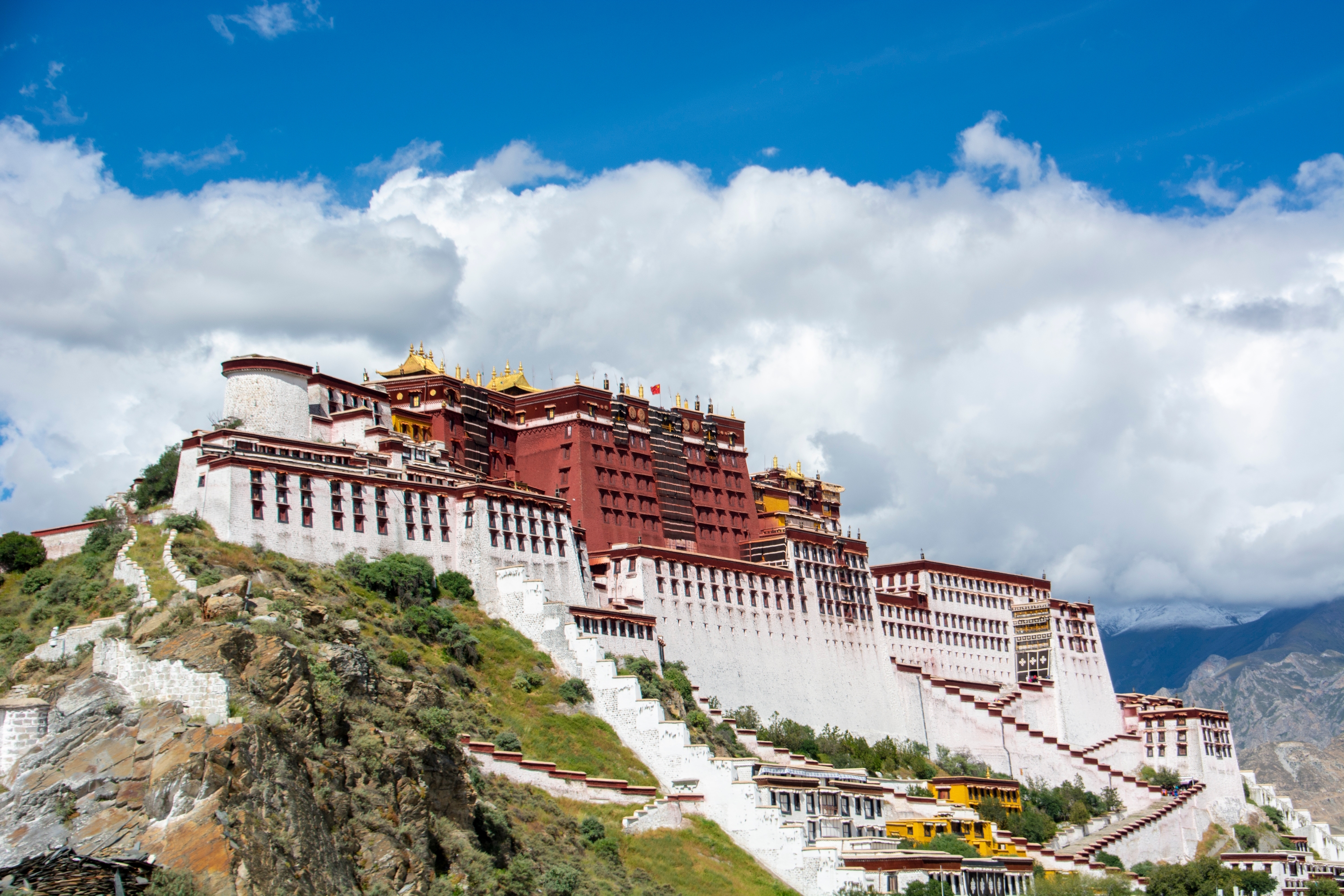
2026 Lhasa Travel Guide: must-see attractions, popular food, hotels, transport & travel experiences (updated in March)
2193 posts
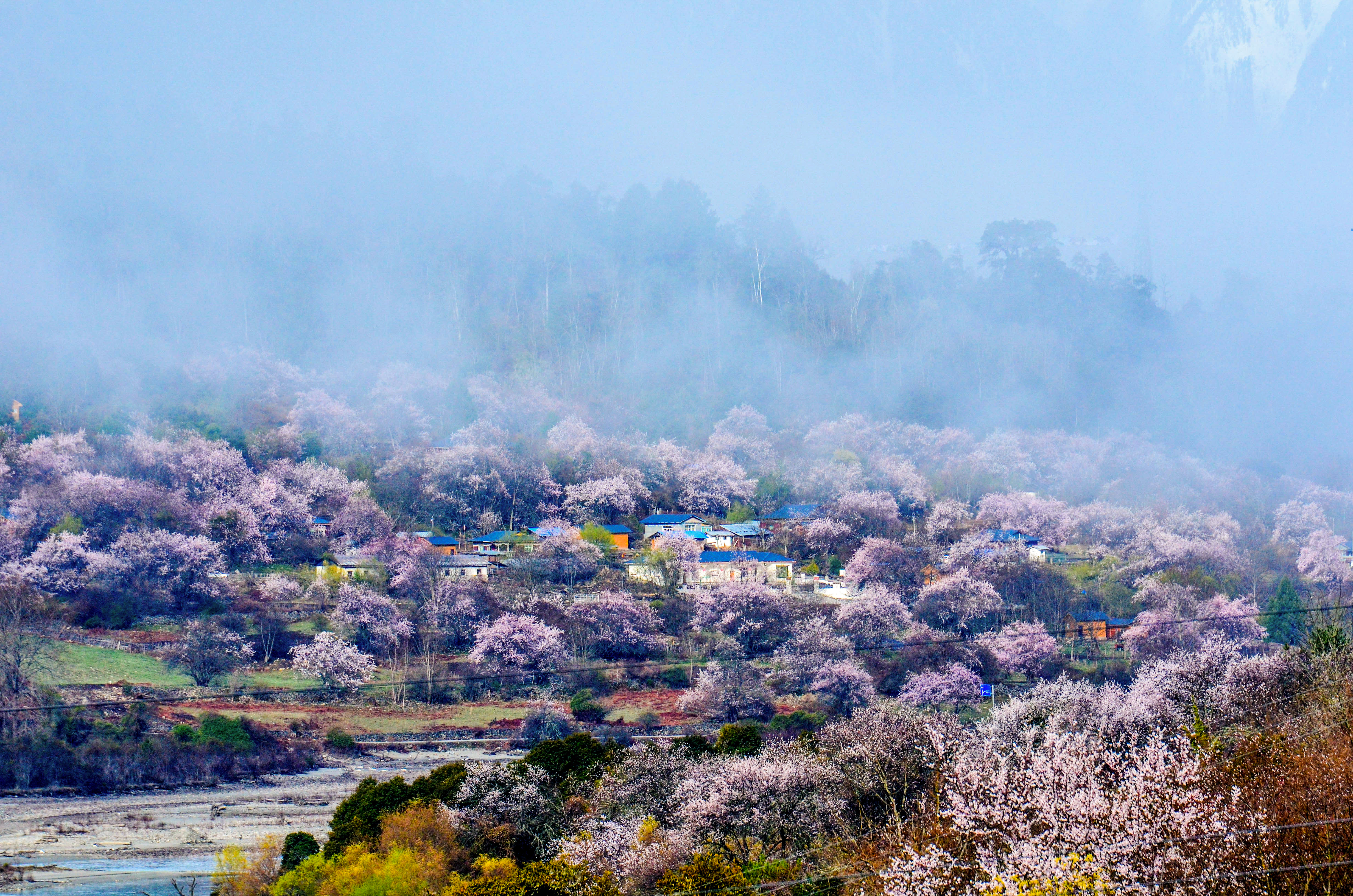
2026 Nyingchi Travel Guide: must-see attractions, popular food, hotels, transport & travel experiences (updated in March)
1160 posts
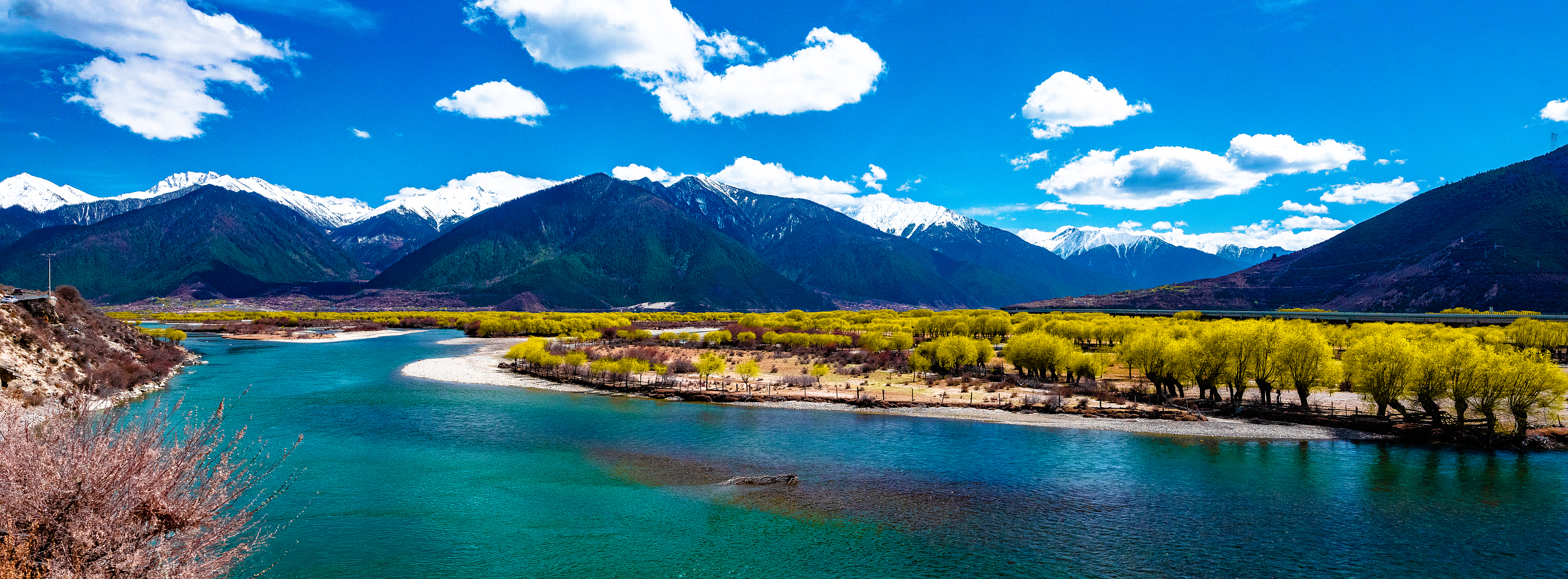
2026 Gongga Travel Guide: must-see attractions, popular food, hotels, transport & travel experiences (updated in March)
511 posts
- 1
- 2
- 3
Post
More recommendations
Popular Trip Moments
No need to consider Namtso, let's stick to the north shore! | Winter must-visit places like Shannan—this guide really gets me! | Hidden Gem of Northern Tibet | Nanny-Level Travel Guide for Suo County, an Underrated Pearl on National Highway 317 | Heartbreakingly beautiful Saint Elephant Gate leaves you speechless! The hardships of Nagqu and the ups and downs of Ngari were worth it! | Tanggula Mountain Travel Guide Location: Qinghai - Tanggula Mountain Pass Best Season: June to September (Summer Cool / Photography | Short holiday rush to Shannan and other places for the divine autumn season, miss it and wait a year | Unlock a 2-Day Tour of Shannan During the Short Holiday | The guide for rushing to Lhasa and other places during the short holiday is so timely! | Don't miss this amazing trip to Shannan and other places during the short holiday—so beautiful it's beyond words, who understands? | Lhasa-Nagqu 3-Day Tour | A Lazy Person’s Blessing and a Complete Itinerary Guide | Bamu Co: The Shifting Sapphire of Northern Tibet 🏔️🌊 | Namtso's Stunning Lake and Mountain Scenery | Stunning Sacred Mountain in Tibet! Encounter Glaciers and Romance with Your Bestie | Glacier and Snow Mountain Secret Realm! A Treasure More Stunning Than Iceland | Selincuo charges are quite reasonable | Namtso: When the Soul Meets the Heavenly Lake | More Stunning Than Iceland: I Found a Perfect Triangular Snow Mountain in Tibet | Ili in April|Half the mountain covered in blossoms, half in snow—this is true top-tier romance! | The viewpoint location of Dangqiongcuo is naturally excellent | Tibet's Ultimate Secret Realm! The Pyramid-like King Peak Shocked Me | Forget Lake Baikal! Winter Namtso is the true blue ice secret paradise of heaven | Polar Naqu · Journey to the Horizon|Meet the Deepest Self in Tibet | Stay overnight at Wenbu Nan Village on the north shore of Dangreyongcuo | Tibet Dzongyab Gateway Guide | Two viewpoints of Dangreyongcuo, one of which is quite hidden! | Tibet: Namtso Sacred Elephant Heavenly Gate Scenic Area | Tibet Ali: Siling Lake | Come to Nyingchi to see the peach blossoms in March! | Tibet Ngari: Dangqungcuo | Tibet Ali: Qiagui Cuo
Popular Restaurants in Nagqu
川味一品香饭店 | Jiayuguanyiliasi Barbecue | PIN SHANG PIN GA FEI | 那曲饭店·餐厅 | 甜城小吃 | 南充米粉(恰青路店) | 那曲市·尼玛县川菜味当家酒楼(文育路店) | 双湖幺妹川菜馆(色卓路店) | 七椒渔府(文化中路店) | 星际星空酒店·餐厅 | 沪晨苏面坊·苏式奥灶面(瞿溪五店) | 一品香饭店(班戈店) | 川威羊肉汤 | 崃山饭店(绍兴北路店) | 杨宇川渝家常菜(班戈店) | 肯德基(那曲大厦店) | 蜀湘园(安多店) | 自贡一品鲜锅王 | 香皖吴记饭馆(比如店) | 金大碗牛肉面(成那线店) | 板栗养生鸡 | 青红造了个白麻辣烫(恰青路店) | 木炭火手撕烤鸭 | 麻哥快餐 | 湘之味美食(安多店) | 咔客烘焙坊 | 牛味家常菜 | 金城面包新语 | 粥王府(恰青路店) | 赵氏手搓面(班戈店)
Popular Ranked Lists
Top 20 Best Things to Do in Reykjavik | Top 10 Premium Hotels in Jiangyin | Top 10 Premium Hotels in Enshi Prefecture | Popular Premium Hotels in Longyan | Top 50 Must-Visit Restaurants in Las Vegas | Top 10 Premium Hotels in Zhenjiang | Top 20 Best Things to Do in Aksu Prefecture | Popular Luxury Hotels in Xi'an | Popular Best Things to Do in Suifenhe | Popular Best Things to Do in Haining | Top 50 Must-Visit Restaurants in Wuxi | Top 50 Must-Visit Restaurants in Guam | Popular Best Things to Do in Sheyang | Top 50 Must-Visit Restaurants in Jinan | Popular Premium Hotels in Panjin | Popular Premium Hotels in Yuxi | Popular Best Things to Do in Yuyao | Top 50 Must-Visit Restaurants in Brisbane | Top 50 Must-Visit Restaurants in Phnom Penh | Top 50 Best Things to Do in Macau | Top 50 Must-Visit Restaurants in Kaifeng | Top 20 Premium Hotels in Lishui | Popular Best Things to Do in Tongdao | Popular Best Things to Do in Changji Prefecture | Popular Premium Hotels in Yichun | Top 20 Premium Hotels in Huizhou | Top 20 Must-Visit Restaurants in Siem Reap | Top 10 Premium Hotels in Nanchong | Top 50 Must-Visit Restaurants in Da Nang | Top 10 Best Things to Do in Liangshan Prefecture
About
Payment methods
Our partners
Copyright © 2025 Trip.com Travel Singapore Pte. Ltd. All rights reserved
Site Operator: Trip.com Travel Singapore Pte. Ltd.
Site Operator: Trip.com Travel Singapore Pte. Ltd.