Things to do in Gyantse
Explore top experiences
Top 10 attractions in Gyantse


Karola Glacier
Karuola Glacier is located at the boundary between Nagarze County and Gyangze County in the south of Tibet. It leans on the south slope of Nojin Kangsan Mountain, one of the four largest mountains in Tibet. The top of the glacier is the ice cap with gradual slope, while the bottom is two ice tongues shaped as ice fall. Karuola Glacier is one of the three continental glaciers in Tibet, and it is also an outdoor shooting site, for multiple movies.Gyantse · 54.7 km from downtown

Manla Reservoir
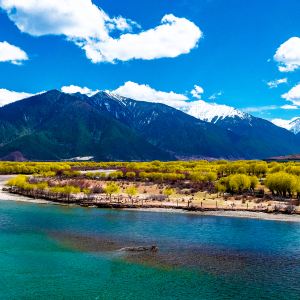
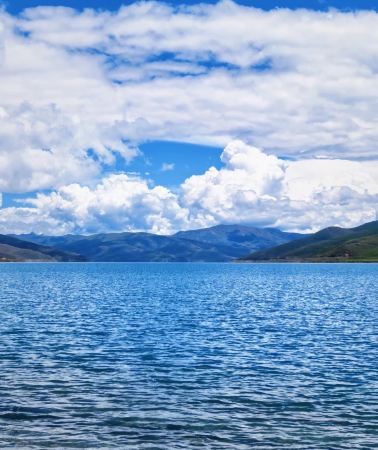
The Manla Reservoir is located in the upper reaches of the Nianchu River in Longma Township, Gyantse County. Although it is an artificial reservoir, the emerald-green lake is particularly beautiful against the distant mountains. You will pass here when you go to Yangzhuo Yongcuo from Gyantse County. There is a small pavilion on the side of the road, where you can look at the scenery of the reservoir from a height, and it is also good to take a break by the way.Gyantse · 24.5 km from downtown

Palkhor Monastery and Kumbum Stupa
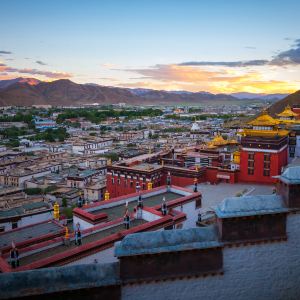
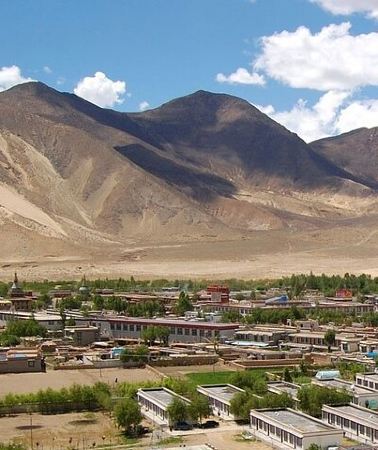
Baiju Temple is located in the county seat of Gyantse County, Tibet. It was built in the early 15th century. It is a temple where the three sects of Sakya, Kadam and Gelug, which are rare in Tibetan Buddhism, coexist. Notable for its value and well-preserved frescoes and statues. There is Baiju Pagoda in the temple. There are more than 100,000 Buddha statues in the pagoda, also known as the 100,000 Buddha Pagoda. Baiju Temple is a typical Tibetan Buddhist temple building. There are pagodas in the temple and temples in the pagodas. The pagodas and temples are natural and complement each other. There are three sects side by side in the temple, each sect has 5-6 Zhacang, and there are 16 Zhacang in the temple, which makes the temple look grand. Walking along the corridor, facing the temple is the main hall of Cuoqin, where the three Buddhas are enshrined, and the Pure Land Hall is on the east and west sides. There is a huge gilt bronze statue of Qiangba Buddha in the northwest corner of the hall, which is 8 meters high and is said to be cast with 14,000 kilograms of brass. The pillars of the hall are covered with colorful Hada and historical thangkas, and the four walls are painted with exquisite Buddhist murals, which feel solemn and sacred. The main hall is divided into three floors. The third floor is the Buddhist hall called Xiaye Lakang. The murals in the hall are quite famous. The contents include mandala, lotus caisson, Buddhist stories, and stories of life. If you are interested, you can take a serious look. . When visiting Baiju Temple, you must not miss the 100,000 Pagoda on the west side of the temple. The pagoda has nine floors and a height of 32 meters. There are 77 Buddhist halls, 108 gates, shrines and scripture halls. The layers are stacked, which is very spectacular. It is a unique treasure in the history of Chinese architecture. There are Buddha statues painted on the walls of each hall. The Buddha statues are rich in color, strong contrast, solemn and exquisite. It is said that there are more than 100,000 Buddha statues, hence the name of the 100,000 Buddha Pagoda. In addition, there are more than a thousand Buddha statues in clay, copper and gold in the pagoda, which can be called a Buddha statue museum. Entering from the tower gate, you can view floor by floor along the stairs, and the ruins can go to the top of the tower. The top is a circular platform overlooking the entire Baiju Temple. In principle, Tibetan Buddhist temples are not allowed to take pictures, but you can take pictures in the 100,000 pagoda, but it costs 10 yuan, which is actually quite cost-effective. For the protection of ancient murals, it is recommended not to turn on the flash when taking pictures.Gyantse · 1.3 km from downtown

Zongshan Anti-British Site - Gyantse Dzong
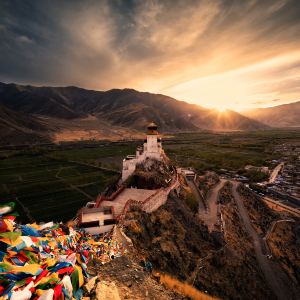
The Zongshan Anti-British Site is located in Gyangze County, China. It is an ancient castle site with important historical significance. Gyangze Zongshan Ancient Castle is not only an important cultural heritage, but also one of the important symbols of the Chinese nation's resistance to foreign invasion. Gyangze Zongshan Ancient Castle is located on a small hill in the center of Gyangze County, about 4,000 meters above sea level. The history of the castle can be traced back to the 14th century. It was a military fortress at that time and had an important strategic position. The fortress was built on the mountain and has a solid structure. It was an important local fortification in successive dynasties. Today, the Zongshan Anti-British Site has become an important base for patriotic education. The remains of the battle of that year are preserved inside and outside the castle. Visitors can see the bullet-riddled walls and bunkers here, and it seems that they can still hear the echoes of the fierce battles of that year. Every year, many tourists and students come here to commemorate the martyrs and receive patriotic education.Gyantse · 471m from downtown

Pala Manor
Pala Manor is the manor of the Pala family, a big Tibetan family, with the full name of Pajuelakang. It is one of the 12 old manors in Tibet, and it is also the old Tibetan lord manor that is relatively well preserved in Tibet. The main building of Pala Manor is three-storey high and quite spectacular. There are 57 existing houses with complete building facilities and elegant decoration. It has a scripture hall, a sun room, a living room (upper reception room), and a bedroom. The interior of the room is magnificent and magnificent. The decoration of the scripture hall is exquisite, and the scriptures and Buddhist shrines are well preserved. In addition, there are wineries, mills, serfs stoves, etc. in the Pala Manor. There are leather whips, shackles, standing cages, cowhide tubes and other torture instruments on display in the corridor, and even old prisons are preserved. All this vividly reproduces the luxurious life of the serf owners and the exploitation of the serfs.Gyantse · 3.2 km from downtown

Gyantse Ancient City
Gyantse · 560m from downtown

Gajizhuorong Shengtai Lvyou Tiyan Base
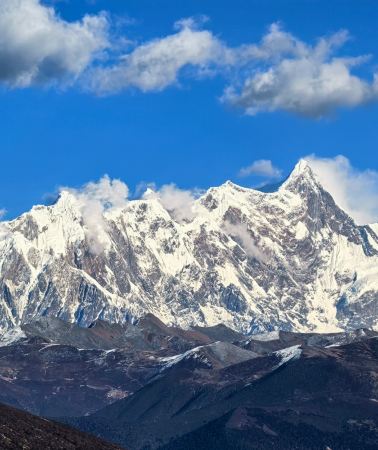
Naiqin Kangsang Snow Mountain is one of the four sacred mountains in Tibet. It is located at the junction of Langkazi County and Gyantse County in Tibet. The altitude is 7191 meters. , compaction, forming an ice layer up to 20-100 meters thick, the ice layer is affected by its own gravity, slowly moving and developing into multiple glaciers. The Karola Glacier is located under the Naiqin Kangsang Snow Mountain, just beside the road. The snow-white glacier hangs on the mountain wall like a pair of giant thangkas, shining under the sunlight. The meltwater of the Karola Glacier is the eastern source of the Nianchu River, an important tributary of the upper Yajiang River.Gyantse · 49.8 km from downtown

Potala Palace
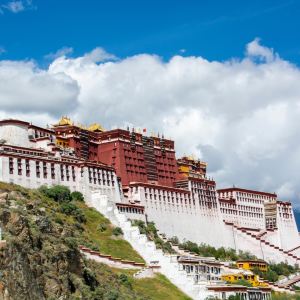
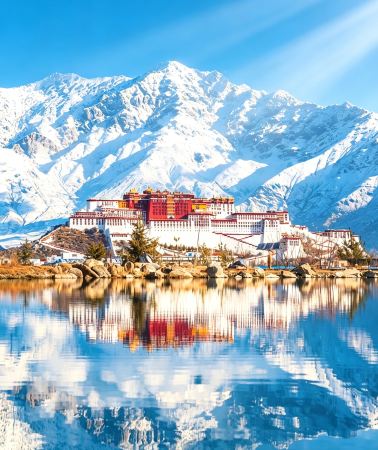
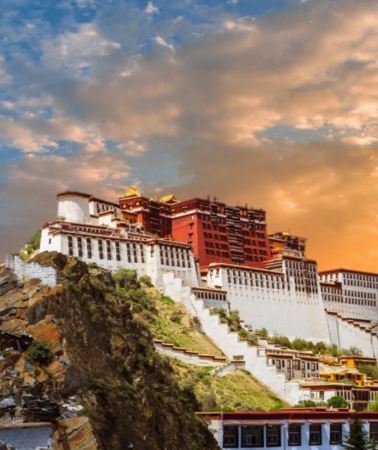
The Potala Palace is the symbol of Xizang and a sacred place in the hearts of all pilgrims! "Potala" is a Sanskrit word, also translated as "Putuo", which originally refers to the residence of Guanyin Bodhisattva. When you come here, you can not only view the large number of historical relics collected in the palace, appreciate the wonderful architectural art of the Tibetan people, but also have a baptism of the soul in that holy atmosphere. The origin of the Potala Palace According to historical records: In the 1930s of the seventh century AD, the 33rd Tibetan King Songtsen Gampo moved the capital to Lhasa and began to build the Potala Palace. Since then, major religious and political ceremonies have been held here, and it has become the ruling center of Xizang integration of politics and religion. The White Palace and the Red Palace The Potala Palace has a distinct Tibetan style and is majestic. It is the existing complete palace-style building complex in Xizang and is known as one of the world's top ten earth buildings. Its main buildings are divided into two parts: the White Palace and the Red Palace. The White Palace is named after its white exterior wall. It is the place where the lamas live and conduct political activities. Because the sun shines all day long, it is called the East and West Sunlight Palaces. The Red Palace is located at the top center of the Potala Palace. Its outer wall is red and it consists of many stupas and various Buddhist temples. Historical relics The Potala Palace houses and preserves a large number of historical relics, including stupas, statues, murals, thangkas, scriptures and books, as well as gold books, jade books, gold seals granted by the emperors of the Ming and Qing dynasties, which show the historical relationship between the Xizang local government and the central government, as well as gold and silver wares, jade wares, porcelain, enamel and handicrafts. Among them, the eight stupas from the fifth generation are eye-catching. They are all magnificent and decorated with a dazzling array of gems, which can be called a palace of art.China · Lhasa

Namtso National Park
Namtso National Park is located between Damxung County of Lhasa and Baingoin County of Nagqu, situated on the Qinghai-Tibet Plateau known as the "roof of the world." The attraction includes Namtso, the main peak of Nyenchen Tanglha, bird islands on the lake, rock carvings, Yangbajing, and other attractions. The core attraction of the park, Namtso, is one of the three holy lakes and also one of the world's highest-altitude saltwater lakes. Under sunlight, Namtso's lake surface appears sapphire blue, resembling jade fallen from the sky, earning it the title "heavenly lake" and making it a renowned site in Tibetan Buddhism. The lake contains three larger islands, which are rarely disturbed by the outside world and host diverse bird populations, hence called bird islands. To the south of Namtso lies the perpetually snow-capped Nyenchen Tanglha Mountains, while its northern and western sides feature plateau hills and expansive lakeshores. In the folk songs and legends of local herders and hunters, Nyenchen Tanglha and Namtso are not only striking sacred mountains and lakes but also inseparable lovers and spouses. Nyenchen Tanglha appears more majestic against the backdrop of Namtso, while Namtso becomes even more enchanting with the reflection of Nyenchen Tanglha.China · Damxung

Namtso
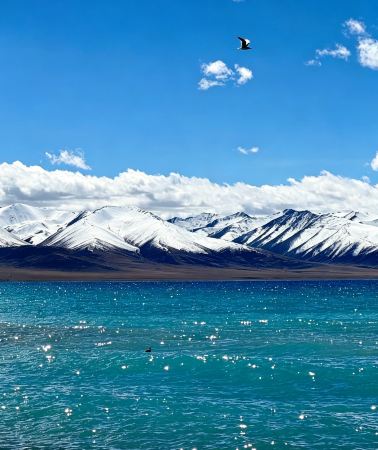
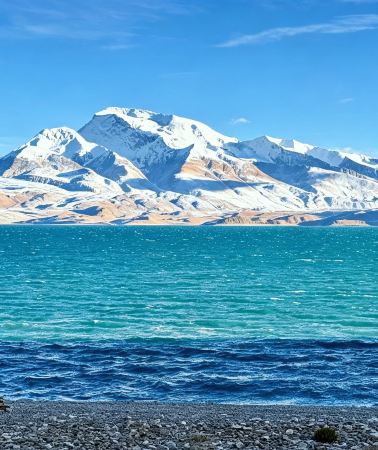
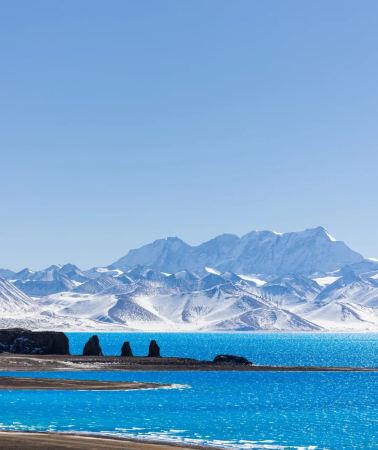
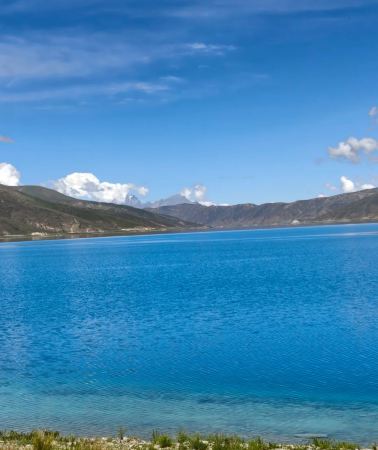
Namtso is located on the northern Xizang plateau north of Lhasa. "Namtso" means "heavenly lake" in Tibetan and is called "Tengri Sea" in Mongolian, both sharing the same meaning. Along with Yamdrok Yumtso and Mapam Yumtso, it is known as one of the three holy lakes of Xizang. With a surface elevation of over 4700 m, it stretches more than 70 km from east to west and covers nearly 2000 km², making it the second largest saltwater lake in Xizang. Its southern shore is backed by the continuous Nyenchen Tanglha snow-capped mountains, whose peaks reflect clearly in the sapphire-blue lake water on calm sunny days. According to local legends, these mountains and Namtso have been companions for millennia, adding a touch of tenderness to the landscape. Lake tour Namtso means "Tengri Sea" in Mongolian and is said to be the sacred site of the Buddhist deity Chakrasamvara, making it a renowned pilgrimage destination in Tibetan Buddhism. During the Year of the Sheep, it is believed that buddhas, bodhisattvas, and protector deities gather at Namtso to hold grand religious ceremonies. If devotees circle the lake and chant scriptures once during this time, it is considered more meritorious than doing so 100,000 times in ordinary years, bringing immeasurable blessings. Thus, during the Year of the Sheep, monastic and lay devotees undertake long journeys to circumambulate the lake. Many pilgrims visit Namtso during the Saga Dawa festival on the 15th day of the fourth month in the Tibetan calendar. 1-day tour Many travel agencies in Lhasa offer 1-day tour packages to Namtso. The typical itinerary involves departing in the morning, arriving after 3-4 hours, spending 2-3 hours exploring, and then returning the same way. If you don't want a private charter, this is the only option available and also the conventional way to visit Namtso. For those who prefer to avoid the crowds, you can arrange a private charter or find a shared transfer in Lhasa city. While the route remains the same, the advantage is greater itinerary flexibility, along with the option to stay overnight by the lakeshore. Leaving Damxung County and crossing the Nagen La Pass at an elevation of 5190 m, one can glimpse the vast sapphire-blue waters in the distance. By the lakeside stand two towering boulders side by side, known as the welcoming stones of Namtso or the husband-and-wife stones. Legend has it they are the gatekeepers of Namtso. It is said they represent the goddess who governs the wealth of northern Xizang's grasslands. Merchants would pray here for her blessing before business trips to ensure prosperity, hence these stones are also called the wealth deity stones. A number of prefabricated houses have been built near Tashi Peninsula, including restaurants and inns. This is where Namtso offers food and stay by the lake. If you come to Namtso by private charter, you can spend a night here. You can enjoy the beautiful sunset at dusk, wake up early to greet the sunrise on Tashi Peninsula, or gaze at the sky by Namtso's lake at midnight, where you can even discern the outline of the Milky Way. The lake area features high altitude, strong winds, and intense UV radiation. Even in midsummer, temperatures can drop to around 10°C in the morning and evening, so packing a thick coat, sunglasses, and sunscreen is advisable. Slow down when moving through mountain passes or along the lakeshore to allow your body time to adjust. Please show respect when observing pilgrims circling the lake or photographing mani stones and prayer flags, and avoid stepping on the mani piles. Most travelers make a round-trip from Lhasa in a single day, but we recommend setting aside a full day and bringing your own snacks and hot water. From June to September, the lakeside grasslands are lush with vegetation and wildflowers, offering exceptionally rich scenery. In winter, the frozen lake and vast landscape create a unique atmosphere, but pay close attention to weather conditions and your physical state before traveling.China · Damxung
Free things to do in Gyantse
Karola Glacier
Gyantse · 54.7 km from downtownManla Reservoir
Gyantse · 24.5 km from downtownZongshan Anti-British Site - Gyantse Dzong
Gyantse · 471m from downtownPotala Palace
China · LhasaNamtso National Park
China · DamxungNamtso
China · DamxungImmediate access, Book now for today, Cancel anytime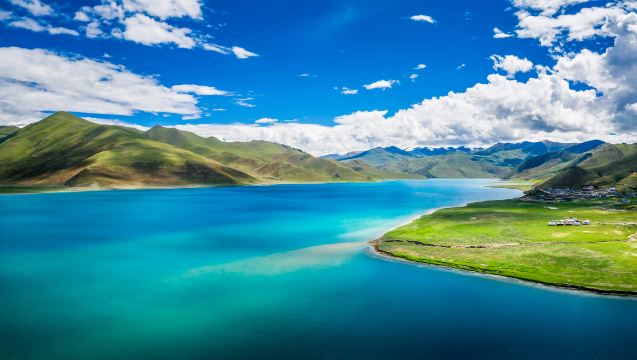
Yamdrok Yumtso
China · Nagarze County
Barkhor Street
China · Lhasa
Nam Co Sheng Xiang Tian Men
China · Baingoin
Mt.Qomolangma National Park
China · Tingri
More ways to travel from Gyantse
Private Tours in Gyantse
View More Private Tours in Gyantse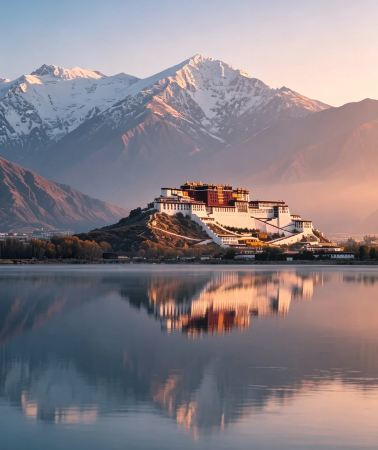


Group Tours in Gyantse
View More Group Tours in Gyantse

What travellers say about Gyantse

大 牛September 1, 2025
5.0
The foot of the glacier is 5,020 meters high, so climbing it really requires careful consideration. When the guide asked if we could rent oxygen tanks, I quickly raised my hand. Step by step, even with oxygen, it was difficult to climb. I felt exhausted. Then, a small lake appeared. Some people circled the lake and continued to ascend, so I gave up decisively.
The movie "Red River Valley" was filmed here, making the Karola Glacier quite famous. Many travelers come here to admire the magnificent glacier and marvel at the charm of nature.
Karola Glacier

Michelle Okano AnzanelloSeptember 26, 2023
5.0
In this reservoir on the way to Shigatse, when the sun hits the water the color changes and it looks magical, it's so beautiful.
Manla Reservoir

二胖儿四进藏April 2, 2022
5.0
The scenery is charming, the fun is average, and the cost-effectiveness is very high. This road is a famous ancient castle that fought against the British invaders. Although it was finally defeated by modern weapons and equipment, it deeply reflects the blood integration of Tibetan compatriots and our Chinese nation. Great China, the world looks here.
Palkhor Monastery and Kumbum Stupa

wxx1026June 21, 2023
4.0
On a light afternoon, our chartered driver took us to visit Yanghu Lake and then headed to Shigatse, passing by the Jiangzi Zongshan Castle on the way. The driver found a best angle for us to take pictures of the castle, took pictures from a distance and left without going in to visit.
Zongshan Anti-British Site - Gyantse Dzong

格格巴May 16, 2021
4.0
The Pala Manor in Gyangze has a history of more than 400 years, with 57 existing houses and an area of 5,357.5 square meters. This is an ancient and luxurious manor. The first thing you see when you enter the door is a winding path leading to the third-floor building, which has a reception room, living room, scripture hall, bedroom, and exhibition hall, and even rooms for weaving, brewing, and raising horses, which shows the luxury and domineering lifestyle of the manor at that time.
Pala Manor

驴喵行December 19, 2019
5.0
Gyantse was once one of the four major cities in Tibet, and is now also a geographically significant city on the road.
The famous Zongshan Ancient Castle is located here, and you can see it when you enter Gyantse County. It is very spectacular.
Gyantse Ancient City

🐮普拉斯August 3, 2022
5.0
Naiqin Kangsang Snow Mountain is one of the four sacred mountains in Tibet. It is 7,191 meters above sea level. Snow falls on the top of the mountain all year round. After years of accumulation and compaction, many glaciers have been formed. The most famous of them is the Karola Glacier.
Gajizhuorong Shengtai Lvyou Tiyan Base

M29***03September 30, 2026
5.0
Our tour guide, Mr. Cheng, was very handsome, gave a very detailed explanation, and had excellent service. If you have the chance, you must experience the charm of the Potala Palace. Highly recommended! 👍👍👍
Potala Palace

M22***09October 16, 2025
5.0
You can't drive in, you can only take the scenic area's sightseeing bus. This is necessary to protect the ecological environment, so support it!
The lake is huge, with varying shades of blue from shallow to deep. There are many birds around the lake, and it's truly beautiful. A must-see when you're in Lhasa.
Namtso National Park

Anonymous userOctober 9, 2026
5.0
Absolutely beautiful.
The shuttle bus ride takes over half an hour and is quite large.
There's so much trash on the mountain!!! It's not the scenic area's fault. People can bring oxygen cylinders up, so why can't they bring empty ones down?!
Namtso