- Tokyo is home to numerous heavyweight museums and art galleries, making it an ideal destination to explore ancient oriental artifacts, western art, and Japanese native art. The museum tours in Tokyo offer Chinese guide services, perfect for travelers who love history and art to delve deeper beyond conventional sightseeing, appreciating the stories behind the relics in the exhibition halls
- Tokyo National Museum, located within Ueno Park, is a large-scale national museum with a long history in Japan. The museum complex is divided into several exhibition halls, including the main hall, the Asian gallery, the Heisei gallery, and the Horyuji treasures gallery. The main hall primarily features Japanese artifacts, comprehensively presenting the country's thousand-year development through items ranging from Jomon-era pottery, ancient swords, and Buddhist statues to Edo-period ukiyo-e prints and kimono accessories. The Asian gallery houses a vast collection of ancient artifacts from China, the Korean Peninsula, and Southeast Asia, with Chinese bronze ware, stone carvings, calligraphy, paintings, and porcelain being particularly remarkable. An on-site guide will explain the origins of the exhibits, compare ancient cultural exchanges between China and Japan, and interpret the artistic features of Buddhist statues, swords, and ukiyo-e, helping visitors move beyond superficial viewing to understand the cultural interactions behind the exhibits. The tranquil and rustic courtyard outside the museum offers a peaceful space for strolling or resting after the visit.
- The National Museum of Western Art, whose building was designed with the participation of Le Corbusier, is itself a work of art. The museum primarily collects Western oil paintings and sculptures, featuring both masterpieces by European artists after the Renaissance and modern French Impressionist paintings. Its collection is represented by French artworks, with Rodin sculptures being a highlight. The Chinese guide will help clarify the evolution of modern Western art movements and explain the creative background of sculptures and oil paintings, making it ideal for art enthusiasts to appreciate in detail.
- In addition to the two national venues, other art museums in Tokyo can be chosen as extended itineraries. You can opt for the Tokyo Metropolitan Art Museum near Ueno, which hosts major special exhibitions periodically; or visit the Mori Art Museum in Roppongi to enjoy contemporary art while overlooking the city view of Tokyo; or explore the Nezu Museum to admire Japanese gardens and ancient oriental arts and crafts in the urban setting. Travelers can freely adjust the venues to visit based on personal preferences.
- The entire museum itinerary provides Chinese guide service only, excluding transportation. Travelers commute between venues on their own, accompanied by an on-site guide who provides commentary according to the venue's opening schedule. The itinerary does not follow a rigid route, allowing priority for ancient history, Western art, or modern art based on travelers' interests. Inside exhibition halls, instead of relying on impersonal audio guides, the Chinese guide can answer questions in real time, contextualize historical backgrounds, and interpret artifact details.
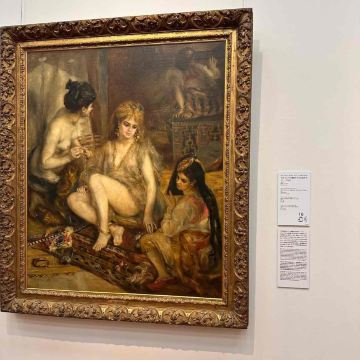

- Classical figure oil paintings displayed in the art gallery hall, with ornate carved golden frames, depicting an oriental-style scene of multiple women indoors
- An oil painting with ornate gilded frame displayed in gallery, depicting several ladies in exotic‑style interior scene
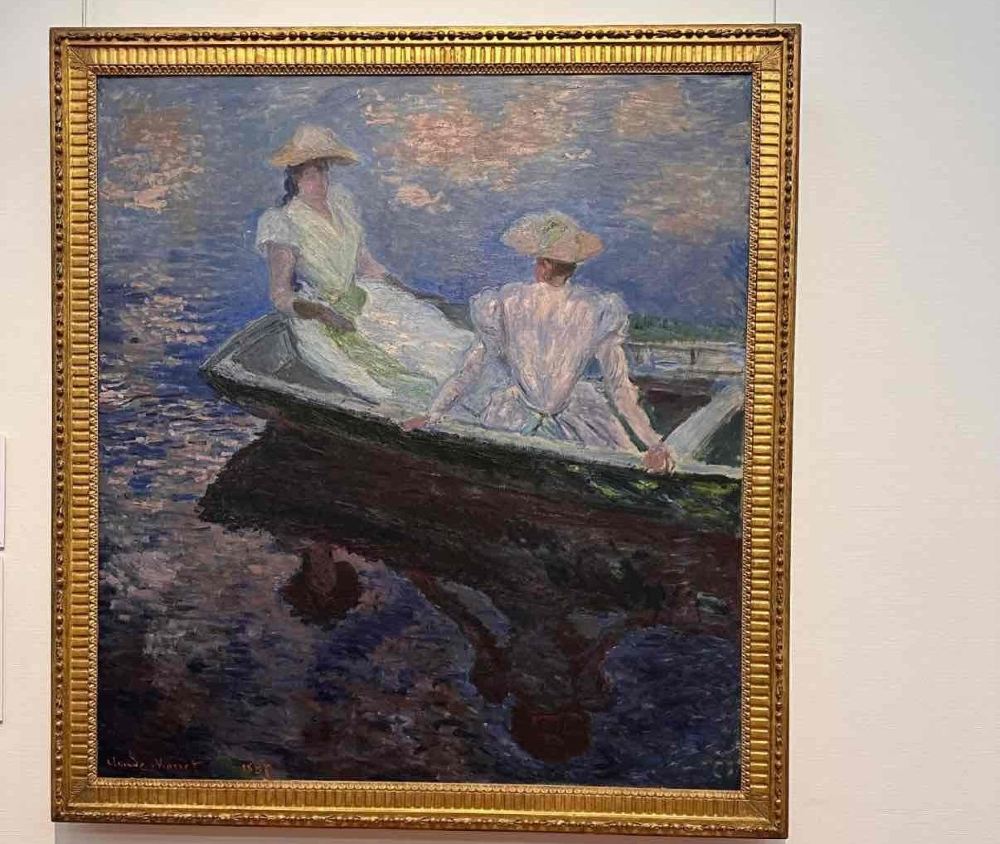
- The exhibition hall displays Monet's impressionist paintings, with narrow golden frames, depicting two women in white boating on a lake, with hazy light and shadow reflections on the water surface
- Monet's impressionist work in golden frame. Two ladies in white ride a boat with soft reflections on rippling water
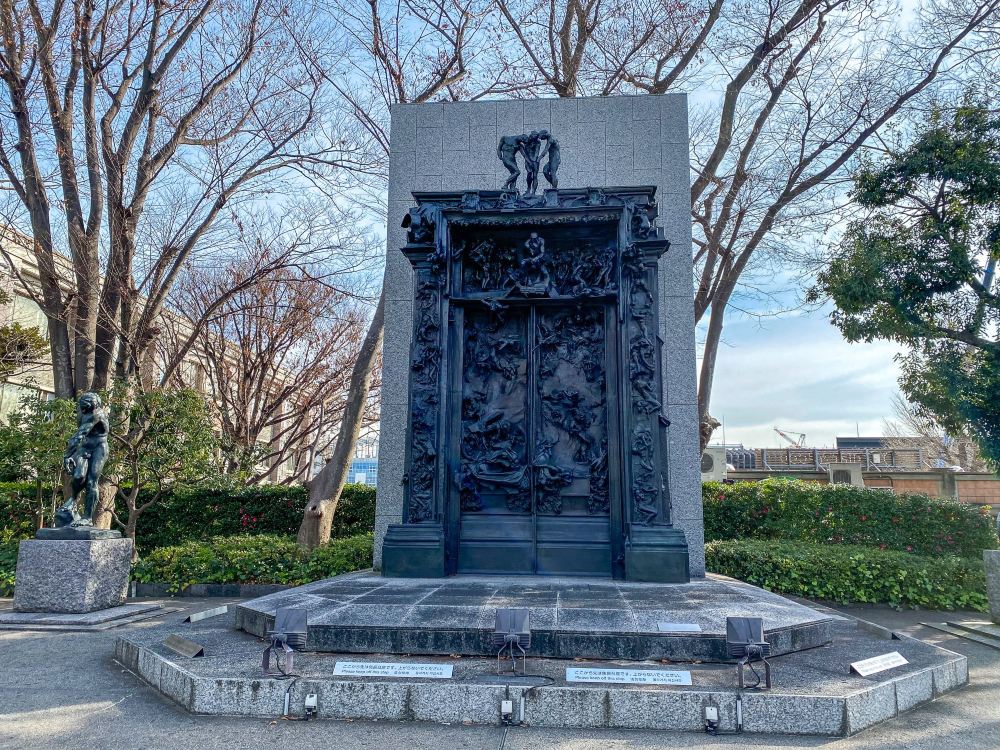
- Outdoor display of Rodin's bronze masterpiece *The Gates of Hell*, intricate relief carvings, surrounded by other bronze statues and garden plants.
- Outdoor display of Rodin's bronze *The Gates of Hell*, rich relief carvings, surrounded by bronze statues and garden plants.
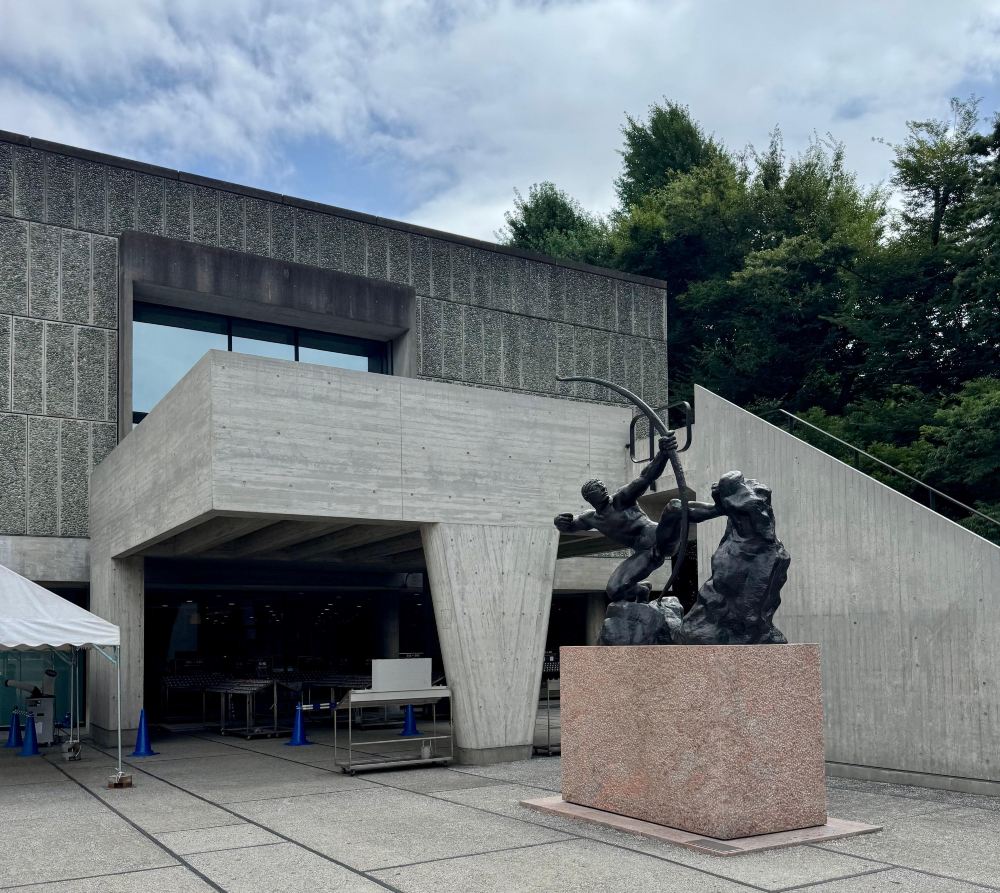
- On the plaza outside the art museum stands a sculpture of a bronze warrior straining to draw his bow, mounted on a stone pedestal, with a rugged exposed concrete building in the background
- Bronze statue of an archer on stone plinth outside museum, set against raw exposed‑concrete building facade.
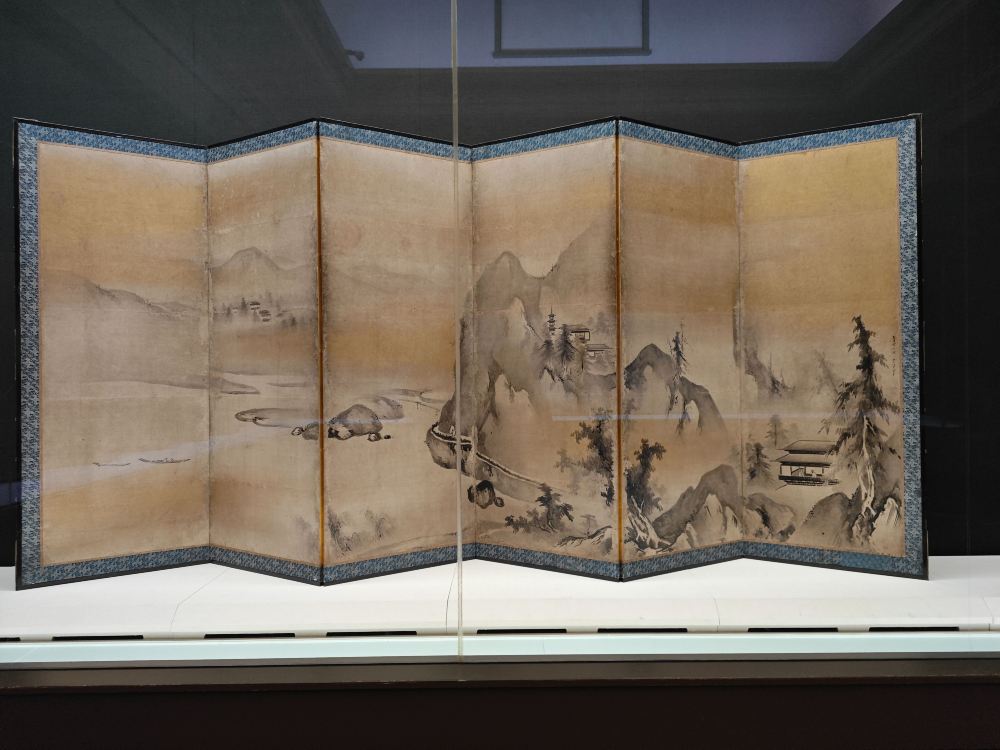
- The display case showcases an ancient Japanese six-panel landscape screen, with ink paintings of distant mountains, rivers, lakes, and pavilions on a golden background, embodying an elegant and serene landscape aesthetic.
- Old Japanese six-panel folding screen under showcase. Ink landscape with mountains, waters and buildings on golden background.
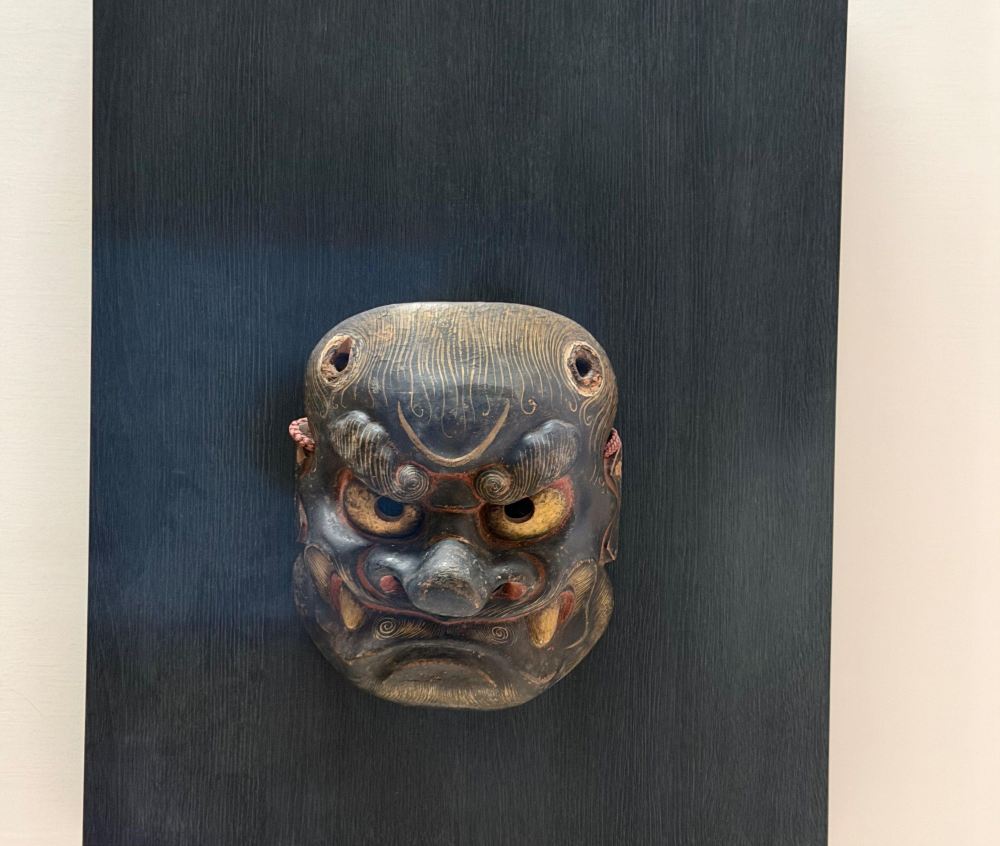
- A collection of ancient wooden Noh masks of deities and demons, with a deep base color, gold-traced colorful patterns, and a majestic, fierce expression, mounted on a dark display board
- Antique wooden Japanese Noh demon mask with gilded painting. Fierce solemn expression mounted on dark display board.
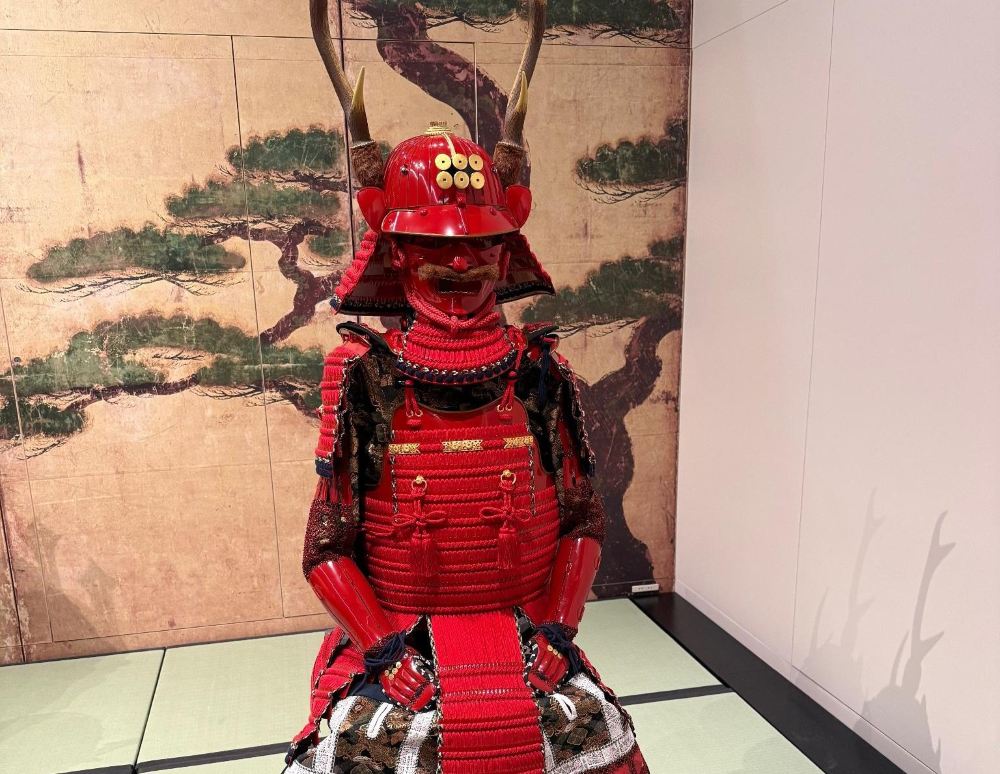
- Bright red Japanese samurai armor on display in the exhibition hall. The helmet is adorned with towering antler decorations, with a vintage pine-tree themed painted folding screen behind it.
- Bright red Japanese samurai armour on exhibition. Helmet decorated with antlers behind a vintage pine‑tree painted folding screen.
HomeTokyoTravel servicesTokyo National/National Museum of Western Art guided tour (Chinese guided tour + in-depth explanation + live guide)


View all 13 photos
Tokyo National/National Museum of Western Art guided tour (Chinese guided tour + in-depth explanation + live guide)
From
€0.00
Sold out
Highlights
Tokyo National Museum is an ancient museum in Japan, housing hundreds of thousands of artifacts that comprehensively cover Japan's thousand-year historical relics
The Eastern Antiquities gallery houses a vast collection of ancient Chinese porcelain, bronzeware, and paintings, clearly showcasing the historical and cultural exchanges between China and Japan.
The National Museum of Western Art gathers masterpieces by European and American artists and Rodin sculptures, offering a comprehensive view of the evolution of Western classical art movements

Product details
Show less
How to use
Must be booked by 10:00, 1 day before the visit.
Please provide your full name+mobile number provided at booking at the designated meeting point on the day of your trip.
Change & cancellation policies
If a cancellation request is submitted before 00:00, 3 day(s) prior to the date of use, no cancellation fee will be charged.
If a cancellation request is submitted after 00:00 3 day(s) before the date of use, a fee of 100% will be charged.
If a discount is applied, the cancellation fee will be calculated based on the original price before the discount and will not exceed the amount paid.
Partial refund is not available.
Important note
Reminders
After booking, a staff member will contact you on the day before your trip. Please keep your phone accessible.
Meeting info: Tokyo National Museum Toyokan 1F lounge/National Museum of Western Art main entrance
One booking per person. Please book according to the number of travelers. Group size: up to 12 people
This itinerary involves walking tours. Please wear comfortable shoes and clothes.
Photography is prohibited in some exhibition halls. Please follow the staff's guidance.
Large luggage is not allowed inside the museum. Coin-operated lockers are available at the entrance for temporary storage.
If there is a special exhibition, the admission ticket may require an additional purchase, and the on-site guide will explain in advance
After the itinerary is completed, you can freely visit surrounding attractions or take a walk in the park.
The meeting info is for reference only. The exact meeting info will be reconfirmed one day before departure. Please check your messages.
As our tour operates on a group basis. Please arrive at the meeting point 10 minutes in advance.
You may also like
Tourist pass
Tokyo Metro 24/48/72-hour travel pass [Physical ticket/e-ticket/Skyliner Tokyo Airport Express/Tokyo Limousine Bus discount package available]
4.8/5
(5.6k reviews) | 119.9k bookedDeparts from Tokyo
5% off
EUR 5.73
FromEUR 5.44
Rail passes
Skyliner Keisei railway ticket (Tokyo airport express: Narita International Airport-Ueno/Nippori) [optional+Tokyo subway discount package]
4.9/5
(6.3k reviews) | 211.5k bookedDeparts from Narita and other locations
10% off
EUR 13.24
FromEUR 11.91
Shuttle bus
Official Ticket: Tokyo Limousine Bus|Available from Narita Airport/Haneda Airport/various city stations
4.8/5
(671 reviews) | 19.8k bookedDuration: 4 hrs
Departs from Tokyo
FromEUR 5.73
Train tickets
[Official Ticket] JR Tokyo Wide Area Pass 3-Day (Electronic Redemption Voucher)
4.9/5
(84 reviews) | 2.7k bookedDuration: 3 days
Departs from Tokyo
FromEUR 91.67

Airport express
Official ticket for Tokyo limousine bus from Narita airport to various city stations
4.9/5
(612 reviews) | 6.6k bookedDeparts from Tokyo
FromEUR 13.18
Tourist pass
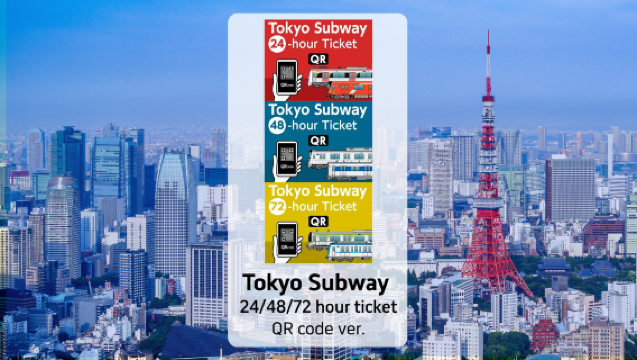
Tokyo subway 24/48/72-hour QR e-ticket | Access to Ginza, Shinjuku, Shibuya, Omotesando, Toranomon and other areas
4.3/5
(83 reviews) | 3.3k bookedDeparts from Tokyo
FromEUR 5.45
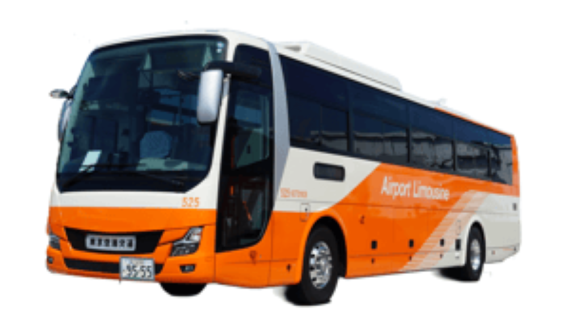
Airport express
Tokyo limousine bus [from Haneda Airport to various stops in the city]
4.8/5
(64 reviews) | 1.8k bookedDeparts from Tokyo
FromEUR 5.73
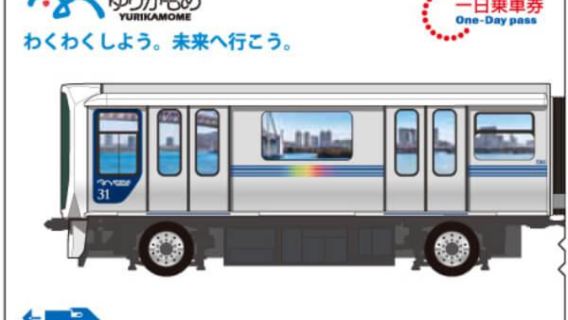
Tourist pass
[Official Ticket] [Yuri Seagull Enjoy Pass] Yurikamome One-day/24-hour Pass
4.6/5
(17 reviews) | 677 bookedDeparts from Tokyo
FromEUR 4.70
Tourist pass
Kanto Region Rail Pass|Greater Tokyo Pass
4.2/5
(27 reviews) | 414 bookedDuration: 5 days
Departs from Tokyo
FromEUR 37.24

Tourist pass
teamLab Planets TOKYO DMM Interactive Museum Admission Ticket + Tokyo Subway 24-hour Pass Combo Deal
5.0/5
(8 reviews) | 346 bookedDeparts from Tokyo
FromEUR 28.42
FAQ
Popular Travel services in Tokyo
Skyliner Keisei railway ticket (Tokyo airport express: Narita International Airport-Ueno/Nippori) [optional+Tokyo subway discount package],Tokyo Metro 24/48/72-hour travel pass [Physical ticket/e-ticket/Skyliner Tokyo Airport Express/Tokyo Limousine Bus discount package available],Official Ticket: Tokyo Limousine Bus|Available from Narita Airport/Haneda Airport/various city stations,More
Can I change or cancel my booking?
Please confirm the details on the product details page, as cancellation and change policies depend on the specific product
How can I get discounts?
We suggest keeping an eye on price changes, as prices can vary between working days and weekends as well as during peak and off-peak seasons. We also recommend using Trip Coins and Trip discounts for your purchases. For the latest discounts, visit Trip.com.
Trip.com picks
Popular Destinations
Things to do in ShanghaiThings to do in BeijingThings to do in Hong KongThings to do in OsakaThings to do in ZhangjiajieThings to do in SingaporeThings to do in ChongqingThings to do in TokyoThings to do in GuangzhouThings to do in Xi'anThings to do in ChinaThings to do in JapanThings to do in ThailandThings to do in VietnamThings to do in South Korea