


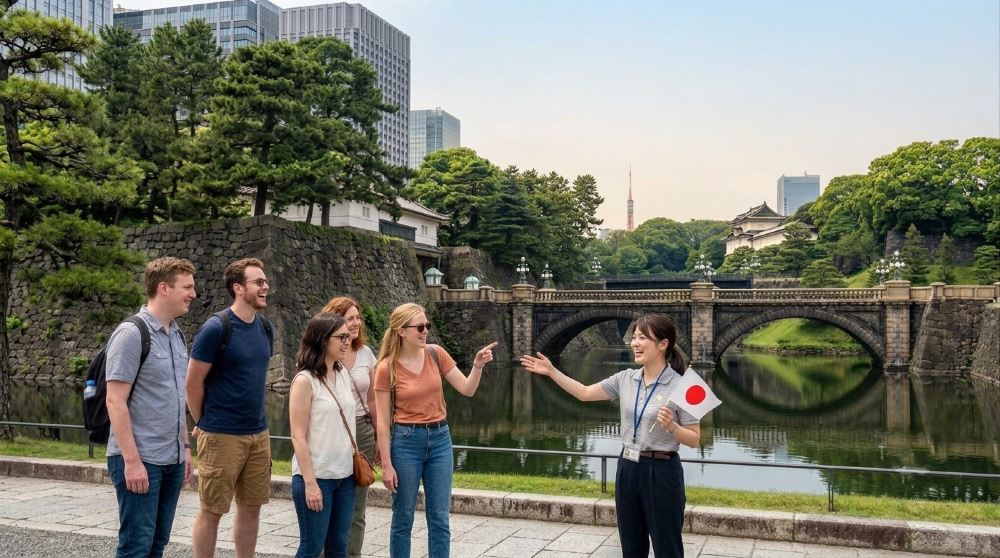
▲ Many visitors to the imperial palace only notice its abundance of trees, expansive lawns, and picturesque moat. But after today's full guide, you'll understand: every stretch of stone wall, each bridge, every ruin, and all the gardens were not randomly constructed—they are tangible evidence of Japan's millennia-old power struggles.
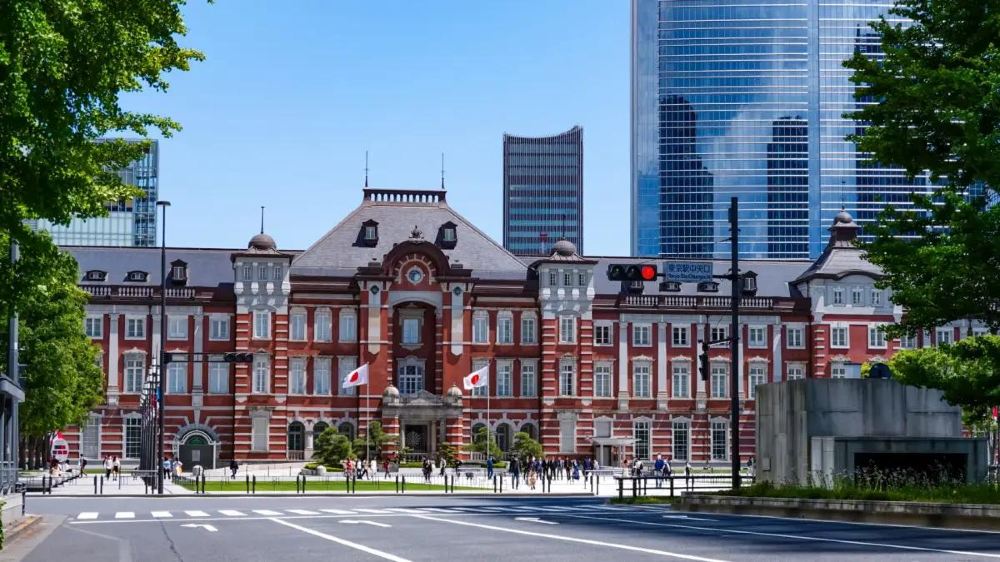
▲ The red brick building at Tokyo station, this retro and stylish architecture, is the modern face of Tokyo, but behind it lies the ancient roots of Japanese civilization.
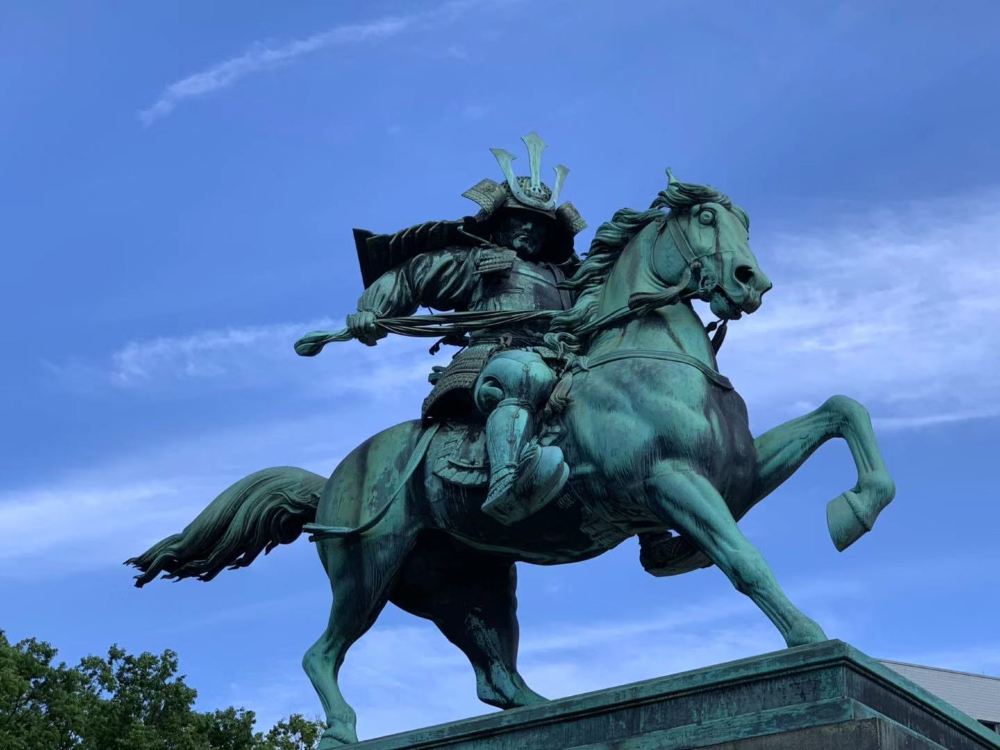
▲ The reason why Kusunoki Masashige was enshrined here and immortalized in history is that he was a representative samurai in Japanese history who loyally upheld the legitimacy of the emperor. Even in an era when military families held power, he steadfastly maintained the sacred status of the imperial family.
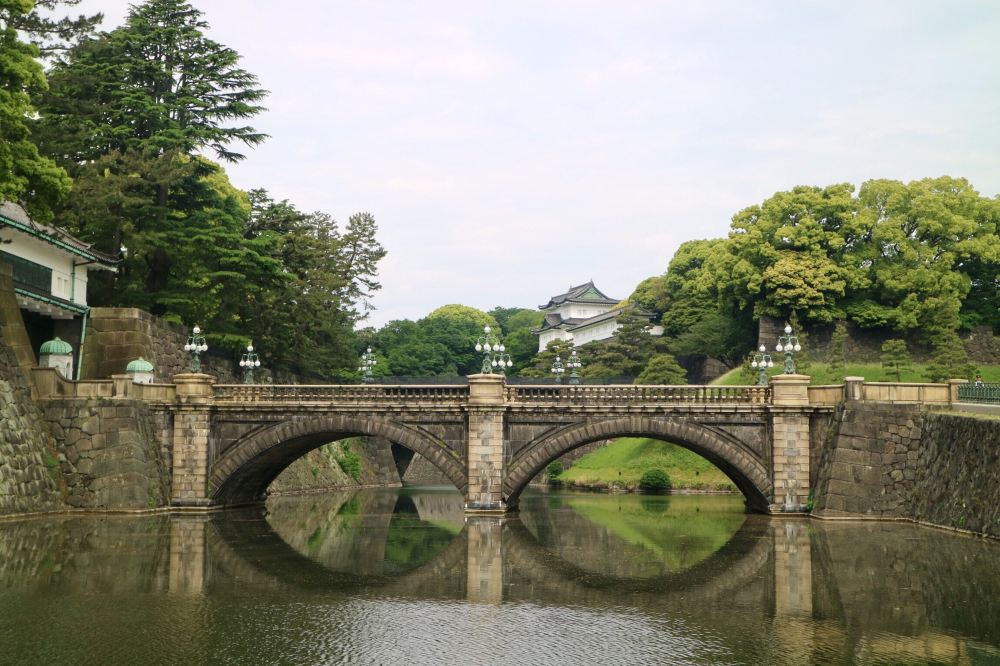
▲ Standing at Nijubashi Bridge, let's further unlock the ultimate mystery of the three sacred treasures. Many travelers wonder why Japan's national treasures, the three sacred treasures, have remained extremely mysterious and never publicly displayed for thousands of years. The answer is actually simple: mystery is the royal family's trump card that has lasted for millennia.
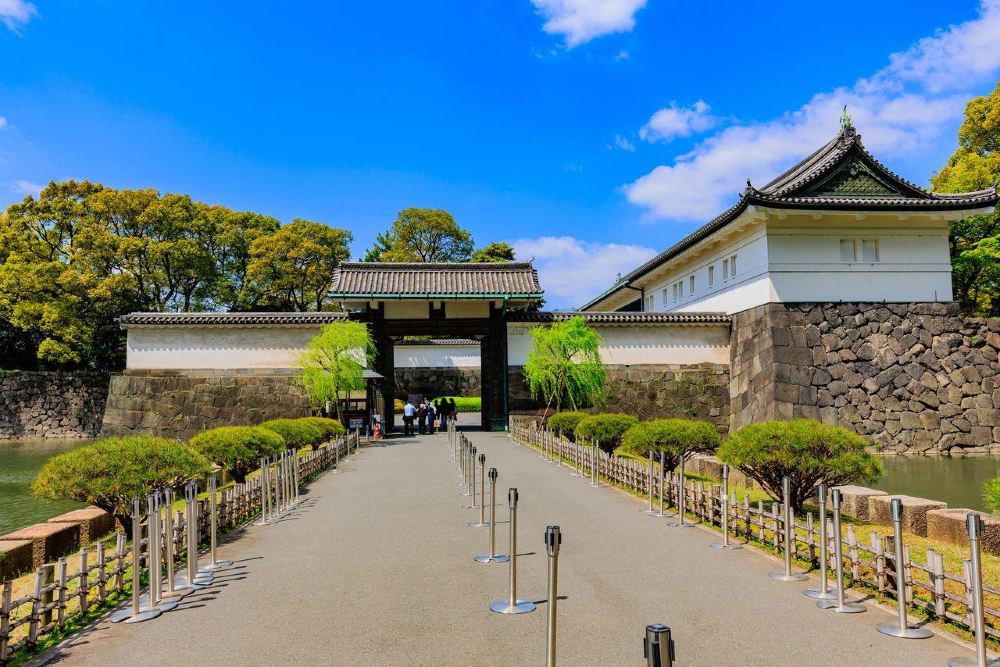
▲ Otemon Gate, the former official main gate of Edo Castle, was also the first checkpoint of power along the entire route. During the Edo period, this gate served as a cold class divide: outside the gate lay the world of ordinary townspeople, while inside was the exclusive domain of the Tokugawa shoguns. A single gate separated the two worlds of commoners and the elite.
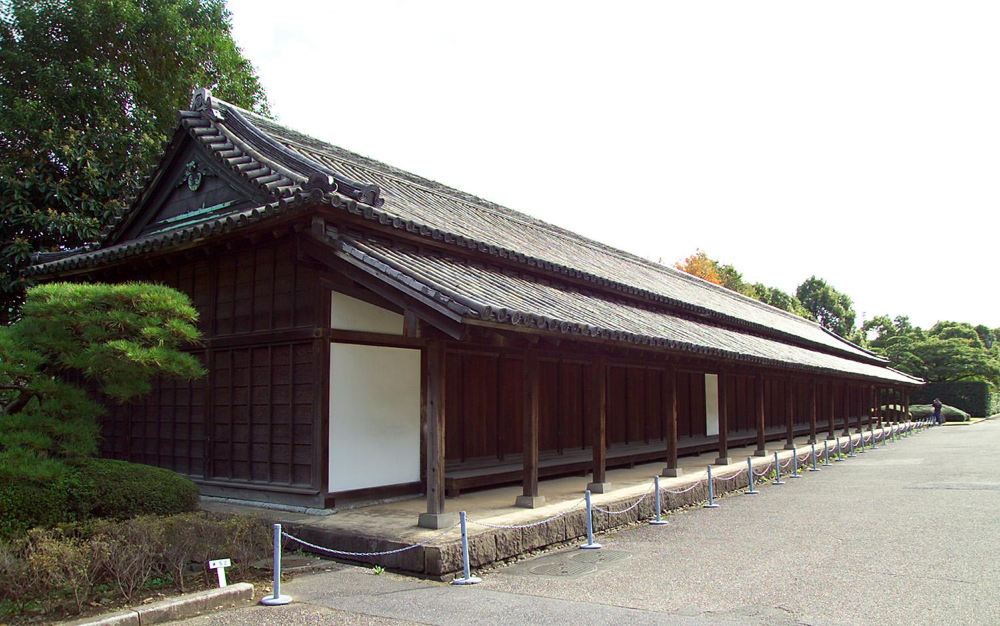
▲ Hyakken bansho. As the name suggests, this 45 m-long corridor barracks served as the core security checkpoint of Edo Castle, where a hundred samurai were stationed year-round, along with elite ninja from the Iga and Koga schools on rotating shifts. In those days, regardless of status or rank, anyone seeking to enter the inner shogun's residence for an audience with the Tokugawa shogun had to undergo rigorous searches and disarm here. This place perfectly epitomized the shogunate's authoritarian control and rigid hierarchical system.
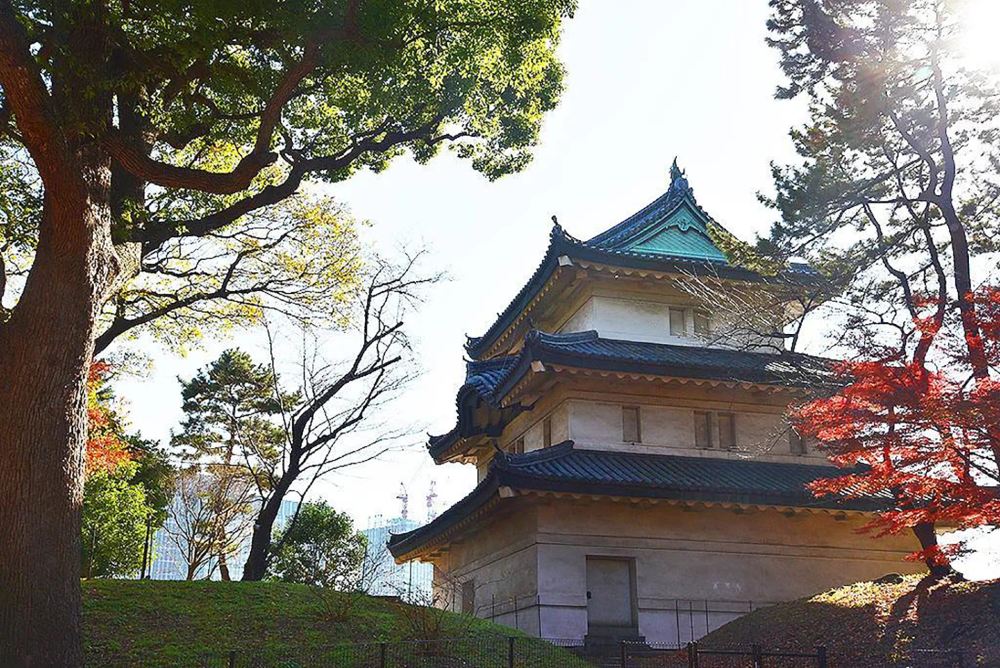
▲ Fujimi-yagura is the only remaining three-story turret in Edo Castle and became its symbol after the main keep was destroyed. When the iconic central tower of Edo Castle was lost in the Great Fire of Meireki, the shogunate couldn't rebuild it, so Fujimi-yagura took its place as the castle's emblem.
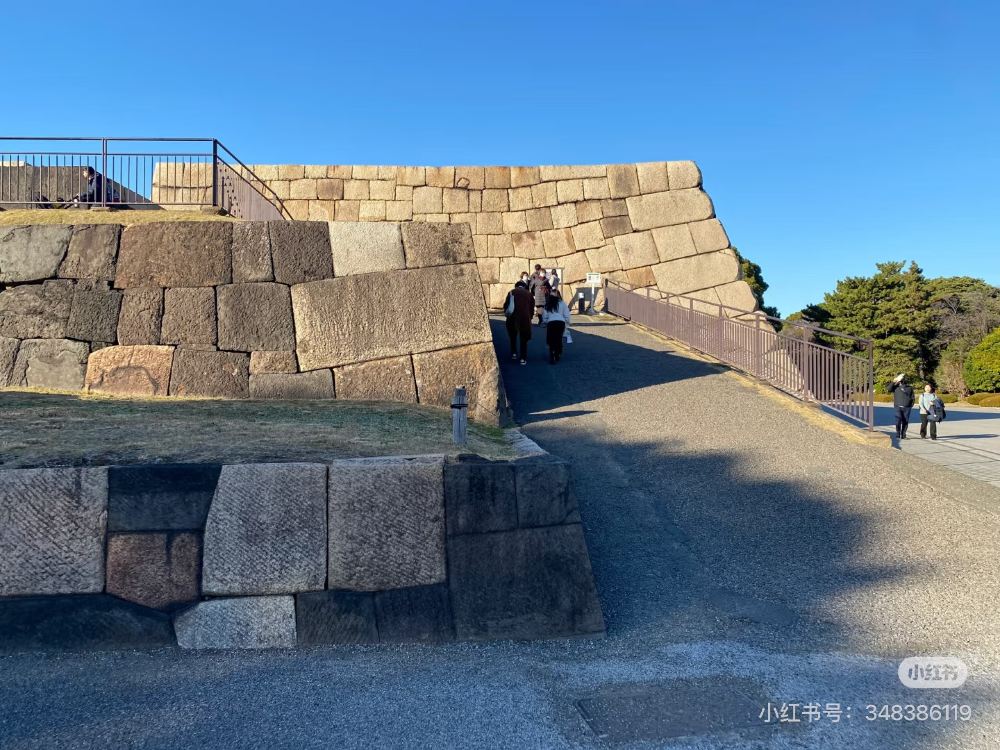
▲ Site of the main keep base: Once standing here was Japan's main keep, reaching a height of 58 m, comparable to the modern National Diet Building. It represented the pinnacle of the Tokugawa shogunate's military power. The third Tokugawa shogun repeatedly heightened the keep to showcase the peak strength of the samurai regime and declare the ruling status of the warrior class. However, during the Great Meireki Fire of 1657, this structure was completely destroyed. For over two centuries thereafter, the Tokugawa shogunate never rebuilt it. This was not due to inability but carried profound implications: the shogunate's confidence in rule and the military class's power had gradually declined.
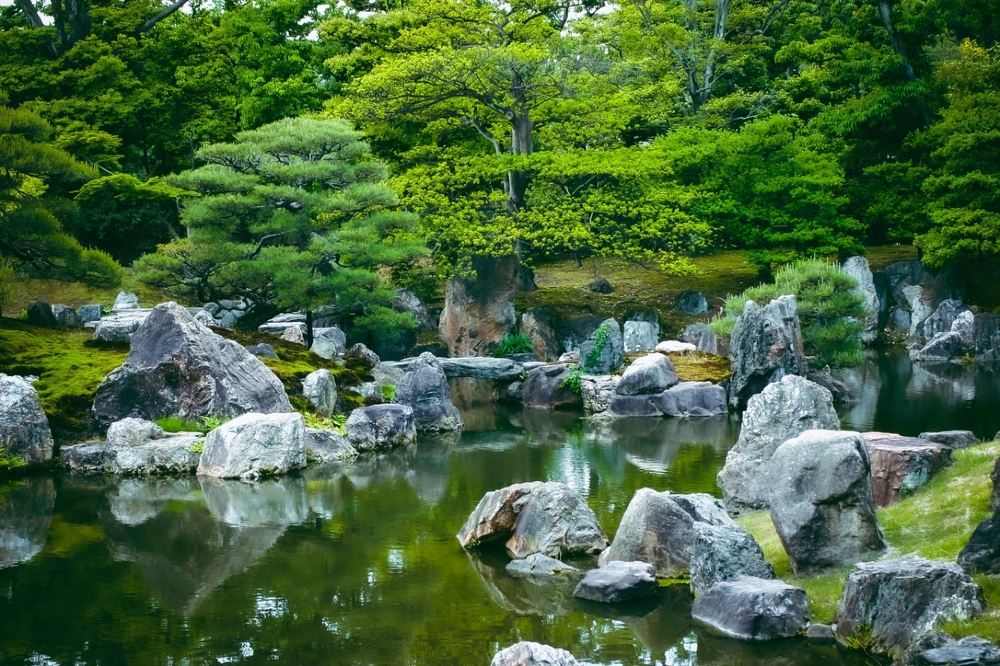
▲ Ninomaru garden, this exquisite strolling pond garden was originally the private retreat of the Tokugawa shoguns, embodying the aesthetics and vision of the warrior class; after the Meiji Restoration, it became imperial property and was transformed into a royal garden.