


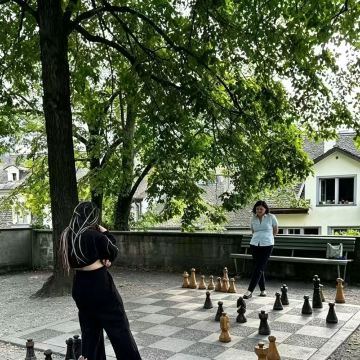

▲ Lindenhof, known as Turicum by the Romans two thousand years ago, is where the name "Zurich" originated from Turicum. Long before the arrival of the Romans, the Celts had already established a hilltop settlement here. Approx. 15 BC, the Roman legion took control of this area, recognizing the strategic value of this high ground overlooking the Limmat River crossing. They established Quadragesima Galliarum, a 2.5% tariff customs station for Gaul, effectively a border tax checkpoint, to regulate the land and water trade routes between the provinces of Gaul and Raetia.
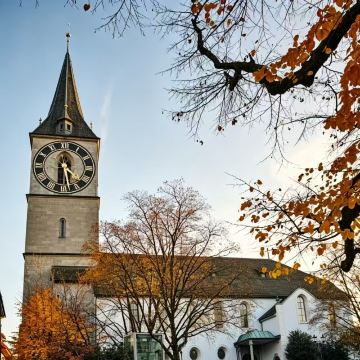

▲ St. Peter's church, Zurich's ancient parish church. Please look up at the huge clock face on the wall, with a diameter of 8.7 m, one of the church clock faces in Europe. But many don't know: the square beneath our feet was the site of a Roman temple dedicated to Jupiter in Roman times, the religious center of the Turicum settlement back then.
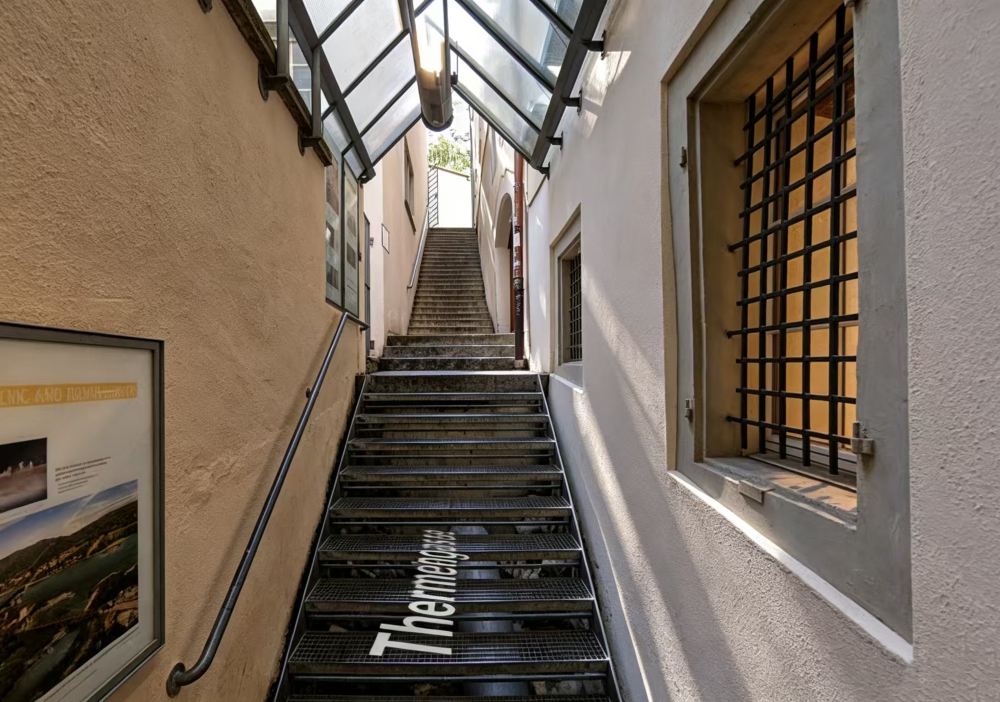
▲ Zurich Old Town preserves a well-maintained collection of early medieval streets and alleys. Watch your step on the uneven cobblestones and observe the tightly packed layout of the houses. During Roman times, residents were concentrated in the hilltop fortress; in the Middle Ages, people built houses along the banks of the Limmat River, with streets and alleys naturally following the river's course without strict grid planning.
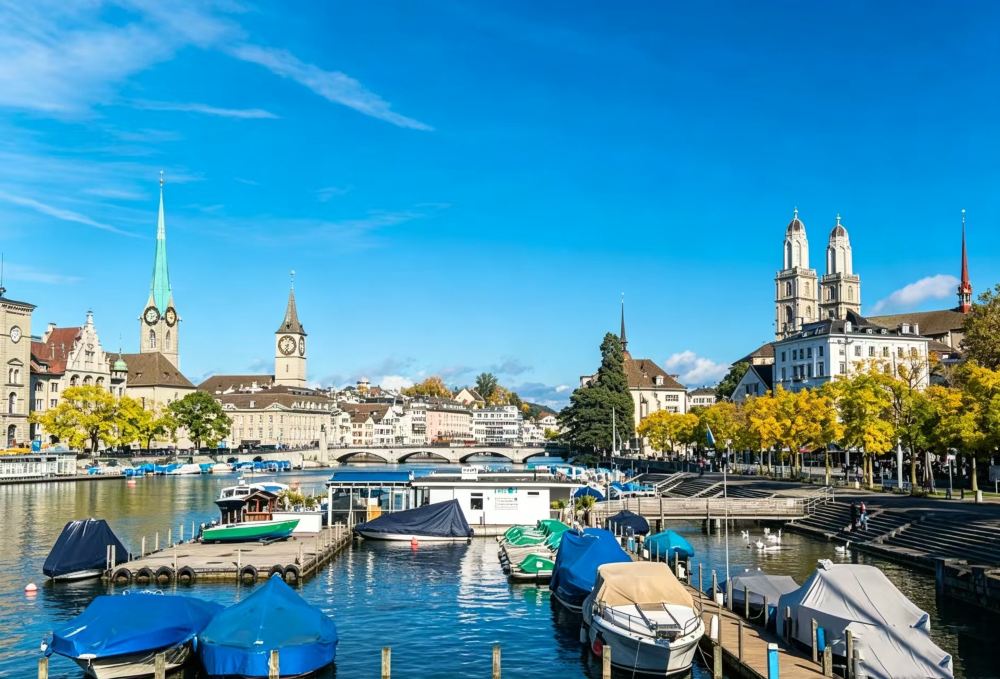
▲ The ancient crossing of the Limmat River. Two thousand years ago, the Romans established the Turicum customs station with the core purpose of guarding this crossing.