


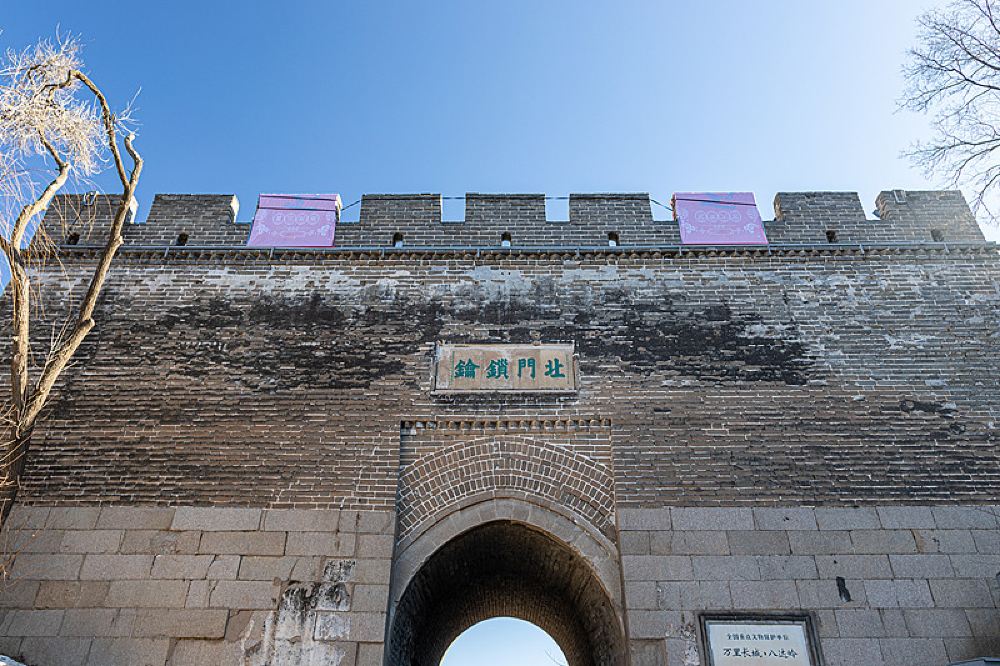
▲ North gate lock and key Look up at the gate plaques on both sides of the fortress: the east gate reads "Juyong Outer Garrison," and the west gate reads "Key to the Northern Gate." It stands beyond Juyong Pass, and its role is to serve as a lock on the northern side of the capital. The fortress was first built in the 18th year of the Hongzhi era of the Ming dynasty, that is, 1505. Inside the gate passage, the arched ceiling, door-pivot slots, and gate slots are all still there—this was a pass that could be sealed shut and opened to let traffic through, not a decorative facade. Once the gate passage is sealed, the Guanzhou channel is cut off. The lower part of the wall is made of stone blocks, and the upper part is city bricks—heavy below and light above, resistant to compression and impact. This is a common method used in Ming dynasty border walls.
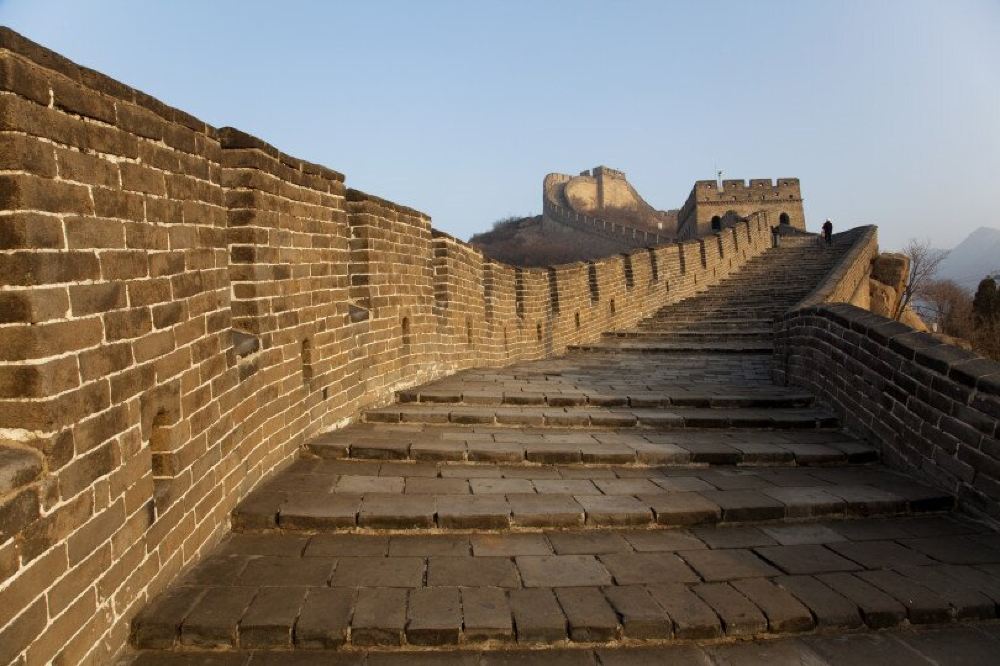
▲ Badaling Wall horse ramps and stairs City wall: how a line becomes a defense line The wall is approx. 7.8 m high on average and approx. 5.8 m wide on average, and stepped where steep. The top of the wall is wide enough for five horses to ride abreast and ten people to walk side by side, so that troops and equipment can be moved. Next, look at the masonry method. The city bricks are of uniform specifications and laid in staggered courses that interlock; the interior of the wall is filled with crushed stone and rammed earth, rather than being a solid brick wall throughout. Saving materials, resisting earthquakes, and draining water, from the outside it looks like a neat wall, but inside it is a layered structure.
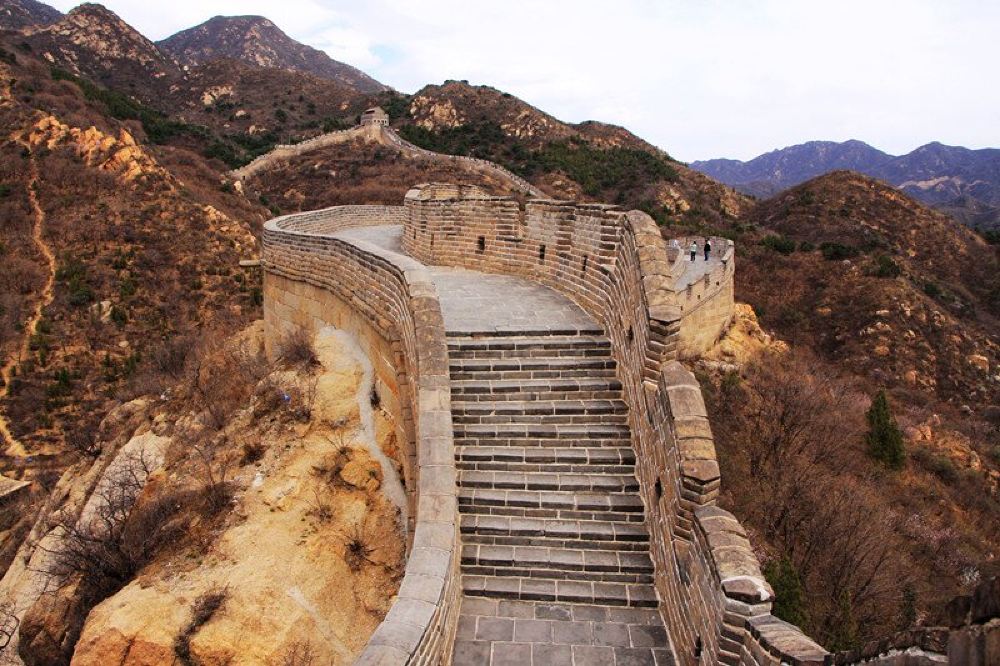
▲ The city wall follows the mountain ridge's turns and connects with the climbing steps The city wall is not a straight line; it bends along the mountain ridge, occupying high points, blocking gaps, and bypassing steep cliffs that are difficult to construct on. The so-called "winding Great Wall" is not an aesthetic choice but a direction determined by the terrain.
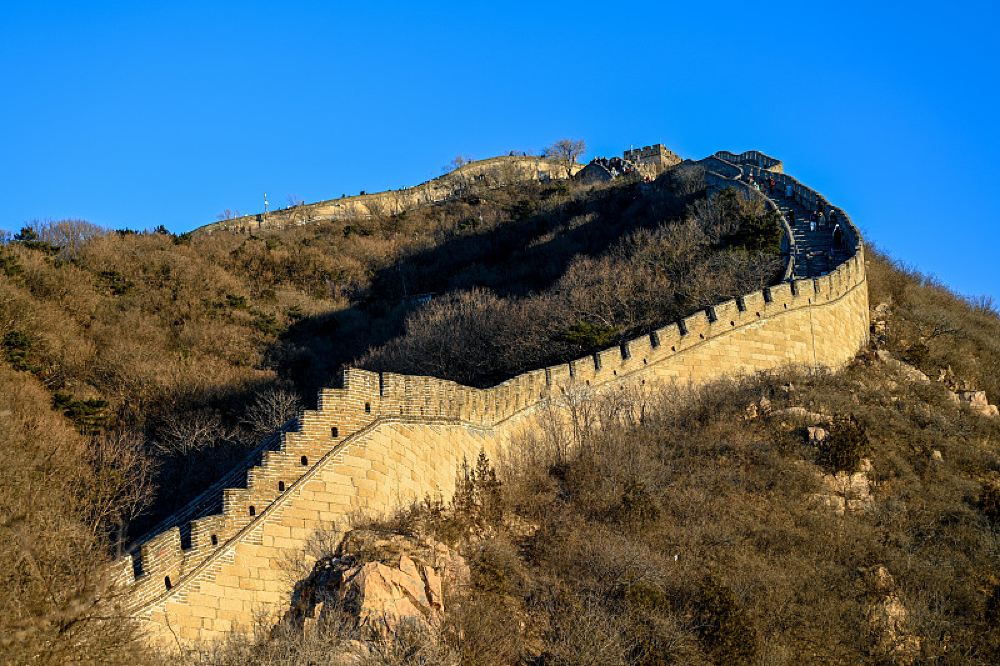
▲ The city wall follows the mountain ridge's turns
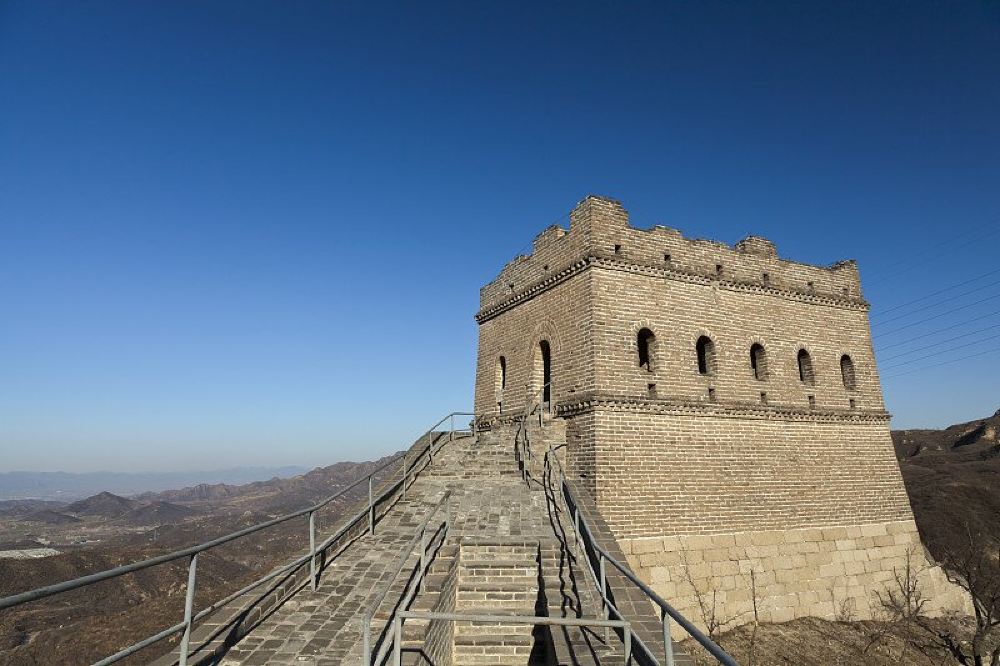
▲ Badaling hollow watchtowers and arrow windows Enemy tower: A stronghold for garrison The enemy tower is the stronghold of this line. The hollow enemy platform has two levels: the lower level houses troops, stores grain, and keeps weapons, with arrow windows on all four sides; the upper level is for observation, command, and combat, with battlements built on top. Only when people, grain, and equipment are all on the platform can a section of wall be held. This type of structure was promoted on a large scale in the mid-to-late Ming Dynasty. When Qi Jiguang oversaw the renovation of the Jizhen border wall, approximately 1,200 enemy platforms and battle platforms were built along the line from Shanhaiguan to Beijing. The Great Wall thus changed from "a wall that blocks people" into "a defense line capable of long-term garrison."
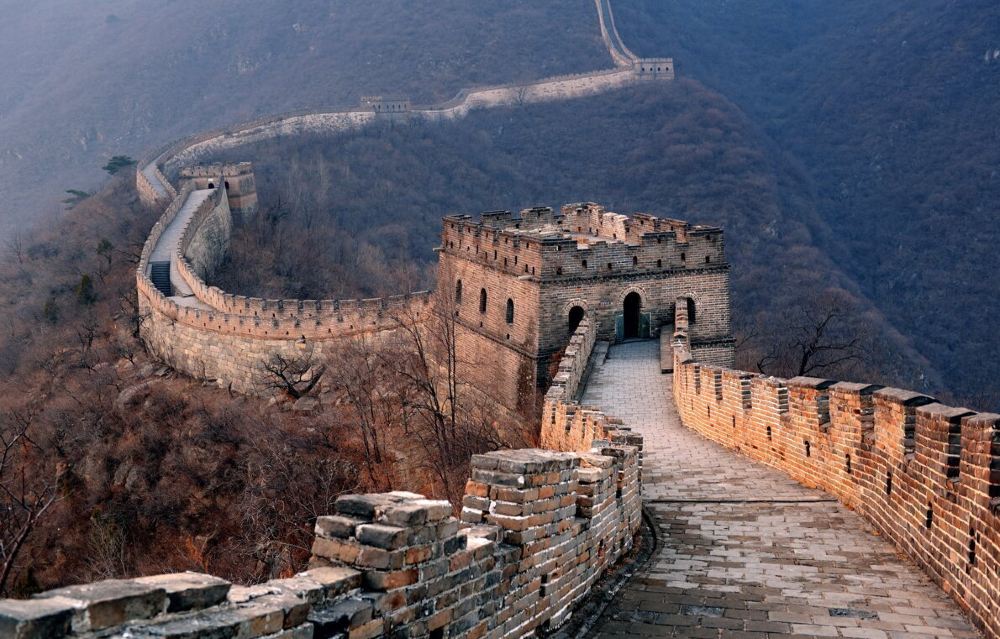
▲ The watchtowers and city walls wind The Ming Great Wall's defenses were divided into nine border towns, and the Juyong Pass line, where Badaling is located, was under the jurisdiction of Changzhen. The tower on the platform is not isolated; behind it are connected the pass city, beacon towers, garrison castles, and courier roads.
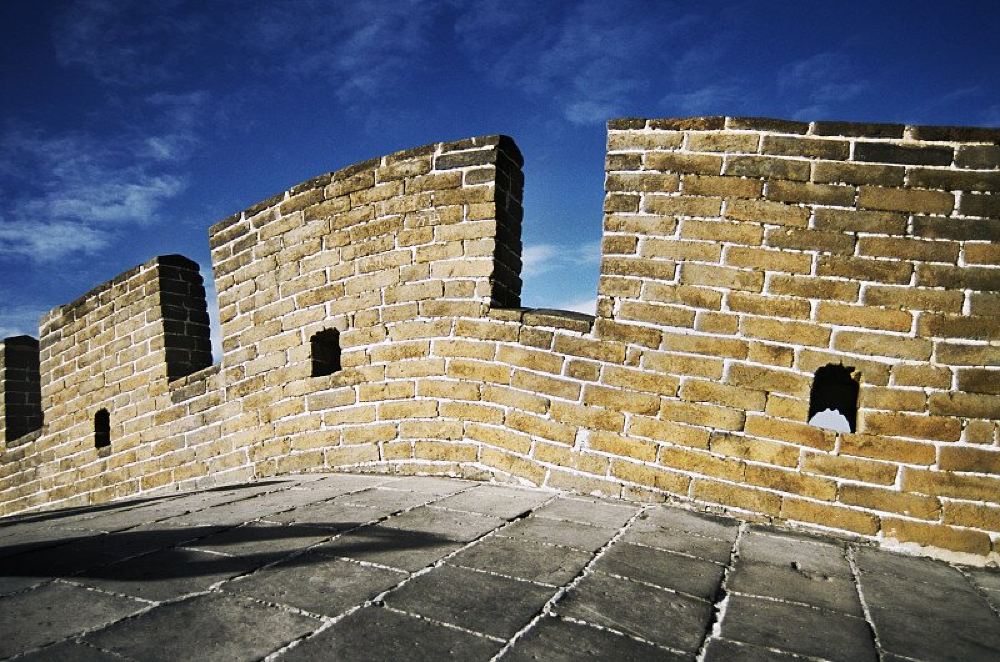
▲ Close-up of battlements, embrasures, and observation holes Battlements: four components solve four problems. The row of alternating raised and recessed sections on the outer side is called the crenellation, serving as cover for shooters. The square holes below the crenellation are embrasures, used for shooting arrows and firearms; the small holes in the parapet are loopholes, used for observing activity below the wall; the low wall on the inner side is called the inner parapet, which prevents friendly personnel from accidentally falling off. The small stone spouts protruding from the base of the wall are called water spouts. Rainwater collects along the top of the wall and drains out through the stone spouts beyond the wall, preventing water from seeping down along the wall body and soaking the brick joints loose. The four components respectively correspond to observation, shooting, protection, and drainage—a complete defensive logic contained within these few meters of wall.
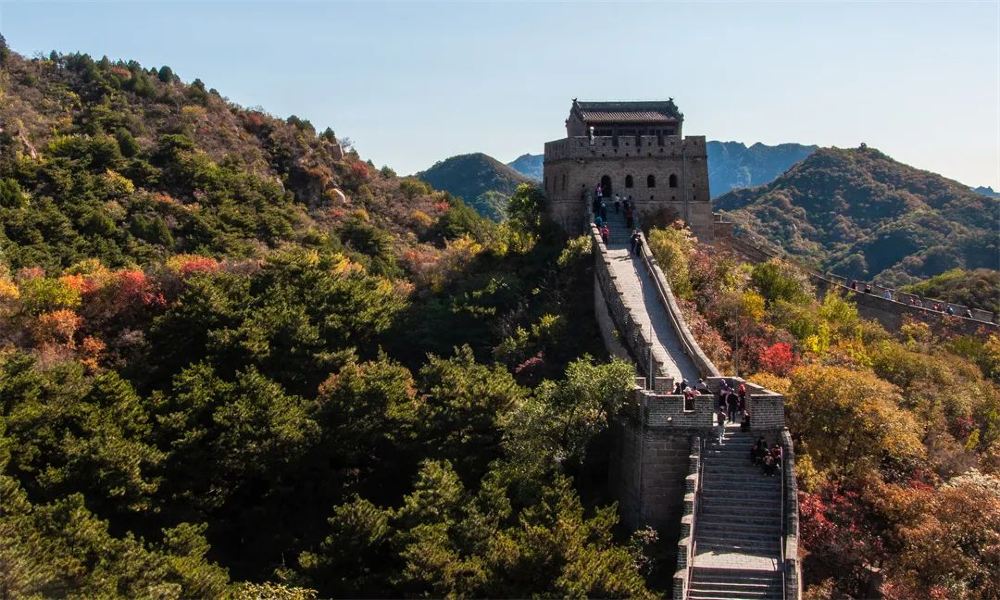
▲ Badaling northern section toward Hero Slope and North Tower 8 Core viewing spots in the northern section. The northern section runs along the mountain ridge, with watchtowers one after another and noticeable changes in slope. The area around North Tower 4 is a common spot for sightseeing and rest; above it is the Hero Slope, and further up is North Tower 8, at an elevation of approx. 888 m, near the highest point of the northern section. Standing here and looking back along the entire central axis, the distances between the watchtowers are almost equal. The pass city blocks the passage, the walls connect into a barrier, the enemy towers provide strongholds, the battlements complete the defense, the beacon towers handle communications, and the rear castles handle garrisoning and supply. Only when points, lines, and areas work together can it be called a border defense system.
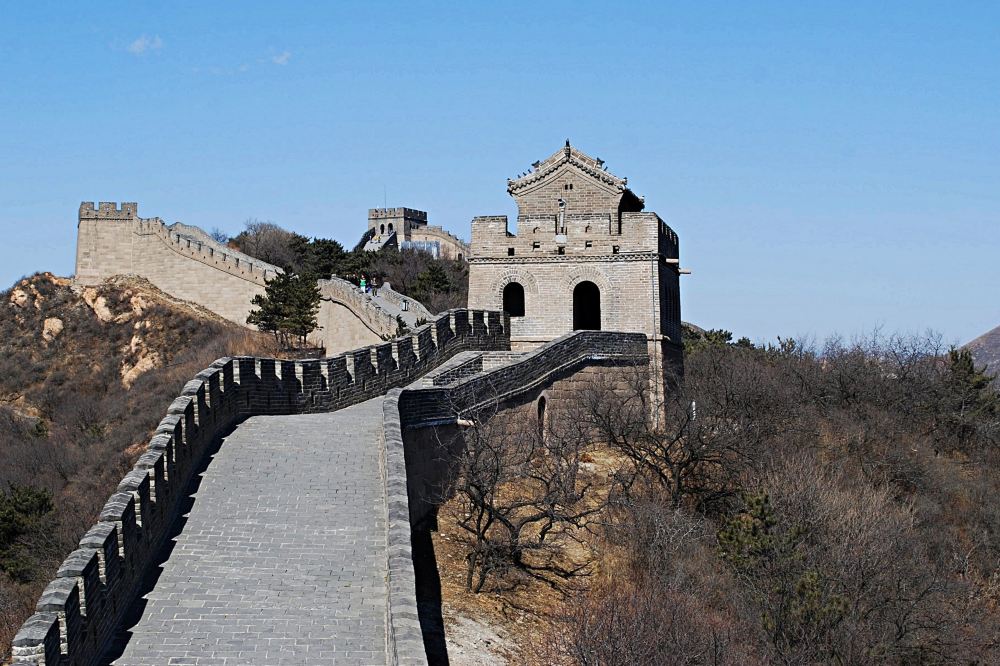
▲ Hollow watchtower
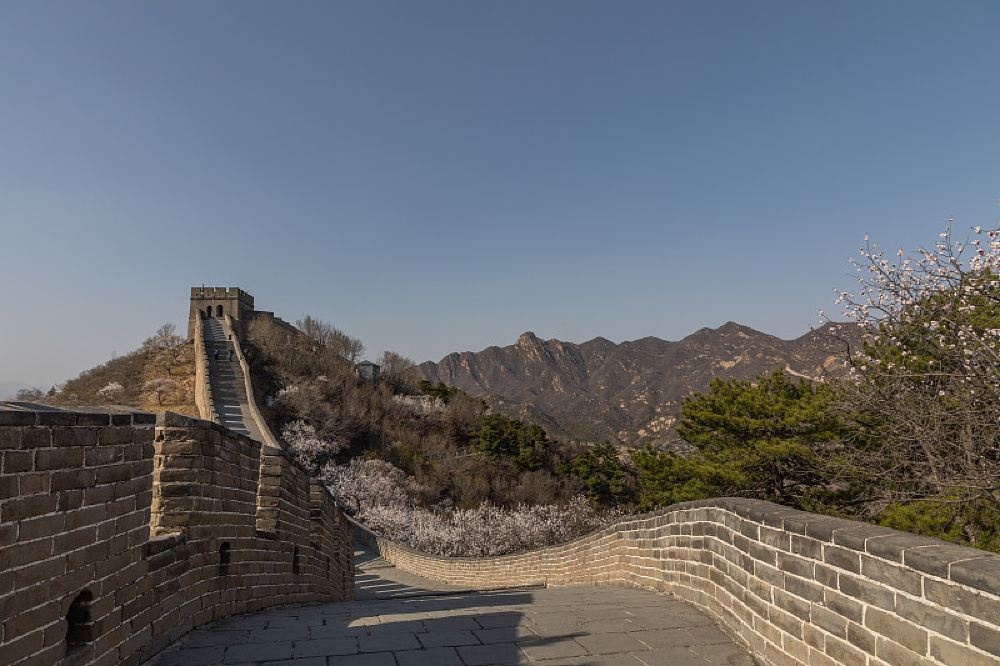
▲ Great Wall equestrian paths