Guangzhou arcade buildings (qilou)
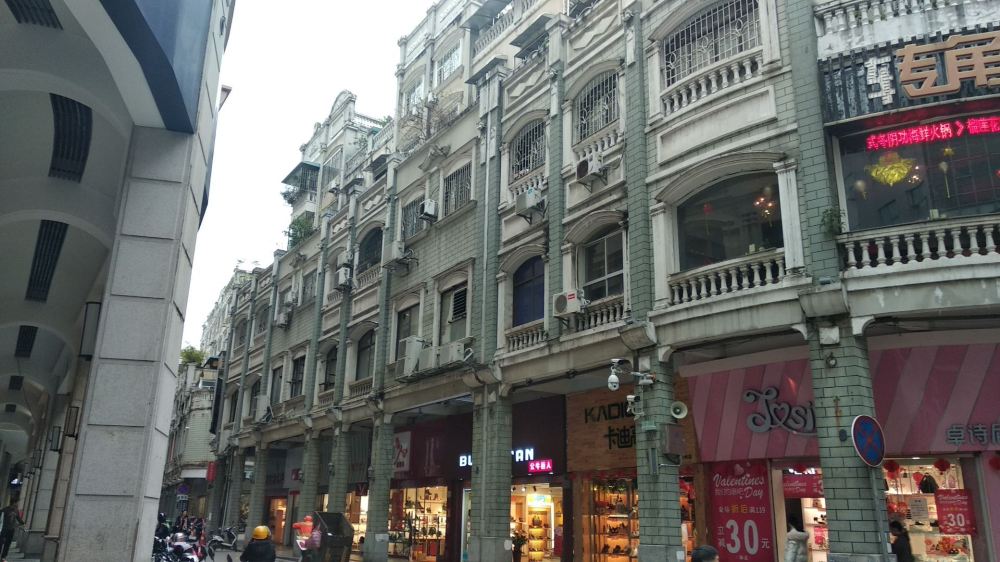
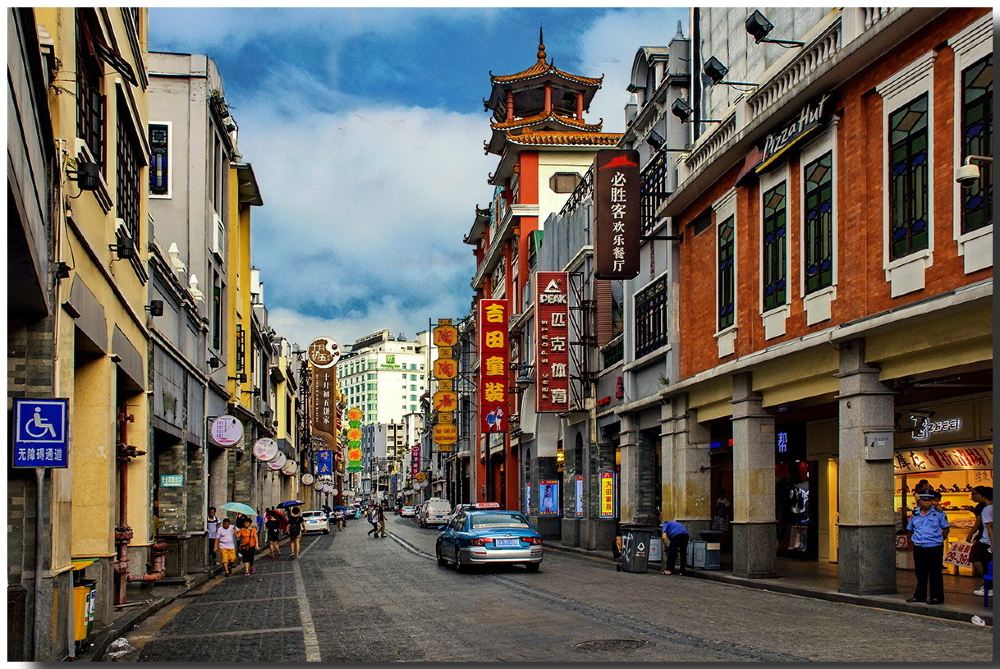
The distinctive feature is the expanded porch connecting to the passageway along the street. Above the corridor is a building, while the lower part opens toward the street. On the other side are the shop's display windows, allowing customers to freely browse products along the corridor, with ordinary residents living above.
Seikan Daiya (Seikandaiya)
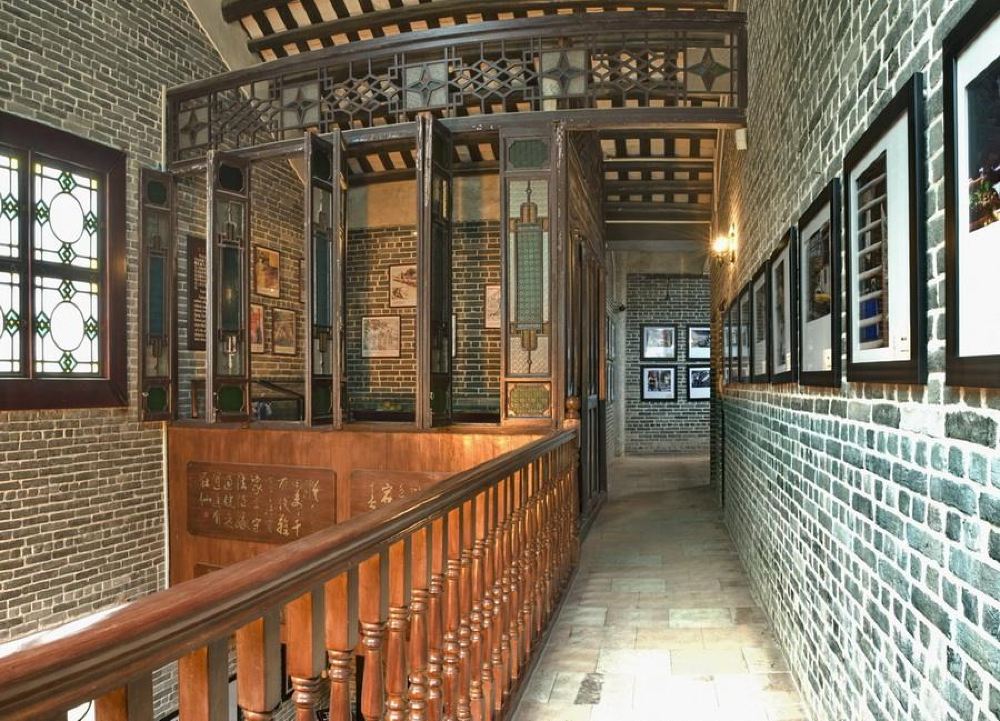
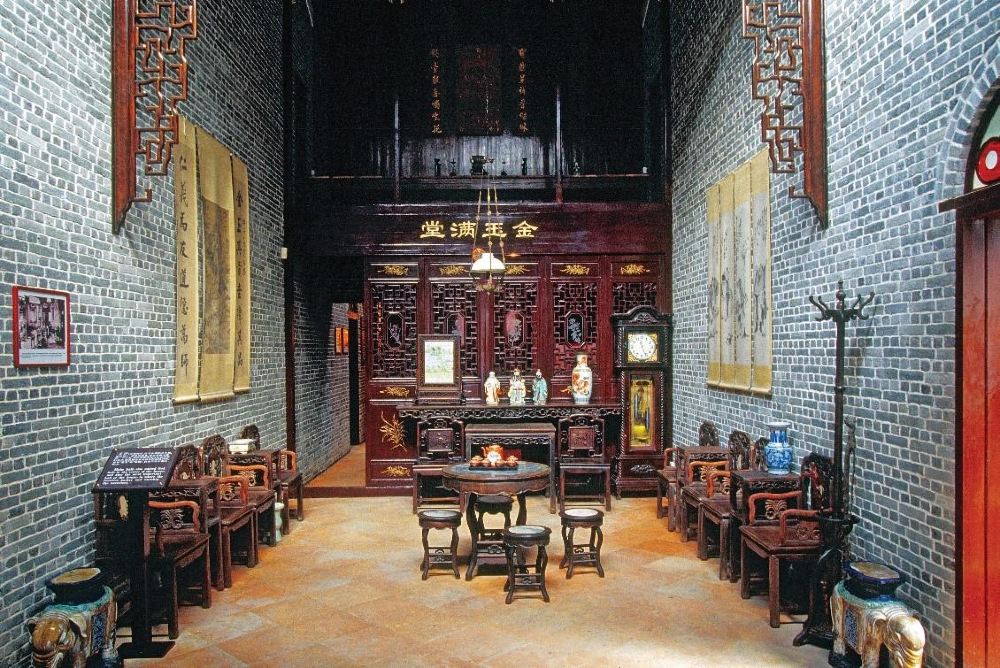
It is a traditional Guangzhou folk residence with Lingnan characteristics built by wealthy merchants in the late Qing Dynasty in the area of Guangzhou city west (now Liwan District), called "Xiguan grand house".
Guangxiao Temple (Kōkōji)
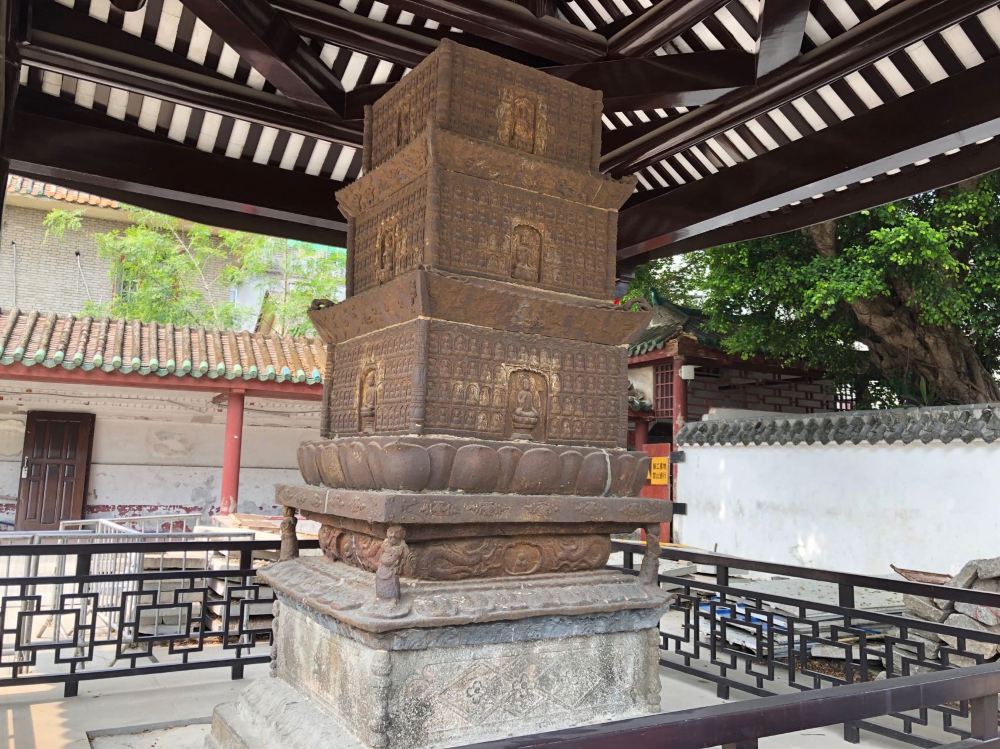
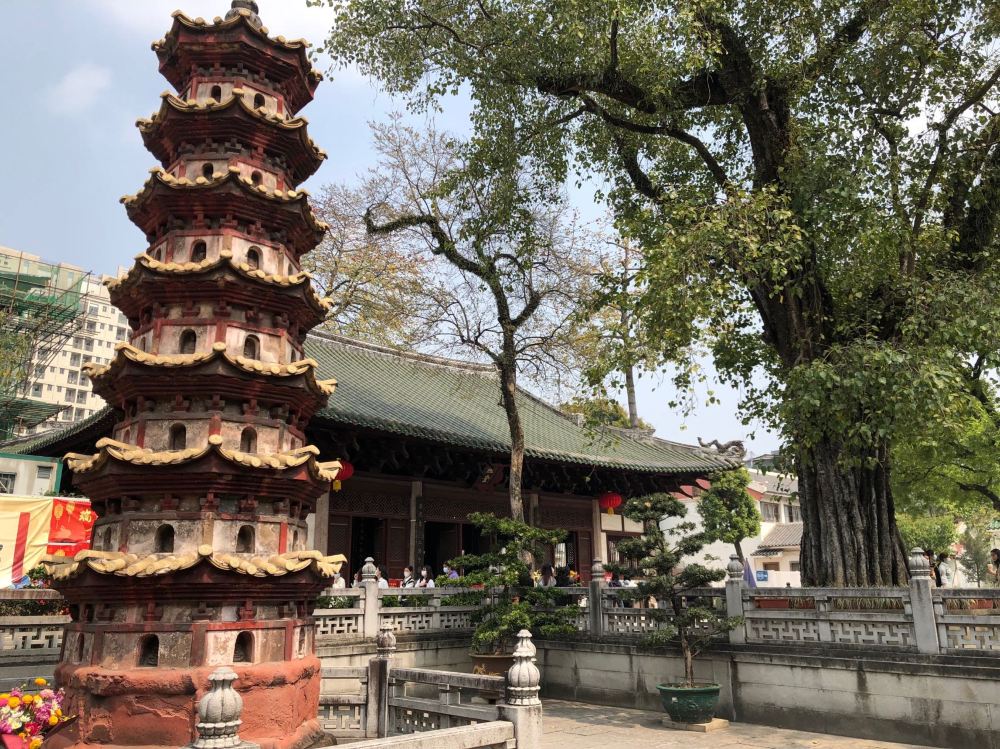
One of the famous ancient architectural complexes in Guangdong Province, it was originally the former residence of Zhao Jiande, the King of Nanyue, in the 2nd century BC.
It was designated as a nationally important cultural property in 1961.
Guangxiao Temple has many cultural assets and historic sites. The Mahavira Hall built during the Eastern Jin Dynasty, the Xibo Spring excavated by Bodhidharma during the Southern Dynasties, the stone sutra pillar from the Tang Dynasty, the Thousand-Buddha Iron Pagoda from the Southern Han Dynasty, and the Sixth Patriarch Hall and Reclining Buddha Hall from the Song and Ming Dynasties are all precious relics of Buddhist heritage.
Chen Clan Academy
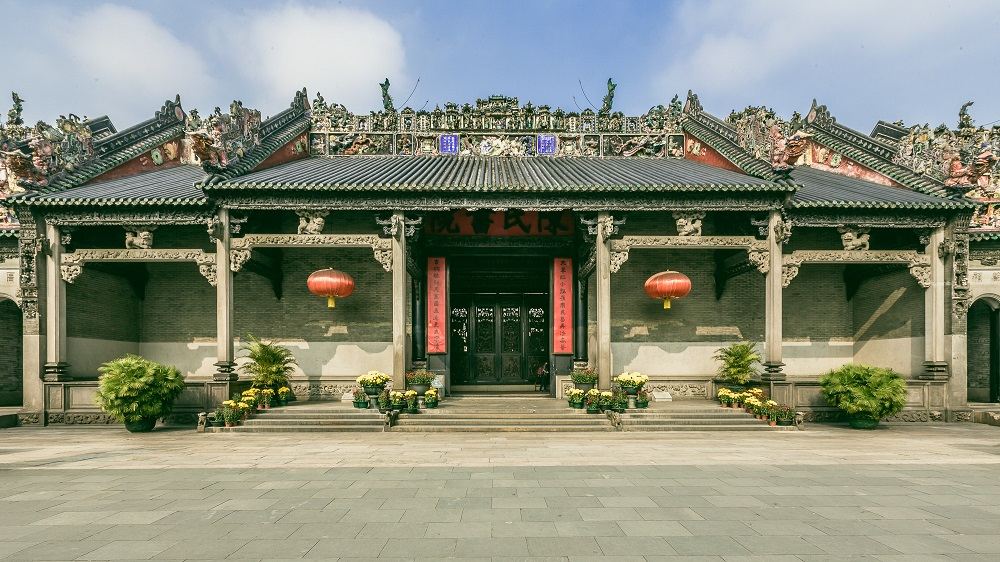
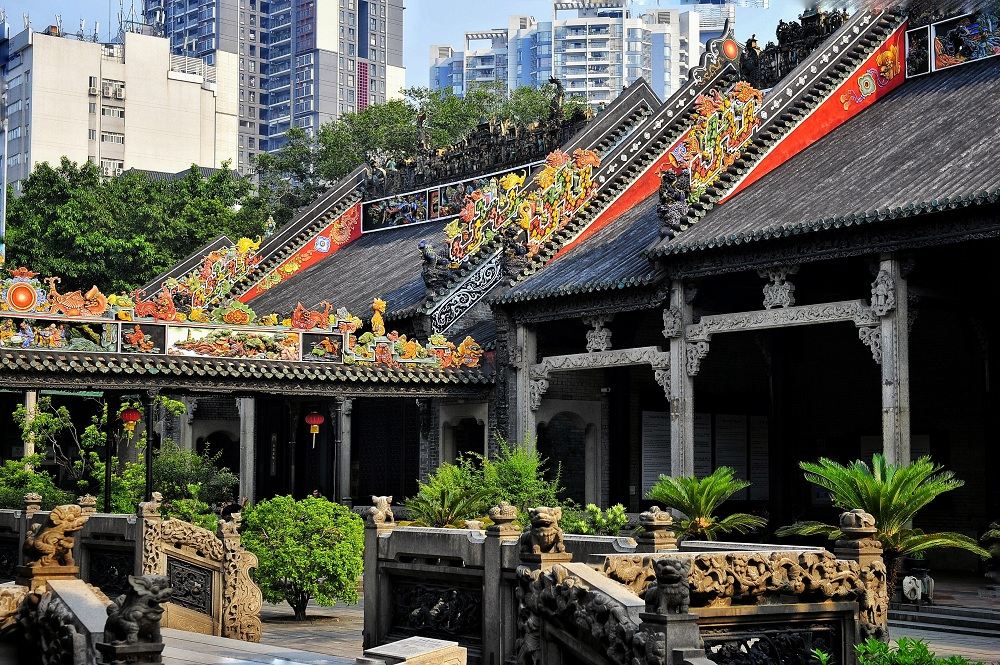
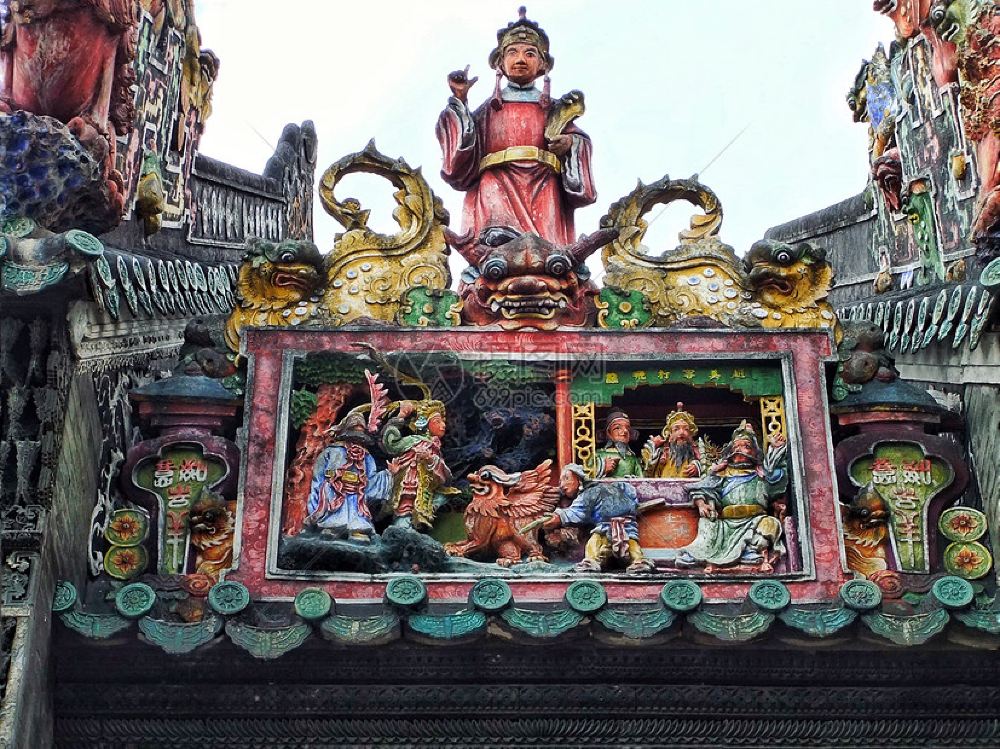
It is also called Chen Clan Ancestral Hall.
Built in the late 19th century with funds raised by the Chen family as an ancestral hall for worship. It was later also used as a private school for the clan's children preparing for imperial examinations.
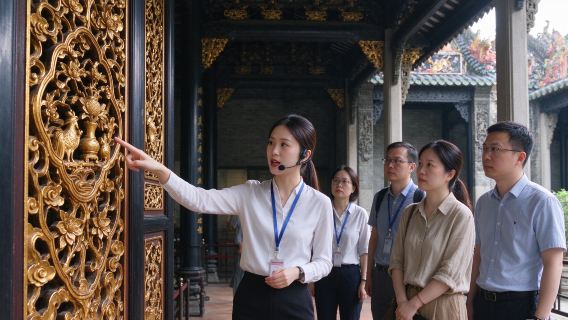
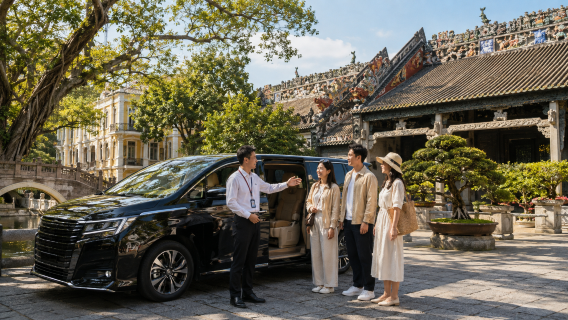
On a vast site exceeding 10,000 square meters, nineteen traditional Chinese academies were built, each adorned with the finest craftsmanship including glazed ridge ornaments, brick carvings, clay sculptures, and Shiwan ceramic sculptures.
It is preserved in the most complete form among the ancestral halls existing in Guangdong Province.
Shamian
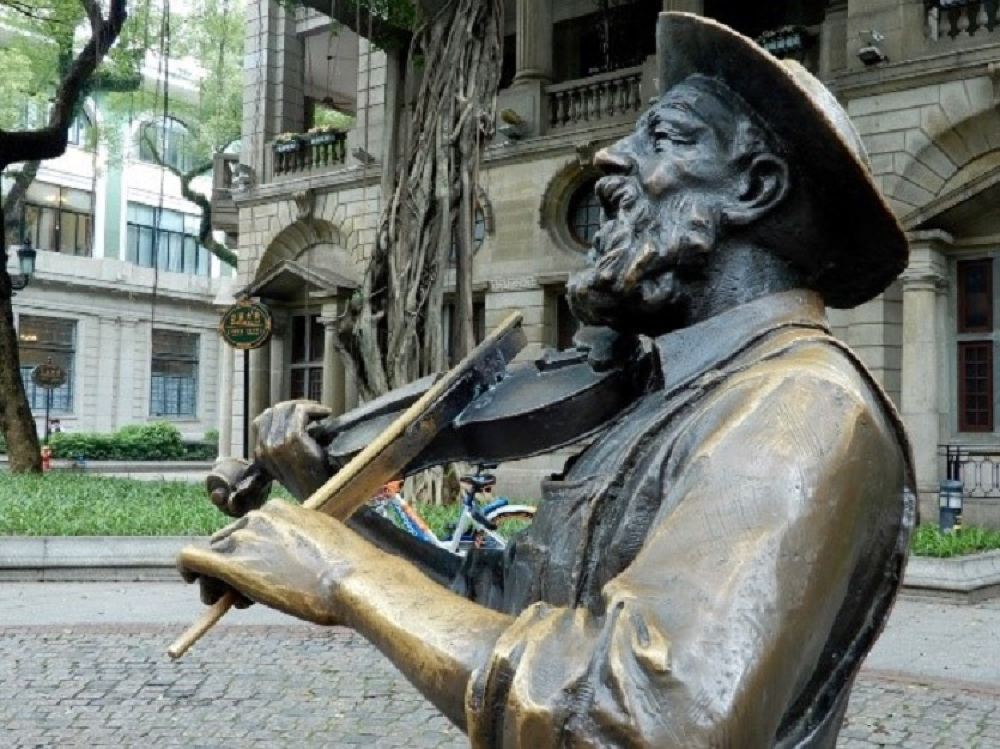
A small island with an area of 0.3 square kilometers, located on the banks of the Pearl River.
It is widely known for its rows of Western-style stone buildings.
After 1861, it became a concession for Western powers such as Britain and France, and many foreign consulates were established here. Around 150 Western-style buildings from that era remain today, featuring popular architectural styles like Neo-Baroque, Renaissance, and Colonial, creating a unique atmosphere alongside the spreading banyan tree-lined streets.
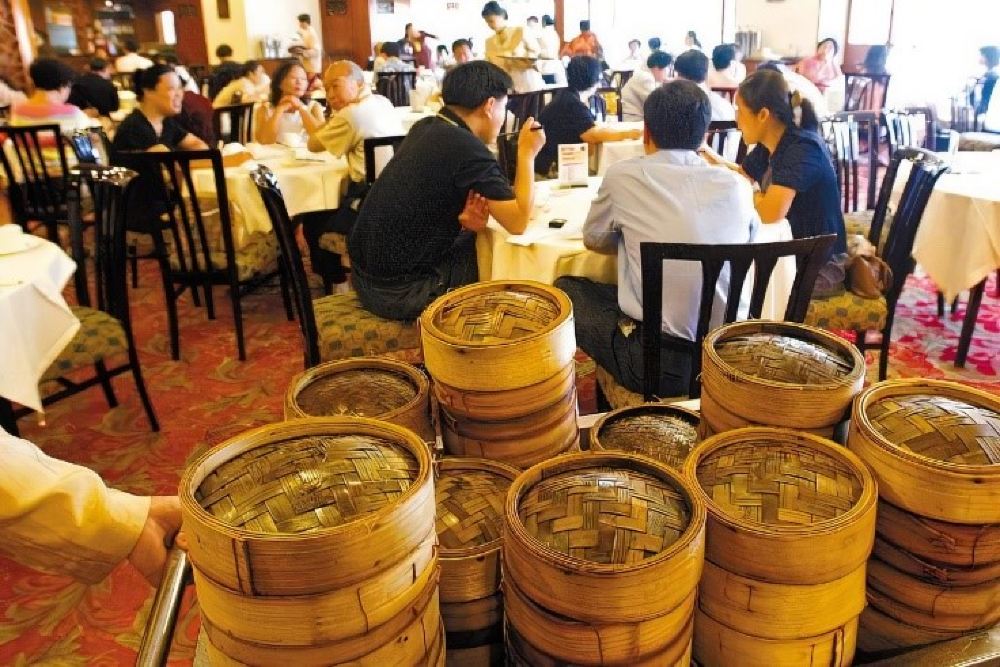
Guangzhou cuisine (dim sum)