![1-day tour to Summer Palace and Temple of Heaven [Private English-speaking guide and dedicated vehicle pick-up for 2-8 people]](data:image/webp;base64,UklGRhYNAABXRUJQVlA4WAoAAAAgAAAAZAQAZAQASUNDUCQCAAAAAAIkYXBwbAQAAABtbnRyUkdCIFhZWiAH4QAHAAcADQAWACBhY3NwQVBQTAAAAABBUFBMAAAAAAAAAAAAAAAAAAAAAAAA9tYAAQAAAADTLWFwcGzKGpWCJX8QTTiZE9XR6hWCAAAAAAAAAAAAAAAAAAAAAAAAAAAAAAAAAAAAAAAAAApkZXNjAAAA/AAAAGVjcHJ0AAABZAAAACN3dHB0AAABiAAAABRyWFlaAAABnAAAABRnWFlaAAABsAAAABRiWFlaAAABxAAAABRyVFJDAAAB2AAAACBjaGFkAAAB+AAAACxiVFJDAAAB2AAAACBnVFJDAAAB2AAAACBkZXNjAAAAAAAAAAtEaXNwbGF5IFAzAAAAAAAAAAAAAAAAAAAAAAAAAAAAAAAAAAAAAAAAAAAAAAAAAAAAAAAAAAAAAAAAAAAAAAAAAAAAAAAAAAAAAAAAAAAAAAAAAAAAAAAAAAAAAHRleHQAAAAAQ29weXJpZ2h0IEFwcGxlIEluYy4sIDIwMTcAAFhZWiAAAAAAAADzUQABAAAAARbMWFlaIAAAAAAAAIPfAAA9v////7tYWVogAAAAAAAASr8AALE3AAAKuVhZWiAAAAAAAAAoOAAAEQsAAMi5cGFyYQAAAAAAAwAAAAJmZgAA8qcAAA1ZAAAT0AAACltzZjMyAAAAAAABDEIAAAXe///zJgAAB5MAAP2Q///7ov///aMAAAPcAADAblZQOCDMCgAAMC0BnQEqZQRlBD51OplKpKMiIaASCBiQDolpbuF3YR69H8pb0WcX4fAAVphqqTZMQ6qk2TEOqpNkxDqqTZMQ6qk2TEOqpNkxDqqTZMQ6qk2TEOqpNkxDqqTZMQ6qk2TEOqpNkxDqqTZMQ6qk2TEOqpNkxDqqTZMQ6qk2TEOqpNkxDqqTZMQ6qk2TEOqpNkxDqqTZMQ6qk2TEOqpNkxDqqTZMQ6qk2TEOqpNkxDqqTZMQ6qk2TEOqpNkxDqqTZMQ6qk2TEOqpNkxDqqTZMQ6qk2TEOqpNkxDqqTZMQ6qk2TEOqpNkxDqqTZMQ6qk2TEOqpNkxDqqTZMQ6qk2TEOqpNkxDqqTZMQ6qk2TEOqpNkxDqqTZMQ6qk2TEOqpNkxDqqTZMQ6qk2TEOqpNkxDqqTZMQ6qk2TEOqpNkxDqqTZMQ6qk2TEOqpNkxDqqTZMQ6qk2TEOqpNkxDqqTZMQ6qk2TEOqpNkxDqqTZMQ6qk2TEOqpNkxDqqTZMQ6qk2TEOqpNkxDqqTZMQ6qk2TEOqpNkxDqqTZMQ6qk2TEOqpNkxDqqTZMQ6qk2TEOqpNkxDqqTZMQ6qk2TEOqpNkxDqqTZMQ6qk2TEOqpNkxDqqTZMQ6qk2TEOqpNkxDqqTZMQ6qk2TEOqpNkxDqqTZMQ6qk2TEOqpNkxDqqTZMQ6qk2TEOqpNkxDqqTZMQ6qk2TEOqpNkxDqqTZMQ6qk2TEOqpNkxDqqTZMQ6qk2TEOqpNkxDqqTZMQ6qk2TEOqpNkxDqqTZMQ6qk2TEOqpNkxDqqTZMQ6qk2TEOqpNkxDqqTZMQ6qk2TEOqpNkxDqqTZMQ6qk2TEOqpNkxDqqTZMQ6qk2TEOqpNkxDqqTZMQ6qk2TEOqpNkxDqqTZMQ6qk2TEOqpNkxDqqTZMQ6qk2TEOqpNkxDqqTZMQ6qk2TEOqpNkxDqqTZMQ6qk2TEOqpNkxDqqTZMQ6qk2TEOqpNkxDqqTZMQ6qk2TEOqpNkxDqqTZMQ6qk2TEOqpNkxDqqTZMQ6qk2TEOqpNkxDqqTZMQ6qk2TEOqpNkxDqqTZMQ6qk2TEOqpNkxDqqTZMQ6qk2TEOqpNkxDqqTZMQ6qk2TEOqpNkxDqqTZMQ6qk2TEOqpNkxDqqTZMQ6qk2TEOqpNkxDqqTZMQ6qk2TEOqpNkxDqqTZMQ6qk2TEOqpNkxDqqTZMQ6qk2TEOqpNkxDqqTZMQ6qk2TEOqpNkxDqqTZMQ6qk2TEOqpNkxDqqTZMQ6qk2TEOqpNkxDqqTZMQ4Q4e4y8Rz16MvEc9ejLxHPXoy8Rz16MvEc9ejLxHPXYLrUl+0HaQA25DjLxHPXoy8Rz16MvEc9ejLxHPXoy8Rz16MvEZSAd+wyzHgIewW2Zlbas3+3QFqFHDvvz16MvEc9ejLxHPXoy8Rz16MvEc9ejLw9Oem0o0qUTd1njpSTxxvz+UIQ1SwN06+JGENVSbJiHVUmyYh1VJsmIdVSbJiHVUmyYh1ZEroH+qqbFYBP9f+zCmdQQ1VJsmIdVSbJiHVUmyYh1VJsmIdVSbJiHVTZQWid8vIAW6B5hydBNyCGqpNkxDqqTZMQ6qk2TEOqpNkxDqqTZMQ6qbKv34rDoky1oQFUQTontcIK0gBlWiXHIIaqk2TEOqpNkxDqqTZMQ6qk2TEOqpNkxDeQjCloCfdCs6qOS6zziWUYb7RZRbJluW8Rz16MvEc9ejLxHPXoy8Rz16MvEc9ejLxHKF4xmqUFetnXkhUW0VQPJl0/FzGoYKM9KJBJsmIdVSbJiHVUmyYh1VJsmIdVSbJiHVUmyCVP4Ff+iUBKzVlwfT5jYIyEgFVbFymfEgcFXFCAtNuYTLqbxGHiOevRl4jnr0ZeI569GXiOevRl4jnr0ZeI8SaOPt4QO5srn1JnYtiWrv0luwNavZsv1JgWnxWDljXjkENVSbJiHVUmyYh1VJsmIdVSbJiHVUmyYhvLJVIe3OSgh82JeTBxV/nYynNBDVUmyYh1VJsmIdVSbJiHVUmyYh1VJsmIdVSbKCl7789ejLxHPXoy8Rz16MvEc9ejLxHPXoy8Rz16MvEc9ejLxHPXoy8Rz16MvEc9ejLxHPXoy8Rz16MvEc9ejLxHPXoy8Rz16MvEc9ejLxHPXoy8Rz16MvEc9ejLxHPXoy8Rz16MvEc9ejLxHPXoy8Rz16MvEc9ejLxHPXoy8Rz16MvEc9ejLxHPXoy8Rz16MvEc9ejLxHPXoy8Rz16MvEc9ejLxHPXoy8Rz16MvEc9ejLxHPXoy8Rz16MvEc9ejLxHPXoy8Rz16MvEc9ejLxHPXoy8Rz16MvEc9ejLxHPXoy8Rz16MvEc9ejLxHPXoy8Rz16MvEc9ejLxHPXoy8Rz16MvEc9ejLxHPXoy8Rz16MvEc9ejLxHPXoy8Rz16MvEc9ejLxHPXoy8Rz16MvEc9ejLxHPXoy8Rz16MvEc9ejLxHPXoy8Rz16MvEc9ejLxHPXoy8Rz16MvEc9ejLxHPXoy8Rz16MvEc9ejLxHPXoy8Rz16MvEc9ejLxHPXoy8Rz16MvEc9ejLxHPXoy8Rz16MvEc9ejLxHPXoy8Rz16MvEc9ejLxHPXoy8Rz16MvEc9ejLxHPXoy8Rz16MvEc9ejLxHPXoy8Rz16MvEc9ejLxHPXoy8Rz16MvEc9ejLxHPXoy8Rz16MvEc9ejLxHPXoy8Rz16MvEc9ejLxHPXoy8Rz16MvEc9ejLxHPXoy8Rz16MvEc9ejLxHPXoy8Rz16MvEc9ejLxHPXoy8Rz16MvEc9ejLxHPXoy8Rz16MvEc9ejLxHPXoy8Rz16MvEc9ejLxHPXoy8Rz16MvEc9ejLxHPXoy8Rz16MvEc9ejLxHPXoy8Rz16MvEc9ejLxHPXoy8Rz16MvEc9ejLxHPXoy8Rz16MvEc9ejLxHPXoy8Rz16MvEc9ejLxHPXoy8Rz16MvEc9ejLxHPXoy8Rz16MvEc9ejLxHPXoy8Rz16MvEc9ejLxHPXoy8Rz16MvEc9ejLxHPXoy8Rz16MvEc9ejLxHPXoy8Rz16MvEc9ejLxHPXoy8Rz16MvEc9ejLxHPXoy8Rz16MvEc9ejLxHPXoy8Rz16MvEc9ejLxHPXoy8Rz16MvEc9ejLxHPXoy8Rz16MvEc9ejLxHPXoy8Rz16MvEc9ejLxHPXoy8Rz16MvEc9ejLxHPXoy8Rz16MvEc9ejLxHPXoy8Rz16MvEc9ejLxHPXoy8Rz16MvEc9eioAAP7/4vC2LEQAAAAAAAAAAAAAAAAAAAAAAAAAAAAAAAAAAAAAAAAAAAAAAAAAAAAAAAAAAAAAAAAAAABps4ATP0udazyHzBxVasdQajicYP97oruYQAXhittIvZot8O6bZlPg5MPkP1xm8kLCuntWV2Q4gF8bX0AGuY6RZaVpoUzaeFlE3lCqAqWpLgDnmhngAT2DovvpGMvyA78nzjPcKAYbg0oWvLfZ0gvK2MlQIAVO85VUeHh36OfDS9qFDVkgeQMRgQB4TTZK5HzzIyPyf3NtaKWqLEEcagCmiWjkz0Nxm3CPuBAACWaov5j+tGVnVHZ3hQBD8cA3MTW1L5m7w3NDAQ4WHBYspHl48O/AgBvye7T71zxOUOLz7NKj0sC8VKkIAAAAAAAAAAAAAAAAAAAAAAAAAAAAAAAAAAAAAAAAAAAAAAAAAAAAAAAAAAAAAAAAAAAAAAAAAA==)

View all 9 photos
1-day tour to Summer Palace and Temple of Heaven [Private English-speaking guide and dedicated vehicle pick-up for 2-8 people]
5.0/5
Excellent(1 review)
12 bookedPrivate tour
Pick-up available
Conditional cancellation
From
TWD 2,188
per person
Select package
Highlights
Summer Palace and Temple of Heaven dual attractions, private car service, one-on-one English guide service with full accompanying guide, including admission tickets for both attractions.
Private car service with door-to-door pickup, flexible departure time, eliminating travel fatigue for a worry-free and comfortable experience!
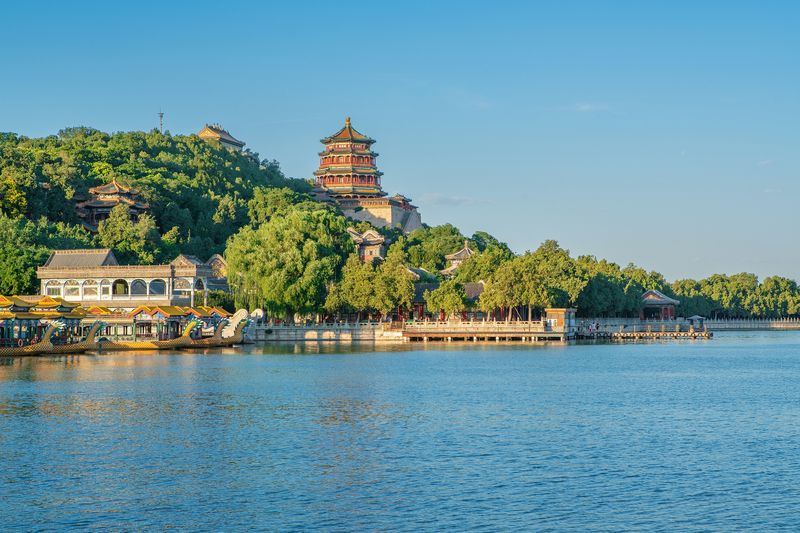
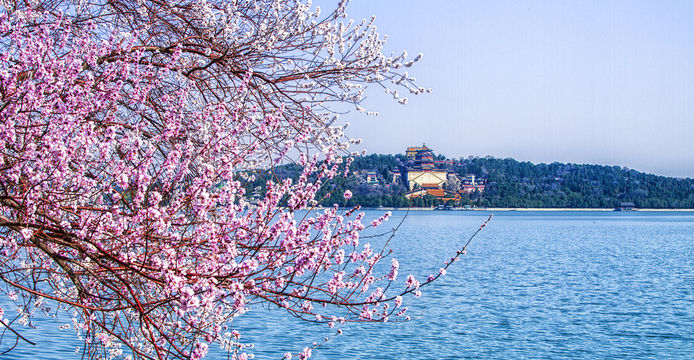
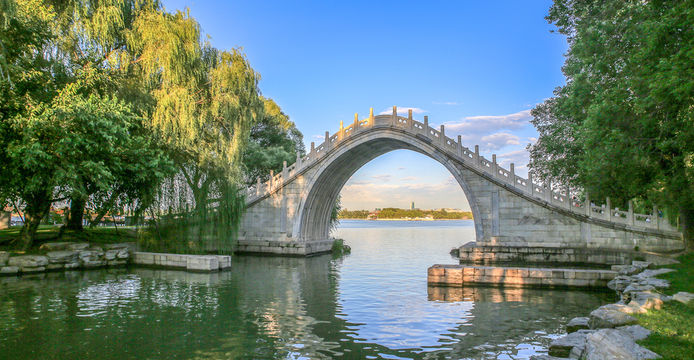
The Summer Palace is a landscape garden where you can cruise the lake, admire paintings, and appreciate ancient towers. The Temple of Heaven is an imperial altar for celestial worship, with its green trees and red walls symbolizing prayers for abundant harvests.

Package and price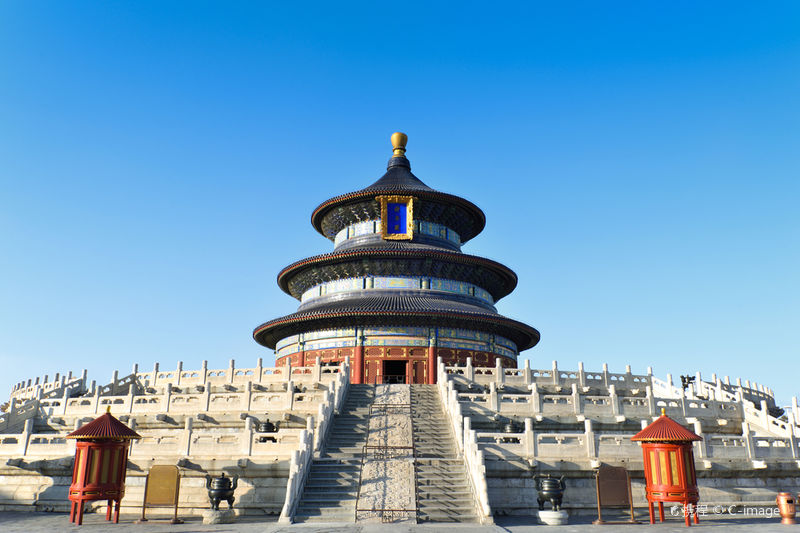
Date of use
2026-10-21
2026-10-22
2026-10-23
All
Local timeCurrency: USDPrices shown are the lowest prices for the current date
Package
Private tour for 8+ people
FromUS$2,188.00
Private English tour for 2 people
FromUS$5,176.00
Private English tour for 3 people
FromUS$3,846.00
Private English tour for 4 people
FromUS$3,006.00
Private English tour for 5 people
FromUS$2,499.00
Private English tour for 6 people
FromUS$2,761.00
Private English tour for 7 people
FromUS$2,432.00
Booking information
FromUS$2,188.00
per person
Book now
Overview
Departs from Beijing
Starts at 08:30 and ends at 18:30
Tour guide (English)
Transportation options: Car, Minibus 14 Seater
Details
Pick-up available
08:30 pick-up in Beijing 5th ring road, Beijing
Pick-up and drop-off services outside the designated area are available for an additional charge
Free pick-up and drop-off at any location within Beijing's Fifth Ring Road with flexible departure times and return options. Additional charges apply for out-of-range or multi-location transfers—please consult customer support. Total service duration is 10 hours including travel time. Overtime fees: 50 CNY/hour for vehicle types with 7 seats or fewer, 100 CNY/hour for 9-seat or larger vehicles. Overtime fees should be paid directly to the driver.
Transportation via Car
Visitors take exclusive vehicles to the Temple of Heaven
Travel time: Approx. 1 hour
Temple of Heaven Details
Enter attraction
Enter attraction
Paid attraction
Entry tickets included
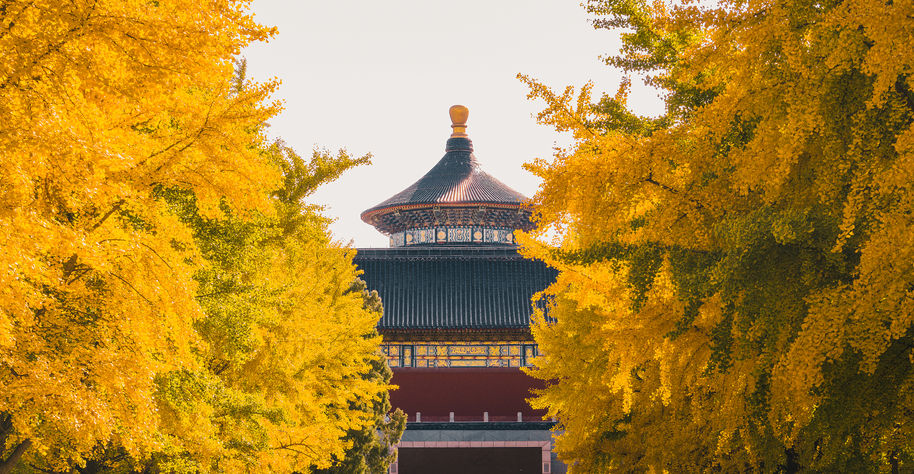
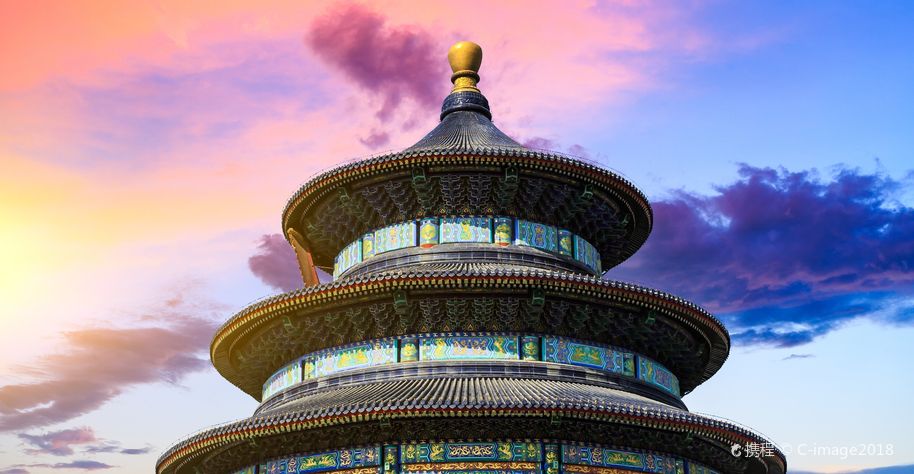
The Temple of Heaven is a dedicated altar where emperors of the Ming and Qing dynasties worshipped heaven, prayed for rain, and sought bountiful harvests. It is one of China's most renowned ancient architectural structures.
3 hours
Lunch
At your own expense
Meals throughout the trip are at your own expense
30 minutes
Transportation via Car
Travelers take exclusive vehicles to the Summer Palace
Travel time: Approx. 30 minutes
Summer Palace Details
Enter attraction
Enter attraction
Paid attraction
Entry tickets included
The Summer Palace, an ancient imperial garden in Beijing, was originally named the Garden of Clear Ripples. Located in the western suburbs of Beijing, it is approximately 15 km from the city center and covers an area of about 290 hectares.
3 hours
Provide drop-off service
18:30 drop-off in Beijing 5th ring road, Beijing
Pick-up and drop-off services outside the designated area are available for an additional charge
Free drop-off to any location within the 5th Ring Road
All times are in local time and may change due to weather, road conditions, or other factors. Thank you for your understanding.
What's included
Trip.com picks
Popular Beijing Tours
Best Beijing Experiences
Popular Destinations
Tiananmen Square, Forbidden City &Treasure Museum Small-Group TourMutianyu Great Wall Private Self-Guide Trip With English Speaking Driver Mutianyu Great Wall + Summer Palace Day Trip Return trip ends at Bird's NestBeijing Private Airport Transfer: From PEK/PKX Airport to Downtown Hotels and Vice VersaMutianyu Great Wall Bus Tour with Tickets | EN/ES/RU | 5-Hour Visit | No Booking, Skip the LineMutianyu Great Wall Day Trip | ZANBUS | 7:30-11:45 TourPrivate Mutianyu Great Wall Trip With English-speaking DriverBeijing Mutianyu Great Wall 1-Day Tour Private Tour: Tiananmen Square and Forbidden City Included Admission TicketsForbidden City Ticket with Optional Guide Private Forbidden City Tour with Entry Tickets Forbidden City Tour with Entry Ticket Included Mutianyu Great Wall + Summer Palace One-Day Tour Beijing Forbidden City & Mutianyu Great Wall Full Day TourBeijing: Mutianyu Great Wall + Summer Palace Day Trip - ZANBUS Premium Tour
Beijing Sports & AdventureBeijing TransportationBeijing Connectivity SolutionsBeijing Bus TicketsBeijing Travel ServicesBeijing SIM CardBeijing Travel EssentialsBeijing Spa & MassageBeijing Cultural ExperienceBeijing ActivitiesBeijing Day ToursThings to do in ShanghaiThings to do in BeijingThings to do in Hong KongThings to do in OsakaThings to do in ZhangjiajieThings to do in SingaporeThings to do in ChongqingThings to do in TokyoThings to do in GuangzhouThings to do in Xi'anThings to do in ChinaThings to do in JapanThings to do in ThailandThings to do in VietnamThings to do in South Korea