
Things to do in Istanbul
Explore top experiences
Top 10 attractions in Istanbul


Hagia Sophia
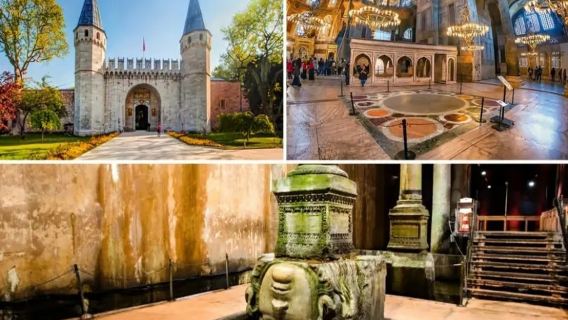
Hagia Sophia faces the Blue Mosque across the street. Originally the main cathedral of the Byzantine Empire, it was converted into a mosque after being occupied by the Turks. This historic building in Türkiye stands as one of the country's most iconic symbols. The exterior of Hagia Sophia features classic mosque domes and minarets, with an ablution fountain (for mosque use) in front and several stone pillars topped with intricate carvings nearby. Nine gates lead to the central hall from the narthex, with the middle one known as the "Imperial Gate," once reserved exclusively for emperors and empresses. The four gates on either side were designated for commoners, while the two middle gates were for nobles and officials. The grand central hall dazzles with multicolored marble floors and walls adorned with vibrant mosaic patterns. Numerous windows and low-hanging chandeliers maintain the hall's lighting, while the ornate lamps create a warm ambiance beneath the towering dome, evoking a sense of awe. The dome preserves Byzantine-style frescoes in rich colors. Above the altar is an image of the Virgin and Child gazing downward. On either side of the altar hang six large black disks with golden Arabic calligraphy, each about 10 meters in diameter, inscribed with names. The right side of the altar marks the coronation spot, while the left features a preaching balcony. A spiral passage at the end of the side corridor leads to the upper gallery, where dignitaries and females once prayed. The gallery walls display numerous frescoes depicting Christian stories. From here, visitors can admire the hall's majestic spatial design, with golden and blue decorative motifs adorning the column capitals, bases, and joints. The intricately carved capitals are breathtaking. Walking along the upper gallery, the "Empress's Lodge" stands to the right, directly above the "Imperial Gate" at the entrance below. From this vantage point, visitors can clearly see the exquisite mosaic artwork embedded above the gate.Istanbul · 456m from downtown

Basilica Cistern
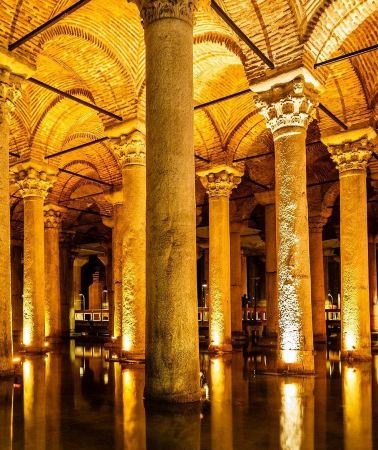
The Basilica Cistern is located next to the Hagia Sophia and served as an underground reservoir for the palace from the Byzantine to the Ottoman Empire. Today, it stands as one of Istanbul's most romantic and mysterious attractions. Stepping inside feels like entering another world of Istanbul, where the crisp sound of water droplets falling into the pool echoes around you, and carp occasionally swim by. Dim lampposts line the underground pathways, creating a serene, distant, and mysteriously hazy atmosphere. The cistern measures 140m in length and 70m in width—about the size of a football field—and is supported by 336 massive 9m-high Corinthian columns, each adorned with intricate and unique relief carvings. Its enigmatic aura has made it a filming location for Hollywood movies like "Skyfall" and Jackie Chan's "The Accidental Spy." The Basilica Cistern has an enormous water storage capacity and remains in use by Istanbul residents to this day. Legend has it that when completely filled, the cistern could supply drinking water for the entire city's population for a month. The teardrop-shaped columns at the center of the cistern captivate numerous visitors, while the most astonishing feature is the two columns in the northwest section - each supported by an inverted Medusa head sculpture. The history of the Basilica Cistern dates back to the 6th century AD, built by Byzantine Emperor Justinian as a water reservoir for the nearby palace and buildings. After being closed, it was rediscovered in the 16th century following the conquest of Constantinople. Fed by water sources from forests near the Black Sea, it not only ensured royal water supply but also served as a strategic underground fortress against enemy sieges—truly an imaginative subterranean palace.Istanbul · 354m from downtown

Historic Areas of Istanbul
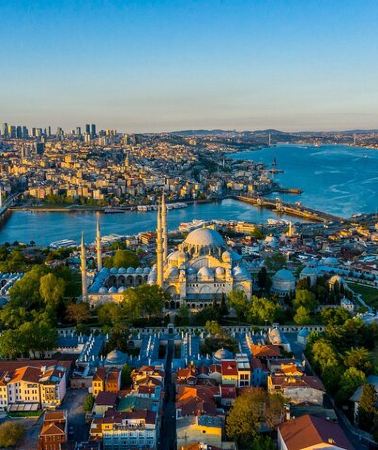
Istanbul is composed of the New City and the Old City. The Old City was listed as a UNESCO World Heritage Site in 1985. This historical district, teeming with ancient monuments and museums, is the essence of Istanbul tourism, encompassing numerous famous attractions such as the Hagia Sophia, Topkapi Palace, and the Basilica Cistern. Everywhere you look, you see the weathered silhouettes of historical sites, witnessing Istanbul's millennia-long history. Areas like the Grand Bazaar, Spice Bazaar, and Galata Bridge are always bustling with activity, a vibrant and thriving scene. Due to the numerous important attractions in the Old City, at least 1-2 days are needed to explore, so many tourists choose to stay here and walk to the main attractions. Of course, there are also trams running through the undulating hills, making travel very convenient. Furthermore, the Old City's various amenities are also suitable for tourists, with many travel agencies, money exchange offices, restaurants, and small shops.Istanbul · 144m from downtown

Dolmabahce Palace
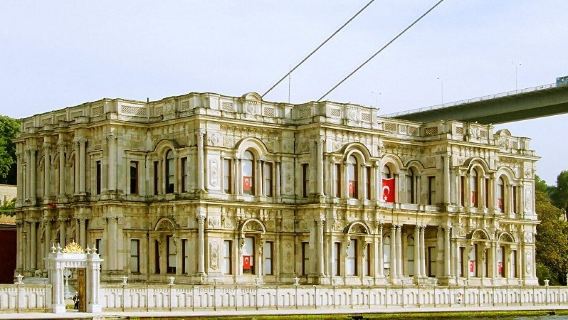
Dolmabahce PalaceLocated in Istanbul's new district, this palace is commonly known as the new palace of the Ottoman Empire. Towering and expansive, it exudes the grandeur and prosperity of the once-mighty empire. "Dolmabahçe" in Turkish means "filled garden," referring to its construction on reclaimed land. Built in the mid-19th century over an existing harbor structure, the palace sits along the picturesque European shore of the Bosphorus and served as the residence for the last six sultans of the Ottoman dynasty. The palace's advanced architectural techniques resulted in a 600m-long perimeter wall, with interiors adorned in gold leaf and constructed primarily of white marble and Egyptian alabaster. Passing through an ornate gate, visitors enter the palace surrounded by meticulously maintained gardens, featuring a Baroque-style clock tower believed to have also functioned as a watchtower. As the palace still serves government functions, guards stand sentry at the gates, adding to its majestic atmosphere. Guided tours are mandatory and cover two main sections: the ceremonial hall (Selamlık) and the harem (Haremlik), comprising 285 rooms, 43 halls, and 6 Turkish baths—a masterpiece of opulence. Tours are available in English or Turkish, with each route lasting approximately 30-40 minutes. If pressed for time, focus on the ceremonial hall. Highlights include the crystal staircase, supported by crystal pillars, and a 2.5-ton chandelier from France's Baccarat, illuminating the space where sultans were crowned. The harem, accessible only to the sultan and princes, features rooms decorated in Western styles, including the Yellow Hall for gatherings and the bedroom of Mustafa Kemal Atatürk, preserved with a silk Turkish flag and a clock stopped at 9:05 AM, the time of his death. Additional attractions include the crystal pavilion and clock museum. A 160m-long dock along the strait, once the primary entrance by boat, offers scenic views. The garden also houses an open-air café by the clock tower, perfect for relaxing with coffee while enjoying the sea breeze.Istanbul · 4.3 km from downtown

Bosphorus
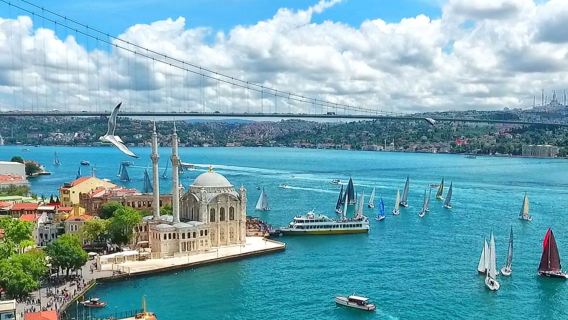
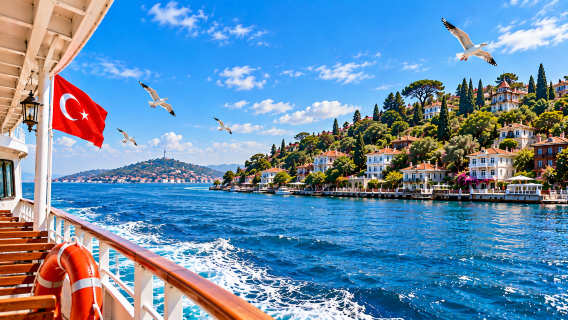
The Bosphorus, also known as the Istanbul strait, connects the Black Sea to the north and the Sea of Marmara and the Mediterranean to the south, dividing Türkiye into Asian and European parts. The undulating waters are dotted with ships of all sizes, either anchored or sailing through, while seagulls soar under the blue sky, creating a delightful scene. Today, this 31 km stretch of water, where natural beauty and historical sites complement each other, has become one of Türkiye's tourist attractions. A common way to explore the Bosphorus is by taking a cruise. Sailing along, you can admire the scenic views on both shores, pass under bridges, gaze at the cityscape in the distance, and enjoy the seamless blend of sea and sky. The scenery is particularly enchanting during sunset over the strait.Istanbul · 3.2 km from downtown

Topkapi Palace
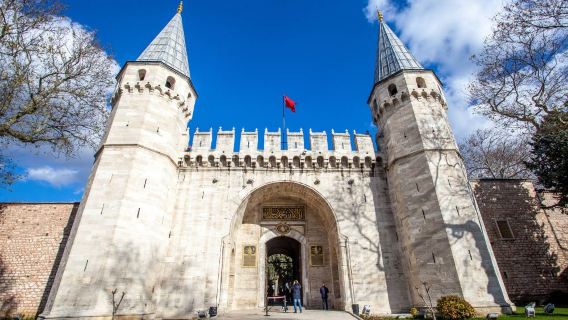
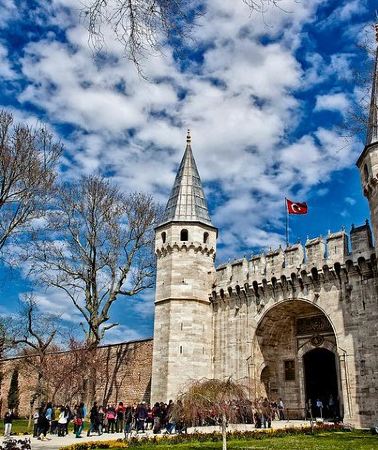
Topkapı Palace and Harem are likely to have more colourful stories than most of the world's museums put together. Libidinous sultans, ambitious courtiers, beautiful concubines and scheming eunuchs lived and worked here between the 15th and 19th centuries when it was the court of the Ottoman empire. A visit to the palace's opulent pavilions, jewel-filled Treasury and sprawling Harem gives a fascinating glimpse into their lives. It has many exhibion halls, Treasury section, and Harem. Mehmet the Conqueror built the first stage of the palace shortly after the Conquest in 1453, and lived here until his death in 1481. Subsequent sultans lived in this rarefied environment until the 19th century, when they moved to the ostentatious European-style palaces they built on the shores of the Bosphorus. Before you enter the palace's Imperial Gate, take a look at the ornate structure in the cobbled square just outside. This is the rococo-style Fountain of Sultan Ahmet III, built in 1728 by the sultan who so favoured tulips. The main ticket office is in the First Court, just before the gate to the Second Court. Topkapı Palace was home to all the Ottoman sultans until the reign of Abdulmecid I (1839-1860), a period of nearly four centuries. First Court Pass through the Imperial Gate into the First Court, which is known as the Court of the Janissaries or the Parade Court. On your left first monument is Hagia Irene Museum a Byzantine church of Hagia Eirene, more commonly known as Aya İrini. Third structure is former Imperial Mint (Darphane-i Âmire, constructed in 1727) which named Currency Imperial Ottoman Administration [Meskûkât-ı Şâhâne] after the Tanzimat Reform. Second Court The Middle Gate led to the palace's Second Court, used for the business of running the empire. In Ottoman times, only the sultan and the valide sultan (mother of the sultan) were allowed through the Middle Gate on horseback. Everyone else, including the grand vizier, had to dismount. The Second Court has a beautiful park-like setting. Unlike typical European palaces, which feature one large building with outlying gardens, Topkapı is a series of pavilions, kitchens, barracks, audience chambers, kiosks and sleeping quarters built around a central enclosure. The great Palace Kitchens on the right (east) as you enter incorporate a dedicated Helvahane (confectionery kitchen). They hold a small portion of Topkapı's vast collection of Chinese celadon porcelain, valued by the sultans for its beauty but also because it was reputed to change colour if touched by poisoned food. On the left (west) side of the Second Court is the ornate Imperial Council Chamber (Dîvân-ı Hümâyûn). The council met here to discuss matters of state, and the sultan sometimes eavesdropped through the gold grille high in the wall. The room to the right showcases clocks from the palace collection. North of the Imperial Council Chamber is the Outer Treasury, where an impressive collection of Ottoman and European arms and armour is displayed. Harem Section The entrance to the Harem is beneath the Tower of Justice on the western side of the Second Court. If you decide to visit – and we highly recommend that you do – you'll need to buy a dedicated ticket. The visitor route through the Harem changes when rooms are closed for restoration or stabilisation, so some of the areas mentioned here may not be open during your visit. As popular belief would have it, the Harem was a place where the sultan could engage in debauchery at will. In more prosaic reality, these were the imperial family quarters, and every detail of Harem life was governed by tradition, obligation and ceremony. The word 'harem' literally means 'forbidden' or 'private'. The sultans supported as many as 300 concubines in the Harem, although numbers were usually lower than this. Upon entering the Harem, the girls would be schooled in Islam and in Turkish culture and language, as well as the arts of make-up, dress, comportment, music, reading, writing, embroidery and dancing. They then entered a meritocracy, first as ladies-in-waiting to the sultan's concubines and children, then to the valide sultan and finally – if they were particularly attractive and talented – to the sultan himself. The sultan was allowed by Islamic law to have four legitimate wives, who received the title of kadın (wife). If a wife bore him a son she was called haseki sultan; if she bore him a daughter, haseki kadın. Ruling the Harem was the valide sultan, who often owned large landed estates in her own name and controlled them through black eunuch servants. Able to give orders directly to the grand vizier, her influence on the sultan, on his wives and concubines, and on matters of state was often profound. The earliest of the 300-odd rooms in the Harem were constructed during the reign of Murat III (r 1574–95); the harems of previous sultans were at the now-demolished Eski Sarayı (Old Palace), near present-day Beyazıt Meydanı. The Harem complex has six floors, but only one of these can be visited. This is approached via the Carriage Gate. Next to the gate is the Dormitory of the Corps of the Palace Guards, a meticulously restored two-storey structure featuring swathes of magnificent 16th- and 17th-century İznik tiles. Inside the gate is the Dome with Cupboards, the Harem treasury where financial records were kept. Beyond it is the Hall with the Fountain, lined with fine Kütahya tiles from the 17th century featuring botanical motifs and inscriptions from the Koran and home to a marble horse-mounting block once used by the sultans. Adjoining this is the Mosque of the Black Eunuchs, which features depictions of Mecca on its 17th-century tiles. Beyond this room is the Courtyard of the Black Eunuchs, also decorated with Kütahya tiles. Behind the marble colonnade on the left are the Black Eunuchs' Dormitories. In the early days white eunuchs were used, but black eunuchs sent as presents by the Ottoman governor of Egypt later took control. As many as 200 lived here, guarding the doors and waiting on the women of the Harem. At the far end of the courtyard is the Main Gate into the Harem, as well as a guard room featuring two gigantic gilded mirrors. From here, the Concubines' Corridor leads left to the Courtyard of the Concubines and Sultan's Consorts. This is surrounded by baths, a laundry fountain, a laundry, dormitories and private apartments. Across the Concubines' Corridor from the courtyard is a room decorated with a tiled chimney, followed by the Apartments of the Valide Sultan, the centre of power in the Harem. From these ornate rooms the valide sultan oversaw and controlled her huge 'family'. Of particular note is the Salon of the Valide Sultan with its lovely 19th-century murals featuring bucolic views of İstanbul, and a pretty double hamam dating from 1585; the gilded bronze railings were a later addition. Past the Courtyard of the Valide Sultan is a splendid reception room with a large fireplace that leads to a vestibule covered in Kütahya and İznik tiles dating from the 17th century. This is where the princes, valide sultan and senior concubines waited before entering the handsome Imperial Hall for an audience with the sultan. Built during the reign of Murat III, the hall was redecorated in baroque style by order of Osman III (r 1754–57). Nearby is the Privy Chamber of Murat III, one of the most sumptuous rooms in the palace. Dating from 1578, virtually all of its decoration is original and is thought to be the work of Sinan. The restored three-tiered marble fountain was designed to give the sound of cascading water and to make it difficult to eavesdrop on the sultan's conversations. The gilded canopied seating areas are later 18th-century additions. Next door is the Privy Chamber of Ahmet III and adjoining dining room built in 1705. The latter is lined with wooden panels decorated with images of flowers and fruits painted in lacquer. Back through the Privy Chamber of Murat III are two of the most beautiful rooms in the Harem – the Twin Kiosk/Apartments of the Crown Prince. These two rooms date from around 1600; note the painted canvas dome in the first room and the fine İznik tile panels above the fireplace in the second. The stained glass is also noteworthy. Past these rooms is the Courtyard of the Favourites. Over the edge of the courtyard (really a terrace) you'll see a large empty pool. Overlooking the courtyard are the tiny windows of the many small dark rooms comprising the kafes (cage) where brothers or sons of the sultan were imprisoned. Adjoining it is the tiled Harem Mosque with its baroque mihrab (niche in a minaret indicating the direction of Mecca). From here, you can follow the passage known as the Golden Road and exit into the palace's Third Court. Third Court The Third Court is entered through theGate of Felicity. The sultan's private domain, it was staffed and guarded by white eunuchs. Inside is the Audience Chamber, constructed in the 16th century but refurbished in the 18th century. Important officials and foreign ambassadors were brought to this little kiosk to conduct the high business of state. The sultan, seated on a huge divan, inspected the ambassadors' gifts and offerings as they were passed through the doorway on the left. Right behind the Audience Chamber is the pretty Library of Ahmet III, built in 1719. On the eastern edge of the Third Court is the Dormitory of the Expeditionary Force, which was closed for restoration at the time of research. When it reopens it will house the palace's rich collection of imperial robes, kaftans and uniforms worked in silver and gold thread. On the other side of the Third Court are the Sacred Safekeeping Rooms. These rooms, sumptuously decorated with İznik tiles, house many relics of the Prophet. When the sultans lived here, the rooms were opened only once a year, for the imperial family to pay homage to the memory of the Prophet on the 15th day of the holy month of Ramazan. Next to the sacred Safekeeping Rooms is the Dormitory of the Privy Chamber, which houses an exhibit of portraits of 36 sultans. The highlight is a wonderful painting of the Enthronement Ceremony of Sultan Selim III (1789) by Konstantin Kapidagli. Imperial Treasury Located on the eastern edge of the Third Court, Topkapı's Treasury features an incredible collection of objects made from or decorated with gold, silver, rubies, emeralds, jade, pearls and diamonds. The building itself was constructed during Mehmet the Conqueror's reign in 1460 and was used originally as reception rooms. It was closed for a major restoration when we last visited. When it re-opens, look out for the jewel-encrusted Sword of Süleyman the Magnificent and the extraordinary Throne of Ahmed I (aka Arife Throne), which is inlaid with mother-of-pearl and was designed by Sedefhar Mehmet Ağa, architect of the Blue Mosque. And don't miss the Treasury's famousTopkapı Dagger, object of the criminal heist in Jules Dassin's 1964 film Topkapı. This features three enormous emeralds on the hilt and a watch set into the pommel. Also worth seeking out is theKasıkçı (Spoonmaker's) Diamond, a teardrop-shaped 86-carat rock surrounded by dozens of smaller stones that was first worn by Mehmet IV at his accession to the throne in 1648. Fourth Court Pleasure pavilions occupy the palace's Fourth Court. These include the Mecidiye Kiosk, which was built by Abdül Mecit (r 1839–61) according to 19th-century European models. Up steps from the Mecidiye Kiosk is the Head Physician's Pavilion. Interestingly, the head physician was always one of the sultan's Jewish subjects. On this terrace you will also find the Kiosk of Mustafa Pasha, sometimes called the Sofa Köşkü. During the reign of Ahmet III, the Tulip Garden outside the kiosk was filled with the latest varieties of the flower. Up the stairs at the end of the Tulip Garden is the Marble Terrace, a platform with a decorative pool, three pavilions and the whimsical İftariye Kameriyesi, a small structure commissioned by İbrahim I ('the Crazy') in 1640 as a picturesque place to break the fast of Ramazan. Murat IV built the Revan Kiosk in 1636 after reclaiming the city of Yerevan (now in Armenia) from Persia. In 1639 he constructed the Baghdad Kiosk, one of the last examples of classical palace architecture, to commemorate his victory over that city. Notice its superb İznik tiles, painted ceiling and mother-of-pearl and tortoiseshell inlay. The small Circumcision Room was used for the ritual that admits Muslim boys to manhood. Built by İbrahim I in 1640, the outer walls of the chamber are graced by particularly beautiful tile panels.Istanbul · 879m from downtown

The Blue Mosque
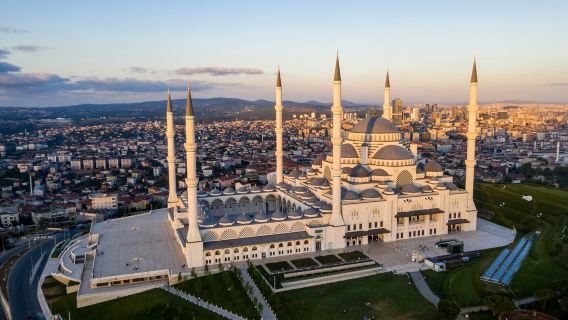
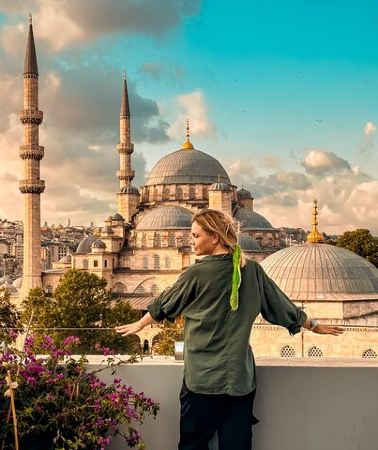
The Blue Mosque, located in Istanbul, Türkiye, is a historic religious and architectural attraction. As a masterpiece from the Ottoman Empire era, this mosque captivates visitors from around the world with its grand scale and exquisite decorations. The mosque gets its name from the blue tiles adorning its interior, which shimmer beautifully under sunlight. Its architectural design blends traditional Islamic styles with Byzantine elements, featuring six towering minarets and a magnificent central dome. Visitors can admire intricate geometric patterns and calligraphic art while experiencing the structure's solemnity and tranquility. Beyond its architectural beauty, it remains an active place of worship where believers perform daily prayers.Istanbul · 19m from downtown

Galata Tower
The Galata Tower is a landmark in Istanbul, towering over the Golden Horn. From the top, you can enjoy panoramic views of the Bosphorus Strait and the Golden Horn. At night, visitors can also dine and unwind at the tower's rooftop restaurant and bar. The history of the tower Originally built as a lighthouse by Byzantine Emperor Anastasius in 507 AD, the tower was initially constructed from wood. After being destroyed by fire, it was rebuilt with stone by the Genoese in 1348, becoming the highest point of the fortress at that time. Despite undergoing multiple renovations and surviving numerous earthquakes and wars, the tower has remained intact. Over the centuries, the Galata Tower has served various purposes, including as a watchtower, prison, and observatory. A bird's-eye view of Istanbul Today, this medieval stone tower stands 9 stories tall at 66.9m. Visitors can take an elevator to the top for a 360-degree panoramic view of Istanbul's breathtaking cityscape and the Bosphorus Strait. By evening, it becomes a prime spot to capture stunning sunset views. Nightlife at the tower The upper floors feature a restaurant, café, and even a nightclub that operates late into the night, offering entertainment such as oriental belly dancing and midnight performances.Istanbul · 2.3 km from downtown
Cruise Experience in Bosphorus
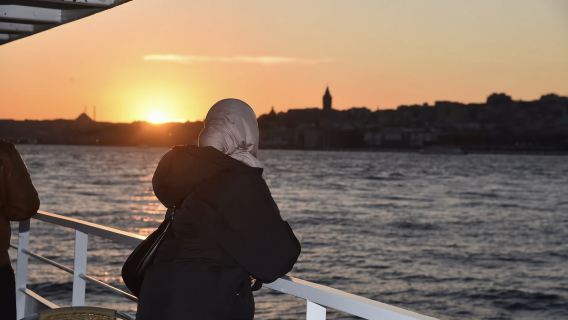
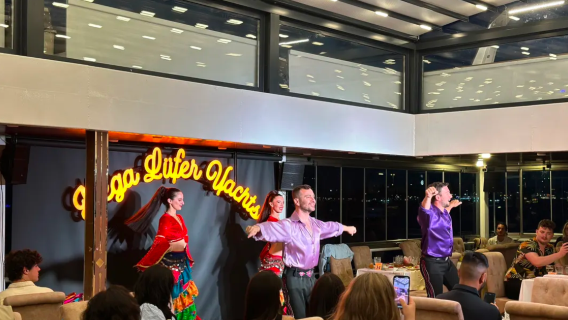
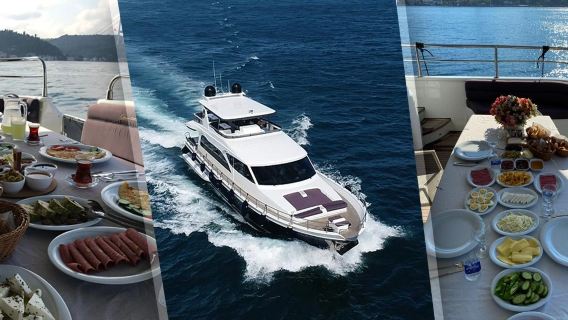
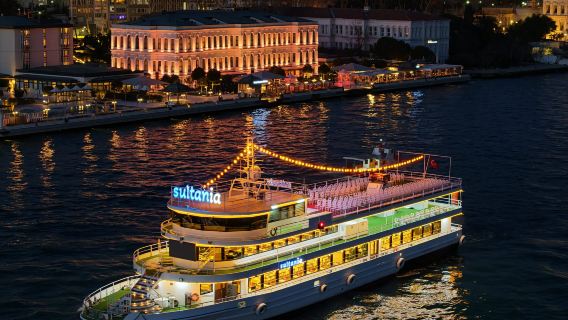
Glide along the Bosphorus Strait, a shimmering blue ribbon dividing two continents. To your left lies Europe, to your right Asia, with Ottoman palaces and modern villas cascading down green hillsides.At dusk, watch domes and minarets glow in the golden hour before city lights begin to sparkle along both shores. It's a poetic passage through Istanbul's layered history, where every wave tells a story of empires and encounters. Sunset Cruise: Set sail during the golden hours of dusk and witness Istanbul's most romantic moments. As the sun sets, the domes of mosques and ancient palaces along the shores are gradually illuminated, while the continents-spanning bridges glow in the twilight—a perfect experience for photography enthusiasts and romantics alike. Dinner Cruise: Indulge in a moving feast under the starlit sky. Savor authentic Turkish cuisine and specialty drinks as you take in the glittering night views of both the European and Asian sides. With the historic Sultanahmet district and modern skyline facing each other across the water, this cruise offers an unforgettable fusion of taste and sight. Dinner & Show Cruise: Combine gourmet dining, breathtaking views, and traditional Turkish culture. Enjoy a lavish dinner while being entertained by live performances such as belly dancing and folk music. As the boat glides through the nighttime waters, immerse yourself in an authentic Turkish atmosphere filled with music and dance. Private Sightseeing Cruise: Tailor your own exclusive journey. Opt for a private yacht or small sightseeing boat and customize your route and stops according to your preferences. Whether for a family gathering or a business event, this personalized experience ensures a unique voyage along Istanbul's most iconic waterways.Istanbul · 1.7 km from downtown

Istiklal Avenue
Independence Avenue in Turkey is about 4 kilometers long and is located in the new urban area of Istanbul. It goes south from Taksim Square to Galata Tower and is a downhill road. This area is considered to be a high-grade area in Istanbul and is very famous among tourists. The street is full of shops, coffee shops, cinemas and other leisure places on both sides, and street performers often perform here, which makes people dazzled. The red old-fashioned Dingding car is another landscape on Independence Avenue, which will shuttle in front of you from time to time. There are also famous buildings in Istanbul such as churches of various sects and consulates of various countries on both sides of the street. It has always been called the "Champs Elysees" of Istanbul.Istanbul · 3.2 km from downtown
Experiences you can't miss in Istanbul
Featured Cultural experiences in Istanbul
View all Cultural experiences
5.0/5
· 5 reviews· 30 bookedFree cancellation
Instant confirmation
Book now for tomorrow
From€26.54
Free cancellation
Book now for tomorrow
From€202.55
Free cancellation
Instant confirmation
Book now for today
8% off
Limited-time sale
From€26.15€28.43
Free cancellation
Instant confirmation
Book now for today
8% off
Limited-time sale
From€39.23€42.65
![Istanbul Topkapi Palace & Harem Museum Tour [Skip-the-Line Admission Ticket with Live Guide]](https://ak-d.tripcdn.com/images/0356h12000rp6sm6oB295_C_568_320.jpg?_fr=wc)
Free cancellation
Book now for tomorrow
From€84.61
Featured Day tours in Istanbul
View all Day tours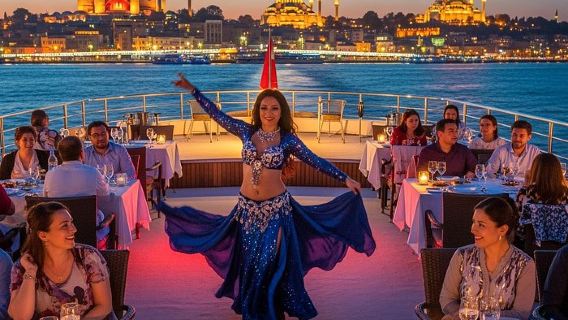
4.3/5
· 28 reviews· 580 bookedFree cancellation
Instant confirmation
Book now for today
80 travellers saved
5% off
Limited-time sale
From€23.00€24.22

4.4/5
· 20 reviews· 185 bookedInstant confirmation
Book now for tomorrow
26 bookings in 7 days
15% off
Limited-time sale
From€17.95€21.12

4.7/5
· 93 reviews· 404 bookedFree cancellation
Instant confirmation
Book now for tomorrow
96.8% of travelers recommend
From€33.00
![Istanbul Bosphorus Cruise Experience Tour [Sightseeing/Sunset/Night Cruise]](https://ak-d.tripcdn.com/images/0350812000mfec5v9E501_C_568_320.jpg?_fr=wc)
4.7/5
· 34 reviews· 603 bookedFree cancellation
Book now for tomorrow
97.1% of travelers recommend
From€9.77

3.7/5
· 3 reviews· 55 bookedFree cancellation
Instant confirmation
Book now for tomorrow
35 bookings in 7 days
From€10.00
4.9/5
· 19 reviews· 207 bookedFree cancellation
Instant confirmation
Book now for tomorrow
From€32.00
4.5/5
· 8 reviews· 203 bookedFree cancellation
Instant confirmation
Book now for today
From€8.89
![Classic Day Tour of Istanbul Old Town|Private group [Optional Chinese guide service]](https://ak-d.tripcdn.com/images/0350w12000qtl5xvk98A0_C_568_320.png?_fr=wc)
Featured Outdoor experiences in Istanbul
View all Outdoor experiences
32 booked
Free cancellation
Instant confirmation
Book now for tomorrow
30 bookings in 7 days
8% off
Limited-time sale
From€40.11€43.6


4.2/5
· 2 reviewsFree cancellation
Book now for tomorrow
From€49.70
Free cancellation
Instant confirmation
Book now for tomorrow
From€94.45
Free cancellation
Instant confirmation
Book now for tomorrow
5% off
Limited-time sale
From€41.42€43.6
3.0/5
· 1 reviewFree cancellation
Instant confirmation
Book now for tomorrow
5% off
Limited-time sale
From€27.61€29.07

Free cancellation
Instant confirmation
Book now for tomorrow
8% off
Limited-time sale
From€26.74€29.07
Featured Food & drink in Istanbul
View all Food & drink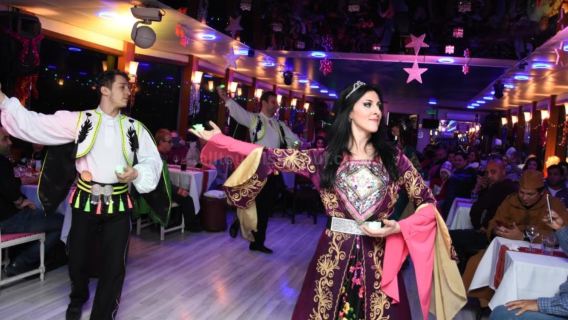
4.5/5
· 6 reviews· 147 bookedFree cancellation
Instant confirmation
Book now for tomorrow
From€30.00
Free cancellation
Instant confirmation
Book now for tomorrow
8% off
Limited-time sale
From€65.39€71.08
From€7.08
From€7.08
Free things to do in Istanbul
Historic Areas of Istanbul
Istanbul · 144m from downtownBosphorus
Istanbul · 3.2 km from downtownBook now for tomorrowThe Blue Mosque
Istanbul · 19m from downtownIstiklal Avenue
Istanbul · 3.2 km from downtownBook now for tomorrow
Grand Bazaar
Istanbul · 958m from downtown
Taksim Square
Istanbul · 3.6 km from downtownBook now for tomorrow
Galata Bridge
Istanbul · 1.7 km from downtown
Sultanahmet Square
Istanbul · 158m from downtownBook now for tomorrow
Obelisk of Theodosius
Istanbul · 150m from downtown
Suleymaniye Mosque
Istanbul · 1.6 km from downtown
More ways to travel from Istanbul
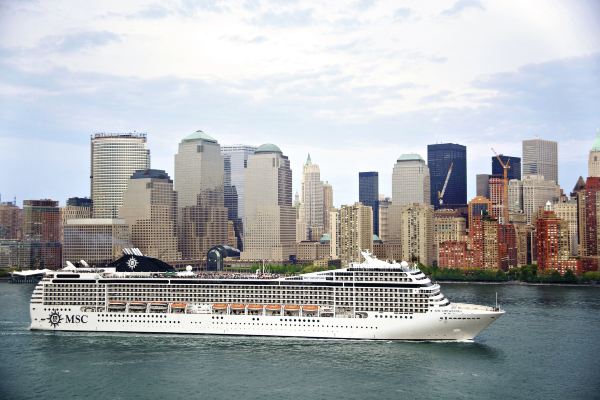
Istanbul Cruises
See all cruises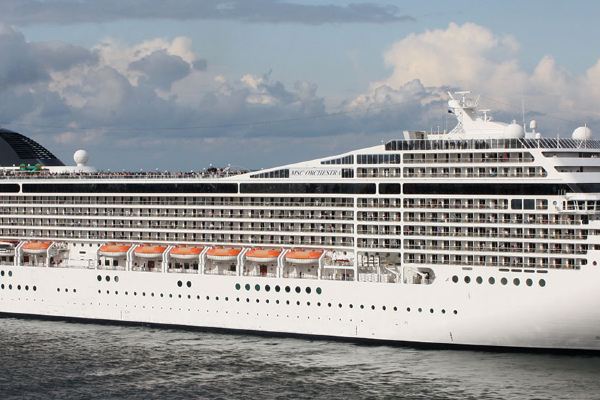






Private Tours in Istanbul
View More Private Tours in Istanbul

Group Tours in Istanbul
View More Group Tours in Istanbul


What travellers say about Istanbul

136***69September 16, 2026
5.0
The Hagia Sophia was under renovation both inside and out, so taking photos was a bit of a disappointment. The visitor entrance is on the right side of the main gate, and you need to wear a headscarf to enter. We bought our skip-the-line tickets in advance, and although it was Saturday, the lines weren't long. I only spent two hours at the three attractions in total. Although we arrived late, we were able to enter the Hagia Sophia, the Basilica Cistern, and the Blue Mosque smoothly.
The Hagia Sophia and the Basilica Cistern are both over 1500 years old. The interior of the Hagia Sophia is weathered by history. Under the same dome, a thousand years ago, Greek chants filled the air, then Latin hymns, and now Arabic calls to prayer—the sounds have changed, but the devout faith in the divine and the spiritual cleansing and awe remain the same. It is a pinnacle of Byzantine architecture and a living fossil of the overlap of Christian and Islamic civilizations. In the past 1500 years, it has undergone four transformations: church—mosque—museum—mosque—and back to mosque. The core architectural marvel is the central dome, approximately 31 meters in diameter and 55.6 meters high, supported by pendentives on a square base. For nearly a thousand years, it was the world's largest cathedral. A single building, layered with Byzantine domes, Ottoman minarets, Kemal Atatürk's secularism, and Erdogan's re-Islamization—this is Hagia Sophia's most unique historical value. While exploring the interior, the wooden windows reminded me of cave dwellings on the Loess Plateau. Even the cathedral's entrances felt like entering a cave, the walls undecorated, just earthen caves. Only the intricate murals on the interior dome hinted at its splendor a thousand years ago.
Hagia Sophia

M28***12August 14, 2026
5.0
I really liked it. It had a beautiful atmosphere, unlike the scorching heat outside. It was comfortable and cool, and I was also impressed by the wisdom of this ancient water storage and drainage system. It was definitely worth a visit.
Basilica Cistern

Travel JuriOctober 30, 2025
5.0
Very nice, especially love the cats that are everywhere! 🐈🐈⬛
Historic Areas of Istanbul

GermanSadSeptember 16, 2026
5.0
Дворец очень впечатлил, совсем не рассчитывал провести здесь половину дня. Кроме прекрасных видов на Босфор, открывающихся из прекрасных садов, рассчитывайте на часовые прогулки среди различных шикарных османских интерьеров а также целой картинной галереи с десятками картин Айвазовского.
Dolmabahce Palace

Anonymous userSeptember 6, 2026
5.0
This cruise was fantastic! You absolutely must book tickets with this company for the Strait of Prussia. The scenery was amazing, and the route was excellent. We saw so many seagulls and saw a variety of different architectural styles, a wonderful blend of European and Chinese influences. It was truly amazing and definitely worth a visit.
Bosphorus

Traveler DanAugust 19, 2026
5.0
The tour was great. The guide met us out the front and took us in. He was very knowledgeable and also tried his best to keep us out of the crowds. He was happy to answer any questions we had and didn’t rush us. The tour lasted 3 hours and was well worth it.
Topkapi Palace

_TI***jrAugust 6, 2026
5.0
Before checking into the hotel for an important job interview, I casually mentioned needing a quiet environment, and the hotel's attention to detail proved invaluable. True quality is revealed in the smallest details, and this hotel's meticulous service embodies the highest level of hospitality. The room had been specially soundproofed beforehand; with the door closed, I couldn't hear any outside noise. The desk was cleared of unnecessary clutter, with only a soft-light lamp providing convenient light for organizing my documents. The wake-up call the next morning came five minutes early, ensuring I wouldn't be too late or disrupt my schedule. As I prepared to leave, the front desk quietly offered me a small bottle of warm water and a mint, offering no further questions, just a gentle reminder to relax. Throughout the entire process, no one disturbed my preparation; all the services were quietly prepared. This perfect sense of proportion is the highest form of gentleness and respect; this understated support is far more reassuring than any encouragement.
The Blue Mosque
Anonymous userJanuary 6, 2026
4.0
I didn’t have audio with me, so you have to read the English signs but mostly Turkish. The view is amazing to entire Istanbul, so beautiful
Galata Tower

十二是猫不是狗July 19, 2026
5.0
The winds of the Bosphorus swept across Istanbul at dusk. For two hours on the cruise ship, I quietly watched the buildings along the European and Asian sides of the shore. I couldn't believe that I, at 28, was experiencing all of this. We will never be younger than we are today.
Cruise Experience in Bosphorus

pshrMarch 5, 2026
5.0
Overlooking Istiklal Street, located in the heart of a historic European town, it boasts a prime location, bustling streets, towering buildings, and throngs of people, offering a panoramic view of the grandeur and prosperity of this century-old metropolis.
Istiklal Avenue


