Nyemo

Things to do in Nyemo

Search attractions or local attractions & tours
Search

Explore top experiences

Top 10 attractions in Nyemo
View all Attractions
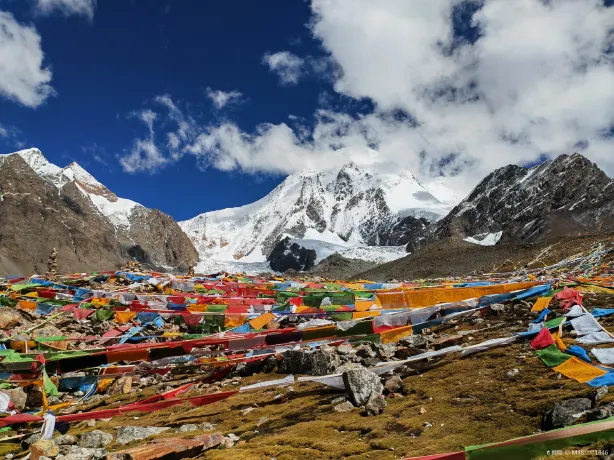
Qiongmu Gangri Peak

Qiongmu Gangri Peak

4.3
4.3/5
4 reviews

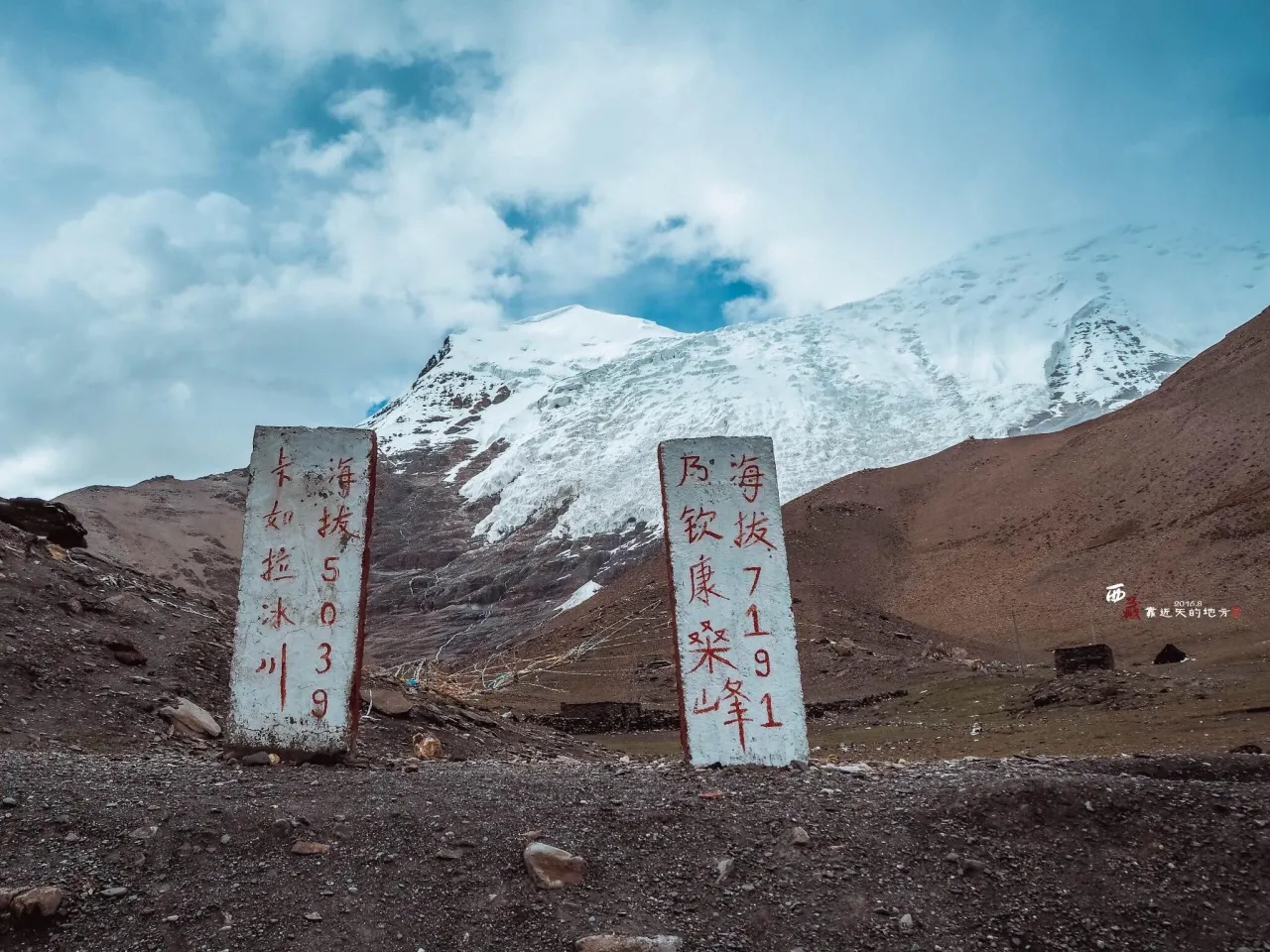
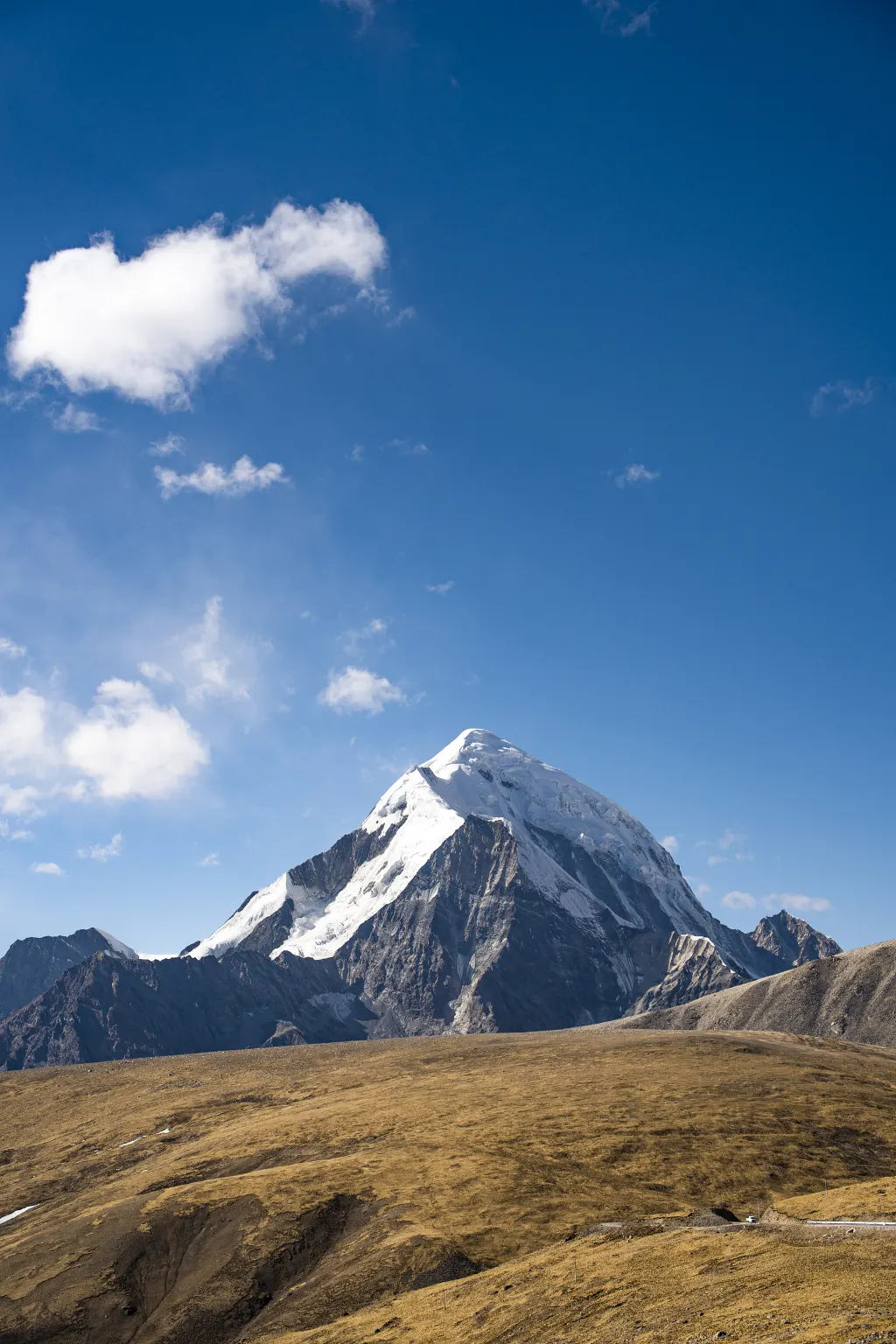
Qiongmu Gangri Peak (also written as "Qiongmu Gangga" or "Qiongmu Gangri Peak" in many sources) stands in Nimu County, Lhasa. Its main peak reaches an altitude of 7,048 m. Situated at the southwestern end of the Nyainqentanglha Mountains, it is one of the few 7,000-meter-class snow-capped mountains around Lhasa and is the source of the Nimu Maqu, the mother river of Nimu County. Its Tibetan name means "learned fairy." The snow-capped peak is shrouded in clouds and mist year-round, looking from afar like a fairy draped in a white veil. It is surrounded by dozens of snow-capped peaks over 6,000 m, with well-developed horn peaks, arêtes, cirques, and hanging glaciers. Together with the peaks of the Nyainqentanglha Mountain, it stretches between the Qiangtang Grassland in northern Tibet and the Yarlung Zangbo River valley, with distinct scenery on either side of the mountain. Ordinary travelers can get close to this snow-capped mountain without mountaineering skills: it is a half-day self-drive from Lhasa. The final section involves climbing along a winding mountain road, where snow-capped peaks come into view from different angles. After parking, you can walk along the boardwalk to the Five-Color Lake, an alpine lake at the foot of the mountain. The lake reflects the icy peaks and prayer flags, and alpine wildflowers are scattered across the meadows. If you are lucky, you might even encounter blue sheep and snow chickens. Further up are glacial landforms such as icefalls, ice forests, and ice walls. The altitude is around 5,000 m, and every step requires significant physical effort. In the eyes of mountaineering enthusiasts, it remains a secret realm. It was not successfully summited until 1996 by a joint China-South Korea mountaineering team, and very few teams have successfully summited since then. The mountain area has a semi-arid climate, with most precipitation concentrated between May and September. Rain and snow are frequent around August, and the weather often turns from sunny to overcast within a day, with sudden showers, hail, and even thunderstorms. There are more sunny days in the fall, increasing the chances of seeing the full view of the snow-capped mountain. The hiking section is at a high altitude, so please acclimatize to the plateau in advance, know your limits, prepare warm clothing, and take precautions against sun and rain. If clouds gather in the afternoon and the weather deteriorates, you should descend as early as possible.

Nyemo · 49.8 km from downtown
Free attraction
Potala Palace
No. 1 of Best Things to Do in Tibet

Potala Palace

8.2
4.7/5
22.5k reviews

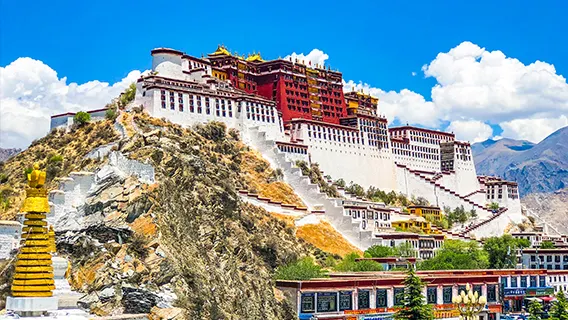
The Potala Palace is the symbol of Xizang and a sacred place in the hearts of all pilgrims! "Potala" is a Sanskrit word, also translated as "Putuo", which originally refers to the residence of Guanyin Bodhisattva. When you come here, you can not only view the large number of historical relics collected in the palace, appreciate the wonderful architectural art of the Tibetan people, but also have a baptism of the soul in that holy atmosphere. The origin of the Potala Palace According to historical records: In the 1930s of the seventh century AD, the 33rd Tibetan King Songtsen Gampo moved the capital to Lhasa and began to build the Potala Palace. Since then, major religious and political ceremonies have been held here, and it has become the ruling center of Xizang integration of politics and religion. The White Palace and the Red Palace The Potala Palace has a distinct Tibetan style and is majestic. It is the existing complete palace-style building complex in Xizang and is known as one of the world's top ten earth buildings. Its main buildings are divided into two parts: the White Palace and the Red Palace. The White Palace is named after its white exterior wall. It is the place where the lamas live and conduct political activities. Because the sun shines all day long, it is called the East and West Sunlight Palaces. The Red Palace is located at the top center of the Potala Palace. Its outer wall is red and it consists of many stupas and various Buddhist temples. Historical relics The Potala Palace houses and preserves a large number of historical relics, including stupas, statues, murals, thangkas, scriptures and books, as well as gold books, jade books, gold seals granted by the emperors of the Ming and Qing dynasties, which show the historical relationship between the Xizang local government and the central government, as well as gold and silver wares, jade wares, porcelain, enamel and handicrafts. Among them, the eight stupas from the fifth generation are eye-catching. They are all magnificent and decorated with a dazzling array of gems, which can be called a palace of art.

Lhasa · 95.5 km from Nyemo
Free attraction
Namtso
No. 2 of Best Things to Do in Tibet

Namtso

7.9
4.5/5
6k reviews

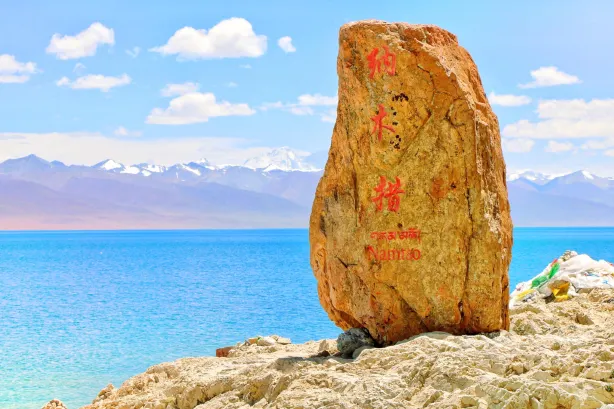
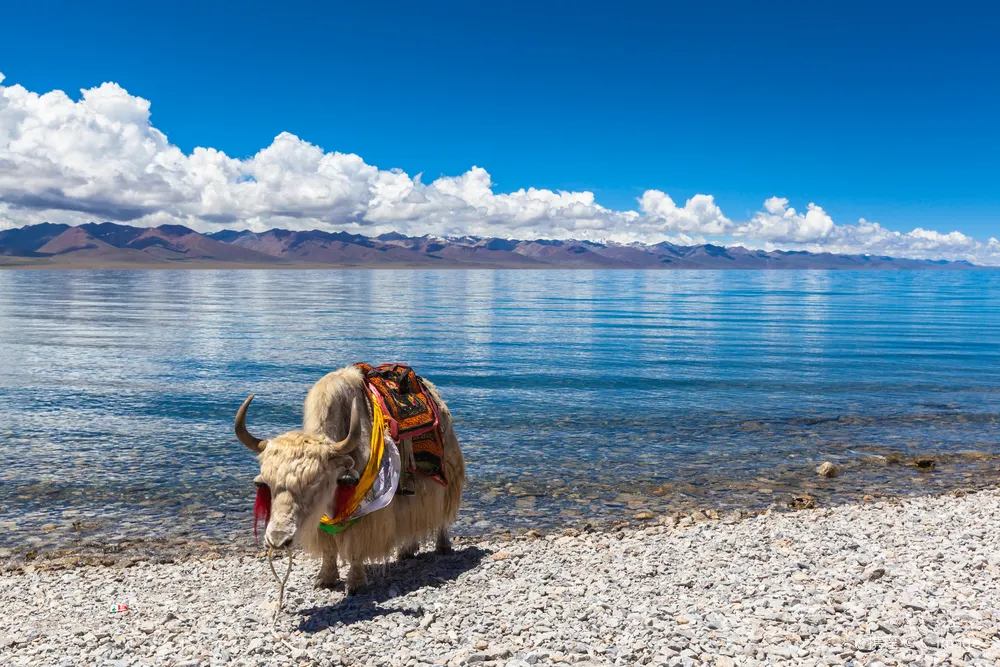
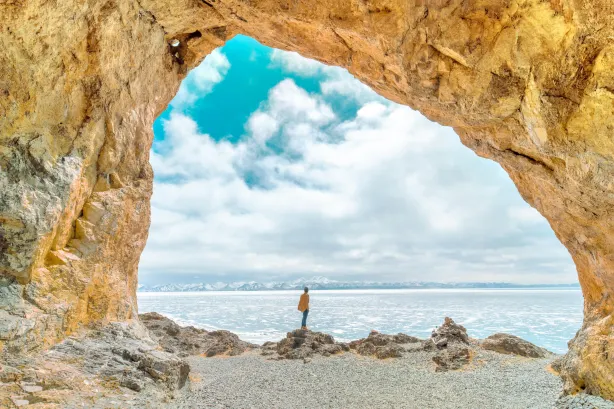
Namtso is located on the northern Xizang plateau north of Lhasa. "Namtso" means "heavenly lake" in Tibetan and is called "Tengri Sea" in Mongolian, both sharing the same meaning. Along with Yamdrok Yumtso and Mapam Yumtso, it is known as one of the three holy lakes of Xizang. With a surface elevation of over 4700 m, it stretches more than 70 km from east to west and covers nearly 2000 km², making it the second largest saltwater lake in Xizang. Its southern shore is backed by the continuous Nyenchen Tanglha snow-capped mountains, whose peaks reflect clearly in the sapphire-blue lake water on calm sunny days. According to local legends, these mountains and Namtso have been companions for millennia, adding a touch of tenderness to the landscape. Lake tour Namtso means "Tengri Sea" in Mongolian and is said to be the sacred site of the Buddhist deity Chakrasamvara, making it a renowned pilgrimage destination in Tibetan Buddhism. During the Year of the Sheep, it is believed that buddhas, bodhisattvas, and protector deities gather at Namtso to hold grand religious ceremonies. If devotees circle the lake and chant scriptures once during this time, it is considered more meritorious than doing so 100,000 times in ordinary years, bringing immeasurable blessings. Thus, during the Year of the Sheep, monastic and lay devotees undertake long journeys to circumambulate the lake. Many pilgrims visit Namtso during the Saga Dawa festival on the 15th day of the fourth month in the Tibetan calendar. 1-day tour Many travel agencies in Lhasa offer 1-day tour packages to Namtso. The typical itinerary involves departing in the morning, arriving after 3-4 hours, spending 2-3 hours exploring, and then returning the same way. If you don't want a private charter, this is the only option available and also the conventional way to visit Namtso. For those who prefer to avoid the crowds, you can arrange a private charter or find a shared transfer in Lhasa city. While the route remains the same, the advantage is greater itinerary flexibility, along with the option to stay overnight by the lakeshore. Leaving Damxung County and crossing the Nagen La Pass at an elevation of 5190 m, one can glimpse the vast sapphire-blue waters in the distance. By the lakeside stand two towering boulders side by side, known as the welcoming stones of Namtso or the husband-and-wife stones. Legend has it they are the gatekeepers of Namtso. It is said they represent the goddess who governs the wealth of northern Xizang's grasslands. Merchants would pray here for her blessing before business trips to ensure prosperity, hence these stones are also called the wealth deity stones. A number of prefabricated houses have been built near Tashi Peninsula, including restaurants and inns. This is where Namtso offers food and stay by the lake. If you come to Namtso by private charter, you can spend a night here. You can enjoy the beautiful sunset at dusk, wake up early to greet the sunrise on Tashi Peninsula, or gaze at the sky by Namtso's lake at midnight, where you can even discern the outline of the Milky Way. The lake area features high altitude, strong winds, and intense UV radiation. Even in midsummer, temperatures can drop to around 10°C in the morning and evening, so packing a thick coat, sunglasses, and sunscreen is advisable. Slow down when moving through mountain passes or along the lakeshore to allow your body time to adjust. Please show respect when observing pilgrims circling the lake or photographing mani stones and prayer flags, and avoid stepping on the mani piles. Most travelers make a round-trip from Lhasa in a single day, but we recommend setting aside a full day and bringing your own snacks and hot water. From June to September, the lakeside grasslands are lush with vegetation and wildflowers, offering exceptionally rich scenery. In winter, the frozen lake and vast landscape create a unique atmosphere, but pay close attention to weather conditions and your physical state before traveling.

China · Damxung
41% offFrom PHP 813.40
Yamdrok Yumtso
No. 3 of Fall Viewing Attractions in Tibet

Yamdrok Yumtso

7.5
4.6/5
2.6k reviews

Yamdrok Yumtso means "swan pool" in Tibetan and is also called Yamdrok Yumtso Lake, locally referred to as "Yang Lake" for short. Along with Namtso and Mapam Yumtso, it is known as one of the three holy lakes of Xizang. Located on the south bank of the Yarlung Zangbo River in Nagarze County, Shannan City, the lake surface sits at an elevation of approx. 4400 m, making it a relatively large inland lake on the northern foothills of the Himalayas. Yamdrok Yumtso has numerous branching inlets and winding tributaries, resembling coral branches spreading among the mountains when viewed from above, hence its Tibetan name "upper coral lake." The lake water displays alternating layers of blue and green under different lighting conditions. The lake is dotted with over a dozen small islands and is home to plateau fish species such as the fine-scaled fish, Xizang schizothoracin, and plateau naked carp. It is also an important waterbird habitat in southern Xizang, where migratory birds like swans, bar-headed geese, yellow ducks, and ospreys gather in flocks along the lakeshore and on the central islands to overwinter each winter. Yamdrok Yumtso is more impressive when viewed from afar than up close. After crossing the Gambala Pass at an altitude of about 5,000 meters, the view suddenly opens up, and the winding lake surface can be seen like a ribbon below—a classic angle to admire Yamdrok Yumtso. Descending the winding mountain road for about half an hour leads to the lakeshore, with multiple viewing platforms along the way for stopping to take photos and appreciate the changing colors of the lake and the interplay of mountains and water from different heights.

Nagarze County · 79.3 km from Nyemo
Free attraction
Jokhang Temple
No. 1 of Global Traveller-Picked Attractions in Lhasa

Jokhang Temple

7.1
4.5/5
4.6k reviews

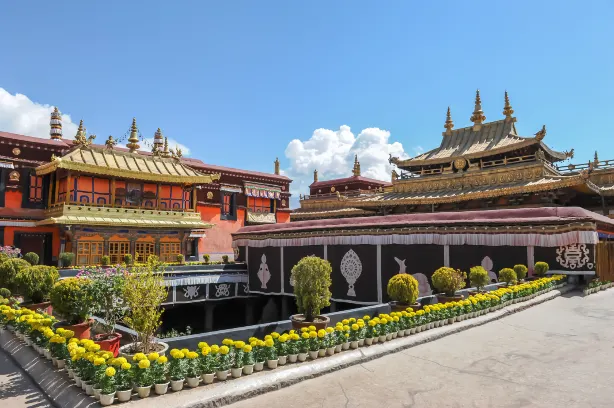
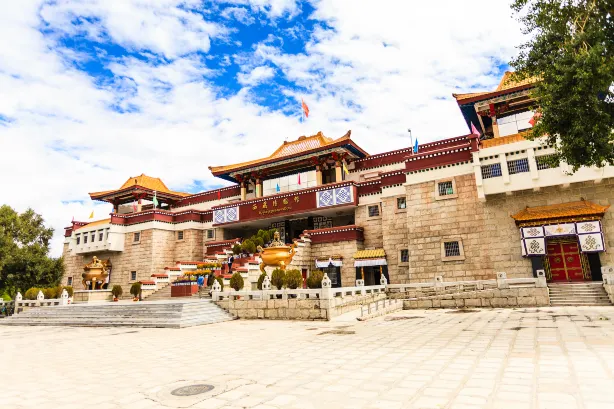
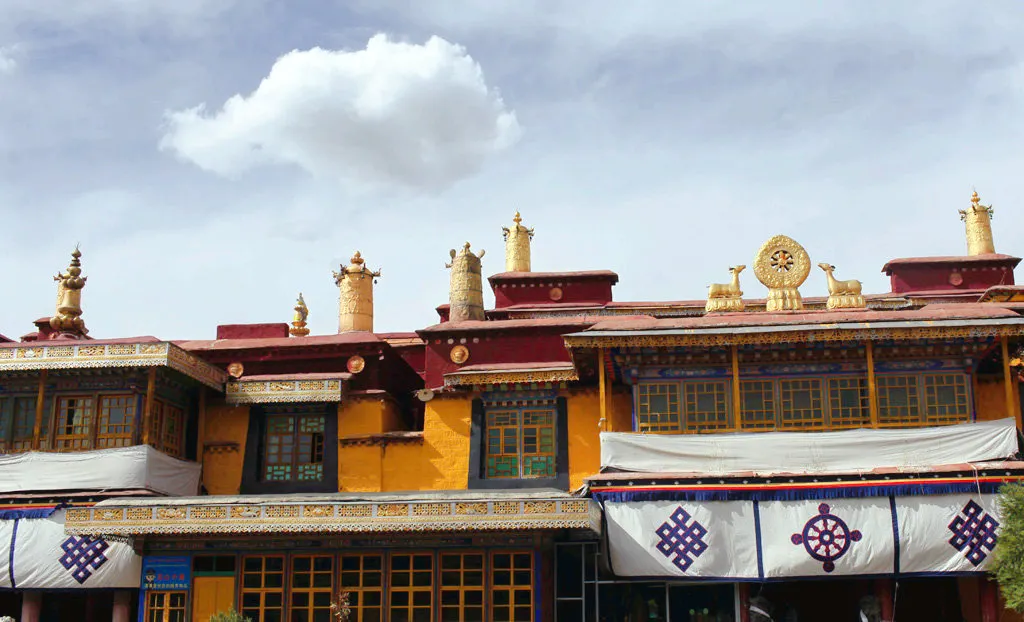
Jokhang Temple, known as "Jokhang" in Tibetan and also called "Tsulag Khang," is the ultimate destination for Tibetan Buddhist devotees. In their hearts, Jokhang Temple is as sacred as the Potala Palace. Both geographically and spiritually, Jokhang Temple is the true holy site and center of Tibetan Buddhism, holding an exceptionally lofty and pure status in Tibetan Buddhist history. Built in the mid-7th century by Tibetan King Songtsen Gampo to enshrine the 8-year-old life-sized statue of Sakyamuni brought by his Nepalese princess Bhrikuti from her hometown of Kathmandu, Jokhang Temple gained further prominence in 1409 when Tsongkhapa, the founder of the Gelug school, propagated Buddhist teachings and held the Great Prayer Festival here, solidifying its pivotal role in Tibetan Buddhist history. In the 8th century, the 12-year-old life-sized statue of Sakyamuni brought by Princess Wencheng of the Tang Dynasty from Chang'an was enshrined in Jokhang Temple, becoming its most treasured relic and a must-see for travelers and pilgrims alike. In addition, the temple houses nearly 1 km-long Tibetan-style murals depicting "Princess Wencheng's journey to Tibet" and "The construction of Jokhang Temple," as well as two embroidered thangkas of guardian deities from the Ming Dynasty, which are rare artistic treasures. Lhasa has three circumambulation routes—inner, middle, and outer—all centered around Jokhang Temple. The inner route, called "Nangkhor," circles the Jokhang Hall within the temple. The middle route, called "Barkhor," goes around the outer perimeter of Jokhang Temple. The outer route, called "Lingkhor," encompasses the Potala Palace, Chakpori Hill, Ramoche Temple, and Jokhang Temple. Attraction guide: Entering Jokhang Temple through the main gate leads to a courtyard. On the east side of the courtyard are rows of butter lamps, which remain lit year-round as devotees replenish the butter daily. Behind the butter lamps is the main entrance to Jokhang Temple's central hall. To the left of the entrance is a statue of Padmasambhava, founder of the Nyingma school, and to the right is Jampa Buddha, also known as Maitreya or the Future Buddha. The right wall features murals depicting the temple's founding, including scenes of the Potala Palace in the 7th century and the lake-filling construction of Jokhang Temple. Proceeding clockwise, visitors encounter the chapel dedicated to Tsongkhapa, founder of the Gelug school, and his eight disciples. Continuing right, passing the Yaksha and Naga chapels, and beyond hundreds of butter lamps lies the renowned "Jokhang" Hall—the heart and essence of the temple. At its center is the main assembly hall, where monks chant and meditate, surrounded by smaller chapels. The unmissable highlight is the central chapel housing the 12-year-old life-sized golden statue of Sakyamuni, brought by Princess Wencheng. This sacred center of Jokhang Temple is the ultimate destination for devout pilgrims. Stairs beside the courtyard lead to the second and third floors. The second floor features the Dharmaraja Chapel, with statues of King Songtsen Gampo, Princess Wencheng, and Princess Bhrikuti, as well as the Palden Lhamo Chapel dedicated to the protective deity. The spacious terrace on the second floor offers a panoramic view of the Potala Palace, making it an ideal photo spot. The third floor's golden roofs are another attraction, though this level is rarely open to the public. If fortunate enough to ascend, visitors are awestruck by the four resplendent golden pinnacles.

Lhasa · 96.8 km from Nyemo
Princess Wencheng Theater

Princess Wencheng Theater

6.9
4.2/5
118 reviews

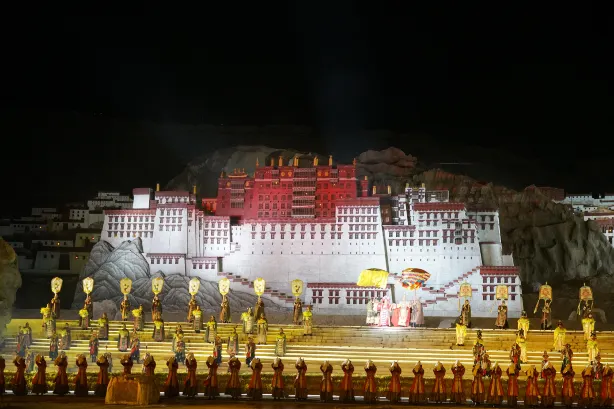
Princess Wencheng Theater is located in the Cijielin Valley on the south bank of the Lhasa River, facing the Potala Palace across the water. It is a high-altitude, open-air, real-scene theater that uses the natural mountain as its backdrop and the highland starry sky as its ceiling. The theater's core performance is the grand epic drama "Princess Wencheng," which follows the historical story of Princess Wencheng's long journey to marry the Tibetan King Songtsen Gampo, recreating the legend of the Han-Tibetan marriage alliance from over 1,300 years ago. The entire play unfolds in five acts, progressing from the selection of the princess in the Tang Dynasty court and her arduous journey, to the Tibetan people tamping the earth to build the Potala Palace and the grand celebration of the Han-Tibetan union. Most of the cast members are Tibetan villagers from around Cijielin Temple. They farm and herd during the day, and at night, they bring their own horses, yaks, and sheep onto the stage to "perform." The sight of real livestock moving across the stage is what sets this production apart from typical stage performances. The play features moving scenes, such as the princess shattering the Sun and Moon Mirror to sever her homesickness, the poignant sentiment that "there is no such thing as a distant place, for everywhere on earth is home," and the critical moment of carrying the 12-year-old life-sized statue of Sakyamuni across snow-capped mountains into Tibet. The performance also incorporates dozens of Tibetan intangible cultural heritages, such as Zhuo dance, Guozhuang, Jiaxie, and Tibetan opera. The scene where hundreds of people perform the "Aga" tamping dance is particularly stunning—this traditional Tibetan labor scene, where people sing while tamping roofs, is presented in its original, authentic form without excessive technological embellishment, which creates a unique and powerful stage presence. As night falls and the lights come on, the starry sky and the mountains form a natural backdrop, transporting the audience into this epic that spans a millennium.

Lhasa · 97.4 km from Nyemo
Nyemo Today's weatherCloudy -12-11℃
Nyemo weather for the next 2 days11/30: -11-12℃, 12/1: -11-11℃

Free things to do in Nyemo
What travellers say about Nyemo

user-avatar
格格巴July 21, 2020
4.0
Qiongmugangri Peak (also called Qimugangga, Qiongmugangga, etc.) is 7048.8 meters above sea level, located in the southwest of Yangbajing, and belongs to the Nyainqentanglha Mountains. The car crawled up in a zigzag manner on the bumpy and rotten road, and the majestic Qiongmugangri Peak guided the direction of progress like a lighthouse. Qiongmugangri Peak (which means a learned fairy in Tibetan) is 7048 meters above sea level. The top of the mountain is covered with snow all year round. If the weather is good, you can appreciate this beautiful fairy from different angles from the moment you enter Yangbajing Town. Some literary and artistic works also describe Qiongmugangri Peak as "a secluded orchid in the valley and a gentleman in the mountains."

Qiongmu Gangri Peak

user-avatar
喜欢旅行者的海盗船长September 25, 2025
5.0
Qiongmu Snow Mountain was definitely the most unforgettable stop of my trip! Starting early in the morning at the foot of the mountain, the air became purer as we ascended, and the distant snow-capped peaks shone with a holy glow in the sunlight. Arriving at the observation deck, the sight took my breath away: towering snow-capped mountains, a sea of ​​clouds billowing beneath us, a breathtaking scene of paradise. The beauty of this place lies not only in its visual impact but also in its tranquility and purity. Standing before the snow-capped peaks, all worries seem insignificant. I was fortunate to have clear weather, and was able to capture a stunning photo of the sun illuminating the golden mountain. The scenic area is well-equipped, and the plank roads are strategically constructed, allowing visitors to experience the beauty of the snow-capped mountains up close without damaging the fragile ecosystem. There are also thoughtful rest areas and viewing platforms along the way for visitors to refresh themselves. If I have the opportunity, I will definitely return to Qiongmu Snow Mountain, perhaps trying a more challenging hike next time to explore some of its less-visited secrets. The beauty of this place is worth remembering for a lifetime.

Qiongmugangga Snow Mountain Scenic Area
user-avatar
旅行遇你November 25, 2026
5.0
⭐⭐⭐⭐⭐ Five-star review! This guided tour of the Potala Palace exceeded my expectations! The guide's professionalism was solid. From the palace's construction history and the story of Songtsen Gampo and Princess Wencheng, to the architectural structure of the Red and White Palaces and the stories behind the murals and stupas, everything was explained in a clear, concise, and engaging way. The guide maintained a good pace throughout, proactively reminding everyone to slow down and take breaks due to the many steps at high altitude, and constantly checking on everyone's altitude sickness. They were familiar with the palace's layout, avoiding crowds, and even shared good photo spots. They patiently answered all questions without any hard selling; the entire tour was purely guided. While exploring the Potala Palace on your own only allows you to see the architecture, a guided tour truly allows you to understand the millennia-old stories of the Potala Palace. I highly recommend this guide when visiting Lhasa!

Potala Palace

user-avatar
M22***09October 16, 2025
5.0
You can't drive in, you can only take the scenic area's sightseeing bus. This is necessary to protect the ecological environment, so support it! The lake is huge, with varying shades of blue from shallow to deep. There are many birds around the lake, and it's truly beautiful. A must-see when you're in Lhasa.

Namtso National Park

user-avatar
设拉子楚庄王October 21, 2026
5.0
The shuttle bus takes an hour round trip. The scenery is quite beautiful, different from Yamdrok Lake; it's more like the sea, but the colors are stunning. It's windy, so remember to wear warm clothes. The cattle are exceptionally clean and very docile.

Namtso

user-avatar
M22***95November 6, 2026
5.0
Yamdrok Lake is like a piece of jade left behind on the plateau, its clear, deep blue waters winding quietly among the snow-capped mountains. As the sunlight shifts, the blue hues change layer by layer, washing away worldly worries at a glance—truly a fairyland in southern Tibet.

Yamdrok Yumtso

user-avatar
李肢强October 8, 2026
5.0
Visiting Jokhang Temple again after many years, the entrance has been significantly improved, making it look more like a proper tourist attraction. The interior remains the same, but the management is more comprehensive; however, the third floor is no longer open to the public. It's a must-see attraction on any trip to Lhasa.

Jokhang Temple

user-avatar
Anonymous userJuly 31, 2026
5.0
When visiting Lhasa, seeing the Princess Wencheng Theater is a must-do attraction. The theater is quite large, with a museum nearby, and the Potala Palace is visible in the distance directly opposite. It's definitely worth a visit.

Princess Wencheng Theater

Trip Moments in Nyemo

Popular cities near Nyemo
Frequently asked questions

How can I contact Trip.com customer support?

Get help anytime, anywhere within 30 secondsContact customer support

Change and cancellation policies vary by attractions and tours. Please check the product details page for more information.

Ticket prices may vary between weekdays and weekends, as well as during peak and off-peak seasons. When booking with Trip.com, you can also use Trip Coins to get extra savings. For more tips on booking discounted tickets, please visit Trip.com for the latest information.