Qingshuihe

Things to do in Qingshuihe

Search attractions or local attractions & tours
Search

Explore top experiences

Top 10 attractions in Qingshuihe
View all Attractions
Laoniuwan Yellow River Grand Canyon Tourist Area
No. 13 of Best Things to Do in Inner Mongolia

Laoniuwan Yellow River Grand Canyon Tourist Area

6.7
4.3/5
492 reviews

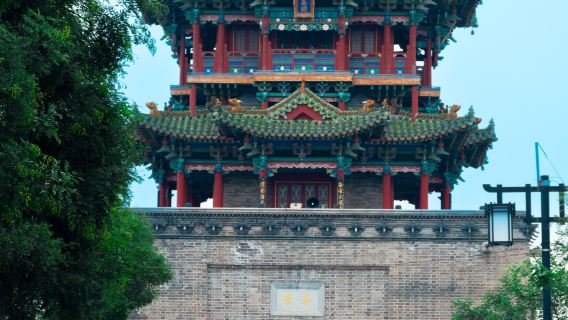
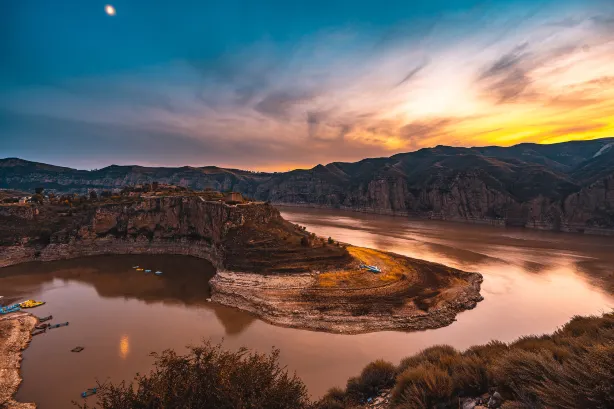
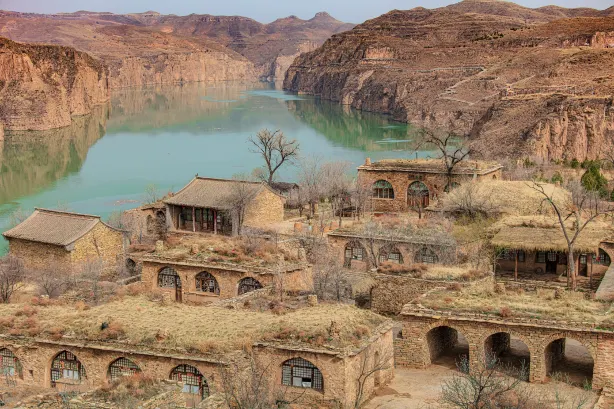
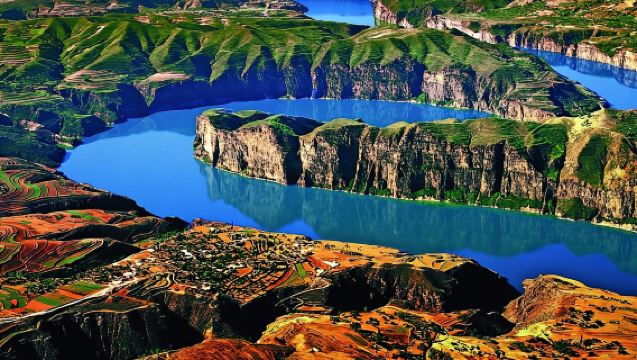
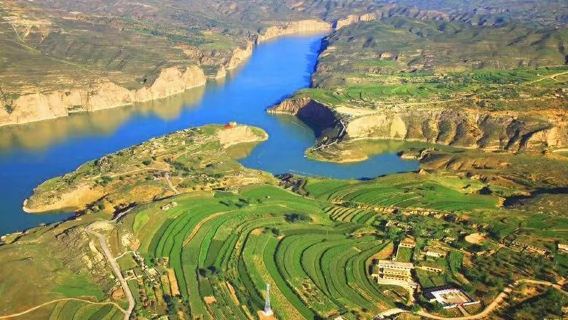
The Laoniuwan Yellow River Grand Canyon Tourist Area is located in the southwest of Qingshuihe County, covering an area of ​​9.5 square kilometers. It is located in the core area of ​​the Shanxi-Mongolian Yellow River Grand Canyon and the hinterland of the Yellow River "J" bend. It was rated as a national 4A-level tourist Attraction in 2016 and is currently actively creating a national 5A-level tourist Attraction. It is the place where the Yellow River and the Great Wall "shake hands" and is known as "the first bay of the Yellow River in the world", "one of the ten most beautiful canyons in China", and "the Little Three Gorges in the North". The Laoniuwan Village, where the Attraction is located, was rated as a traditional Chinese ancient village in 2015. There are many cultural relics and historical sites in the Laoniuwan Yellow River Grand Canyon tourist area, with beautiful natural and cultural landscapes and profound historical and cultural heritage. The canyon section of more than 30 kilometers has strange peaks and cliffs on both sides, with various postures. It has the unique wonder of the place where the Great Wall and the Yellow River shake hands, the ruins of the ancient city of Ningbianzhou, the Laoniuwan ancient village, the natural Shiping Square - Shenniu Square, the Nine Bends of the Yellow River with the symbolic significance of the 99 bends of the Yellow River, the quiet and profound Yangjiachuan Small Canyon, the 270-degree Taiji Bay, the walking trail winding through the canyon, the Wanghe Tower with a panoramic view of the canyon scenery, the parent-child paradise on the bank of the Yellow River - Shenniu Paradise, the VR Experience Hall, the historical memory of the beach crawling - the relief wall of the Yellow River trackers, and more than 30 scenic spots along the Yellow River waterway tour line, such as the Dahe Zisai, the Shenshi water-protecting stone, the water-controlling stone pillar, the Xicha Temple ruins, the Taiji Peak, the Ruyi Island, and the Wanli Jiangshan rock wall, which are of great scientific and ornamental value.

Qingshuihe · 32.6 km from downtown
Jinci Temple Museum
No. 1 of Family-friendly Attractions in Shanxi

Jinci Temple Museum

8.8
4.8/5
21.2k reviews

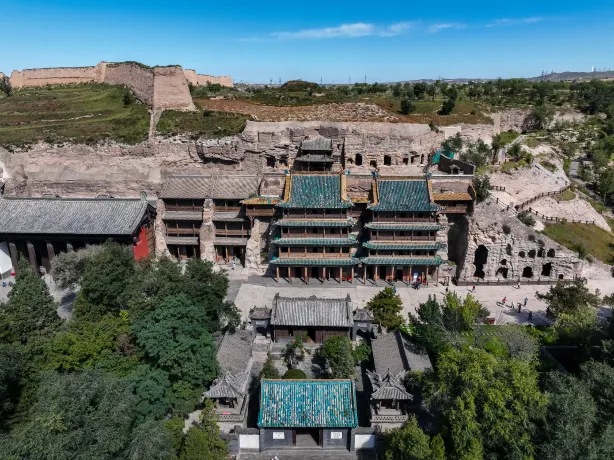
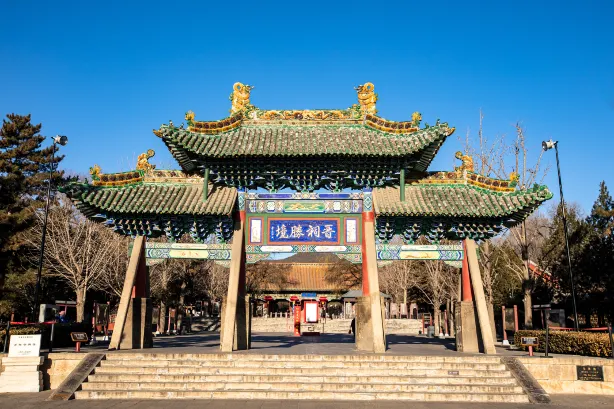
Jinci Temple Museum is located at the foot of Xuanweng Mountain by the banks of the Jin River. It is an ancestral temple built to commemorate Tang Shuyu, the founding feudal lord of the State of Jin, and is also one of the earlier surviving royal sacrificial gardens in China. There is a saying that "you have not truly visited Taiyuan until you have visited Jinci." The ancient buildings in the museum are arranged in sequence along the central axis, among which the Xian Hall, the Flying Bridge over the Fish Pond, and the Hall of the Holy Mother are known as the "three treasures," while the Zhou Cypress, the Never-Aging Spring, and the Song dynasty attendant statues are known as the "three wonders"—these are the core highlights of any visit. The "Three Treasures" are located on the central axis and can be visited together. Xian Hall is the place where sacrificial offerings are placed. The hall is surrounded by railings instead of walls, making it well-ventilated and bright, and its beam structure is simple and lightweight. The Flying Bridge Across Fish Pond is on the west side of Xian Hall. It is a cross-shaped ancient bridge built over a square pond, resembling a modern overpass in form, and this type of bridge structure is extremely rare among surviving ancient buildings. The west end of the bridge connects to Shengmu Hall, the oldest surviving building in the museum. Wooden carved dragons coil around the porch columns in front of the hall, making them relatively early surviving examples of wooden coiled dragons. The hall interior was built using the reduced-column method, creating a rather spacious interior. It houses dozens of Song Dynasty colored sculptures, with the main statue of Shengmu seated in the shrine and the remaining attendants arranged on both sides with varied expressions. One attendant statue is half joyful and half sorrowful, vividly lifelike and moving. With Shengmu Hall as the center, you can also seek out the "Three Wonders." The Zhou Cypress is located on the north side of Shengmu Hall. It is said to have been planted in the Western Zhou Dynasty, and its trunk leans south like a reclining dragon, full of ancient majesty. The Never-Aging Spring is located on the south side of Shengmu Hall and is the main source of the Jin River. The museum also houses the Stele of the Inscription and Preface to Jinci, composed and handwritten by Emperor Taizong of Tang, Li Shimin, whose running-script calligraphy is vigorous and forceful. In the southern part is the Shifang Fengsheng Zen Temple, said to have originally been the villa of the Tang Dynasty general Yuchi Gong. In the Futu Courtyard, the Sarira ShengSheng Pagoda can be climbed for a distant view. The Jinci temple fair has been passed down to the present day and has been included in the national-level intangible cultural heritage list. The Water Mirror Stage, an ancient theater stage in the museum, is an important venue for activities during the temple fair.

China · Taiyuan
From €10.99
Yingxian Wooden Pagoda
No. 3 of Best Things to Do in Shanxi

Yingxian Wooden Pagoda

8.6
4.8/5
26.1k reviews

Yingxian Wooden Pagoda is centered on the Sakyamuni Pagoda of Fogong Temple. This pure wooden pavilion-style pagoda was first built in the second year of Qingning of the Liao Dynasty (1056) and later expanded and completed during the Mingchang period of the Jin Dynasty. It is the oldest surviving wooden pagoda in China. The pagoda has five visible stories, with concealed stories inserted between them, making nine stories in total, and stands about 67 m tall. Apart from the stone platform base on the first story, the main body of the pagoda is built entirely of wood, connected using traditional mortise-and-tenon craftsmanship, and the whole pagoda uses more than 50 types of bracket sets, demonstrating exquisite structural design. For more than nine hundred years, the pagoda has withstood many major earthquakes and modern artillery bombardment and still stands today. Due to the need for cultural relic protection, visitors may only visit the first floor inside the pagoda. There is a door on each of the north and south sides of the first floor. In the center of the inner chamber is a seated statue of Shakyamuni about 10 m tall, with a dignified face and a solemn expression. Looking up, you can see the exquisite coffered ceiling at the top. On the walls of the inner chamber are painted six Buddha images of Tathagata, and on the walls on both sides of the doorway are painted Liao Dynasty-style murals featuring Vajra, disciples, and offering figures, with bright colors and lifelike figures. Multiple plaques from various dynasties hang under the eaves of each story of the wooden pagoda, two of which were written by Ming emperors and are particularly striking. Under the south eaves of the fifth story hangs the plaque "Supreme Divine Craftsmanship," written by Zhu Di, Emperor Chengzu of Ming, when he climbed the pagoda during a northern military campaign in the Yongle era; under the south eaves of the fourth story hangs the plaque "Wonder of the World," written by Zhu Houzhao, Emperor Wuzong of Ming, when he ascended the pagoda to feast and reward his ministers after the Yingzhou victory in the Zhengde era. These plaques are not only calligraphic treasures but also record the intersection of the wooden pagoda with historical figures, together with the architecture itself forming a distinctive cultural view of the attraction.

China · Ying County
Save €0.27From €6.60

Experiences you can't miss in Qingshuihe

Featured Day tours in Qingshuihe

View all Day tours
Qingshuihe Today's weatherCloudy -5-3℃
Qingshuihe weather for the next 2 days11/29: -3-8℃, 11/30: -4-7℃

Free things to do in Qingshuihe
What travellers say about Qingshuihe

user-avatar
118***26October 22, 2026
5.0
Laoniu Bay is a place where the Yellow River and the Great Wall embrace each other on the Loess Plateau. The emerald green river meanders gently through the canyon, drawing a near-perfect Taiji Bay; the Ming Great Wall winds down the mountain ridge, quietly meeting the Yellow River at the cliff top. Stone castles, cave dwellings, and knife-cut cliffs intertwine with the gentle shimmering water, creating a scene that is both desolate and beautiful, majestic yet tranquil, like a landscape painting unfolding for thousands of years.

Laoniuwan Yellow River Grand Canyon Tourist Area

user-avatar
M39***64October 15, 2022
5.0
Shaanxi and Shanxi have always been the birthplaces of Central Plains culture. There are also some magical, magnificent and beautiful natural scenery for tourists to enjoy. Compared with the outdoor scenery in the city, it is highly recommended. If you have time, you must come here, it is worth the trip!

Jinshanda Canyon

user-avatar
_We***56November 27, 2026
5.0
Liu Jing's professionalism in her explanation was undeniable, but what touched me most was her patience. My daughter asked so many "why" questions along the way, some of which I even thought were a bit childish, but you answered them earnestly with a smile, and even squatted down to be at her eye level. Later, when we chatted, I learned that my daughter and her child were about the same age, only two days apart in birthdays, which made me feel very empathetic. I hope that more people can hear your introduction and explanation.

Yungang Grottoes

user-avatar
_We***59November 28, 2026
5.0
Personally, I think Taiyuan is the top choice. The park area in front is quite pleasant; in autumn and winter, you don't need to take the sightseeing bus, just a short walk of about ten minutes, and you can enjoy the scenery. The Jinci Museum is a great place for those who appreciate ancient architecture to take their time.

Jinci Temple Museum

user-avatar
Anonymous userNovember 28, 2026
5.0
The Yingxian Wooden Pagoda, a towering structure that has stood for nearly a thousand years, conceals a vast universe within its five visible and nine hidden sections. Built during the Liao Dynasty, it was constructed without a single iron nail, relying entirely on mortise and tenon joints. Eight-sided, five-tiered, six-eaved, its brackets unfolding like layers of blooming lotus flowers. It has withstood earthquakes and wars, enduring nearly a millennium of history.

Yingxian Wooden Pagoda

user-avatar
Anonymous userOctober 10, 2026
5.0
This place is unique in China, where the Great Wall and the Yellow River "shake hands," a desolate and majestic landscape, a photographer's paradise; however, it is located in a remote area with steps, making it more suitable for self-driving enthusiasts who love cultural landscapes. Purely leisurely tourists may find the journey arduous. Overall, it is still worth a visit.

Laoniuwan Scenic Area

Trip Moments in Qingshuihe

Popular cities near Qingshuihe

Frequently asked questions

What are the recommended tours and excursions in Qingshuihe?

When choosing a tour, start with how much time you have and the kind of experience you're looking for. Trending options right now include One-Day Tour from Hohhot: Laoniuwan Yellow River Grand Canyon and Zhaojun Museum, [Depart From Hohhot] Laoniuwan Yellow River Grand Canyon Tourist Area Private Day Tour, and Brave Inner Mongolia, step into the sky-like Chilechuan grassland, and experience "ancient poetry coming to life". Check the real-time availability and itinerary before you book.

As of November 28, 2026, the reference price for day tours and activities in Qingshuihe is around EUR 71.04 – EUR 265.19. Rates vary by duration, group size, transport, tickets, meals, and any special admission requirements. Before you book, please confirm the billing currency and whether the price is quoted per person or per group.

Get help anytime, anywhere within 30 secondsContact customer support

Change and cancellation policies vary by attractions and tours. Please check the product details page for more information.

Ticket prices may vary between weekdays and weekends, as well as during peak and off-peak seasons. When booking with Trip.com, you can also use Trip Coins to get extra savings. For more tips on booking discounted tickets, please visit Trip.com for the latest information.