Things to do in Shiroishi
Explore top experiences
Top 10 attractions in Shiroishi


Sensō-ji
One of Tokyo's oldest and most significant Buddhist temples, Sensō-ji is located in the city's Asakusa District. Dedicated to the Bodhisattva of compassion, the first temple was founded as far back as 645 CE. Destroyed during World War II, Sensō-ji was eventually rebuilt and stands now as a symbol of rebirth and peace. Many small shops line the main street approaching the temple. It is a popular area for tourists and among the more well-known parts of Tokyo. Each spring a grand festival is held in and around Sensō-ji. Over the course of a few days upwards of 2 million people visit the temple complex.Japan · Tokyo

Shibuya
Shibuya is a commercial and entertainment district near JR Shibuya station, standing alongside Shinjuku and Ikebukuro as one of Tokyo's three major sub-centers and one of the city's bustling neighborhoods. Every time the traffic light turns green, the massive crosswalk in front of JR Shibuya station is engulfed by waves of pedestrians, while giant billboards and digital screens around reflect the energy of this busy metropolis. Shibuya is the birthplace of youth culture. In this 24-hour sleepless district, various trendy fashion shops, restaurants, bars, and entertainment centers gather, and street band performances can often be seen. Major department stores are also vibrant with the presence of young people. In Shibuya, even the outfits of passersby are stylish enough, with many fashion magazines like "ViVi" and "Mina" sourcing their street snaps from here. Thanks to the prevalence of trend culture, the area is filled with fashionable men and women, and avant-garde or even eccentric outfits are not uncommon. Shopping route recommendations When shopping in Shibuya, it's recommended to start from the bustling Shibuya crossing, pass through the busy pedestrian zone Center Street and Spain Slope, and take a break at the spacious Yoyogi Park when tired. This route allows you to experience Shibuya's typical youthful atmosphere. Statue of Hachiko When you exit from the Hachiko exit of Shibuya station, you will see the statue of Hachiko. The story of Hachiko, who kept waiting for his deceased owner in front of JR Shibuya station, is well-known throughout Japan. Today, the area in front of this statue is one of Tokyo's popular meeting spots. Why not take a photo with Hachiko? Shibuya 109 Shibuya crossing is surrounded by department stores and is a highly photographed location. Across the street, Shibuya 109 houses over 120 boutique shops, offering trendy fashion that is highly representative and popular among young women, with sales staff even adopting cute and playful attitudes. Shibuya 109 also has a dedicated men's section, which is equally popular. Shibuya center street Shibuya center street pedestrian area is dotted with shops, restaurants and bars, creating a somewhat dazzling scene. It remains lively until midnight, offering a glimpse into the lives of Japanese youth. Spanish ramp A 100-m-long slope connects Shibuya Center Street to Parco department store, named for its resemblance to Spanish streets. Though inconspicuous, the Spanish slope exudes a trendy vibe with its unique shops on both sides. Here you'll find bakeries and restaurants using natural ingredients, as well as delicious coffee and wine that attract many foreign visitors. Walking up the steps through this shortcut leads to Parco, another clothing department store. Yoyogi park Continue north and you'll reach Yoyogi Park. The beautiful flowers and fountains in the park create an urban oasis for birds, where you can take a break and organize your finds from the journey. Shibuya's fashion culture in Shibuya, besides shopping, you can also experience the trendy youth culture. At Tokyo Wonder Site in front of Parco department store, you can often see works by young Japanese artists.Japan · Tokyo

Asakusa
Asakusa is a traditional district in Tokyo that developed around Senso-ji Temple, offering a distinct atmosphere from modern commercial areas like Ginza, Shinjuku, and Shibuya. It retains the charm of Edo's old downtown and is regarded as a microcosm of ancient Edo culture. Historically, Asakusa suffered severe damage twice—from fires after the Great Kanto Earthquake and WWII air raids—but gradually regained popularity during postwar reconstruction. Today, it epitomizes old Tokyo. The heart of the district is Senso-ji, a Buddhist temple founded in the 7th century. Its entrance, Kaminarimon ("Thunder Gate"), features a massive red lantern inscribed with the gate's name and is flanked by statues of the wind and thunder gods, where people once prayed for good harvests and weather. The bustling Nakamise shopping street, lined with red storefronts, connects Kaminarimon to Hozomon Gate and the main hall, selling traditional snacks like ningyo-yaki, Edo-era toys, and crafts, with some shops over a century old. Kimono rentals are also available here. Nearby, Asakusa Shrine, built in the Edo period, is worth a visit, while Denbo-in Temple's garden can only be admired from outside. Asakusa also hosts traditional festivals: the Sanja Matsur in May at Asakusa Shrine embodies Edo's vibrant spirit, alongside summer's "Hozuki Market" at Senso-ji, the "Tori-no-Ichi" fair at Otori Shrine in early winter, and year-end "Hagoita Market." Sumida Park along the Sumida River is a famed cherry blossom spot, with boat rides offering waterfront views in spring. The summer fireworks festival on the river is a major annual event. For Edo-style cuisine, classics like tempura, soba, and eel are easy to find. With extra time, explore Kappabashi Street, known for kitchenware and food replicas. The area is easily explored on foot or by rickshaw.Japan · Tokyo

Roppongi Hills
Roppongi Hills is a "city where ideas are born." Roppongi Hills is a city that nurtures open-minded people. It is designed to be safe and warmly welcoming to people from all over the world. Roppongi Hills is a participatory town. Everyone who lives there, works there, and gathers there, participates in Roppongi Hills. Here, many people engage in dialogue. From new art and creative cuisine to the difficult issues facing modern society, at Roppongi Hills people come into contact with a wide variety of people and ways of thinking, and enjoy a wide variety of experiences. By participating, each person thinks and changes, and from there, ideas that will shape the future are born. We will create a city where Roppongi Hills will lead Japan and the rest of Asia, spark open dialogue with the world, and give birth to visions for the future.Japan · Tokyo

Zao Onsen
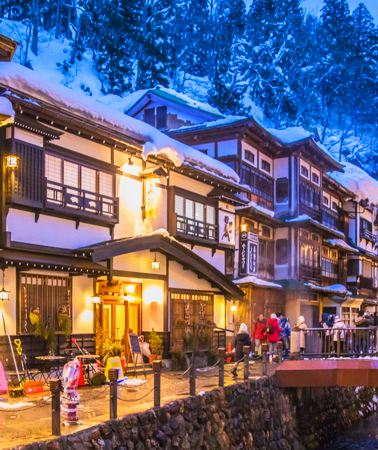
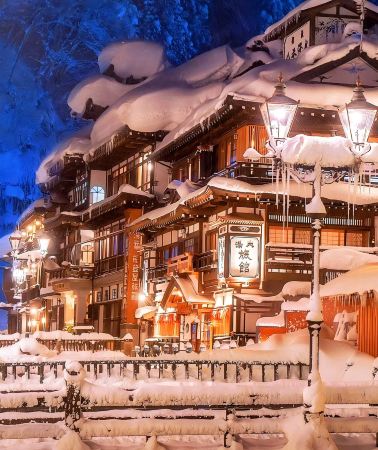
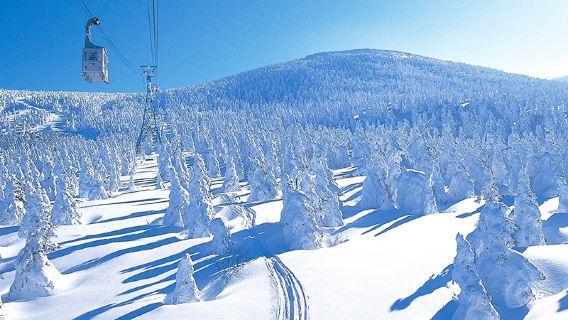
Zao Onsen is located on Mount Zao, on the border of Yamagata Prefecture and Miyagi Prefecture. It has a history of over 1,900 years and is renowned for its unique, highly acidic sulfur springs, often called beauty baths. The large open-air bath can accommodate 200 people at once, and for just JPY 1,300, you can purchase a 3-sticker bath pass that allows you to choose and enjoy 3 out of 5 day-use hot springs. There are also 3 foot baths in the town, all of which are free.Yamagata City · 26.9 km from Shiroishi

Ueno Park
Ueno Park is one of the largest parks in Tokyo. With its many facilities, you can stroll around to soak in the natural beauty and cultural charm, or spend an entire day exploring its art and culture. Every spring, the park transforms into a sea of cherry blossoms, attracting visitors from far and wide. A prime spot for cherry blossom viewing This is a famous cherry blossom viewing spot in Tokyo. The park currently has over 1,000 cherry trees, with the "Somei Yoshino" variety, discovered right here in Ueno Park, being particularly iconic. When the cherry blossoms are in full bloom, Ueno Park becomes one of the most popular spots for locals to enjoy the flowers. The cherry blossom avenue is a must-visit spot; when the wind blows, the falling petals create a spectacular "rain" of blossoms—this is the very place that inspired Lu Xun's famous line about the cherry blossoms in Ueno. The "Cherry Blossom Festival" is held annually during this time, and at dusk, the park lights up, illuminating the blossoms for a truly enchanting experience. Shinobazu Pond If you miss the "Cherry Blossom Festival," don't miss Shinobazu Pond in the southwest of the park. In summer, the melodious music from the outdoor concert hall complements the lotus flowers in the pond, while black swans, wild geese, and mandarin ducks swim gracefully on the water, making for a delightful scene. You can also visit the 4-story aquarium by Shinobazu Pond to see nearly 600 species of aquatic animals. Ueno Zoological Gardens In the northwest of the park lies Ueno Zoological Gardens, home to approx. 500 species of rare birds and animals. The zoo is divided into East and West Gardens. The East Garden is very popular, featuring two giant pandas from China, "Ri Ri" and "Shin Shin." The West Garden includes a petting zoo with small animals like pygmy goats and ostriches. The Peony Garden next to the zoo is a memorial garden established in 1980 to commemorate friendship between China and Japan. The "Lion Head" peonies here are particularly vibrant and worth seeing. In winter, you can also see winter peonies blooming within protective enclosures—a rare sight that can only be found here in Tokyo. Historical sites Beyond the stunning natural scenery, the park is home to many historical sites worth visiting. The bronze statues scattered throughout the park are a major feature. Additionally, the park contains historical sites such as Ueno Toshogu Shrine, Kan'ei-ji, the Tokugawa Mausoleum, and Kiyomizu Kannon-dō Temple, earning it the reputation as a "treasure trove of historical sites and cultural assets." Be sure to check out the Toshogu Shrine, a masterpiece of classical Japanese architecture, where the 6m-tall "Ghost Lantern" is a true highlight. It also houses many important cultural artifacts. Museums and art galleries Another major feature of Ueno Park is its abundance of cultural and art venues. One of these, the Hyokeikan, is a representative example of Western-style architecture from the late Meiji period and is a treasure in its own right. The National Museum of Western Art houses many masterpieces by renowned artists. The Tokyo Metropolitan Art Museum exhibits masterpieces such as traditional Japanese ukiyo-e and oil paintings. There are also the National Museum of Nature and Science, Tokyo Metropolitan Festival Hall, The Ueno Royal Museum, and the Shitamachi Museum, which is why Ueno Park is often called a "forest of culture."Japan · Tokyo

Roppongi
Roppongi is one of the relatively prosperous and cosmopolitan areas of Tokyo, with many hotels, fashionable shopping malls, art galleries, museums, and restaurants. This area attracts tourists from all over the world and is a comprehensive area integrating business, culture and entertainment.Japan · Tokyo

Imperial Palace
The Imperial Palace is located in Chiyoda District, Tokyo. It is the core area of the Japanese Emperor's residence and is full of mystery. It covers an area of about 17 hectares and is surrounded by moats, stone walls and about 300,000 ancient trees from all over Japan. The inner courtyard buildings are mostly in traditional Japanese style, with green tiles, white walls and brown copper columns, which are elegant and simple. Among them, the main hall "Matsu no Kaku" is the venue for the main activities of the royal family and diplomatic etiquette, and important ceremonies are solemnly held here. The Chowaden is about 200 meters wide and is where the emperor receives congratulations. Although it is a typical traditional Japanese style, it is built with modern materials. In addition, there are buildings such as the Flower Shadow Pavilion and the Waterfall Viewing Pavilion in the palace, which complement the exquisite garden landscape. On special occasions such as the New Year and the Emperor's birthday, the public can enter the inner courtyard through the Nijubashi Bridge to feel the solemn atmosphere of the royal family.Japan · Tokyo

Ginza
Ginza is a popular upscale shopping area of Tokyo, with numerous internationally renowned department stores, boutiques, restaurants, and coffeehouses located here. It is considered one of the most expensive, elegant, and luxurious places in the world. Each weekend, the area's main road is closed to motorized traffic and converted to a pedestrian thoroughfare. Among Tokyo's shopping districts, Ginza boasts the highest concentration of Western brands. The area's reputation for trendsetting extends back to the Meiji Restoration when it was proclaimed a “model of modernization.” Visiting Ginza is practically a must.Japan · Tokyo

Akihabara
Akihabara refers to the commercial district around the "Electric Town Exit" of JR Akihabara Station in Tokyo. It developed from radio parts stalls that gathered near the station after the war, first becoming a street for home appliances, and with the rise of computer and anime culture, it evolved into its current state where electronics and anime culture coexist. As soon as you exit the station, giant anime advertisements and electronics signs line Chuo-dori, and there are game centers plastered with character illustrations in front of the station. Electronics enthusiasts can makeYodobashi Cameraon the east side of the station their first stop. This large, comprehensive electronics store has everything from cameras, computers, and game consoles to beauty appliances, watches, and toys, with a food floor on the upper levels. Those who enjoy hunting for treasures might want to duck into the alleys in front of the station, where electronic parts shops, second-hand camera stores, and Super Potato, which specializes in retro game cartridges and arcade machines, are hidden away. Anime fans have equally dense options: the entire Akihabara Radio Kaikan building in front of the station is filled with shops specializing in figures, models, and trading cards; merchandise stores like Animate and Gamers, along with the black-walled Mandarake second-hand store, are scattered throughout the district. Maid cafes feature servers in maid outfits greeting guests. The exclusive theater for idol groups is located on the eighth floor of the Don Quijote Akihabara store. Around holidays, Chuo-dori is usually designated as a pedestrian zone, allowing pedestrians to walk in the middle of the road and browse at their leisure, and you can often encounter young people in cosplay. The main street is lined mostly with large chain stores, while second-hand treasures are often hidden in the alleys.Japan · Tokyo
Experiences you can't miss in Shiroishi
Featured Day tours in Shiroishi
View all Day tours
5.0/5
· 2 reviews· 55 bookedFree cancellation
FromCAD 142.48

5.0/5
· 1 review· 51 bookedFree cancellation
FromCAD 113.59
FromCAD 170.38
![[Guaranteed departure] Ginzan Onsen and Naruko Valley autumn foliage scenic tour - Tohoku autumn leaves day trip! [Departing from Sendai]](https://ak-d.tripcdn.com/images/0356u12000tvehcwq8AA1_C_568_320.jpg?_fr=wc)
5% off
Limited-time sale
FromCAD 85.26CAD 89.75

![Sendai local food tour! Stroll through the gourmet capital [departing from Sendai]](https://ak-d.tripcdn.com/images/0354p12000sr3jtpw8565_C_568_320.jpg?_fr=wc)

Free cancellation
Instant confirmation
FromCAD 141.94
![Depart from Sendai: Fukushima private charter customize 1-day tour [door-to-door pick-up by driver/admission ticket not included]](https://ak-d.tripcdn.com/images/0350b12000tsqz51v1C64_C_568_320.jpg?_fr=wc)
Free cancellation
Book now for tomorrow
FromCAD 100.10