Yanggu

Things to do in Yanggu

Search attractions or local attractions & tours
Search

Explore top experiences

Top 10 attractions in Yanggu

View all Attractions
Mount Taishan
2027 Asia 100 - Best Things to Do

Mount Taishan

9
4.7/5
63.4k reviews

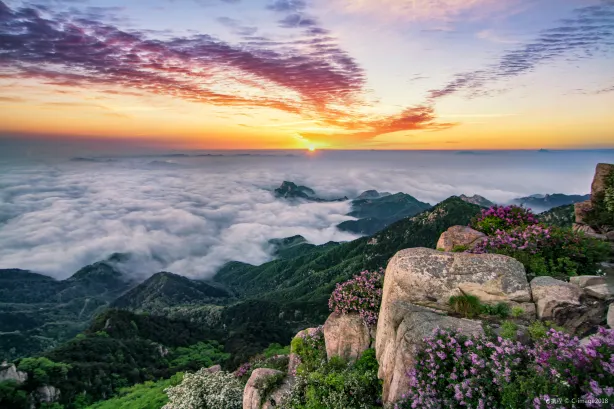
Mount Taishan is centered around Mount Taishan, the first of the Five Great Mountains, with steep and towering peaks, and the views of sunrise and sunset from the summit are breathtaking. Sea of clouds often appear among the mountains, and in winter there are spectacular rime ice views. In addition to natural scenery, the mountain also has numerous historical sites, stone inscriptions, religious temples, and other cultural views, with cliff inscriptions and steles scattered throughout the mountain, which is a major feature of Mount Taishan. Mount Taishan has its own highlights in each of the four seasons: in spring, peach and pear blossoms bloom across the mountains; in summer, the mountaintop is lush green and cool, making it a great summer retreat; in fall, the leaves are a mix of red and yellow, dyeing the layered forests in brilliant colors. There are multiple routes to the summit of Mount Taishan. The hiking trail at the Hongmen entrance is the traditional route opened during Emperor Qin Shi Huang's Fengshan ceremony, consisting mainly of stone steps. Walking from Hongmen to Zhongtianmen, you will pass by numerous attractions along the way, including Wanxian Tower, Doumu Palace, Huima Ridge, and Hutiange. This area is also where stone inscriptions are concentrated. After reaching Zhongtianmen, you can take a cable car or walk to Nantianmen and the summit area, where you can see attractions such as Eighteen Bends, Shengxian Archway, Duisong Mountain, Chaoyang Cave, and Wudafu Pines. The Tianwaicun route is a road leading from Tianwaicun to Zhongtianmen, accessible by tour bus, passing by Heilong Pool, Fanzhi Cliff, and Feng Yuxiang's Tomb. After reaching Zhongtianmen, it merges with the latter half of the Hongmen route. Travelers who prefer not to hike can choose this route. The Tianzhufeng route is relatively steep with few visitors, and is a hiking route often taken by outdoor enthusiasts. It features beautiful mountain scenery, including attractions such as Liyu Back, and at the starting point there is also the large-scale live performance "Chinese Mount Taishan: Grand Ceremony of Fengshan." The Taohuayu route is mostly chosen by travelers when descending the mountain. From Tianjie at the summit, take the ropeway to the mountainside, then transfer to a tour bus down to Taohuayu at the foot of the mountain. Along the way, you can enjoy the Colorful Stone Stream scenic area, where the colorful stone patterns at the bottom of the stream are quite magical. Dongyudao is also a walking hiking route, with attractions such as Qingyang Hall, Hanque Gate, and Dongtianmen along the way. Each route ultimately leads to the Daiding tourist area at the summit. Daiding features the main peak of Mount Taishan, Jade Emperor Peak, the Tianjie Scenic Area, as well as attractions such as Sun Viewing Peak, Daguan Peak, Zhanlu Terrace, Bixia Temple, and Confucius Temple. On clear days at the summit, you can gaze at the Yellow River in the distance and admire the wonder of the "Golden Belt of the Yellow River." The Houshiwu area is rich in varied pines and rocks, and there is a cableway leading to the North Heavenly Gate. Many visitors who want to watch the sunrise choose to climb Mount Taishan at night, usually setting off from the Hongmen route, and it is advisable to depart around 11 pm. This route is well lit at night, and a hike of about seven to eight hours will allow you to reach Sun Viewing Peak or Jade Emperor Peak at the summit before sunrise, which are ideal spots for watching the sunrise.

China · Tai'an
Millennium City Park
2027 Asia 100 - Best Things to Do

Millennium City Park

8.8
4.6/5
29.2k reviews

Millennium City Park is located by the shores of Longting Lake in Kaifeng. It is a large-scale historical and cultural theme park of the Song Dynasty, recreated one-to-one based on the famous painting Along the River During the Qingming Festival by Song Dynasty painter Zhang Zeduan. The park is divided into two sections by the Shuangting Bridge: the South Garden recreates the bustling street life of the Bianjing city, with taverns, eateries, teahouses, and pharmacies lined up along the streets; the North Garden is an imperial garden, with waterside halls, the Sifang Courtyard, and other palace buildings standing by the lake. Performers and street vendors in the park mostly wear Song Dynasty costumes, with ancient music lingering and bells and drums sounding, so that after a few steps visitors can easily fall under the illusion of "stepping into a painting in one morning, dreaming back a thousand years in one day." Architecture is the intuitive and tangible highlight here: the Rainbow Bridge spanning the Bian River is a replica of the famous bridge in the painting, shaped like a long rainbow, and standing on the bridge watching the grain boats pass by feels much like being inside the painting; the Fuyun Pavilion towers above all the other pavilions in the garden, with its tiered red towers and golden tiles on all four eaves, inviting one to climb from afar; the Shangshan Gate is rebuilt after the Northern Song dynasty Dongjing city gate, tall and majestic with brilliant painted decorations, making it the most imposing gate tower in the garden; and the Shuixin Xie, Shuangting Bridge, Jiulong Bridge, and other pavilions and waterside structures are scattered among the blue waves. The main attraction of the day is the immersive performances staged throughout the park: "Bao Zheng Inspects the Bian River Grain Transport" unfolds on the water on both sides of the Rainbow Bridge; "Squire Wang Seeks a Son-in-Law" features a decorated tower erected in front of Squire Wang's house where a silk ball is tossed to choose a groom; "Yue Fei Challenges Prince Xiao Liang" raises dust on the Song dynasty parade ground as horses gallop; and folk performances such as cockfighting, stilt walking, and pan drumming are interspersed throughout. To step into the action yourself, head to the Four Directions Courtyard to don traditional costumes and enter the examination cells for a hands-on Song dynasty imperial exam experience; families with children can enjoy carousel rides, roller coasters, and other amusement facilities wrapped in Song dynasty storytelling at the Song Dynasty·Royal Pleasure Ground; and in the entertainment quarters, face-changing, qigong fire-breathing, ancient magic, and other Song dynasty variety acts take turns on stage, with intangible cultural heritage feats ready to break out at any moment right beside you. After nightfall, the park takes on a different face: red lanterns light up one after another, the market streets are brightly illuminated, and it feels like a completely different park from the daytime. The large-scale water-based live performance "The Great Song Dynasty's Eastern Capital: A Dream of Splendor" is staged on the surface of Jinglong Lake. The entire show is woven together from eight classic Song ci poems and the painting Along the River During the Qingming Festival, drawing the audience back to the Northern Song dynasty's Eastern Capital a thousand years ago. The performance runs about 70 minutes, and many visitors deliberately plan their itinerary to stay until the evening to catch this show. Dining in the park is also convenient: the snack street at Dongjing Food Court brings together Kaifeng snacks such as fried liangfen, tongzi chicken, and almond tea, perfect for eating while strolling; if you want to sit down for a proper meal, you can visit the reconstructed Sun Yang Zheng Dian in the park, which was originally one of the seventy-two official restaurants of Bianjing in the Northern Song Dynasty, where you can taste traditional Henan dishes such as soup dumplings and carp with baked noodles.

China · Kaifeng
Wansuishan Martial Arts City
2027 Asia 100 - Best Things to Do

Wansuishan Martial Arts City

8.6
4.6/5
16.7k reviews

Wansuishan Martial Arts City is located in the northwest of Kaifeng's urban areaWansuishan Martial Arts City, it is a large-scale attraction built with Song Dynasty culture and wuxia culture as its backdrop. Within the attraction, there are quaint and charming Song Dynasty garden streets and alleys, year-round exciting wuxia and period costume performances, as well as a wealth of entertainment facilities, making it a great place for relaxation and entertainment in Kaifeng, Zhengzhou, and surrounding areas. When visiting Wansuishan Martial Arts City, the first thing you will notice is the beautiful scenery of the attraction. Wansuishan Martial Arts City as a whole creates an atmosphere of the Song Dynasty, among which many views are very eye-catching, such as Wansui Temple, which recreates the splendor of a thousand-year-old ancient temple from the Song Dynasty, the Dragon Altar, which embodies the spirit of Buddhism, Confucianism, and Taoism, the relatively well-preserved ancient city wall of Kaifeng in China, and the "Nine Dragons Waterfall," one of the large man-made stream and waterfall groups in China. What is rare is that the attraction also has a very large area of forest and green space, with a quiet environment, and flowers bloom in season, making it very suitable for photography. Afterward, visitors will notice the unique wuxia features within the attraction. Year-round, multiple wuxia-themed performances are staged here, with several themed shows such as "Cross Slope," "Wu Song Drunkenly Beats Jiang the Gatekeeper," and "Wild Boar Forest" being quite spectacular—definitely not to be missed when visiting. Interactive performances like the "Wuxia Film and Television Experience Hall," "Martial Arts Champion," and "Li Kui Judges a Case" also allow visitors to participate in wuxia stories, offering plenty of fun. In the architectural design of the attraction, there are also many wuxia elements: the Wuxia Road built with large-scale weapons such as the "Heaven-Reliant Sword" and "Overlord Blade," the "Gallant Heroes Portrait" at the Great Song Martial Arts Hall, the "Sword Altar" at Cross Slope, Juxian Manor, and the Martial Arts Arena—all are uniquely distinctive. Additionally, every year during the Spring Festival periodWansuishanLarge-scale temple fairs are held, featuring grand performances, a rich variety of specialty snacks, a dazzling array of handicrafts, and highly distinctive entertainment activities, creating a lively atmosphere. It has now become one of the most popular temple fairs in the Central Plains region.

China · Kaifeng
Song Du Huangcheng Cultural Tourism Resort

Song Du Huangcheng Cultural Tourism Resort

8.6
4.6/5
181 reviews

Song Du Huangcheng Cultural Tourism Resort is located in the northern part of the old city of Kaifeng, precisely on the site of the imperial palace of the Northern Song Dynasty's Dongjing city. The millennium-old central axis of Kaifeng runs through this area, making it the core zone of the royal culture of the Song Dynasty. Here, you can find the Song-style imperial architecture of the Longting attraction, the tales of the Yang Family Generals at Tianbo Yang's residence, and the calligraphic steles of Han Yuan Stele Forest. The Shuanglong Lane historical and cultural block, 960 Cultural and Creative Park, and Qisheng Corner have transformed old streets and courtyards into Song-style blocks perfect for leisurely exploration. The resort also connects a series of Song culture attractions: Wansui Mountain Great Song Martial Arts City stages year-round martial arts live shows and intangible cultural heritage iron fireworks, while historic sites like the Iron Pagoda, Kaifeng city wall, Zhouqiao and Bian River ruins, Shanshangan Guild Hall, Yanqing Taoist Temple, and Fan Pagoda are scattered across the old city, along with niche spots like the underground wartime grain storage. These places are hard to cover in one day, so we recommend focusing on two or three key sites. After dark, a different experience awaits as the attractions light up in unison. Boarding a painted pleasure boat on the Great Song Imperial River to watch the illuminated pavilions and towers sway with the rippling water is a popular nightlife option here.

China · Kaifeng
Baotu Spring
No. 4 of Best Things to Do in Shandong

Baotu Spring

8.5
4.6/5
59.4k reviews

Baotu Spring is located in the bustling downtown area of Jinan, with Thousand Buddha Mountain to the south, Daming Lake attraction to the north, and Quancheng Square to the east. It is a distinctive garden themed around springs, renowned as "the finest spring under heaven" and ranked first among Jinan's "72 famous springs," with a history spanning over 2,000 years. It has also appeared in literary works many times, most notably in Lao She's essay "Baotu Spring." Visitors come here to witness the magnificent sight of the three springs erupting. The main spring is the centerpiece of the park. The spring water splits into three streams, clear and crisp, gushing day and night, and reaching several feet high when the flow is abundant. Around the spring are large stone blocks with railings, where visitors can look down at the spectacular sight of the three springs surging in the pool. Beside the spring stands a stone tablet inscribed with "First Spring" in dark green, written by Emperor Qianlong himself. In addition, nearby are scattered more than thirty famous springs, including Golden Thread Spring, Shuyu Spring, Xibo Spring, Liuxu Spring, Huanghua Spring, and Dukang Spring. Due to the abundant local rainfall in July and August, this is a good season to come and admire the spring water. In midsummer, visitors can have an intimate encounter with the spring water in the park. Some springs have no railings around them, and there are stone paths in the pools with spring water flowing over them. Visitors can step down into the pools to get close to the water, and walking on the stone paths, their feet will be splashed by the spring water, giving a cool sensation. Besides getting close to the water, there are also springs beside the pools that visitors can drink from directly. To the east of the spring is the Wanghe Pavilion Teahouse, which offers visitors specially preparedThis springFragrant tea brewed with water. In addition to the springs, another sight worth seeing in the park is the South Gate. It is magnificently and elegantly decorated. The horizontal plaque above the gate, with the words "Baotu Spring" in golden characters on a blue background, was written by Emperor Qianlong of the Qing Dynasty and is acclaimed as the "first gate" of Chinese gardens. In addition, the attraction frequently hosts various cultural activities. Every year during the first lunar month, a lantern festival is held in the park, lasting 20 days. There is also the Spring Water Culture Festival, during which the park features various folk activities, calligraphy and painting exhibitions, and opera performances for visitors to enjoy. The park also hosts a chrysanthemum exhibition; in the golden fall season, when the springs all surge forth and chrysanthemums and spring water complement each other beautifully, it is well worth a visit. In addition, the attraction has also launched a cruise route. After touring the attraction, visitors who are interested can board a boat at the boat station and sail through the West Gate Bridge in Jinan's old city area, passing by the East Gate of Wulongtan Park and entering Wulongtan Lock, Jinan's first passenger lock in history, where they can experience a drop of more than 2 m. Sitting on the east side of the boat, visitors can also see the relief sculptures of the "Eight Views of Jinan." Along the way, there are many aquatic plants on the banks, and the river water is so clear that the bottom is visible.

China · Jinan
Daming Lake Scenic Area
Selected for Night Attractions in Shandong

Daming Lake Scenic Area

8.2
4.6/5
9.7k reviews

Daming Lake Scenic Area is located in the northeast of central Jinan, in the northern part of the old city, and is a park integrating water scenery, garden landscapes, and ancient architecture. Daming Lake is a natural lake fed by numerous springs within the city, giving rise to the saying "all springs converge here," and its history can be traced back to the Northern Wei period. The attraction is divided into the old scenic area and the new scenic area, with a total of sixteen classic views scattered throughout, connected to the city moat to form a lakeside touring route. Entering the old scenic area from the East Gate, the first thing that greets the eye is the Zeng Causeway Winding by the Water. Located in the eastern part of the attraction, the Zeng Causeway is a long embankment connecting the north and south, and it was also the necessary route from the south shore of the lake to Beizhu Pavilion in the past. Willows cast shade along the causeway, and the lake waters sparkle on both sides. Beside the Zeng Causeway, the Chaoran Tower offers a high vantage point for overlooking the entire lake scenery, and this spot is known as "Chaoran Zhiyuan." Walking south along the Zeng Causeway toward the South Gate leads into the new scenic area, where seven bridges of distinct styles form the "Seven Bridges in Wind and Moonlight." Among them, the Quehua Bridge has a long history and is one of the more famous ones. The Lao She Memorial Hall is also located here, displaying Lao She's life and creative experience in Jinan. Passing through the South Gate and heading west, visitors arrive at "Jiaxuan's Lingering Charm." Jiaxuan Garden, originally named Jiaxuan Shrine, was built to commemorate the Southern Song patriotic poet Xin Qiji, and within the garden visitors can experience his military career and bold, unconstrained poetic style. You can take a cruise to the small island in the middle of the lake. The Lixia Pavilion on the island is one of Jinan's famous pavilions; its plaque with red background and golden characters was handwritten by Emperor Qianlong, and the full text of "Ode to the Ancient Li Pavilion" by Pu Songling is engraved on the wall. Continue by boat to the northern part of the attraction near the East Gate, where the towering Huibo Tower stands. Climbing the tower, you can gaze south toward Thousand Buddha Mountain and look north toward Mount Que and Mount Hua in the distance. At sunset, the lake surface sparkles with rippling light—this is the "Huibo Sunset Glow." Descend Huibo Tower and walk west past the North Gate to reach "Canglang Lotus Charm," where the Iron Lord Shrine, Canglang Pavilion, and Small Canglang Pavilion are located. In summer, when the lotus flowers are in full bloom, the scenery is especially beautiful. Inside the Small Canglang Pavilion, you can also read the famous couplet by Liu Fenggao: "Lotus on four sides, willows on three; a city of mountain scenery, half a city of lake."

China · Jinan
Ancient Town of Qingzhou
No. 3 of Night Attractions in Shandong

Ancient Town of Qingzhou

8.1
4.5/5
4.7k reviews

Qingzhou is one of the ancient nine provinces of China. Since the early Western Han Dynasty, six cities—Guang County, Guanggu City, Dongyang City, Nanyang City, Dongguan Weizi City, and Qicheng—were successively built on this land, with a continuous urban history spanning over two thousand years. Today, the Ancient Town of Qingzhou has been comprehensively protected and restored, forming three major districts: the Beiguan ancient block in Dongyang City, the Ouyuan historical and cultural block and the South Gate block in Nanyang City, and the Zhaode ancient block in Dongguan Weizi City. Government buildings, traditional residences, and classical gardens are scattered across hundreds of ancient streets and alleys, such as North Gate Street and East Gate Street, with their blue bricks and dark tiles showcasing distinct Ming and Qing architectural styles. Unlike many entirely reconstructed ancient towns, this is a "living ancient town," where original residents still live in the old streets and alleys, and intangible cultural heritage items like the cuoqin are passed down on the streets, blending the vibrancy of daily life with ancient charm. A visit can begin by ascending the Fucai Gate Tower at the south gate of ancient Nanyang City for a panoramic view of the town's sea of dark tiles. Ouyuan is a preserved classical garden within the town, originally the eastern garden of the Ming Dynasty's Prince of Heng's residence and later the private garden of Feng Pu, a grand secretary during the Qing Kangxi era. Its three-peak rockery embodies the grandeur of northern landscapes. Figures like Fan Zhongyan and Ouyang Xiu once served as officials here, and Li Qingzhao lived in Qingzhou for over a decade, composing numerous ci poems. Historical relics like the Qingzhou Prefecture Examination Hall are also scattered throughout the streets, where traces of this cultural legacy can often be encountered. The main street is densely lined with shops, but to avoid crowds, one can turn into the side alleys or head straight to Zhaode Ancient Street—where rows of Ming and Qing-era houses remain, with wooden doors, stone steps, and flagstone paths offering a glimpse of old Qingzhou's daily life.

China · Qingzhou
Yanggu Today's weatherCloudy -1-7℃
Yanggu weather for the next 2 days11/21: 0-12℃, 11/22: -1-11℃

Free things to do in Yanggu

What travellers say about Yanggu

user-avatar
霖霖爸LLBMay 28, 2025
5.0
I used to think that Wu Song fighting the tiger was a fictional story in Water Margin, but when I came to Jingyanggang Scenic Area, I wondered if it was true. It takes about an hour to walk around the scenic area, which is suitable for friends who love Water Margin heroes.

Jingyang Hill

user-avatar
Anonymous userApril 13, 2025
4.0
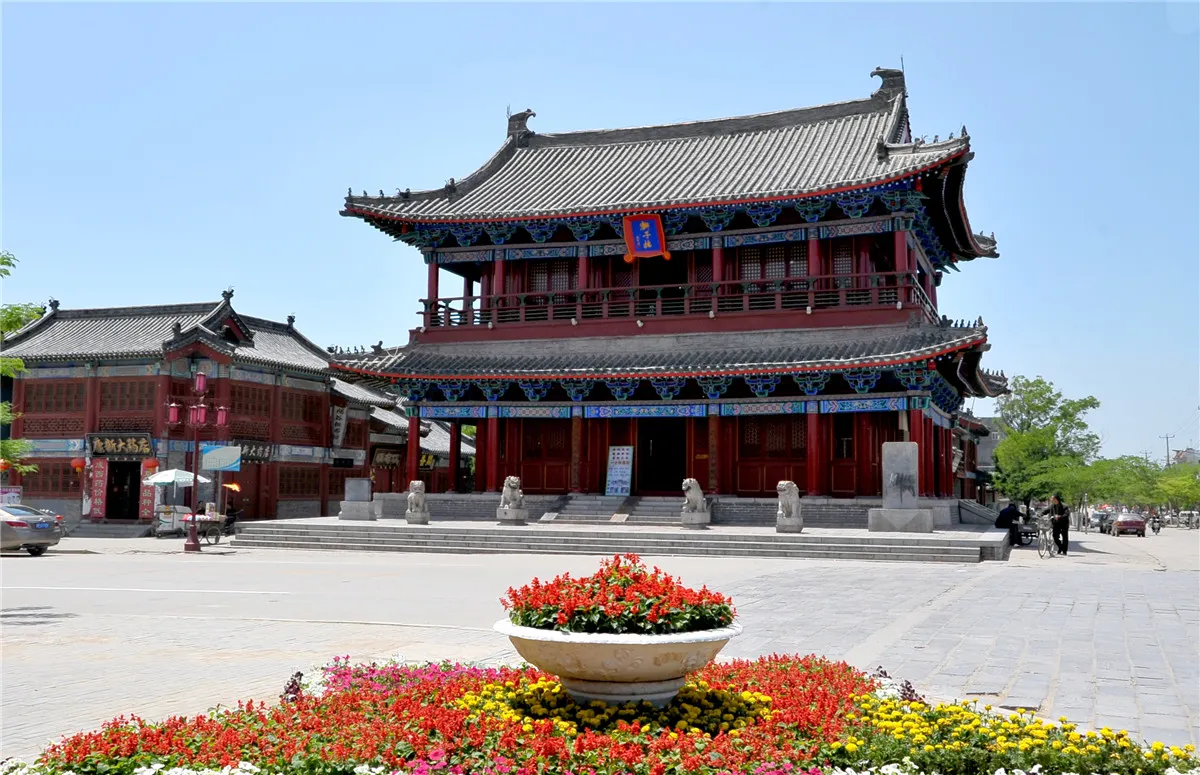
The scenic area is newly built. Behind the Lion Tower is an antique street block that was restored according to the description in Water Margin. There is Wu Dalang's pancake shop, Wang Po's teahouse, Ximen Qing's herbal medicine shop, and actors playing Wu Dalang and Pan Jinlian. There is nothing to eat or play in it, so I finished the tour in a short time.

Shizilou (Lion House) Tourism Area
user-avatar
_M1***28January 24, 2022
4.0
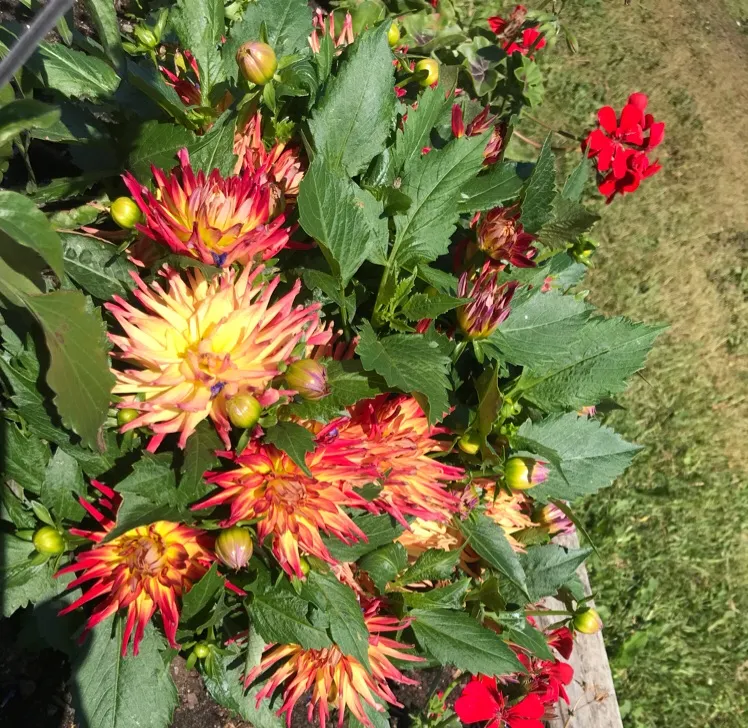
I didn't know much about this legendary figure before, but after visiting, I learned a lot more about him. He is worthy of being the first ancestor of the Chinese nation. The weather was too hot, and there were few visitors. The staff insisted on epidemic prevention and control and asked us to wear masks when entering. I saw some fruit trees that are not found in the south, which is also a great gain. There are several peach trees at the entrance of the scenic spot.

Chiyou Mausoleum Tourist Area

user-avatar
Anonymous userNovember 19, 2026
5.0
As expected of the foremost of the Five Sacred Mountains! The mountain range is majestic, with numerous cliff carvings along the way, steeped in history. The Eighteen Bends are treacherous, and reaching the summit of Jade Emperor Peak truly allows one to experience the feeling of "standing at the top of the mountain, looking down on all the smaller peaks." The vast landscape is well worth a visit; highly recommended!

Mount Taishan

user-avatar
M11***79November 19, 2026
5.0
Stepping into Qingming Riverside Landscape Garden at dawn, you're greeted by picturesque scenes of small bridges, flowing water, ancient boats, tourists, and bustling shops—a veritable recreation of the grandeur of the Northern Song Dynasty. The live-action performance "Yue Fei Spears Little Liang Wang" is breathtaking, with galloping warhorses and swift, powerful moves that will leave you breathless with excitement!

Millennium City Park

user-avatar
M10***52November 20, 2026
5.0
This trip to Wansui Mountain was a special one, and from morning till afternoon, the entire experience was filled with surprises. I absolutely have to write a heartfelt review! Upon entering the park, I was immediately struck by the interactive performance in front of the European-style architecture. A young woman, holding a light blue feather umbrella, wearing a layered Lolita dress and a gorgeous mask, stood by the water, looking like she had stepped out of a fairy tale. Tourists around her were snapping photos, creating an incredibly atmospheric experience. Further into the mountain, another world unfolded. An elderly man in white sat cross-legged on a stone platform, exuding an air of otherworldly elegance; every gesture and turn was full of drama. A swordsman in a straw hat stood on one leg on a rock by the stream, the sound of water and his ancient costume creating a powerful, authentic atmosphere. At a street corner, I even stumbled upon actors in green spontaneously interacting and playfully interacting with tourists. The staff were fully engaged, and the onlookers were laughing heartily – an immersive experience even more enjoyable than watching a grand performance. The park also paid attention to detail. The chrysanthemum exhibition was vibrant, and the adorable whimsical little animals and beer mug inflatables brightened the atmosphere even on a cloudy day. The most amazing thing was the Lucky Draw game: drawing tickets, collecting stamps, and accumulating a thick stack of "lucky" paper coupons—it felt like stepping into an ancient gambling den; winning or losing, you were happy. The walls were covered with plane tickets and handwritten number plates, preserving all the travel memories. When I left, I clutched a handful of ticket stubs, reluctant to throw them away. From the fantastical Western-style buildings to the chivalrous spirit of the mountain streams, from street antics to collecting blessings in the park, my legs ached after a day of walking, but my heart was full. The actors were dedicated, the sets were meticulously designed, and the interactions were natural. An old scenic spot with new ways to play—it was a great place to take photos and have a blast. If you're looking for something different, with a touch of everyday life and a sense of ritual, Wansui Mountain is definitely worth a visit. I'll definitely bring my friends for a second trip!

Wansuishan Martial Arts City

user-avatar
M55***20August 18, 2026
5.0
It's very worthwhile, but it's also very crowded, which might slightly detract from the overall experience. However, the people are incredibly welcoming, and there are many beautiful spots for taking photos. The food is also affordable and inexpensive, which kids enjoy. I'll definitely go back when it's less crowded.

Song Du Huangcheng Cultural Tourism Resort
user-avatar
沙中鱼November 20, 2026
5.0
Finally, I saw Baotu Spring, which I'd read about in my elementary school textbooks. The water was incredibly clear, and most importantly, it teemed with plump carp, each one as big as a pig—absolutely adorable! It turns out Li Qingzhao was also from Jinan; the scenic area displays her life story, as well as the deeds of other famous Jinan figures. I learned that Baotu Spring isn't just one spring; it has various springs, but Baotu Spring itself is the largest, with the highest water output. Leaving the scenic area, you'll find that Jinan's waterways are filled with various springs, the water crystal clear—the City of Springs truly lives up to its name. It's also worth mentioning that not far from Baotu Spring is the site of the Jinan Massacre; while enjoying the beautiful scenery, it's important not to forget our roots and visit the site as well.

Baotu Spring

user-avatar
E32***45October 25, 2026
5.0
The hotel is very close to Baotu Spring Scenic Area, just 200 meters from the south gate, which is very convenient. Guests can also enjoy Baotu Spring water while staying at the hotel. It's also not too far to get to Daming Lake Scenic Area. The hotel service is excellent, very 👍.

Daming Lake Scenic Area

user-avatar
丨哎呦喂丨November 13, 2026
5.0
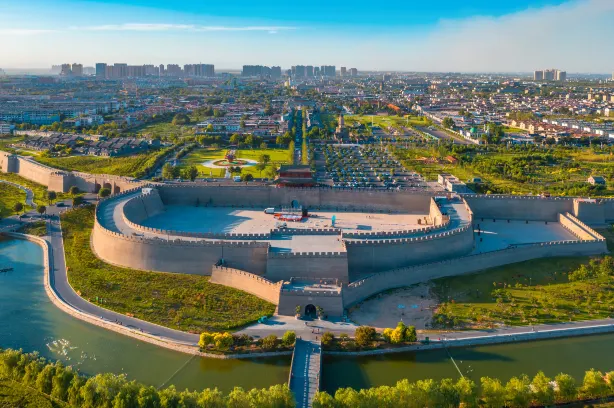
It's just a city gate tower, part of the preserved and restored ancient city of Qingzhou. From there you can see most of the ancient city. It's worth a visit; you won't find such an old city wall anywhere else.

Ancient Town of Qingzhou

Trip Moments in Yanggu

Popular cities near Yanggu

Frequently asked questions

How can I contact Trip.com customer support?

Get help anytime, anywhere within 30 secondsContact customer support

Change and cancellation policies vary by attractions and tours. Please check the product details page for more information.

Ticket prices may vary between weekdays and weekends, as well as during peak and off-peak seasons. When booking with Trip.com, you can also use Trip Coins to get extra savings. For more tips on booking discounted tickets, please visit Trip.com for the latest information.