Zhenxiong

Things to do in Zhenxiong

Search attractions or local attractions & tours
Search

Explore top experiences

Top 10 attractions in Zhenxiong

View all Attractions
Loong Palace
No. 13 of Best Things to Do in Guizhou

Loong Palace

7.6
4.5/5
5.6k reviews

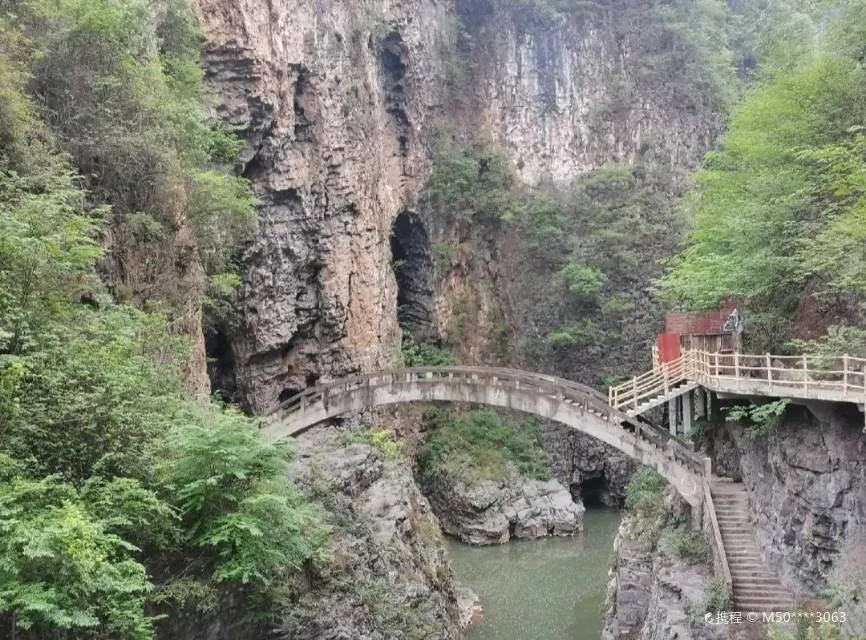
Loong Palace attraction is located in the southern suburbs of Anshun, adjacent to Huangguoshu scenic area. It consists of three parts: the western Loong Palace central area featuring the essence of karst caves, the eastern Loong Palace scenic area - Xuantang showcasing pastoral scenery, and Qunfang valley - a small hilly area between them. There are various ways to explore Loong Palace: you can visit just the central area and return, take a boat tour followed by hiking through Qunfang valley before continuing by boat to Loong Palace scenic area - Xuantang, or explore in reverse order. During peak season like golden week when crowds are large, the reverse route is recommended to avoid long queues of group visitors. The central attraction of Loong Palace consists of two karst cave groups, with several cave halls connected by an underground river, collectively known as the first section.Loong PalaceHe'erjinLoong PalaceYou can only enter by boat, and it usually takes about half an hour to visit. Once inside,Loong PalaceStretching over 800 m, this section represents the essence of Loong Palace, featuring massive stalactites of diverse shapes that spark the imagination. The dim lighting inside may make photography challenging, so please take note. Qunfang valley is a hilly area where you can climb up and down amidst lush greenery while breathing fresh air - an exhilarating experience. Along the way, you'll encounter several karst caves including Yulong cave, Loong Palace scenic area - Guanyin cave, and Dizang hall. However, at Loong Palace scenic area - Guanyin cave, please note: if you're not a devout Buddhist, it's advisable not to touch anything or accept so-called "free incense" to avoid unexpected expenses.

China · Anshun
Dazu Rock Carvings
No. 6 of Global Traveller-Picked Attractions in Chongqing

Dazu Rock Carvings

7.5
4.6/5
8.2k reviews

Dazu Rock Carvings is the collective name for the cliff carvings (grottoes) in Dazu District, Chongqing, primarily featuring Buddhist themes. It includes Baodingshan Scenic Area, Beishan Rock Carvings, Nanshan Rock Carvings, Shimenshan Rock Carvings, Shizhuanshan, and other sites, where well-preserved rock carving art from the Tang and Song dynasties can be appreciated. To date, 75 sites of rock carvings have been designated as cultural heritage protection units, with over 50,000 statues. The carvings at these attractions were first created in the early Tang dynasty, continued through the late Tang and Five Dynasties, flourished during the Northern and Southern Song dynasties, and extended into the Ming and Qing dynasties, spanning over a thousand years. They are a monument in the history of Chinese grotto art and a magnificent chapter in world grotto art from the late 9th to the mid-13th century. Rooted in the fertile soil of the long-standing Ba-Shu culture, the attraction builds on and integrates the essence of earlier grotto art, innovating and pursuing exhaustive transformation to open up new horizons in grotto art. With distinctive national, secular, and life-oriented characteristics, it has become a model of grotto art with Chinese style. It is a representative work of late Chinese grotto art, and together with the Dunhuang, Yungang, and Longmen grottoes, it forms a complete history of Chinese grotto art. The grottoes showcase, from different perspectives, the significant developments and changes in Chinese grotto art styles and folk religious beliefs between the 9th century and the mid-13th century, making important contributions to the innovation and development of Chinese grotto art, and possessing irreplaceable historical, artistic, scientific, and appreciative value compared with grottoes of earlier dynasties. On December 1, 1999, it was inscribed on the UNESCO World Heritage List as a cultural heritage site. Baodingshan attraction andBeishan Rock CarvingsRelatively concentrated Among the stone carving clusters, the more concentrated ones are the Baodingshan attraction and Beishan Stone Carvings. They sell tickets separately, and combo tickets are also available. The two are over ten km apart. The other three attractions in the stone carving cluster—Nanshan, Shimenshan, and Shizhuanshan—officially opened in July 2024. Dazu Rock Carvings Baodingshan Rock Carvings are located in the Baodingshan Scenic Area 15 km northeast of the urban area of Dazu. Centered on the Greater and Lesser Buddha Bays, they were carved under the supervision of the monk Zhao Zhifeng during the Chunxi to Chunyou reign periods of the Southern Song Dynasty (1174–1252). The Greater Buddha Bay of the Dazu Rock Carvings Scenic Area is a U-shaped mountain bay, with a cliff face of carvings about 500 m long and 8–25 m high. The carvings are cut on the east, south, and north cliff faces and are numbered consecutively as Nos. 1–31. The sculptures in the Baodingshan Grottoes exhibit several characteristics that distinguish them from earlier Chinese grottoes: First, the Baodingshan Grottoes are a rare large-scale Buddhist Esoteric sect grotto site in China, extending the history of Chinese Esoteric Buddhism by nearly four hundred years. Second, the expressive forms of the Baodingshan sculptures are unique in grotto art. In the Dafowan area of the Dazu Rock Carvings scenic site, the themes of thousands of sculptures do not repeat, and the niches and caves are both internally connected in doctrine and formally interlinked, forming an organic whole that resembles a magnificent historical scroll painting. All sculptures are accompanied by both images and texts, and the inscribed scriptures mostly differ from those in the Tripitaka; many are extra-canonical Buddhist stone inscription documents not included in previous editions of the Tripitaka, holding significant academic value for the study of Buddhist texts. Third, the sculptures emphasize philosophical exposition, integrating the basic doctrines of Buddhism with Confucian ethics, the mind-nature theory of Neo-Confucianism, and Daoist teachings, broadly incorporating and assimilating multiple traditions, and displaying the characteristics of Buddhist thought in Song dynasty China. Fourth, from content to form, the Baodingshan sculptures are a model of the nationalization and secularization of Chinese grotto art. The reverence for Confucian filial piety and the depiction of worldly urban life make it an art treasury with strong traditional Chinese cultural characteristics, marking the completion of the Sinicization process of grotto art that originated in India. Fifth, the Baodingshan sculptures are a culminating work of grotto art, with creative developments in many aspects. They take the ability to inspire awe in people as their creative principle, thereby arousing devotees' pious faith in the Buddhist Dharma. They also integrate scientific principles into artistic modeling; the sculptures, decorations, layout, drainage, lighting, support, and perspective all pay great attention to formal beauty and artistic conception. In addition, there are still 16 steles, 44 inscriptions, travel notes, and poems, and 49 records of repairs and adornments in the Baodingshan Grottoes sculptures. Among them, the stele "Biography of Liu Benzun of the Tang Dynasty," carved between 1174 and 1252 AD, and the "Record of reopening the Baoding stele" and other [texts] are of significant academic value for the study of the history of the Baodingshan Grottoes and even the history of Chinese Esoteric Buddhism. Beishan Rock Carvings Beishan Rock Carvings are located on the summit of Beishan (commonly known as Fo Wan) 1.5 km north of the main urban area of Dazu District. They were first carved in the first year of Jingfu of the Tang Dynasty (892) by Wei Junjing, then prefectural governor of Changzhou and commander of the four prefectures of Chang, Pu, Yu, and He. Subsequent construction by local officials, gentry, commoners, and monks and nuns continued until the final year of Shaoxing of the Southern Song Dynasty (1162), when the present scale was reached. The sculptures in the Beishan Grottoes were built against the rock, with the cliff face of the sculptures approximately 300 m long and 7–10 m high, shaped like a crescent moon. The niches and caves are as densely packed as honeycombs and are divided into the southern and northern sections, numbered consecutively as 290, including 264 niches and caves with sculptures, nearly ten thousand statues, 1 incised-line diagram, and 8 sutra pillars. The Beishan Grottoes sculptures were mainly carved with funds donated by laypeople praying to the Buddha, with rich themes, predominantly Esoteric Buddhist sculptures, accounting for more than approximately one-half of the total. The late Tang dynasty sculptures in the Beishan Grottoes feature 12 types of themes, with Guanyin and the combined niches of Guanyin and Ksitigarbha, as well as Amitabha accompanied by Guanyin and Ksitigarbha, being the most common. The late Tang sculptures are dignified and full-bodied, with a robust temperament, fine and dense drapery lines, and thin garments clinging to the body, bearing the legacy of the High Tang style. The Five Dynasties sculptures account for more than one third of the Beishan Grottoes, featuring 18 themes, including new content such as the Bhaisajyaguru Sutra transformation and the Dharani Sutra transformation, making it a region with a large number of sculptures from this period in China. The Five Dynasties sculptures are small and exquisite, with varied postures, free and natural expressions, and increasingly ornate clothing and adornments, presenting a transitional style from the Tang to the Song Dynasty. The Song dynasty sculptures in the Beishan Grottoes feature 21 types of themes, with Guanyin being especially prominent, earning it the title of "China's exhibition hall of Guanyin sculptures." The Song dynasty sculptures have distinct character personalities, elegant postures, well-proportioned figures, and brightly colored attire, possessing a rich decorative beauty. Seven steles and inscribed tablets are extant at the Beishan Grottoes. Among them, the "Stele of Wei Junjing," carved in 895 AD, holds significant value for filling gaps in Tang dynasty history; the "Spirit Way Stele of Lord Zhao Yijian," carved between 1163 and 1189 AD, was written by Cai Jing, one of the four great calligraphers of the Song dynasty, and is a treasure of calligraphic art; and the twenty-two-chapter "Stele of the Ancient Text Classic of Filial Piety" has been called by historians "the only carving of its kind in the world." The grottoes are renowned worldwide for their exquisite elegance, distinctive characteristics of the era, fine carving, superb craftsmanship, and excellent preservation. They also integrate works from the late Tang, Five Dynasties, and Northern and Southern Song dynasties, showcasing the different styles and evolutionary development of grotto art across various periods from the late Tang to the Song dynasty, and are hailed as a "museum of Tang and Song stone carving art."

China · Chongqing
Huajiang Canyon Bridge Tourism-Integrated Service Area
No. 8 of Night Attractions in Guizhou

Huajiang Canyon Bridge Tourism-Integrated Service Area

7.5
4.6/5
589 reviews

The Huajiang Canyon Bridge stands 625 m vertically above the river surface, serving as a benchmark cultural tourism landmark where Guizhou's super project deeply integrates with karst natural wonders. Leveraging the high bridge resources, the service area has created a mountain tourism destination combining high-altitude immersive sightseeing, bridge engineering education, and karst geological exploration. From a 625-meter cloud perspective, it unlocks the dual awe of China's bridge construction marvels and the canyon's hidden wonders. 1. Cloud ladder·fully transparent sightseeing elevator in bridge tower: Located in the south bridge tower (Zhenfeng side), it is a rare fully transparent sightseeing elevator built inside a high bridge tower in China. The elevator climbs steadily at a speed of 4 m per second, taking only 24 seconds to reach the second floor of the bridge tower approx. 625 m above the river. The fully transparent glass cabin provides an unobstructed vertical view. During the ascent, the lush vegetation at the valley bottom, the winding river in the canyon, the steel trusses of the bridge deck, and the towering structure at the tower top unfold layer by layer before your eyes. With a 100-meter abyss beneath your feet, the entire journey immerses you in the visual impact of soaring through the air. It is not only a popular "cloud ladder" check-in spot in the service area but also a step-by-step high-altitude experience. 2. Sky spine·box girder built-in sightseeing hall: A high-altitude view corridor built within the main box girder of the bridge, standing 625 m above the river surface, creating a unique sightseeing space inside the bridge. Walking through the "steel spine" of the bridge, one side features the intricate and robust steel truss structure, allowing close observation of suspension bridge components and appreciation of large-scale engineering wisdom. The other side offers panoramic windows to overlook the majestic Huajiang Grand Canyon, with rolling karst peaks and the river winding like an emerald ribbon through the mountains. The corridor also features bridge science exhibition points, providing an easy-to-understand guide on the construction process and technological breakthroughs of Guizhou's high bridges, combining sightseeing with educational insights. 3. Cloud walk·high-altitude glass hall: Located in the middle section of the box girder corridor, 625 m above the river surface, it is constructed with high-strength special laminated glass. Standing on the transparent glass floor, you can directly overlook the vast canyon abyss, with the Beipanjiang River valley and karst peak forest in full view. When clouds drift in, it feels like floating in a sea of clouds. The hall features a check-in observation deck, cultural and creative exhibition area, and high bridge post office, combining sightseeing, photography, and leisure experiences. It is the most iconic viral photo spot in the entire attraction. 4. Super project·Bridge wonder: The Huajiang Canyon Bridge itself is the core attraction of the service area, and it is also a prominent steel-truss suspension bridge with a remarkable span in China's mountainous regions. The two main towers stand on both sides of the canyon, with a km main span soaring across the sky. The two main cables bear a tensile force of tens of thousands of tons, showcasing the grandeur of a major national project. Whether viewed from afar or up close, one can feel the awe-inspiring transformation of "a natural chasm into a thoroughfare." It is a highly representative landmark in Guizhou's "Bridge Museum" and a recommended destination for engineering and photography enthusiasts.

China · Zhenfeng

Experiences you can't miss in Zhenxiong

Zhenxiong Today's weatherCloudy 7-20℃
Zhenxiong weather for the next 2 days11/15: 8-14℃, 11/16: 5-11℃

Free things to do in Zhenxiong

What travellers say about Zhenxiong
user-avatar
M2b***3tOctober 31, 2025
5.0
Xianluxia Scenic Area Travel Guide – Explore a Unique Ecological Landscape Featuring Seven World-Class Wonders and a Harmonious Coexistence of Humanity, Deity, and Flora Xianluxia Scenic Area is located in Yile Town, Zhenxiong County, Zhaotong City, Yunnan Province. It is a hidden paradise combining geological wonders, Miao legends, and pristine ecology. The canyon is approximately 1200 meters long and 100-300 meters deep, named after a legend that a Miao couple once cultivated immortality here. Key Highlights: - Seven World-Class Wonders: These include the "Xianluxia" landmark stone, visible from the sky at 82 trillion meters; Yingpan Mountain, offering panoramic views of four counties and one city; the Xianlu Stone Peak guarding the canyon; the Fairy Cave; a sinkhole that predicts the weather; the Longtan Wetland filtration system that purifies water; and an ecological home protected by both humans and deities. - Stargazing and the Lights of Four Cities: Standing atop the Bright Summit of Yingpan Mountain at night, one can see the lights of four counties and cities in Yunnan, Guizhou, and Sichuan provinces. Far from light pollution, it is an excellent spot for stargazing. - A harmonious blend of humanity and nature: The canyon preserves remnants of a water diversion canal built in the last century, the "backwater ladder" ruins, and naturally formed cliff caves, waterfalls, and streams. Cool air flows from the sinkholes in summer, making the canyon a natural air-conditioned zone. Travel Tips: The scenic area has undergone ecological development and management. Like Preikestolen in Norway, the paths are all man-made without fences or safety warning signs. Visitors are responsible for their own safety and should be aware of the risks of falling rocks and landslides. It is recommended to travel in groups and bring exploration equipment. Entering the scenic area is strictly prohibited; do not capture, harm, steal, or damage anything inside; do not bring non-biodegradable items such as plastic and glass into the area; violators will be severely punished! Please remember… For self-driving tours, enter "Xianluxia" into your map app to see the landmark name of Xianluxia Scenic Area or Xianluxia Wonderland Zoo. Use this information for navigation. Transportation from Zhenxiong County to Yile Town is convenient; you can drive or hire a car.

xian lv xia jing qu

user-avatar
大漠孤嫣October 29, 2026
4.0
For the National Day holiday, the number of visitors was manageable, and we even caught the last glimpse of wild chive blossoms. Parking was free, making it a truly conscientious tourist destination. The weather on the mountain was unpredictable; thankfully, heavy fog rolled in just before we finished visiting the core area, allowing us to quickly head back. Traveling with my 74-year-old mother, we opted for the cable car up and the sightseeing bus down – a perfect combination!

Ahsilisi Jiucaiping

user-avatar
FitzpTravelsNovember 11, 2026
4.0
An amazing way to see the cityscape of Chongqing! The ride is about 45 minutes and you get ample time to enjoy the different sides and views. There are additional VIP etc areas also in the boat you can pay for if you want to, but I don’t think it’s necessary. Getting to the dock for Honyadong is the most difficult part due to the large number of people in the area taking photos of the site. But this is to be expected !

Chongqing Two Rivers Cruise

user-avatar
xiaomoliyyyOctober 25, 2026
5.0
Tianhetan is definitely worth a visit, especially the boat ride through the water-eroded cave – the experience is fantastic. For those who don't have enough time in Guiyang but still want to see some natural scenery, this is a great choice. It's like a miniature version of Guizhou, combining waterfalls and karst caves. While it may not be the most spectacular or breathtaking, the experience is just as good.

Tianhe Pool Scenic Area

user-avatar
shi***ngSeptember 9, 2026
5.0
It's worth a visit, though quite tiring; we probably took the easiest route. From the visitor center, take the sightseeing bus to the scenic area entrance, then walk one kilometer along the river to Longmen Waterfall. Take the elevator up, then walk 800 meters to Tianchi for the boat tour. Take the boat into the Dragon Palace twice, but don't get off at the second entrance (from there you have to walk an hour and a half to Xuantang). Return by boat to Tianchi, then walk to the scenic area exit, then another kilometer through Buyi Town to the sightseeing bus station. Take the sightseeing bus back to the visitor center. The whole trip takes about three and a half hours.

Loong Palace

user-avatar
Nemo666999October 31, 2026
5.0
Çongçing'deki Ciqikou, Chongqing antik kasabası; dar taş sokakları, geleneksel mimarisi ve hareketli pazar yerleriyle tam bir tarih cenneti. Yerel atıştırmalıkları tatmak ve eski Çin atmosferini solumak için harika bir durak!

Ciqikou Town

user-avatar
137***89November 2, 2026
4.0
I went during the off-season, so the service was practically nonexistent, but the environment was very nice and worth a visit. It's best to hire a car for the round trip, as it's difficult to get a taxi on-site. If you go during the off-season, you should bring your own food, as there were no food vendors inside the scenic area.

Wumeng Grass Plain

user-avatar
Anonymous userNovember 11, 2026
5.0
Visiting the Dazu Rock Carvings in early winter was a wonderful experience. The weather was crisp and clear, and there weren't many tourists, making it perfect for a leisurely appreciation of the carvings. Although not large in scale, the craftsmanship and details are truly breathtaking. A worthwhile trip indeed!

Dazu Rock Carvings

user-avatar
路遇华哥November 11, 2026
5.0
The Huajiang Grand Canyon Bridge is highly recommended. This bridge is a key project of the Liuzhi-Anlong Expressway in Guizhou Province, spanning the Huajiang Grand Canyon, known as the "Earth's Crack," connecting Guanling County in Anshun City and Zhenfeng County in Qianxinan Prefecture. It is not only a vital transportation artery crossing this natural barrier, but also a super project integrating bridge and tourism, setting multiple world records. 1. Core Highlights: First in every aspect: World's highest bridge: The bridge is 2890 meters long, with a vertical height of 625 meters above the water (25 meters higher than the Canton Tower), surpassing the Beipanjiang First Bridge to become the new world's highest bridge. Largest span in mountainous areas: The main span is 1420 meters, currently the world's largest span steel truss suspension bridge in a mountain canyon. 2. Construction History: Construction officially began in January 2022, and the bridge was completed and opened to traffic on September 28, 2025. Several technological breakthroughs were achieved during construction: The intelligent cable system, the world's first to embed "intelligent sensors" (armored optical fiber gratings) into the main cable strands, is like installing thousands of "sensory neurons" on the bridge, enabling real-time monitoring of the bridge's health status and automatic early warning. The intelligent cable-stayed crane system integrates BeiDou positioning and automatic control technology, achieving a leap from "manual remote control" to "one-click intelligent control" for the hoisting of large components, greatly improving construction accuracy and safety. The wind-resistant design features a pioneering "horizontal wind-resistant stabilizing plate + upper stabilizing plate" structure, and incorporates a Doppler lidar wind measurement system to collect wind field data 24 hours a day to ensure safety. A model of bridge-tourism integration. The Huajiang Canyon Bridge is not only a transportation link, but also the first integrated bridge-tourism complex in China combining "bridge sightseeing + sports experience + tourism services": It speeds up transportation, reducing the original 2-hour detour between the two banks to a mere 2 minutes, while also integrating into the "one-hour tourism circle" of famous scenic spots such as Huangguoshu Waterfall. For extreme sports and sightseeing, visitors can take a 207-meter-high elevator to the top, experience a cloud-top café and a 360-degree panoramic platform on a bridge tower nearly 800 meters above the river, and challenge themselves with activities such as a 1411-meter extreme running track, high-altitude ropeless bungee jumping, and low-altitude paragliding. Cultural tourism IP development: Based on the Yundu Service Area, a Triassic geological culture museum and a water curtain light show have been created, transforming static landscapes into dynamic international sports tourism scenes, attracting over 1.3 million visitors since its opening. The Huajiang Canyon Bridge was definitely worth the trip, haha! It would be even more perfect if the ticket price were a little cheaper, haha! 😂😂😂

Huajiang Canyon Bridge Tourism-Integrated Service Area

Trip Moments in Zhenxiong

Popular cities near Zhenxiong

Frequently asked questions

What are the recommended tours and excursions in Zhenxiong?

When choosing a tour, start with how much time you have and the kind of experience you're looking for. Trending options right now include Yibin: Xingwen Stone Sea Private 1‑Day Tour | Hotel Pick‑up & Karst Cave Experience, 1-day tour to Xingwen Shi Hai and Southen Sichuan Bamboo Sea in Yibin, Sichuan with private charter | Chinese/English services, and Zhaotong the Huanglian River Scenic Area + Dashanbao black-necked crane nature reserve 1-day tour with bilingual service in Yunnan. Check the real-time availability and itinerary before you book.

As of November 14, 2026, the reference price for day tours and activities in Zhenxiong is around EUR 216.1 – EUR 370.45. Rates vary by duration, group size, transport, tickets, meals, and any special admission requirements. Before you book, please confirm the billing currency and whether the price is quoted per person or per group.

Get help anytime, anywhere within 30 secondsContact customer support

Change and cancellation policies vary by attractions and tours. Please check the product details page for more information.

Ticket prices may vary between weekdays and weekends, as well as during peak and off-peak seasons. When booking with Trip.com, you can also use Trip Coins to get extra savings. For more tips on booking discounted tickets, please visit Trip.com for the latest information.