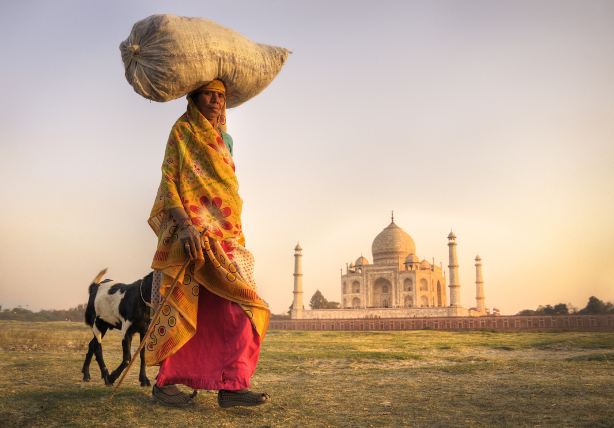
Agra
Explore AgraThings to do in Agra
Top 10 attractions in Agra


Travel essentials


eSIM
India 5G eSIM | Day Pass/Total Data Package | 1-30 Days | 24-Hour Billing | QR Code
View all eSIM
eSIM
India | 5G/4G eSIM | Daily/Data Package | Natural Day Billing | 1-30 Days | QR Code
View all eSIM
eSIM
Orange World 4G/LTE eSIM | Calls + SMS | 31 Days Total 50MB–20GB | Calendar-Day Billing | QR code
View all eSIMTrip Moments in Agra

Overrated or worth the hype? Taj Mahal 🇮🇳
“Is the Taj Mahal overrated, or is it really worth the hype?”
🇮🇳🤍 Review of the Taj Mahal, India | A timelessly beautiful monument of love.
“When talking about beautiful and world-famous tourist destinations, one place that must come to mind is the Taj Mahal, located in Agra, India.”
🤍✨ Review of the Taj Mahal, India 🇮🇳
“One of the world's most breathtaking landmarks, the Taj Mahal, located in Agra, is a stunning example of white marble architecture.”
Echoes of Mughal Splendor: A Journey Through Time and Heritage" 1. Introduction The image captures the majestic Kau Ban Masjid (also known as the Assembly Mosque or Mehman Khana / Guest House annex) located within the grand Taj Mahal complex in Agra, Uttar Pradesh, India. Built with rich red sandstone and marble inlay work, this architecture showcases the pinnacle of Indo-Islamic Mughal design. Agra and its surrounding areas, including Fatehpur Sikri and Agra Fort, served as the principal seat of power for the Mughal Empire during its golden age, especially during the reign of Emperor Akbar the Great and his successors. 2. Historical Background Emperor Akbar’s Era: Emperor Akbar moved the imperial capital to Agra in 1558 and later constructed Fatehpur Sikri nearby as a planned royal city. He built massive palaces, administrative halls, and residential quarters that blended Persian, Central Asian, and Hindu architectural styles. The Imperial Residence: Akbar’s royal complex featured sophisticated residential palaces, lush gardens, and court yards where he held assembly with scholars, artists, and ministers of diverse faiths (the Din-i-Ilahi philosophy). Shah Jahan's Contributions: Akbar’s grandson, Emperor Shah Jahan, further enriched Agra by constructing iconic monuments like the Taj Mahal, adding exquisite white marble structures to honor love, faith, and imperial grandeur. 3. Architectural Significance Sandstone and Marble Craftsmanship: The building featured in the photo highlights the classic Mughal use of red sandstone adorned with intricate white marble inlay (pietra dura), arched doorways (iwan), domes, and elegant chhatris (pavilions). Symmetry and Harmony: Mughal architecture is world-renowned for strict geometrical symmetry, expansive courtyards, and reflecting pools, creating a sense of serene magnificence. 4. Cultural & Heritage Legacy Melting Pot of Cultures: Agra and its surroundings became a vibrant cultural center where Persian literature, Indian music, miniature painting, and craft traditions flourished under royal patronage. UNESCO World Heritage: The entire region—comprising the Taj Mahal complex, Agra Fort, and Fatehpur Sikri—is recognized globally by UNESCO as world heritage sites that preserve the rich history, art, and architectural brilliance of sixteenth- and seventeenth-century India. #myitinerary #citydaytours #resorts #travel #couplestrip #beachlife #staycation #poolhotel #naturalwonders #thingstodo #museums
“Echoes of Mughal Splendor: A Journey Through Time and Heritage" 1.”
The Taj Mahal, Agra, India: A Timeless Journey Through Love, History, and Mughal Heritage Introduction: A Dream Carved in White Marble Standing gracefully on the banks of the Yamuna River in Agra, Uttar Pradesh, India, the Taj Mahal is far more than a magnificent architectural monument. It is an enduring symbol of love, devotion, artistic brilliance, and the extraordinary legacy of the Mughal Empire. During my visit to this world-famous landmark, I had the opportunity to admire its breathtaking beauty and capture some memorable moments in photographs. Standing before this magnificent structure, surrounded by its towering minarets, enormous white marble dome, and intricate decorative patterns, I felt as though I had stepped into a living chapter of history. The Taj Mahal is one of those rare places where history, art, architecture, and human emotion come together to create an unforgettable experience. The History Behind the Taj Mahal The story of the Taj Mahal dates back to the seventeenth century, during the reign of Mughal Emperor Shah Jahan, one of the most influential rulers of the Mughal dynasty in India. Shah Jahan commissioned this extraordinary mausoleum in memory of his beloved wife, Mumtaz Mahal, who died in 1631. Construction began in 1632, and the principal mausoleum was completed in 1648, while additional structures and elements of the larger complex were completed in the following years. The emperor envisioned a monument that would preserve the memory of his beloved wife for generations to come. The result was a masterpiece that transcended the boundaries of time, geography, and culture. Skilled architects, master craftsmen, stone carvers, calligraphers, and artisans from different regions contributed to the project. Their combined expertise transformed white marble and precious materials into one of the most celebrated monuments in human history. Today, the Taj Mahal stands as a powerful reminder of the artistic achievements and cultural sophistication of the Mughal period. Architectural Grandeur and Artistic Excellence One of the most remarkable aspects of the Taj Mahal is its extraordinary architectural harmony. The monument combines elements of Persian, Islamic, and Indian architectural traditions, creating a distinctive style that is both majestic and delicate. The enormous central dome rises elegantly above the main mausoleum, while four slender minarets frame the raised marble platform. The balanced proportions, symmetrical design, and graceful arches give the entire structure a sense of perfection. The closer one looks, the more extraordinary the craftsmanship becomes. The white marble walls are decorated with delicate floral patterns, geometric designs, carved details, and beautiful Arabic calligraphy. The decorative inlay technique, commonly known as Pietra Dura or Parchin Kari, incorporates colourful semi-precious stones into marble to create intricate floral compositions. These details demonstrate the extraordinary patience, precision, and artistic skill of the craftsmen who worked on the monument. In my photographs, the towering minaret and magnificent central dome create an impressive backdrop, while the closer view reveals the delicate stonework and intricate ornamentation that make the Taj Mahal truly exceptional. Every arch, every carved panel, and every carefully arranged detail reflects a remarkable dedication to beauty and craftsmanship. The Spiritual and Cultural Significance Although the Taj Mahal is universally admired as a symbol of romantic love, it is also an important expression of Islamic art and architectural heritage in India. Arabic inscriptions, many featuring passages from the Quran, decorate sections of the monument. These inscriptions, together with the geometric patterns and floral ornamentation, contribute to the building's spiritual atmosphere. The complex also includes a mosque and a guesthouse, positioned on either side of the principal mausoleum. Its gardens follow a traditional Persian-inspired layout, with pathways and water channels arranged in a carefully planned composition. The combination of architecture, landscaping, calligraphy, and decorative art creates an environment that encourages visitors to pause, reflect, and appreciate the relationship between beauty, spirituality, and remembrance. For many people, visiting the Taj Mahal is not simply a sightseeing experience. It is an opportunity to connect with a historical legacy that continues to inspire people across the world. Agra: A City Rich in History and Heritage The Taj Mahal is located in Agra, a historic city in northern India that flourished as an important centre of Mughal power, administration, architecture, and culture. Agra's heritage extends far beyond this famous mausoleum. The city preserves a remarkable collection of historical monuments, traditional crafts, old neighbourhoods, and cultural traditions that reflect centuries of Indian history. Among its most important landmarks is Agra Fort, a magnificent red sandstone fortress associated with several Mughal emperors. It contains impressive courtyards, palaces, audience halls, and architectural features that reveal the splendour of imperial life. Another important historical destination is Fatehpur Sikri, the former Mughal capital established by Emperor Akbar in the sixteenth century. Its monumental gateways, palaces, courtyards, and religious buildings provide valuable insights into the political and cultural world of the Mughal Empire. Together, these sites make Agra one of India's most significant destinations for understanding Mughal history and architectural heritage. The Living Traditions of Agra The cultural heritage of Agra is not confined to its historical monuments. It also survives through the skills, traditions, and everyday lives of the local people. One particularly fascinating tradition is marble inlay craftsmanship. In the Taj Ganj area surrounding the Taj Mahal, artisans continue to practise forms of decorative stone inlay inspired by the techniques used to adorn the monument. Using small pieces of coloured stone, skilled craftsmen create elaborate floral patterns, decorative panels, tabletops, and other objects. This traditional craft connects contemporary artisans with the artistic achievements of the Mughal period. Agra is also known for its vibrant markets, traditional handicrafts, regional cuisine, and lively streets. Visitors can explore local bazaars, discover handcrafted souvenirs, and experience the warm hospitality and cultural diversity of the region. The city's food culture is another attraction. Traditional Mughlai dishes, aromatic spices, kebabs, rich gravies, and the famous sweet known as Agra Petha contribute to the city's distinctive culinary identity. These living traditions remind us that heritage is not simply about preserving old buildings. It is also about protecting the knowledge, skills, customs, and cultural expressions that communities pass from one generation to the next. The Taj Mahal and Its Place in World Heritage The Taj Mahal was inscribed on the UNESCO World Heritage List in 1983 in recognition of its outstanding universal value. Its significance extends beyond India because it represents a shared achievement of human creativity and artistic excellence. People from different countries, cultures, religions, and backgrounds travel to Agra to admire its beauty and learn about its history. The monument is widely regarded as one of the world's most iconic architectural masterpieces and is also recognised as one of the New Seven Wonders of the World. Its enduring popularity reflects a universal appreciation for beauty, craftsmanship, memory, and love. Preserving the Taj Mahal for future generations remains essential. Protecting its marble surfaces, maintaining the surrounding environment, and safeguarding traditional craftsmanship are important responsibilities for India and the international community. My Personal Experience: A Moment to Remember Looking back at my photographs, I feel fortunate to have experienced the extraordinary atmosphere of this historic place. In the first photograph, I am seated in front of the magnificent Taj Mahal, with its central dome and towering minaret rising against the cloudy sky. The expansive marble platform and the visitors walking around the monument create a scene that captures both its grandeur and its place in the modern world. In the second photograph, the view moves closer to the monument's intricate marble façade. The delicate latticework, elegant calligraphy, decorative stone patterns, and carefully carved details reveal another dimension of its beauty. These photographs preserve more than a visit to a famous landmark. They capture a personal connection with a place that has inspired countless travellers, historians, artists, photographers, and admirers for centuries. Standing before the Taj Mahal, one cannot help but reflect on the power of human creativity and the extraordinary legacy that people can leave behind. Empires rise and fall, generations come and go, and the world continues to change. Yet, the Taj Mahal remains a timeless reminder that beauty, artistry, and love can survive far beyond the lives of those who first imagined them. Conclusion: A Legacy That Belongs to the World The Taj Mahal is much more than a monument built in memory of an emperor's beloved wife. It is a treasure of Indian history, a masterpiece of Mughal architecture, a celebration of traditional craftsmanship, and an enduring symbol of humanity's search for beauty and meaning. Its white marble surfaces, majestic dome, elegant minarets, and intricate decorative details tell a story that continues to captivate the world. My visit to this remarkable place has left me with lasting memories and a deeper appreciation for India's extraordinary historical and cultural heritage. For anyone who loves history, architecture, photography, or travel, the Taj Mahal is a destination that deserves a place on the journey of a lifetime. Some places are beautiful to see, some are fascinating to understand, and a rare few touch the heart. The Taj Mahal does all three. Agra, India — where history lives in marble, art tells stories of the past, and a timeless monument continues to inspire the world. #TajMahal #AgraIndia #IncredibleIndia #MughalHeritage #WorldHeritage #TravelAndCulture #HistoryAndArchitectu re #TravelMemories
“The Taj Mahal, Agra, India: A Timeless Journey Through Love, History, and Mughal Heritage Introduction: A Dream Carved in White Marble Standing gracefully on the banks of the Yamuna River in Agra, Uttar Pradesh, India, the Taj Mahal is far more than a magnificent architectural monument.”
The Taj Mahal: A Timeless Monument of Love, Art and Mughal Heritage The Taj Mahal and the Living Heritage of Agra The photograph captures the magnificent Taj Mahal in Agra, Uttar Pradesh, India—one of the most celebrated monuments in human history. Standing beside the long reflecting pool, with the great white marble mausoleum rising majestically in the background, the scene represents more than a beautiful tourist destination. It reflects centuries of history, architecture, craftsmanship, love, culture and the extraordinary artistic achievements of the Mughal era. Built on the southern bank of the Yamuna River, the Taj Mahal was commissioned by Mughal Emperor Shah Jahan in memory of his beloved wife Mumtaz Mahal, who died in 1631. Construction of the principal mausoleum began in 1632 and was completed around 1648, while elements of the larger complex were completed in the following years. A Masterpiece of Mughal Architecture The Taj Mahal is widely regarded as one of the finest achievements of Indo-Islamic and Mughal architecture. Its extraordinary beauty comes from a harmonious combination of white Makrana marble, perfect symmetry, monumental domes, elegant arches, slender minarets, delicate carvings and intricate stone inlay. The central dome dominates the complex, surrounded by four graceful minarets. The main mausoleum is complemented by a mosque and a guest house, while the vast Charbagh garden—a traditional Persian-style four-part garden—creates a magnificent visual approach to the monument. One of the remarkable features of the Taj Mahal is its extraordinary use of Pietra Dura, locally known as Parchin Kari. Artisans carefully embedded semi-precious stones into marble to create delicate floral and geometric patterns. UNESCO notes that craftsmen from across the Mughal Empire, as well as Central Asia and Iran, contributed to the monument's construction and decoration. Agra: The Historic Heart of Mughal India The Taj Mahal cannot be separated from the history of Agra. Situated beside the Yamuna River, Agra became one of the most important political, cultural and architectural centres of northern India. The city's great transformation began during the Mughal period. Emperor Babur established his presence in Agra after 1526, followed by the great Mughal rulers Akbar, Jahangir and Shah Jahan. During this period, Agra developed into a centre of architecture, literature, art, craftsmanship, commerce and imperial culture. The city's heritage extends far beyond the Taj Mahal. Agra Fort, Fatehpur Sikri and the Taj Mahal together form an extraordinary collection of Mughal monuments, with all three recognised as UNESCO World Heritage Sites. A City of Art, Craft and Culture Agra's cultural identity continues to live through its traditional crafts and everyday life. The city is particularly famous for marble inlay work, stone carving, carpets, leather goods and traditional handicrafts. The artisans of the Taj Ganj area still practise the Parchin Kari marble-inlay tradition associated with the artistic heritage of the Taj Mahal. Agra is also part of the wider Braj cultural region, giving the city a rich cultural character shaped by different religious traditions, languages, festivals, food and centuries of interaction between communities. Its historic bazaars, traditional crafts and local cuisine add another dimension to the city's heritage. The Taj Mahal as a Symbol of Love Beyond its architectural magnificence, the Taj Mahal has become a universal symbol of love, remembrance and devotion. Shah Jahan's decision to create such an extraordinary memorial for Mumtaz Mahal transformed personal grief into a work of art that has endured for centuries. The changing appearance of the white marble—from soft shades in the early morning to brilliant white in daylight and warmer tones around sunset—adds to the monument's emotional and visual appeal. In 1983, UNESCO inscribed the Taj Mahal on the World Heritage List, recognising it as an outstanding masterpiece of world heritage. A Personal Moment in Front of an Eternal Monument This photograph preserves a memorable personal moment against one of the world's most iconic architectural backgrounds. The tranquil water channel, manicured gardens, towering cypress trees and magnificent marble structure create a remarkable composition—where history, nature, architecture and personal memory meet in a single frame. Standing before the Taj Mahal is, in many ways, like standing before a living chapter of history. The monument carries the story of the Mughal Empire, the genius of generations of craftsmen, the cultural richness of Agra and, above all, a timeless story of love. The Taj Mahal is not merely a monument to be visited—it is a heritage to be experienced, remembered and cherished. It stands today as an enduring reminder that great architecture can transcend time, geography and generations, connecting the past with the present and inspiring people from around the world. “A journey to Agra is a journey through history, and a moment before the Taj Mahal is a moment with eternity.” #afternoonteatime #citydaytours #familytravel #travel #couplestrip #beachlife #staycation #naturalwonders #thingstodo #seascapes #myitinerary #poolhotel
“The Taj Mahal: A Timeless Monument of Love, Art and Mughal Heritage The Taj Mahal and the Living Heritage of Agra The photograph captures the magnificent Taj Mahal in Agra, Uttar Pradesh, India—one of the most celebrated monuments in human history.”
Is India Really as Dirty and Chaotic as We Imagine?
“India is a country with a long history and diverse culture, boasting abundant natural landscapes and cultural heritage.”Explore Agra on the map
Frequently asked questions
What is Agra famous for?
−Agra is known for its wealth of attractions and things to do. Here are a few highlights: Taj Mahal, Agra Fort, and Fatehpur Sikri Fort.
What are the must-try activities in Agra?
−Consider From Delhi: Sunrise Taj Mahal, Agra Fort & Baby Taj Private Day Tour by Car (with Options), From Agra: Taj Mahal Sunrise Skip-the-line Entry, With Agra Fort & Baby Taj Priavate tour, and From Agra: Sunrise Taj Mahal, Agra Fort & Baby Taj Private Day Tour by Car (with Options) in Agra. Availability and itineraries change, so check the latest details before booking.