OverviewReviewsWin PrizesDetailsNearby
Share to
Show all
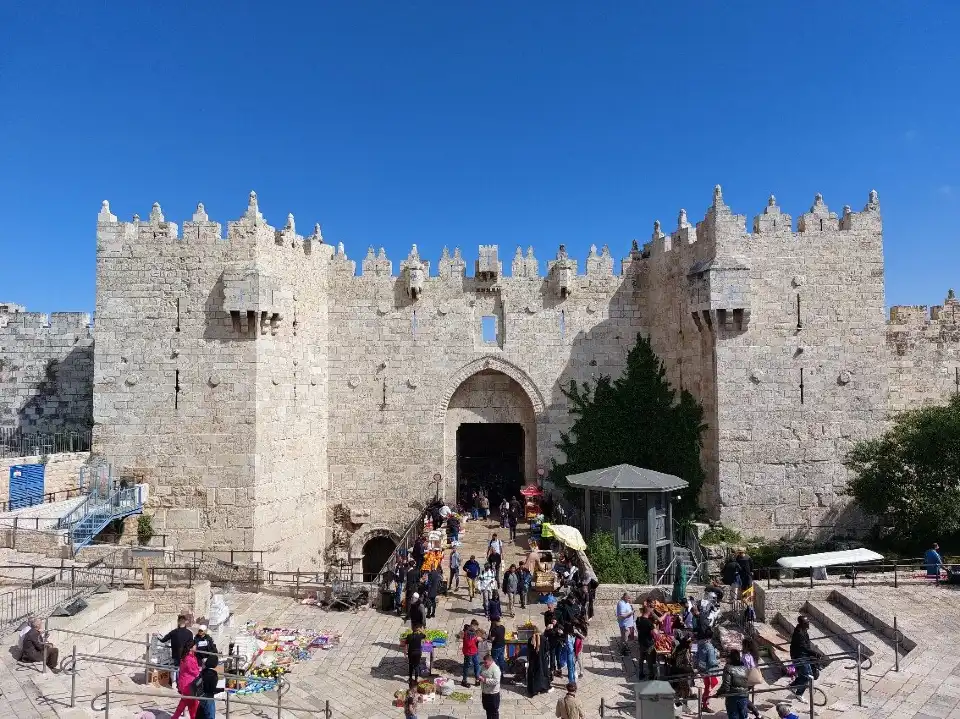
Damascus Gate
3.6
5.0/5
46 reviews
 based on 573 reviews
Opening hours of Damascus Gate
Free entry
Recommended sightseeing time: 1–2 hours
Address:
Jerusalem
Map
Phone:Ticket inquiry: +972-26254403
Damascus Gate attraction highlights
Some information may have been translated by Google Translate
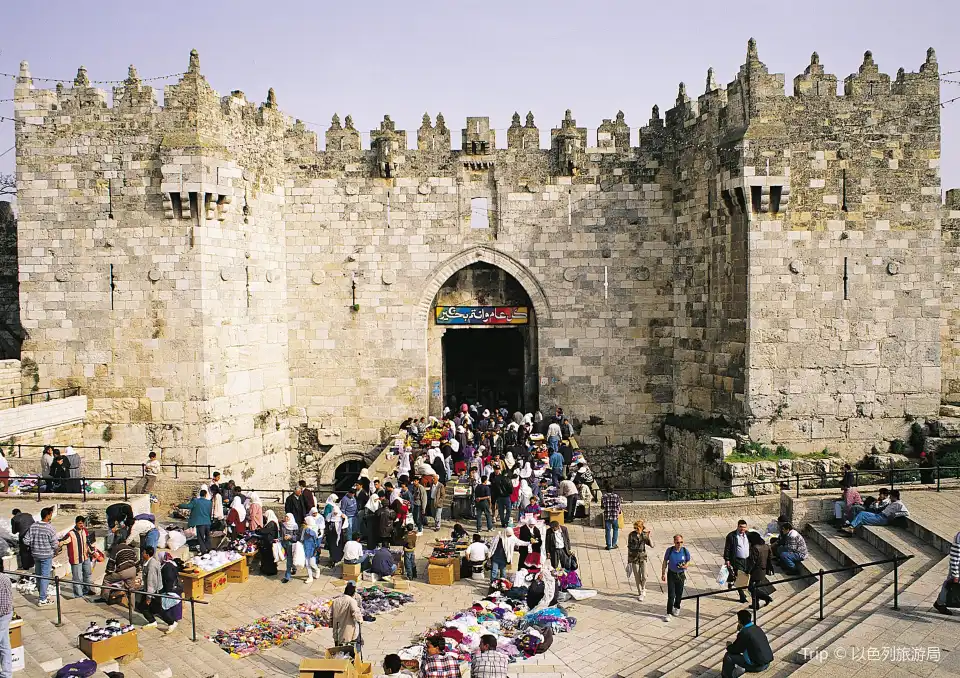
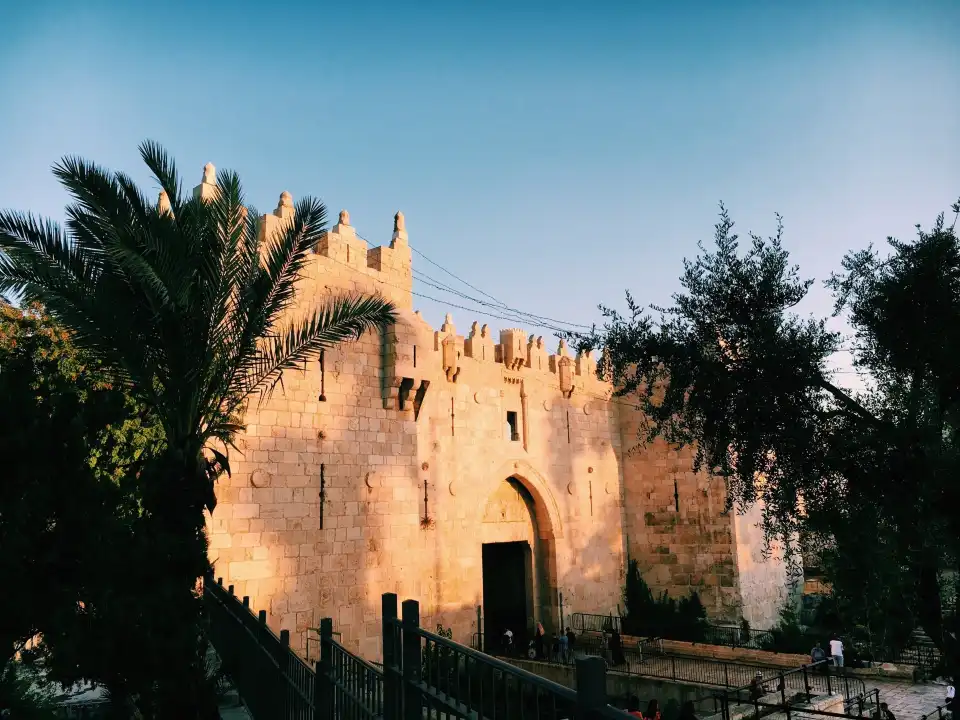
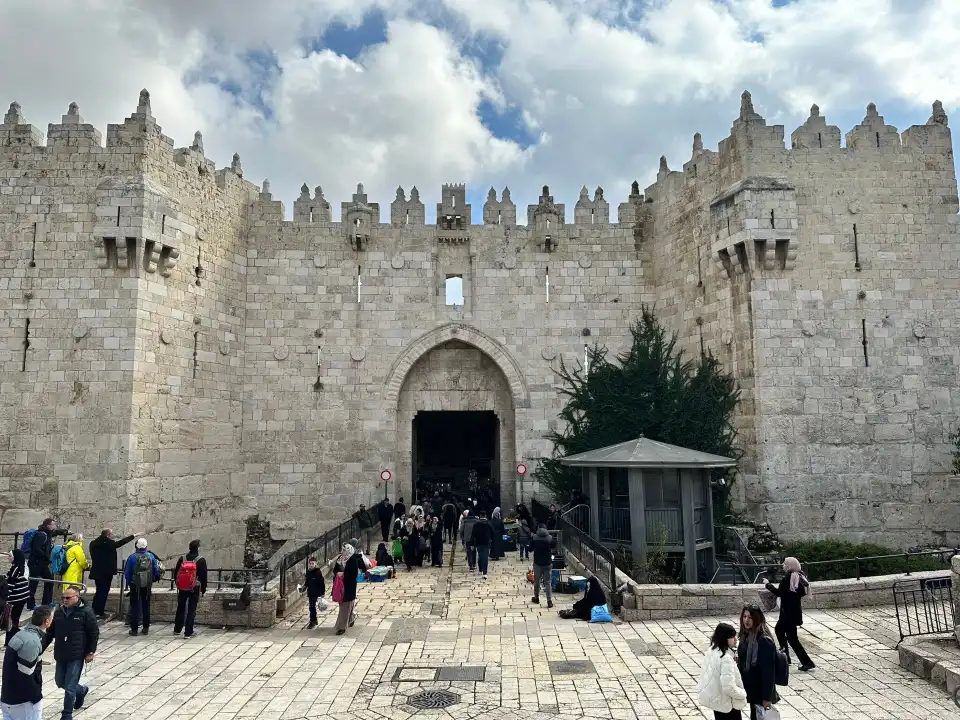
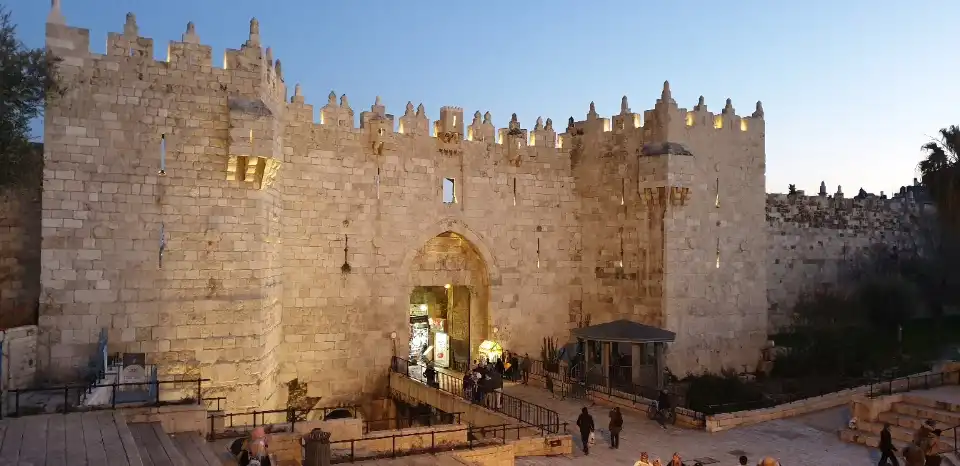
Also known as Shechem Gate or Nablus Gate, it is located on the north side of the Old City of Jerusalem, on the edge of the Arab Bazaar. The existing gate was built in 1542 by Suleiman the Magnificent of the Ottoman Empire and has two towers. During Hadrian's time in the 2nd century AD, the Romans built a new gate. In front of the city gate stands a Roman Victory Column. The Arabic name of the Damascus Gate, "Pillar Gate", derives its name from it. During the British Mandate, the Roman gate was excavated, but no Victory Column was found.
Surrounding area map of Damascus Gate
More recommendations
Popular Types of Attractions in Jerusalem
Historical attractions | Nature and wildlife | Natural scenery | Beaches and shores | Mountain climbing | Cultural institutions | Themed exhibition halls | Museums | Sightseeing tours | Exhibitions & events | Leisure activities | Farms and pastures | Camping and campsites | Outdoor activities | Skybound experiences
Popular Restaurants in Jerusalem
Adom Restaurant | Nafoura Restaurant | Azura | Mousseline Jerusalem - Mahane Yehudah | Glen Whisk(e)y Bar | Katy's | 1868 | Urbun Cafe | Rooftop | Oren & Yani | Burger Market | Patrick's | Denya cafe | Cafe Bastet | Educational Bookshop | Mazkeka | Jahnun Bar | Tala Hummus and Falafel | Focaccia Bar | Grill Bar | Black Burger Yes Planet | Freddy Lemmon | Cafè Shalva | Machneyuda | Tmol Shilshom | Dolphin Yam | HaHummus Shel Tchina | Patisserie Suisse | piccolino Italian Restaurant | Burgers Bar
Recommended attractions at popular destinations
Popular Attractions in Bangkok | Popular Attractions in City of Manila | Popular Attractions in Tokyo | Popular Attractions in Taipei | Popular Attractions in Hong Kong | Popular Attractions in Seoul | Popular Attractions in Kuala Lumpur | Popular Attractions in Los Angeles | Popular Attractions in Shanghai | Popular Attractions in New York | Popular Attractions in Shenzhen | Popular Attractions in Osaka | Popular Attractions in Singapore | Popular Attractions in London | Popular Attractions in Guangzhou | Popular Attractions in San Francisco | Popular Attractions in Beijing | Popular Attractions in Macau | Popular Attractions in Bali | Popular Attractions in Jakarta | Popular Attractions in Paris | Popular Attractions in Ho Chi Minh City | Popular Attractions in Istanbul | Popular Attractions in Phuket | Popular Attractions in Chicago | Popular Attractions in Seattle | Popular Attractions in Toronto | Popular Attractions in Orlando | Popular Attractions in Cebu | Popular Attractions in Chiang Mai
Popular Ranked Lists
Top 20 Global Traveller-Picked Hotels in Harbin | Top 20 Global Traveller-Picked Restaurants in Shangrao | Top 10 Global Traveller-Picked Attractions in Dongguan | Top 50 Global Traveller-Picked Attractions in Beijing | Top 10 Global Traveller-Picked Attractions in Dujiangyan | Popular Premium Hotels in Buruanga | Top 50 Global Traveller-Picked Attractions in Xiamen | Top 50 Global Traveller-Picked Hotels in Xi'an | Top 50 Global Traveller-Picked Attractions in Guangzhou | Top 50 Global Traveller-Picked Restaurants in Guilin | Top 20 Global Traveller-Picked Attractions in Shenyang | Top 50 Global Traveller-Picked Restaurants in Guiyang | Top 50 Global Traveller-Picked Attractions in Harbin | Top 50 Global Traveller-Picked Restaurants in Shantou | Top 50 Global Traveller-Picked Restaurants in Chaozhou | Top 20 Global Traveller-Picked Hotels in Zhongshan | Top 50 Global Traveller-Picked Restaurants in Shangri-La | Top 50 Global Traveller-Picked Restaurants in Ningbo | Top 50 Global Traveller-Picked Restaurants in Huangshan City | Top 50 Global Traveller-Picked Restaurants in Tianjin | Top 10 Global Traveller-Picked Attractions in Yulong | Top 20 Global Traveller-Picked Hotels in Jiuzhaigou | Top 20 Global Traveller-Picked Attractions in Kunming | Top 50 Global Traveller-Picked Attractions in Shanghai | Top 20 Global Traveller-Picked Attractions in Luoyang | Top 50 Global Traveller-Picked Attractions in Tianjin | Popular Best Things to Do in Yangon | Popular Premium Hotels in Norte de Santander | Top 50 Global Traveller-Picked Restaurants in Xiamen | Top 50 Global Traveller-Picked Restaurants in Foshan
Popular Trip Moments
Mont-Saint-Michel (French: Mont-Saint-Michel), also known as Mount Saint Michael, is a famous French monument and holy site, and is a Catholic | A Slice of Peace and History: Serpelice’s Wooden Monastery Gem | A Journey Through Time: Exploring the Old City of Jerusalem | Dead Sea | The lowest point on Earth | 🇵🇸 Dome of the Rock: The Golden Dome My Heart Longs to See One Day | Madinah | Sameba: Tbilisi’s Epic Cathedral of Faith & Rebirth ⛪✨ | Madinah Al-Munawwarah | Masjid Al-Qiblatain | Experience the exotic Middle Eastern charm without leaving Beijing at the Asia zone of World Park | The Silesian Jerusalem: Exploring Wambierzyce’s Basilica of the Visitation ⛪️✨ | An Enriching Photography Experience in Jerusalem | Slow Traveling at the Slepcenski Monastery: Spiritual Vibes & Nature Feels in North Macedonia 🕊️🌿 | 🕌 Jerusalem, an ancient city steeped in history, faith, and stories passed down through millennia. ✨ | Israel’s Negev Mitzpe Ramon Makhtesh Ramon Crater Rim Lookout | Temple Church London | At the end of Fleet Street | Russia Altai Republic Chemal Katun River Mossy Cedar Alleyeasytravelpost | Travel: My absolute faves and dream list✨ | Xiamen trip | 1. Return to the Bagua Building on Gulangyu Island (Part 1) | Nelson's Landmark and Treasure: Christ Church Cathedral. | Sacred Heart Cathedral | The lighting moment of Guangzhou’s Notre Dame of Paris is stunning | Welcome to 72 Hours in Jerusalem: A City of Stone, Light, and Living History | A day of being a “salted fish” at the Dead Sea | Why Israel Should Be Your Next Travel Obsession ✈️🌟 | The Garden of Gethsemane: A Tranquil Haven with Millennia-Old Olive Trees. | The Dome of the Rock — One of the Most Recognizable Symbols of Jerusalem | The Church of the Holy Sepulchre — One of the Main Shrines in the Old City of Jerusalem | The Western Wall — A Place Where History Meets Modernity. | Israel in Every Step 🇮🇱✨ | Germany Hildesheim St. Michael's Church The Pinnacle of Romanesque Architecture
More Things To Do in Jerusalem
Jerusalem: Masada, Ein Gedi & Dead Sea Tour | Jerusalem day tour | Trip Moments in Jerusalem, Israel[Photography & Videography Services Including Follow-up Shooting, Aerial Photography, Portrait Sessions, Wedding Photography, Short Films/Multilingual Translation/All Original Photos Included] | Jerusalem & Israel Private Tour with Guia Brasileiro em Israel | From Tel Aviv/Jerusalem: Galilee, Nazareth, Jordan River | From Jerusalem: Bethlehem, Jericho & Qasr al-Yahud | From Jerusalem: Dead Sea Chill Out Half-Day Trip | Tel Aviv: Jerusalem, Bethlehem & Dead Sea | Tel Aviv/Jerusalem: Caesarea, Haifa & Akko Day Tour | Jerusalem: Masada Sunrise Hike | Jerusalem: Jerusalem, Bethlehem & Dead Sea Day Tour | Jerusalem: Bethlehem, Jericho, and Jordan River Day Tour | Jerusalem: Bethlehem, Jericho, and Jordan River Day Tour | From Jerusalem: Magdala, Mount of Beatitudes, and Cana Tour | From Jerusalem: Dead Sea Visit & Desert Safari | Jerusalem Old City - Tiny group tour from Tel Aviv | Damascus Highlights Audio Tour: Historical Treasures | From Tel Aviv: Bethlehem Guided Day Tour | Tel Aviv: Best of Jerusalem Day Tour | From Jerusalem: Masada at Sunrise, Ein Gedi & Dead Sea Tour | Jerusalem: Temple Mount and Dome of the Rock Guided Day Tour | From Jerusalem: West Bank Tour-Jericho, Ramallah & Bethlehem | From Jerusalem: Day Trip to Golan Heights and Mount Bental | Jerusalem Highlights Audio Tour: Sacred Sites and Ancient Wonders | Holy City of Jerusalem and Bethlehem Private Tour | Private Tour to Nazareth & Sea of Galilee & Jordan River Yardenit - Exclusive | Private Tour: Nazareth, Tiberias and Sea of Galilee Day Trip from Jerusalem | From Tel Aviv: Jerusalem Old City & Dead Sea Guided Day Tour | From Jerusalem: Judean Desert Jeep Adventure | Bethlehem and Jericho: Guided Tour - small groups
Some content is uploaded by users, and specific information is subject to actual conditions
Other visitors' reviews of Damascus Gate
Show More ReviewsThe entrance to the Old City of Jerusalem, known as the Damascus Gate, dates back to the Roman era in the second century. At that time, the gate was three times as long as it is now, like a triumphal arch, and was not connected to the city walls. Later, when it was rebuilt with city walls, it became a guardhouse. Impressively, the remains of the Roman gate still exist, including the archway engraved with the laws made by the colonial rulers. Damascus Gate, also known as Shechem Gate or Nablus Gate, is a gate on the north side of the Old City of Jerusalem. The gate was built by Suleiman the Magnificent of the Ottoman Empire in 1542 and has two towers. The original gate was built during the Second Temple period, and the Romans built a new gate during the Hadrian period in the 2nd century AD. In front of the gate stands a Roman victory column, which is why the Arabic name of Damascus Gate, "the Gate of the Pillars", is so named. During the British Mandate period, the Roman gate was excavated, but the victory column was not found. During the Crusades, this was the north gate of the city.