Sera Monastery
色拉寺 based on 717 reviews
 No. 15 of Best Things to Do in Tibet
Closed for the day Opening hours of Sera Monastery
Sera Monastery attraction highlights
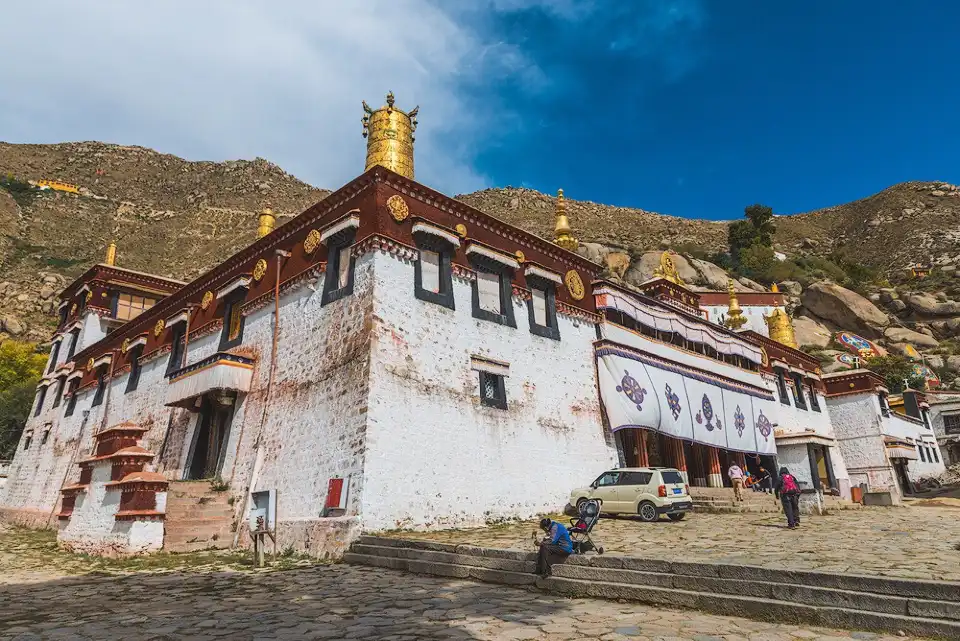
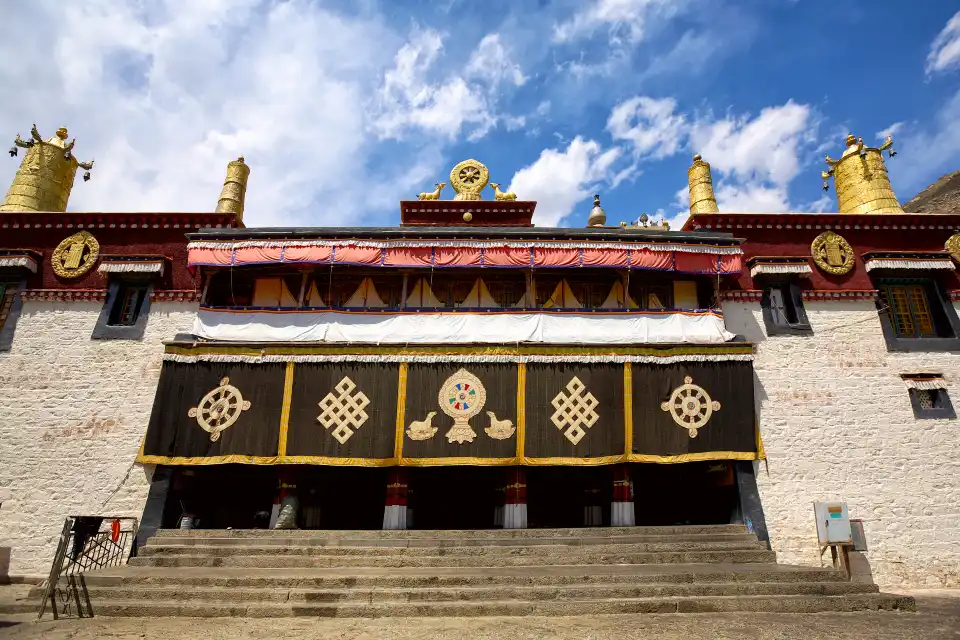
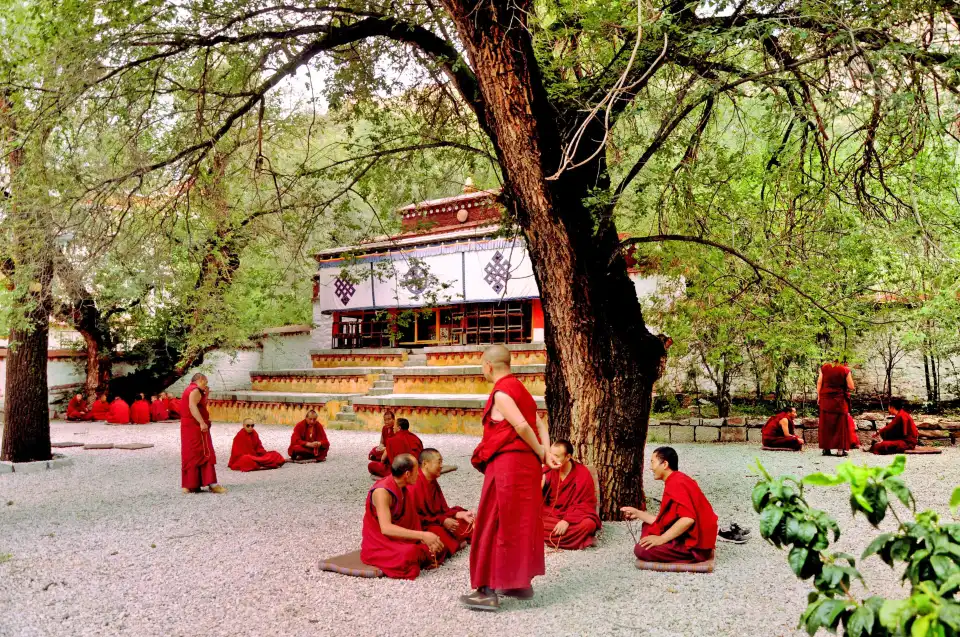
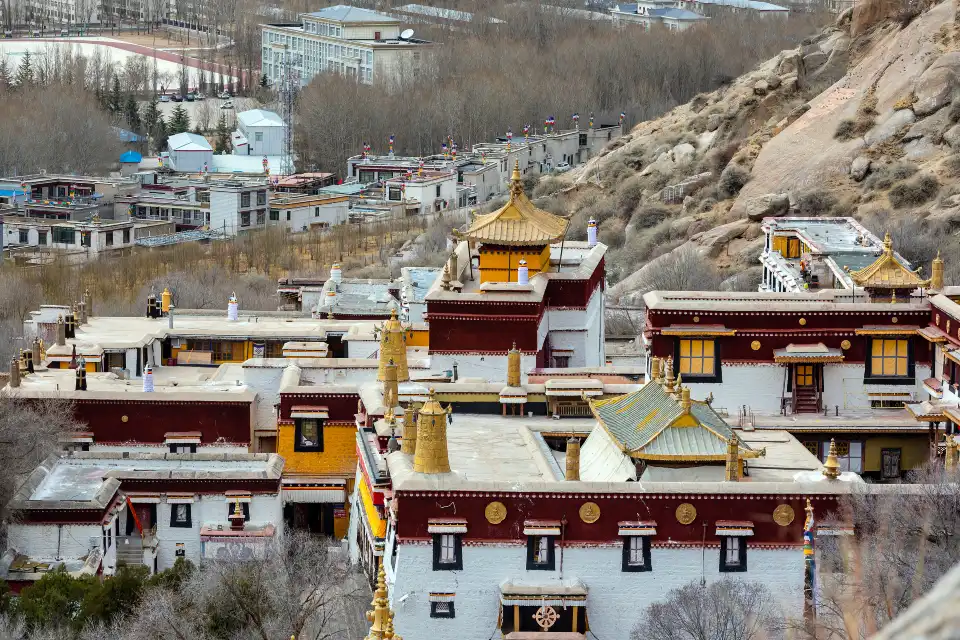
Sera Monastery is located at the foot of Sera Utsé Mountain in the northern suburbs of Lhasa, one of the three great monasteries of Lhasa and the second largest monastery in Tibet. The architecture within the monastery is of Tibetan style, with the main hall being resplendent and grand. The monastery houses numerous Buddha statues, as well as a vast collection of precious artistic treasures such as scriptures, exquisite thangkas, appliqué thangkas, and murals, making it an excellent place for worship or sightseeing. Famous debate: The debate at Sera Monastery has long been renowned in Tibet and is a highlight for visitors. The debate ceremony takes place in the debate courtyard north of the monastery, starting daily at 3 p.m. and lasting until 5 p.m., except on Sundays and special holidays. During the debate, monks sit on the ground while another stands opposite, engaging in exaggerated motions to argue scriptures, which is quite fascinating. Exploring Sera Monastery's architecture: Visitors can walk around to admire the monastery's halls. The entire monastery has a perimeter of approx. 1.5 km, with its layout centered around the Tsokchen Hall, surrounded by numerous buildings of various colleges. Unlike Han Chinese Buddhist architecture, Sera Monastery is not symmetrically arranged but scattered across the mountainside. Notable halls include the Hayagriva Chapel and the Tsokchen Hall, which are must-sees. The Hayagriva Chapel enshrines the famous statue of Hayagriva, a powerful guardian deity in Tibetan Vajrayana Buddhism believed to ward off evil and resolve difficulties. Legend has it that this statue was unearthed by Tsongkhapa, founder of the Gelug school, after he heard a horse's neigh during a walk. Thus, it is said to possess strong exorcising powers in Tibetan Buddhist lore. This is also a focal point for devotees visiting Sera Monastery, where one can join the faithful in prayers for blessings and protection. The central Tsokchen Hall is the largest structure in Sera Monastery, supported by 108 pillars and capable of accommodating over 8,000 monks during religious ceremonies. Inside, a statue of the monastery's founder, Shakya Yeshe, features a unique hat inscribed with Sanskrit, gifted by the Yongle Emperor of the Ming Dynasty during his preaching in inland China—a detail worth discovering firsthand. Hiking the back mountain for a panoramic view of Lhasa: The back mountain of Sera Monastery offers a high vantage point, with the summit providing a full view of Lhasa, making it a favorite spot for hiking enthusiasts. The mountain has a relative height of approx. 500 m, and the hike takes around 4 hrs, requiring moderate physical fitness. However, even a slight ascent along the trail rewards hikers with expansive views of Lhasa, so travelers with limited stamina or those prone to altitude sickness are advised not to push to the summit.

Other visitors' reviews of Sera Monastery
Show More ReviewsSera Monastery, officially known as "Sera Mahayana Monastery," is located at the foot of Sera Utse Mountain in the northern suburbs of Lhasa. It is one of the six principal monasteries of the Gelug school of Tibetan Buddhism, and along with Drepung Monastery and Ganden Monastery, is considered one of the three great monasteries of Lhasa. Construction began in the 17th year of the Yongle reign of the Ming Dynasty by Tsongkhapa's disciple Shakya Yeshe and was completed in 1434. The monastery houses the Tsokchen Hall, three large datsangs, and other buildings, housing tens of thousands of Buddha statues and numerous murals. Its unique Buddhist debates make it a vital venue for understanding Tibetan Buddhist culture.