
Lu Town
鲁镇 based on 14 reviews
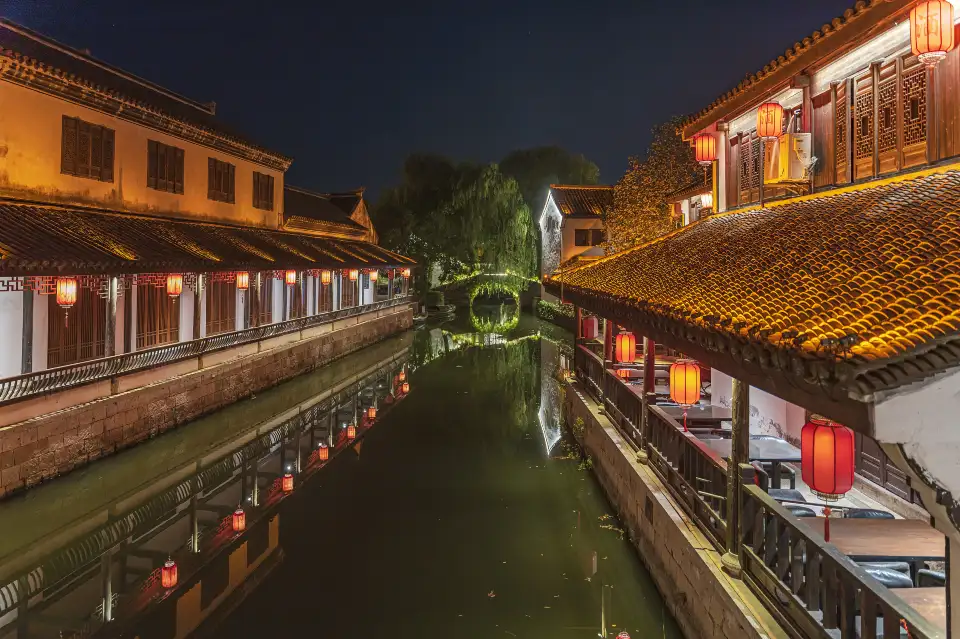
 No. 5 of Night Attractions in Shaoxing
Opening hours of Lu Town
Lu Town attraction highlights
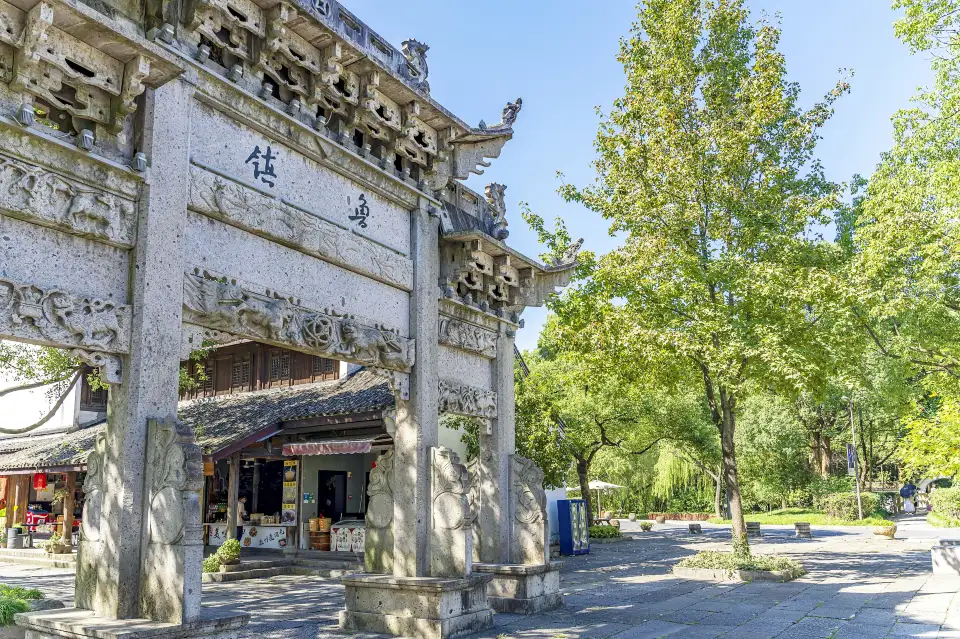
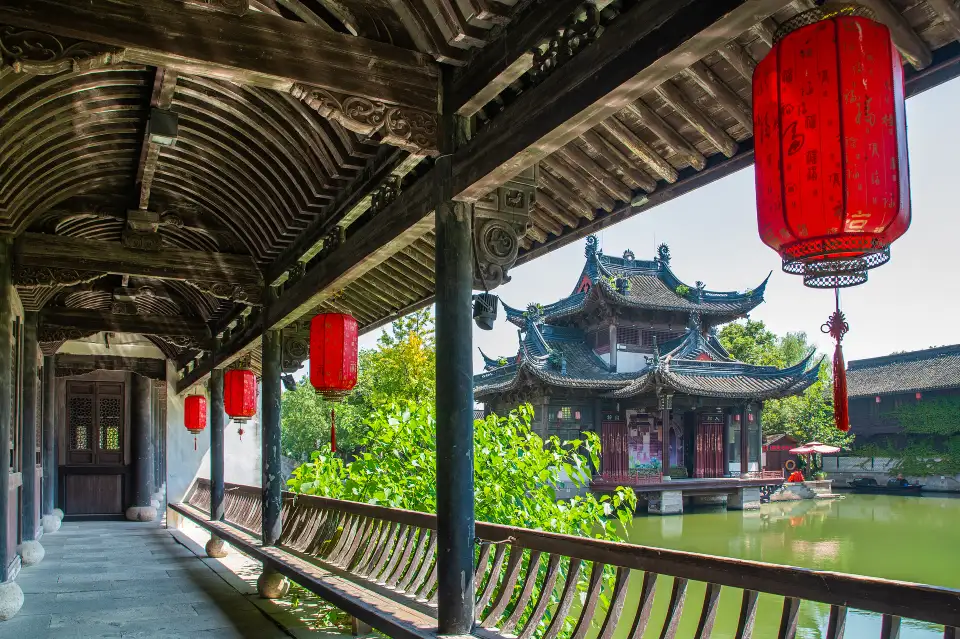
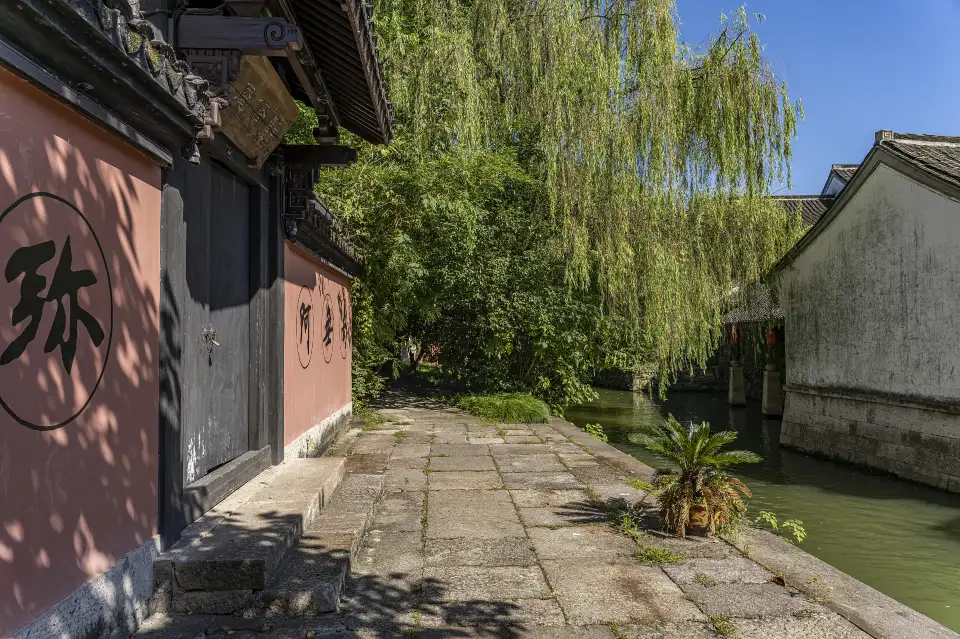
Lu TownLocated inShaoxing Keyan Scenic AreaInside is a theme park faithfully recreated based on "Lu Town" from Lu Xun's writings. Here you'll encounter many familiar scenes: the Lu Family Ancestral Hall, Kuiwen Pavilion, the Tutelary God's Temple where Ah Q lived, and more. As you walk through, you can recall episodes from the literary works, creating a uniquely immersive experience.Lu TownDivided roughly into three parts by the flowing water, the attraction's entrance features a tall stone archway inscribed with "Lu Town" characters. Next to it is a bronze statue of Mr. Lu Xun sitting in a rattan chair, embodying the spirit of "fiercely defying a thousand pointing fingers, humbly serving as an ox for the people." It is alsoLu TownThe landmark features a central axis lined with the Folk Customs Street and a double-sided opera stage. To the left are Zhao Mansion, Tugu Temple, and Kuiwen Pavilion, while the right side includes Jingxiu Nunnery, Hundred Plaques Hall, Lu Mansion (Lu Family Garden), Lu Family Ancestral Hall, Pawn Shop, and Qian Mansion (Madman's Residence). The sections are connected by small bridges, with black-canopied boats occasionally gliding through the waterways, creating a charming and picturesque scene.Lu TownNot very large, you can explore on foot by following the signs. The first stop is the Folk Culture Street, whereLu TownA bustling area with many unique shops along the street selling antiques, jade items, and traditional black felt hats. Visitors can also participate in Shaoxing-style games like "ball toss" and "ring toss." If interested, feel free to join the fun. At the end of the cultural street isLu TownAt the center is a double-sided stage where visitors can watch She Opera performances and enjoy Shaoxing wine (performance times are posted on the notice board near the stage). To the left of the stage is Ah Q's dwelling, the Tugu Temple, and further inside liesLu TownThe taller Kuixing Pavilion offers a panoramic view when you ascend to its upper level.Lu TownPanoramic view. Cross the bridge to Qian Mansion, which recreates a distorted "cannibalistic" environment based on the plot of "A Madman's Diary." Entering the wriggling cave feels like stepping into the intestines of an animal, vividly depicting the sense of being devoured by feudal ethics. From Qian Mansion, head toward the attraction's main gate, passing landmarks like the pawnshop, Lu Family Garden from "The New Year's Sacrifice," and the Jingxiu Nunnery where Ah Q harassed the young nun. Cross the stone bridge in front of the nunnery to exit.Lu TownThe square. Besides these buildings,Lu TownActors in costumes portraying characters from Lu Xun's works can also be seen on the streets.Lu TownA scene unfolds: Ah Q puts on all sorts of funny faces with his slick talk, while Xianglin's Wife wanders the streets with her begging basket and bamboo cane... making visitors feel as if they've truly stepped into Lu Xun's stories. When crowds gather, these characters play their roles, reciting classic lines to entertain visitors and prompting them to pull out their cameras for photos. The Keyan Scenic Area features Keyan,Lu TownTwo entrances, you can start exploring from either one.Lu TownTake a painted boat to Hulu Wine Island, then visit the Keyan Scenic Area to see the Tian Gong Buddha. Alternatively, enter the attraction from Keyan and follow the Keyan-Jianhu- route.Lu TownSightseeing.
Other visitors' reviews of Lu Town
Show More ReviewsFirst, it's important to clarify that "Luzhen" here doesn't refer to a geographical location. It's a recreation of Lu Xun's "hometown" from his novels, a scene based on his childhood memories of several water towns like Dongpu, Fanjiang, Dongguan, Huangfuzhuang, and Anqiaotou. This artistic recreation recreates the appearance of a Shaoxing water town a century ago, allowing modern viewers to experience the charm of Luzhen as described by Lu Xun. The town features many bronze sculptures with accompanying text, depicting typical characters and environments from Lu Xun's works such as "The New Year's Sacrifice," "My Hometown," "The True Story of Ah Q," and "Diary of a Madman." It has now become a symbol of Shaoxing.