Tulum
 based on 30,614 reviews
 No. 10 of Best Things to Do in Mexico
Closed for the day Opening hours of Tulum
Tulum attraction highlights
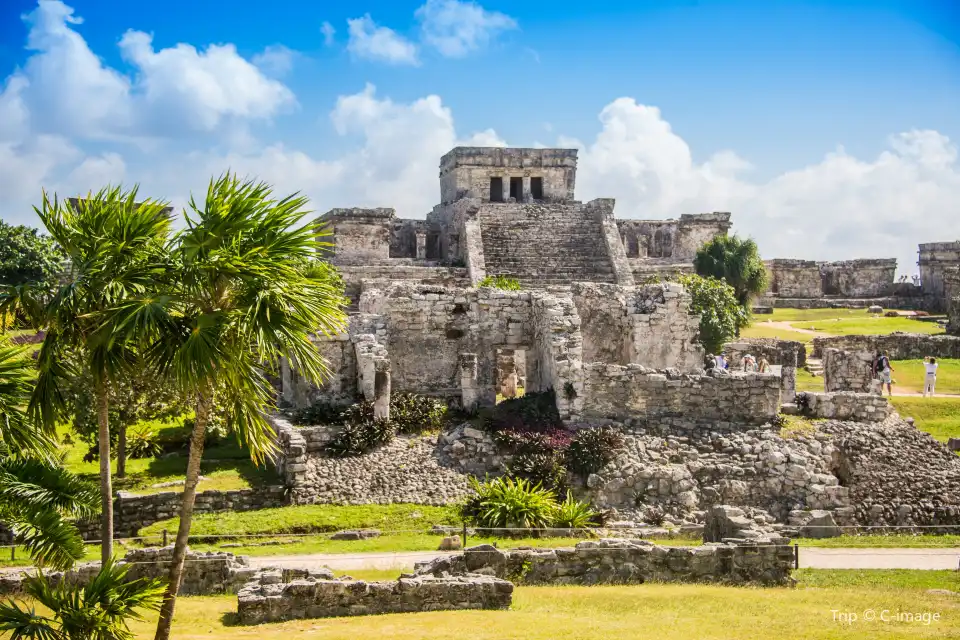
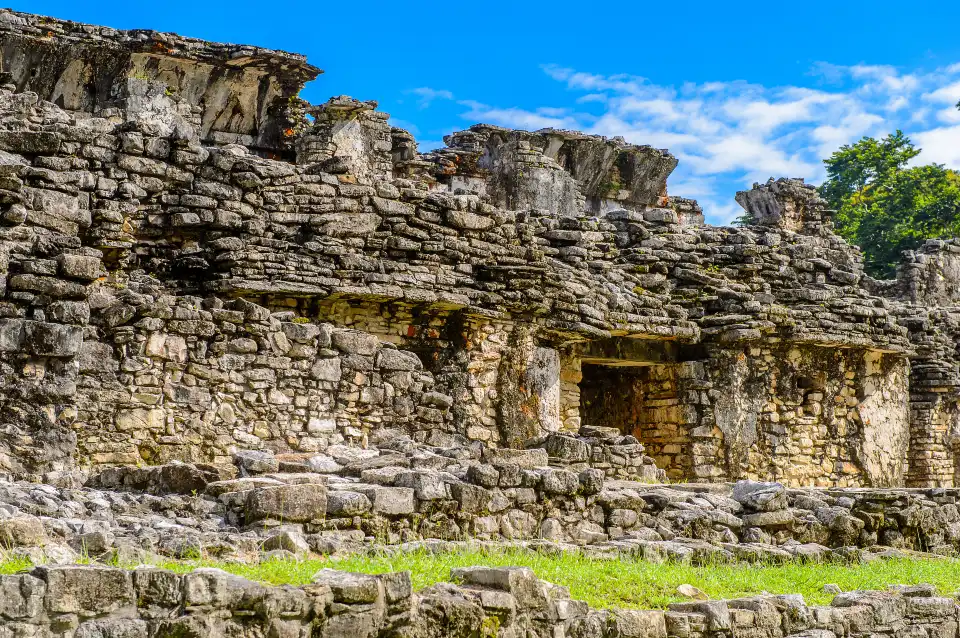
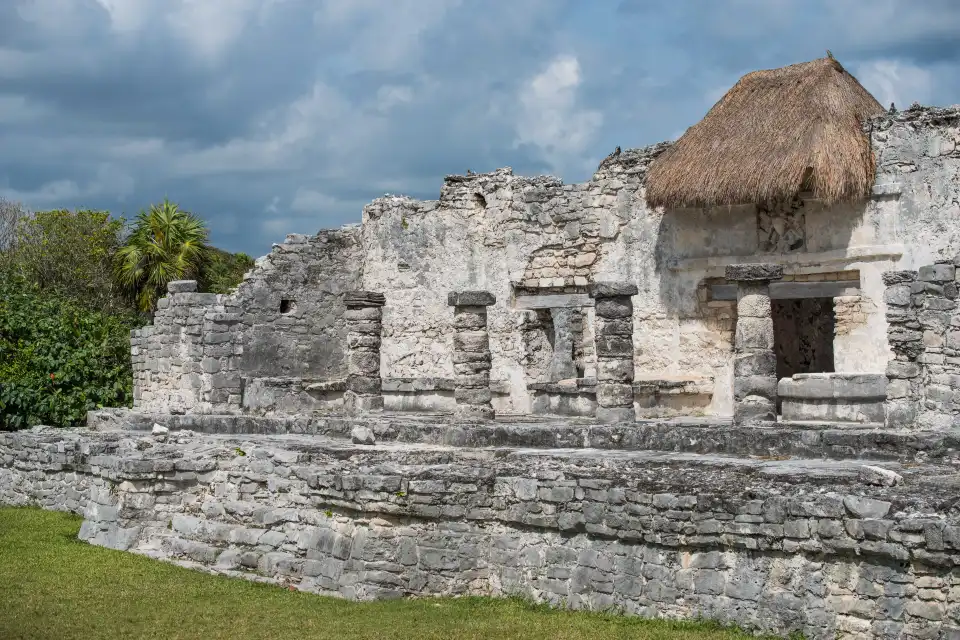
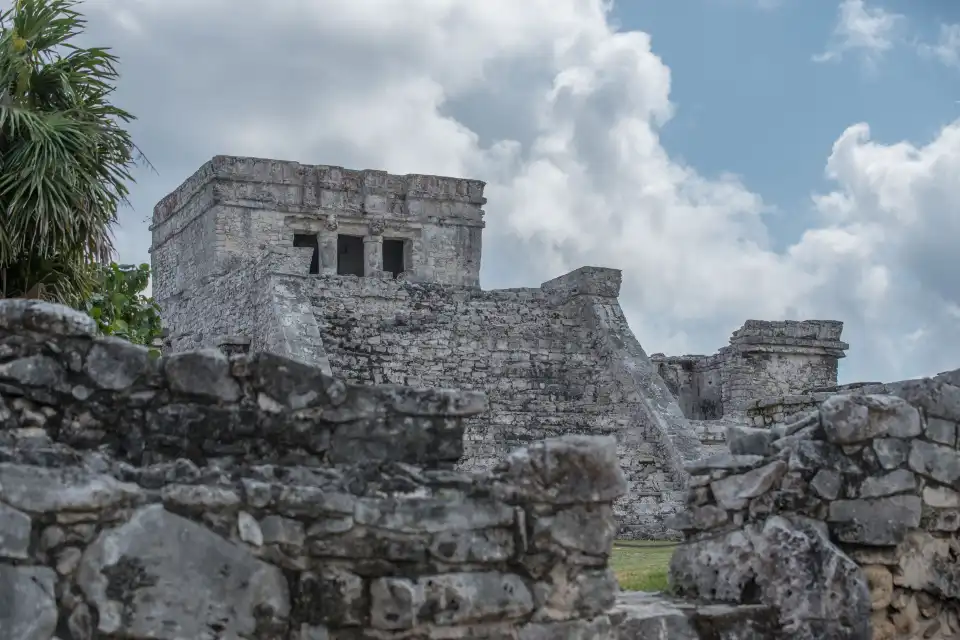
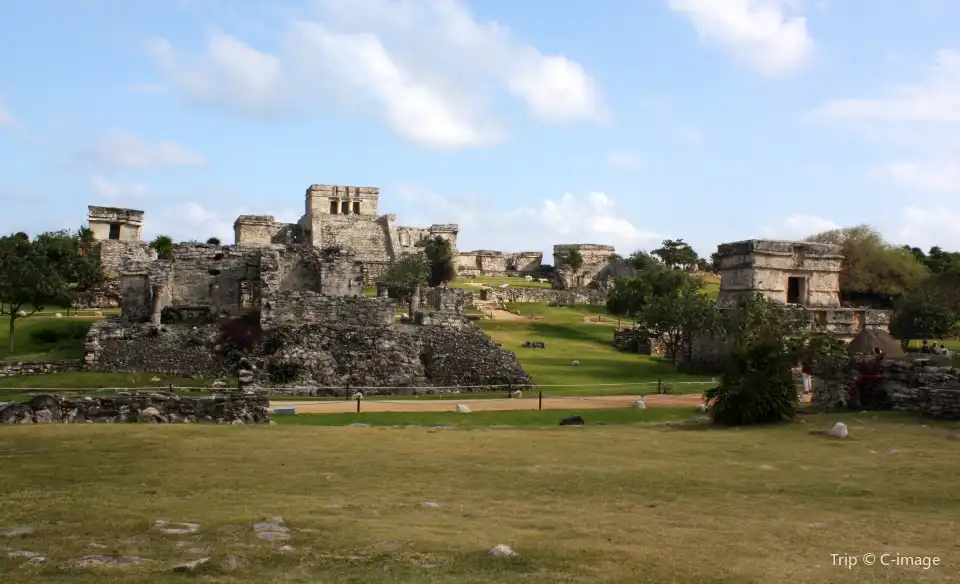
Tulum sits on a Caribbean cliff along the eastern coast of Mexico's Yucatán Peninsula. This coastal city-state was built in the late Maya civilization and remained inhabited, reaching its peak between the 13th and 15th centuries. "Tulum" means "wall" in Yucatec Maya, as the ancient city is enclosed by stone walls several m high on three sides, with the fourth facing the sea, serving as both a fortress and a port. It was a gateway for the inland Maya city of Cobá to maritime routes and a key hub for goods like obsidian. Facing the sunrise over the sea, it was possibly once called Zama, meaning "city of dawn." The main attractions are concentrated along the cliff edge: El Castillo stands at the cliff's end as the site's landmark, with carvings of deities like the feathered serpent visible on its facade. The Temple of the Frescoes retains remnants of Maya murals and red handprint decorations, while the Temple of the Descending God features a diving deity figure, an iconic symbol of Tulum. The Temple of the Wind occupies a small rocky platform jutting into the sea, offering expansive views perfect for capturing the turquoise waters and white sand. Below the cliff lies a beach where many travelers stop to wade or rest, and iguanas basking among the rocks are common "locals." Follow the cliffside path to explore the temples, then look back at the castle from the seaside—the frame of ancient stone walls against the Caribbean is what sets it apart from inland Maya ruins. At dawn, the soft light enhances the layers of the walls and sea, and the site is relatively quiet.

Other visitors' reviews of Tulum
Show More ReviewsTulum is one of the last cities built and inhabited by the Mayan civilization, and it is also one of the best-preserved coastal Mayan ruins. Looking at the Caribbean Sea along the ruins, the scenery is really beautiful, and the water is very blue and clear.