


Manchester Travel Guide 2026: Top Attractions, Local Food & Travel Tips | Trip.com
About Manchester
Recommended trip: 2–4 day(s)
Recommended trip: 2–4 day(s)Current weather conditions
 9°C
Manchester Local Experiences Map









Trending in Manchester
Manchester Local Travel Guide 2026
Manchester Brief Guide
Manchester blends rich industrial history with a thriving cultural scene, known for its legendary football clubs, influential music heritage, diverse food scene, and vibrant city life.
Manchester Must-try local experiences
1. Explore Manchester's Historic Heart Visit the iconic John Rylands Library and Manchester Cathedral, then delve into the city's industrial past at the Museum of Science and Industry. 2. Stroll Through Heaton Park Enjoy a leisurely walk in Heaton Park, featuring beautiful landscapes, a boating lake, and historic buildings. 3. Experience Manchester's Vibrant Arts and Culture Experience the magic of a show at the Royal Exchange Theatre, or immerse yourself in the beauty of contemporary and historic art collections at the Manchester Art Gallery and the Whitworth Art Gallery, all within exquisitely designed spaces. 4. Delve into Manchester's Music Scene Experience Manchester's music scene by catching a gig at Band on the Wall or exploring the Manchester Music Wall of Fame. 5. Sample Manchester's Culinary Delights Experience the vibrant food culture of Manchester by indulging in local specialties like Manchester Tart and Manchester Caviar. Relish classic dishes such as Lancashire hotpot and Eccles cake, while uplifting your meal with a refreshing glass of beer from a local brewery. 6. Explore the Arndale and Trafford Centre Discover the Manchester Arndale, a vibrant hub of shopping that invites you to explore its vast array of retail options. Then, immerse yourself in the magnificent Trafford Centre, an expansive destination where shopping, dining, and entertainment come together to create unforgettable experiences 7. Capture the City's Skyline from Cloud 23 Elevate your experience at Beetham Tower’s Cloud 23, where you can enjoy stunning panoramic views of Manchester's skyline—an unbeatable spot for capturing unforgettable photos. Don’t miss this chance to see the city from a new perspective! 8. Attend a Football Match Experience the electric atmosphere of a live football match at either Old Trafford or the Etihad Stadium. 9. Explore the University of Manchester Wander around the historic University of Manchester campus, featuring beautiful architecture and the fascinating Manchester Museum. 10. Relax at Fletcher Moss Botanical Garden Unwind in the serene Fletcher Moss Botanical Garden, a hidden gem with diverse plant collections, peaceful walking paths, and a charming cafe.
Manchester Must-see Attractions
Manchester is a city of innovation and culture, home to the prestigious University of Manchester, the sports-centric Etihad Stadium, the culturally rich Chinatown and Gay Village, and the historically significant John Rylands Research Institute and Library, each offering unique experiences and insights into the city's diverse heritage and progressive spirit. The University of Manchester, a member of the prestigious Russell Group, is a beacon of educational excellence and innovative research in the UK. With a history of world firsts, including splitting the atom and the discovery of graphene, the university is a testament to human ingenuity and scholarly achievement. Visitors can immerse themselves in the university's rich heritage, learning about its 25 Nobel laureates and exploring historic buildings that narrate nearly two centuries of academic and scientific milestones. The campus is not only a hub for intellectual pursuits but also a center for social responsibility, with a commitment to sustainability and community outreach. Events ranging from public lectures to family days out provide a glimpse into the vibrant university life, while the city of Manchester itself offers a tapestry of cultural experiences, from iconic music venues to a diverse culinary scene. The University of Manchester stands as a symbol of progress, welcoming all to discover its past and contribute to its future. The Etihad Stadium in Manchester, known for its impressive design and cultural significance to Manchester City F.C., stands as a modern football arena with a rich history. Originally conceived for the 2000 Summer Olympics, the stadium was repurposed for the 2002 Commonwealth Games and later transformed into the home ground for Manchester City, reflecting the club's growth and achievements. With a capacity of over 53,000, it's the eighth-largest stadium in the Premier League and a venue for not only high-profile football matches but also concerts and other major events, symbolizing the city's sporting pride. Visitors can immerse themselves in the club's legacy and experience the electric atmosphere of a matchday, making it a must-see for football enthusiasts and cultural tourists alike. Manchester's Chinatown, the second largest in the UK and the third largest in Europe, is a vibrant enclave of Chinese culture nestled in the heart of the city. Its most iconic landmark is the magnificent "paifang" archway on Faulkner Street, a symbol of the city's twinning with Wuhan and a gift from Manchester City Council to the Chinese community, adorned with dragons and phoenixes. Visitors can immerse themselves in a rich tapestry of Chinese culinary delights, with a plethora of restaurants offering a variety of regional cuisines from Cantonese to Szechuan, as well as other Asian flavors like Thai, Vietnamese, and Japanese. The area also boasts a history of cultural evolution, from its early days as a hub for the laundry trade to its current status as a dynamic center of Chinese and pan-Asian businesses, including supermarkets, apothecaries, and financial services. Gay Village, centered around Canal Street, is a vibrant and historically significant area known for its LGBTQ+-friendly atmosphere and rich cultural heritage. The pedestrianized street, lined with gay bars, restaurants, and nightclubs, becomes a bustling hub for both locals and international visitors, particularly during the warmer months and at night. The area's evolution from a service point for canal users to a prominent gay scene was catalyzed by the opening of Manto in 1990, a bar that broke the norm with its large glass windows, symbolizing openness and visibility for the gay community. Today, the Village is not only a nightlife destination but also a symbol of Manchester's progressive stance on LGBTQ+ rights, having received official recognition and support from the city council. With over forty establishments catering to the LGBTQ+ community, the Village offers a diverse range of experiences, from lively dance floors to cozy pubs like The Molly House, and is considered an essential space for LGBTQ+ expression and gathering. The John Rylands Research Institute and Library is a beacon of historical and cultural significance, housed in a striking late-Victorian neo-Gothic building. As a part of the University of Manchester, it is renowned for its extensive Special Collections, which include medieval illuminated manuscripts, early European printing, and personal papers of notable historical figures. The library is not only a research hub but also a public attraction, where visitors can immerse themselves in the grandeur of its architecture, complete with ornate stained glass and art nouveau elements. Engaging with the community through events and exhibitions, the library enriches the visitor experience, making it a must-visit for scholars and the culturally curious alike.
Manchester Food Guide
Manchester's food scene boasts the quintessentially British tradition of Afternoon Tea at The Midland Hotel, where guests can indulge in an array of finely cut sandwiches, freshly baked scones, and delicate pastries, complemented by bespoke teas and the option of Champagne, in a setting steeped in history since 1903. Mention British food, and fish and chips will surely pop into your head. Often playfully dubbed Britain's national dish, fish and chips are a must-try for anyone visiting Manchester. The fish, delicate and tender, is battered and fried to a golden hue, accompanied by equally appealing golden fries—a perfect snack to satisfy cravings. With its crunchy exterior and soft interior, the texture is simply delightful. Roast beef, a celebrated English dish, boasts a rich history that includes 18th-century folk songs dedicated to it. Traditionally served at Sunday dinners, Manchester's residents particularly relish their Sunday roast, often accompanied by the classic Yorkshire pudding. The well-textured beef is expertly roasted to achieve a crispy exterior and succulent interior, creating a delightful culinary experience that's popular among both locals and visitors. Haggis, also known as Sheep Stomach Pudding, are primarily made from sheep's innards, which are finely chopped and combined with onions, oats, and spices, then stuffed into a cleaned sheep's stomach. Once sealed, it's boiled. Upon serving, the outer stomach layer is discarded, and it's typically enjoyed with mashed potatoes, offering a savory taste without any gamey mutton odor. This dish is a favorite among both locals and visitors. English afternoon tea is a celebrated Manchester tradition at The Midland Hotel, offering a selection of finely cut sandwiches, freshly baked scones with jam and clotted cream, and delicate cakes and pastries. This indulgent experience is enhanced by the hotel's selection of bespoke loose-leaf tea, including three private blends, and can be elevated with a glass of Champagne for a Royal Afternoon Tea. The Tea Room at The Midland, with its rich history and opulent surroundings, provides a quintessentially British afternoon tea experience that has been a part of the Manchester social scene since 1903. A good day starts with a good morning, and for the British, breakfast is a crucial part of their day. The typical English breakfast features a variety of items such as oatmeal, fried eggs, grilled tomatoes, mushrooms, baked beans, smoked bacon, and grilled sausages. In Manchester, there's nothing like kicking off your day with a rich and tasty English breakfast to fuel you with energy. It's an opportunity you shouldn't pass up, as it's not only a chance to indulge in great food but also to immerse yourself in the local culinary culture.
Manchester Transportation
Manchester's transportation infrastructure is well-connected, with Manchester Airport and the Manchester station group being key intercity travel hubs. Manchester Airport is a major international gateway located 9 miles from the city center. It serves both international and domestic flights, with Manchester being the only airport outside of London with two full-length runways. To reach the city from Manchester Airport, travelers can use a variety of transport options including trains, taxis, and buses. The Manchester station group comprises four central railway stations: Manchester Piccadilly, Manchester Oxford Road, Manchester Victoria, and Deansgate. These stations connect Manchester to numerous destinations and are integral to the city's rail network. For instance, Manchester Piccadilly is the largest station, offering long-distance services to various cities such as London, Birmingham, and Cardiff. Victoria and Oxford Road stations also serve as important hubs for travelers. The recent Ordsall Chord development has improved connectivity between these stations. Manchester's local transportation system offers a variety of options for residents and visitors to navigate the city efficiently. The Manchester Metrolink tram system is a cornerstone of the city's public transport, providing extensive coverage with 99 stops across 65 miles of track. It operates in four zones, with fares starting at 1.40 pounds for an adult in Zone 1, and offers various ticket options including single-day and seven-day travel cards for frequent travelers. The trams run from early morning until midnight, ensuring accessibility throughout the day. Buses in Greater Manchester are abundant, with over 100 routes connecting different parts of the city. The bus network is managed by Transport for Greater Manchester (TfGM), and tickets can be purchased on board or through contactless payment methods. For those who prefer cycling, the Bee Network Cycle Hire offers both regular bikes and e-bikes, with stations conveniently located near other public transport services. The scheme is managed by TfGM and aims to promote active travel and reduce congestion. Users can hire bikes through the Beryl app, with pricing on a Pay As You Ride basis.
Manchester Where to Stay
The city's hotels are spread across various districts, each with its own unique charm and convenience for travelers. From the bustling city center to the academic atmosphere around the university and the sports enthusiasm near the Etihad Stadium, visitors can find the perfect place to stay. The University of Manchester area is an academic hub bustling with students and visitors. It offers a serene environment with green spaces like Whitworth Park and is in proximity to cultural institutions such as the Manchester Museum. The area is well-served by public transport, with several bus routes and the Oxford Road train station nearby, facilitating easy access to other parts of the city. Accommodations here are typically quieter and cater to visitors to the university, with some hotels offering preferential rates for university guests. The region is also convenient for those attending conferences or events at the university and is a short bus ride away from the city center. Manchester's City Centre is the heartbeat of the city, offering a vibrant mix of shopping, cultural experiences, and dining options. It is home to famous shopping streets like King Street and a plethora of museums and theaters, including the Royal Exchange Theatre. The area boasts extensive transport links, with major train stations like Manchester Piccadilly and Victoria, and a comprehensive tram network, making it an ideal base for exploring the city. The accommodation here ranges from luxury hotels to budget-friendly options, ensuring there's something for every traveler. The City Centre is also known for its architectural landmarks, such as the iconic Manchester Town Hall, and is a stone's throw away from the Northern Quarter, celebrated for its bohemian vibe and street art. The area around Etihad Stadium is a sports-centric locale, primarily catering to fans and visitors attending Manchester City FC matches and events. The stadium itself is a modern facility with a capacity for large crowds and is a significant contributor to the city's vibrant sports culture. The accommodations in this area are ideal for those looking to stay close to the stadium and experience the electric atmosphere on match days. Transport to the stadium is accessible, with several bus and tram options, including the dedicated Metrolink tram stop at Etihad Campus. While the area is a bit further from the city center, it remains well-connected, allowing visitors to venture into other parts of Manchester with ease.
Manchester Best Time to Visit
The best time to visit Manchester is from June to August. This period is the high season when the weather is warm and dry, ideal for enjoying outdoor activities such as exploring the city's parks, beer gardens, and canalside bars. It is also a bustling time for festivals, with events like Parklife and Manchester Pride. However, it's recommended to book accommodations in advance due to higher hotel prices. Another optimal time to visit is December, when the city is festive with Christmas markets and lights, creating a magical atmosphere for holiday shopping and enjoying cozy pubs. Despite the colder weather, the city's festive spirit makes it a great time to experience Manchester's holiday charm.
Manchester Travel Tips
1. Weather Preparedness: Manchester is known for its frequent drizzle and overcast skies. Carrying an umbrella and wearing layers is essential. Summers are mild but can still see rain, while winters are damp and cool. Waterproof clothing and layered outfits will help you stay comfortable and enjoy your visit regardless of the weather. 2. Football Rivalry Awareness: Be mindful of the intense rivalry between Manchester United and Manchester City fans. Avoid wearing one team's colors in areas known to be strongholds of the other team's supporters. 3. Stay Vigilant in Crowded Areas: While Manchester is generally safe, be aware of your surroundings in busy areas like Piccadilly Gardens or during big events. Keep your belongings close, avoid flaunting valuables, and be cautious of pickpockets. Use a money belt, secure your bag, and stay alert in crowded places. 4. Canal Path Caution: Manchester's canal paths are scenic during the day but can be isolated and poorly lit at night. Avoid walking along them after dark and stick to main roads instead. Authorities have even sealed off some towpaths at night due to safety concerns. Always use common sense and consider alternative routes, especially if you are alone or intoxicated. 5. Respect Street Art: Manchester is famous for its street art, especially in the Northern Quarter. While photography is generally allowed, respect the artwork and don't touch or deface it. The area features works by renowned artists like Akse, Faunagraphic, and Mateus Bailon. Explore streets like Port Street, Newton Street, and Stevenson Square to discover these vibrant murals.
Manchester Useful Guide
Manchester's official language is English, with the distinctive Mancunian dialect adding local color. The city's linguistic diversity includes 200 main languages due to its multicultural population. Translation apps and services cater to this multilingualism. When language barriers arise, mimicking and using simple English phrases can be effective. Embrace Manchester's friendly spirit and try out some local slang for a more authentic experience. Uber Eats: An on-demand food delivery app that offers a variety of local and national food options in Manchester. Just Eat: A popular food delivery app in the UK with a significant number of downloads, providing access to various restaurants. Deliveroo: Another widely used food delivery app in the UK, with a substantial download count, offering meal deliveries from local eateries. Trip.com: is a popular online travel platform that provides a comprehensive range of services including booking flights. A recommended mobile data package for immigrants in the United Kingdom is the Three SIM card, which offers 50 GB of data for 30 days at a cost of £20 GBP (USD 25). This plan is available on one of the best 4G/5G networks in the UK and includes (limited) free data roaming in Europe. Public WiFi is widely available in the UK, with many hotels, pubs, cafes, and public institutions offering free WiFi access. Additionally, shopping centers like Westfield and some trains provide free WiFi. For those needing internet on a laptop, USB modems and mobile phone tethering are also options. Manchester is characterized by an oceanic climate, with mild summers and cool winters, and frequent rainfall throughout the year. The average temperature ranges from 4°C in the coldest months to around 20°C in the warmest months. With an average of 152 rainy days annually, it's advisable to carry an umbrella or waterproof clothing. Layered attire, including a jacket and a sweatshirt, is recommended even in midsummer due to the possibility of cooler temperatures. In case of extreme weather conditions such as snow and ice, it's important to be prepared with warm clothes, a torch, and a shovel, and to stay updated on travel conditions. Good footwear is essential to navigate slippery surfaces safely. In Manchester, credit/debit cards, bank transfers, and digital wallets are primary payment methods for foreign tourists. Credit/debit cards are widely accepted, with Visa, Mastercard, and American Express being common options. Bank transfers can be used for secure transactions, often without additional charges. Digital wallets like Apple Pay and Google Pay are increasingly popular for contactless payments. Be mindful of potential transaction fees when using non-UK bank cards and consider using local payment partners to avoid extra costs. Always ensure payment methods are secure and avoid sharing personal details to prevent fraud.
Trip.Best: Manchester



Plan Your Manchester Trip
What to do


Where to stay




What to eat




Manchester Moments: Through Travelers' Eyes
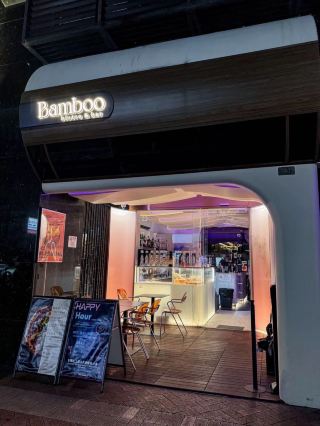
This Macau Restaurant’s Vibe is Next-Level 🌟🍽️

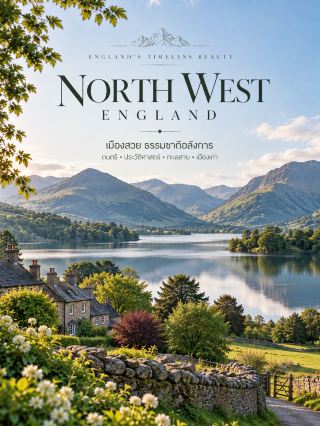
🇬🇧 ZONE 06 — NORTH WEST ENGLAND A city of music, football, old towns, and stunning nature 🌿🎶 If you want to see a different side of England, combining bustling big cities with historic towns and breathtaking natural beauty, the North West zone is a must-see. 🇬🇧✨ 🎵 Manchester A city of music, football, and old industrial charm. Stroll around the Northern Quarter, Castlefield, or visit a world-class football stadium. The city has a vibrant atmosphere. 🎸 Liverpool The city of The Beatles and world-class music culture ⚓ Take a leisurely stroll around the Royal Albert Dock, admiring the old buildings, museums, and the atmosphere along the Mersey River. 🏞️ Lake District National Park The main highlight of this zone! Lakes, mountains, valleys, and picturesque small villages – perfect for nature lovers, hikers, and those seeking a slower pace of life. 🌿 🏰 Chester An old town with Roman walls, cobblestone streets, and beautiful Tudor buildings. Easy to explore on foot. And it's a city perfect for a one-night stay to soak up classic English atmosphere. 🎡 Blackpool A famous seaside resort town in England, with beaches, a seaside promenade, and Blackpool Tower. Ideal for those who want a change of scenery from old towns and mountains to the sea 🌊 🌳 Lancashire & Forest of Bowland For those who love the English countryside, this area is a must-try. It features rolling hills, rural villages, vast fields, and nature trails. The atmosphere is much quieter than the big cities. 🚆 Transportation Manchester and Liverpool are easily connected by train. The Lake District can be reached from Manchester to Windermere by train in about 2 hours. However, if you want to explore multiple lakes and villages independently, 🚗 renting a car is more convenient. 🌸 Best time to visit May–September is the best time for both city and nature tourism. The Lake District has stunning views from late spring to early autumn 🍂 💡 Recommendation: If you have 5 days, try planning your itinerary to Manchester → Lake District → Liverpool → Chester. This will allow you to experience cities, music, and history. And enjoy nature in its entirety without the rush of a tiring trip. North West England offers a wide variety of travel experiences, from the music of big cities to tranquil lakes and mountains, all within the same day. 🇬🇧💚 #NorthWestEngland #TravelEngland #EnglandTravel #UKTravel

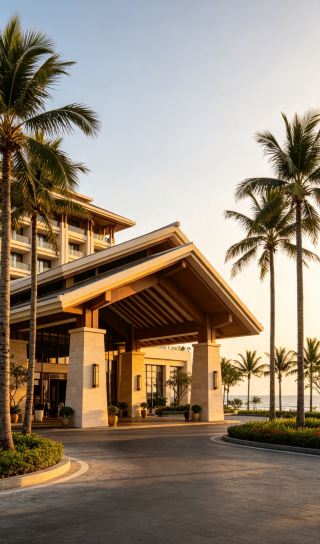
Decided to escape the damp Manchester weather for a bit and ended up at the InterContinental in Da Nang. Honestly, it was exactly what I needed to just switch off. It’s a massive resort built right into the hills, but it doesn't feel overwhelming. I spent most of my mornings down on the private beach or by the pool before the crowds turned up. If you get there early enough, it's incredibly peaceful. My favourite spot was probably just the balcony in the room. Sitting out there with a coffee, looking over the bay with the sea breeze—not a bad way to start the day at all. We had dinner at the cliffside restaurant one evening around sunset. The views across the water as the sky turned orange and pink were brilliant, though you definitely need to book in advance as it gets busy. It is quite a spread-out place, so expect a bit of walking up and down, but it’s perfect if you just want to slow down and do absolutely nothing for a few days. Unexpectedly good, actually.


How to explore Edinburgh × Lake District × Oxford × London?


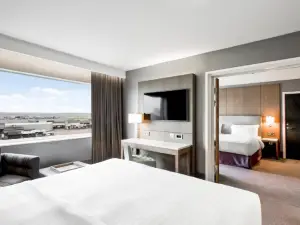
Manchester Design Hotel


The soul of Britain lies in the countryside, stepping into hidden England

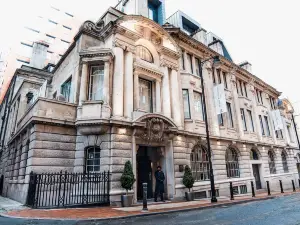
Kimpton Clocktower Hotel|Manchester's Century-Old Landmark, Vintage Chic Luxury at Its Finest


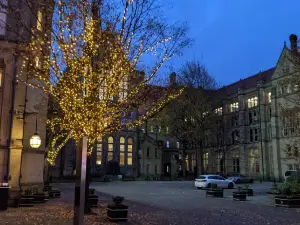
Manchester Christmas Market | The First Day of December!

Best of Manchester
Popular Best Things to Do Near Manchester




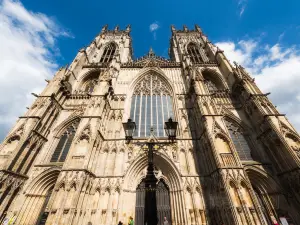


Popular Family-friendly Attractions Near Manchester
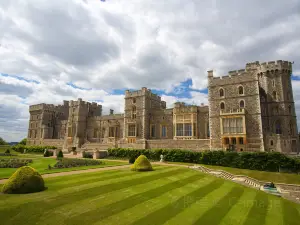







Popular Fall Viewing Attractions Near Manchester




Popular Family Hotels Near Manchester

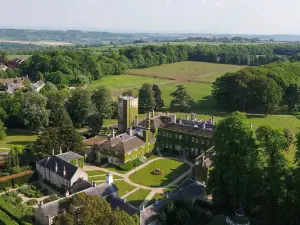


Popular Scenic Hotels Near Manchester
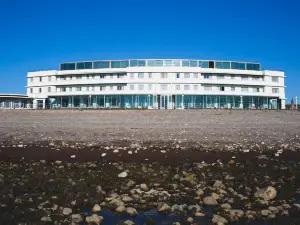
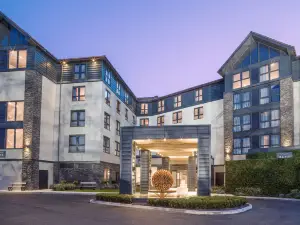
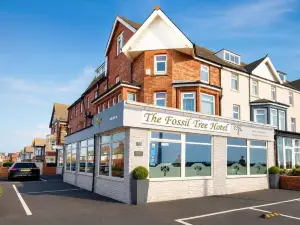



Popular Cultural Hotels Near Manchester




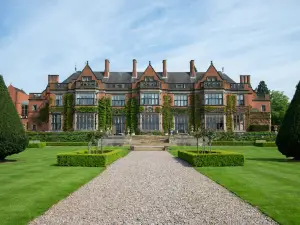
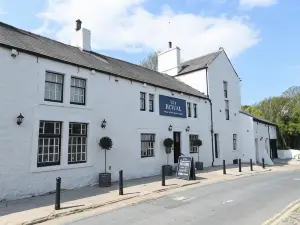
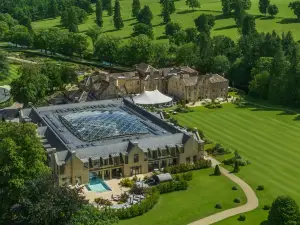
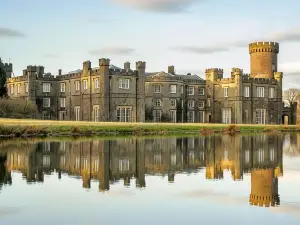
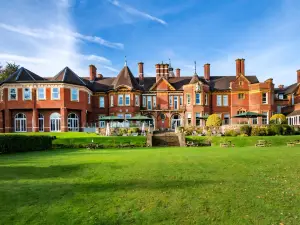
Popular Instagrammable Hotels Near Manchester
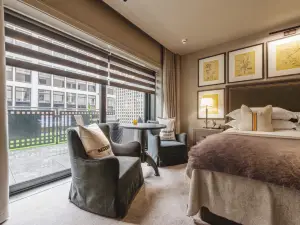

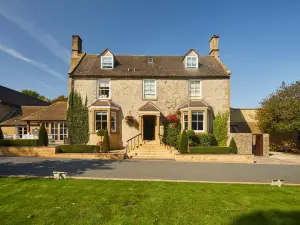

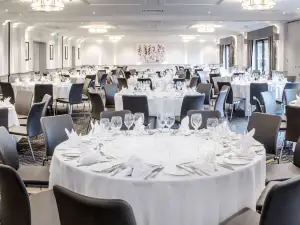

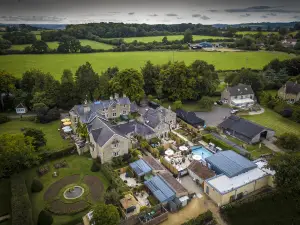


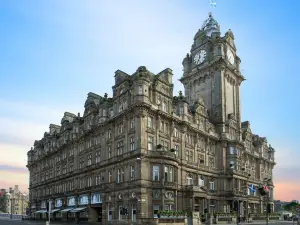
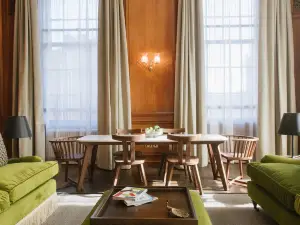
Popular Gourmet Hotels Near Manchester


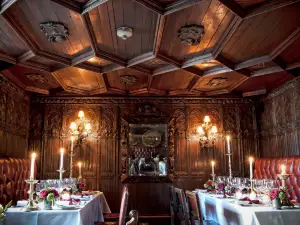
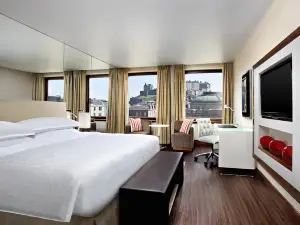
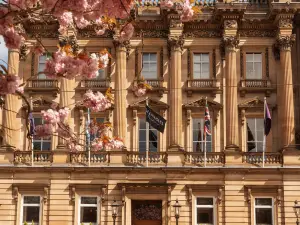
Popular Premium Hotels Near Manchester
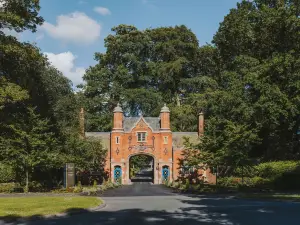

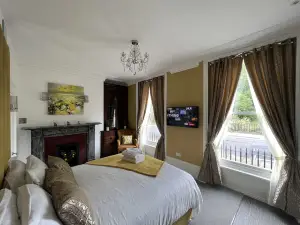

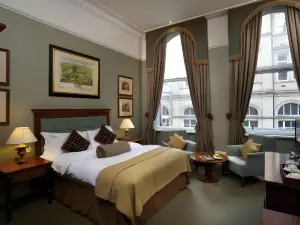
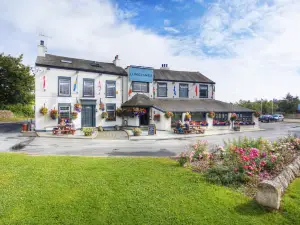
Popular 4-Star Select Hotels Near Manchester
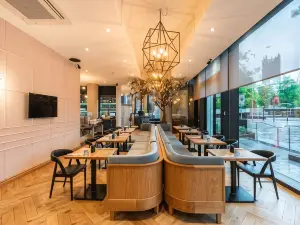
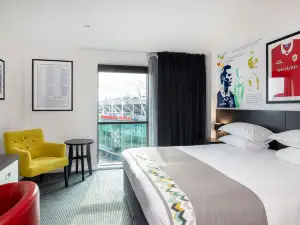



Other recommended cities
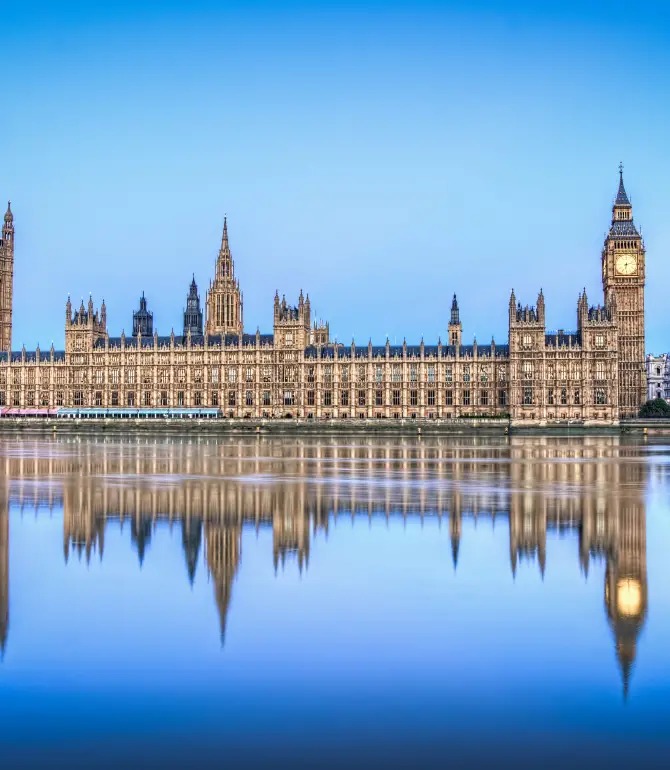
London
Cambridge
Edinburgh
