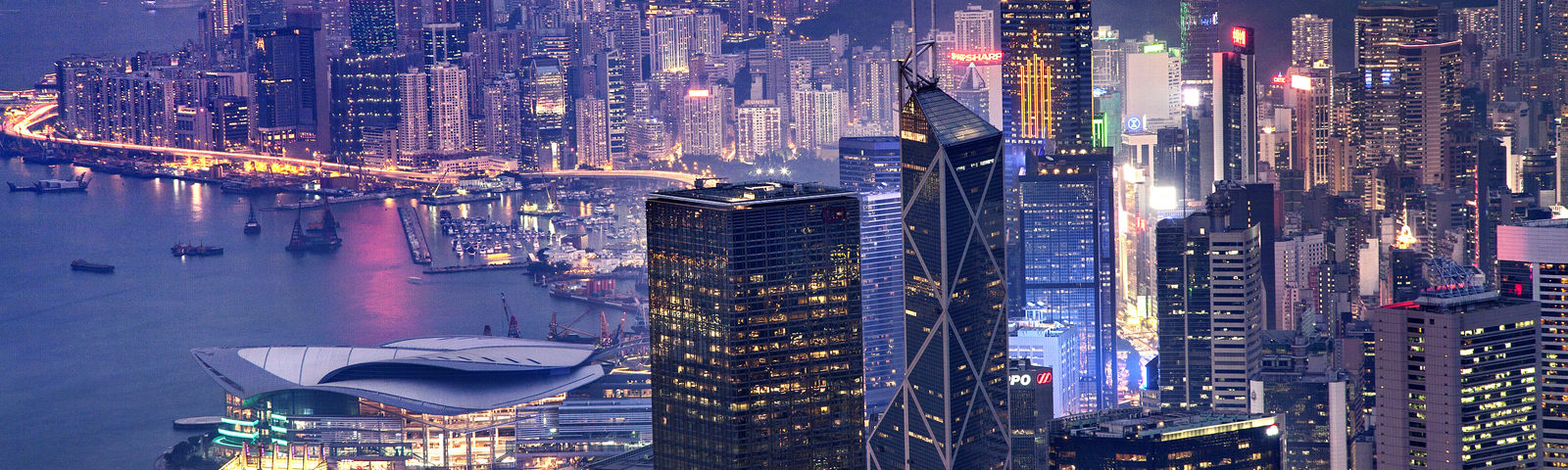
Things to do in Hong Kong
Must-do activities in Hong Kong 2025
Show more
Search attractions or local attractions & tours
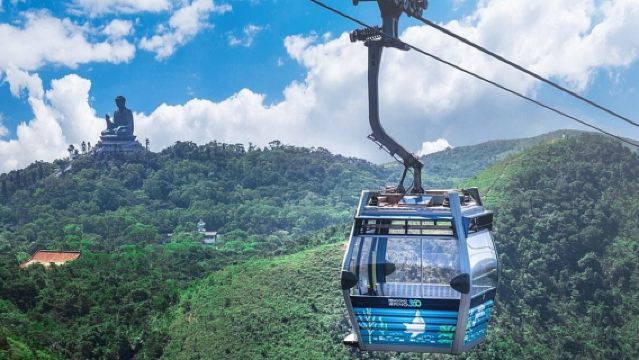 Duration: 2 hrsEnglish4.0/5Very good· 2 reviews· 31 bookedFromSAR 151.70
 Duration: 3.7 hrsEnglish4.8/5Outstanding· 10 reviews· 235 bookedFromSAR 171.66
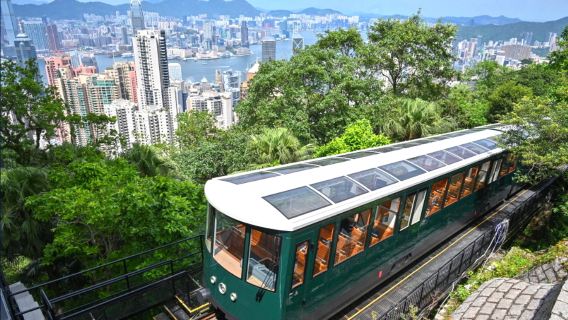 Duration: 7.5 hrsEnglish4.6/5Excellent· 14 reviews· 374 bookedFromSAR 271.46
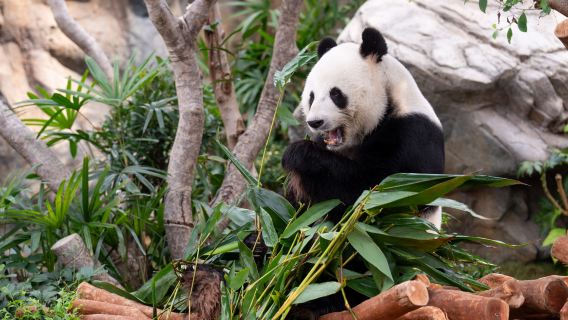 Duration: 9.5 hrsEnglish5.0/5Perfect· 2 reviews· 193 bookedFromSAR 211.58
 Duration: 4.8 hrsEnglish3.9/5· 13 reviews· 306 bookedFromSAR 247.51
 Duration: 4.3 hrsEnglish4.5/5Excellent· 4 reviews· 106 bookedFromSAR 163.68
![Hong Kong Disneyland 1-day Tour [Pickup from Hong Kong High-Speed Rail/Airport/City Area, Admission Ticket Not Included]](https://ak-d.tripcdn.com/images/01014120009xe4p8lAD77_C_568_320.jpg?_fr=wc) FromSAR 329.49
FromSAR 329.49

Unique experiences in Hong Kong
Discover unforgettable moments in Hong Kong. Explore attractions and unique experiences!
View all Unique experiences in Hong Kong![[Limited-time 50% off] Hong Kong Luxury Yacht Dream Cruise: Victoria Harbour Night Sightseeing](https://ak-d.tripcdn.com/images/0353912000lodn2clA99F_C_568_320.png?_fr=wc) Duration: 45 mins4.7/5Outstanding· 115 reviews· 4.3k bookedFromSAR 51.26
Duration: 45 mins4.7/5Outstanding· 115 reviews· 4.3k bookedFromSAR 51.26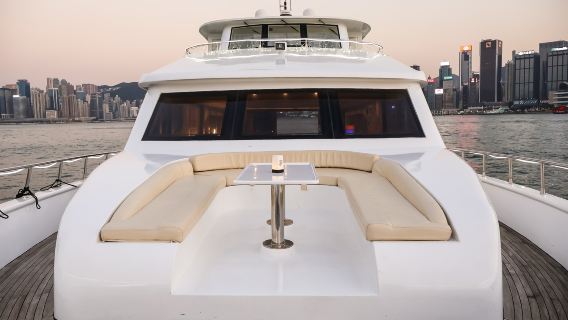 Duration: 45 mins4.4/5Very good· 36 reviews· 412 bookedFromSAR 52.07
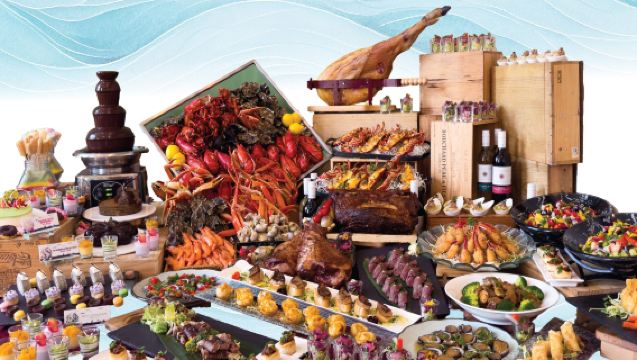 Trip.Select
 Duration: 2 hrsEnglish4.3/5Very good· 636 reviews· 4.6k bookedFromSAR 133.27
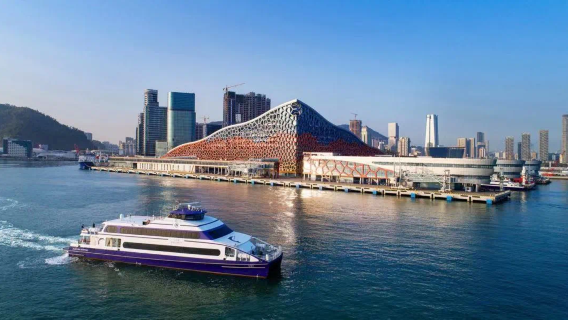 Duration: 50 minsEnglish4.8/5Outstanding· 33 reviews· 1.1k bookedFromSAR 38.51
![[Up to 50% OFF] Courtyard by Marriott Hong Kong | Momo Café | Lunch/Dinner Buffet](https://ak-d.tripcdn.com/images/0354z12000qzo5v948247_C_568_320.jpg?_fr=wc) Trip.SelectDuration: 3 hrsEnglish4.3/5Very good· 649 reviews· 2k bookedFromSAR 93.90
Trip.SelectDuration: 3 hrsEnglish4.3/5Very good· 649 reviews· 2k bookedFromSAR 93.90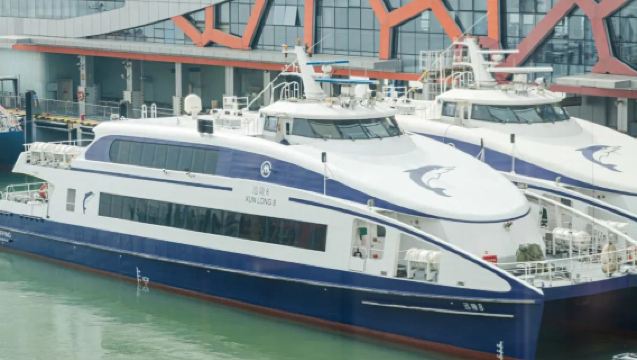 Duration: 50 minsEnglish4.8/5Outstanding· 18 reviews· 1k bookedFromSAR 38.51
 FromSAR 229.95
![[Up to 50% Off] Gloucester Luk Kwok Hong Kong | Le Menu | Dinner Buffet, Afternoon Tea Buffet, American Breakfast Buffet](https://ak-d.tripcdn.com/images/0350612000qdadbcyD3B4_C_568_320.jpg?_fr=wc) English4.1/5Very good· 10 reviews· 317 bookedFromSAR 69.95
English4.1/5Very good· 10 reviews· 317 bookedFromSAR 69.95
Local food in Hong Kong
Discover top restaurants and must-try dishes in Hong Kong. Book now to unlock discounts and savour the flavours you shouldn't miss!
View all Local food in Hong Kong![[Up to 20% off] Hopewell Hotel | Lobby Café | Mother's Day Buffet/ Semi-buffet lunch/ Semi-buffet dinner/ Choco Mania Afternoon Tea Special | Exclusive semi-buffet group buying discount](https://ak-d.tripcdn.com/images/0355c12000rlm7iz89253_C_568_320.jpg?_fr=wc) Trip.SelectFromSAR 102.62
Trip.SelectFromSAR 102.62![[Buy 1 get 1 free] Häagen-Dazs™ Takeaway Summer Drink | Redeemable at Multiple Locations](https://ak-d.tripcdn.com/images/0352j12000s34q34r94D1_C_568_320.jpg?_fr=wc) English4.8/5Outstanding· 65 reviews· 2.9k bookedFromSAR 0.00
English4.8/5Outstanding· 65 reviews· 2.9k bookedFromSAR 0.00![[Up to Buy 2 Get 2 Free] Harbour Plaza Metropolis | Promenade Restaurant | Mother's Day Buffet/Lunch Buffet/Dinner Buffet/Tea Buffet](https://ak-d.tripcdn.com/images/0351d12000rkp1gx3EB1C_C_568_320.jpg?_fr=wc) English4.7/5Outstanding· 3 reviews· 99 bookedFromSAR 171.50
English4.7/5Outstanding· 3 reviews· 99 bookedFromSAR 171.50![[Up to 40% off] The Harbourview Hong Kong | Harbourview Restaurant | Lunch/Dinner Buffet](https://ak-d.tripcdn.com/images/0353512000rzfwqypD3E2_C_568_320.png?_fr=wc) Trip.SelectDuration: 2–3 hrsEnglish4.2/5Very good· 500 reviews· 868 bookedFromSAR 113.35
Trip.SelectDuration: 2–3 hrsEnglish4.2/5Very good· 500 reviews· 868 bookedFromSAR 113.35![[Up to 40% OFF] The Cityview Hong Kong | City Café | Buffet lunch / Buffet dinner](https://ak-d.tripcdn.com/images/0354e12000rklgf857D56_C_568_320.jpg?_fr=wc) Trip.SelectEnglish4.4/5Very good· 15 reviews· 389 bookedFromSAR 99.65
Trip.SelectEnglish4.4/5Very good· 15 reviews· 389 bookedFromSAR 99.65 English4.2/5Very good· 9 reviews· 160 bookedFromSAR 26.35
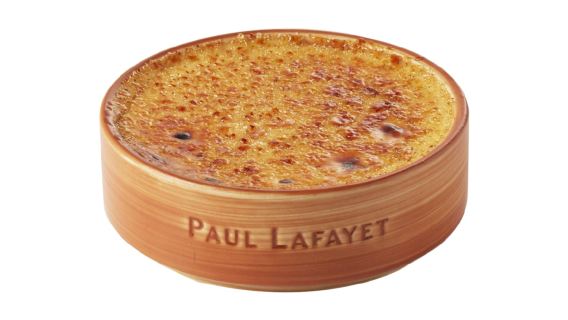
![[Buy 1 Get 1 Free] The Fullerton Ocean Park Hotel Hong Kong | Lighthouse Café | Buffet Lunch/Buffet Dinner/Semi Buffet Lunch/ Buffet Breakfast](https://ak-d.tripcdn.com/images/0350212000rrfih2x8504_C_568_320.jpg?_fr=wc)
Stay connected in Hong Kong
Various Hong Kong eSIM options with easy renewals and hotspot access. Your essential travel companion.
View all Stay connected in Hong Kong Hotspot-capable4.6/5Excellent· 16.9k reviews· 440.1k booked50% offLimited-time saleFromSAR 0.84SAR 1.69
 Hotspot-capable4.7/5Outstanding· 1.6k reviews· 47.4k booked50% offLimited-time saleFromSAR 0.41SAR 0.82
 RenewableHotspot-capable4.6/5Excellent· 7.7k reviews· 277.1k booked50% offLimited-time saleFromSAR 0.40SAR 0.8
Hong Kong 5G eSIM | CSL Network | Local IP | Day Pass/Total Data Package | 24-Hour Billing | QR Code
Hotspot-capable4.7/5Outstanding· 512 reviews· 11.4k booked50% offLimited-time saleFromSAR 0.42SAR 0.85 Hotspot-capable4.6/5Excellent· 3k reviews· 61.7k booked50% offLimited-time saleFromSAR 0.81SAR 1.62
 Hotspot-capable4.5/5Excellent· 1.1k reviews· 21.6k booked50% offLimited-time saleFromSAR 0.83SAR 1.66
 Hotspot-capable4.6/5Excellent· 373 reviews· 7.6k booked50% offLimited-time saleFromSAR 0.60SAR 1.2
 Hotspot-capable4.4/5Very good· 412 reviews· 10.3k booked50% offLimited-time saleFromSAR 0.59SAR 1.18
Transportation in Hong Kong
Get around Hong Kong with various transportation options. Explore attractions in Hong Kong with ease.
View all Transportation in Hong Kong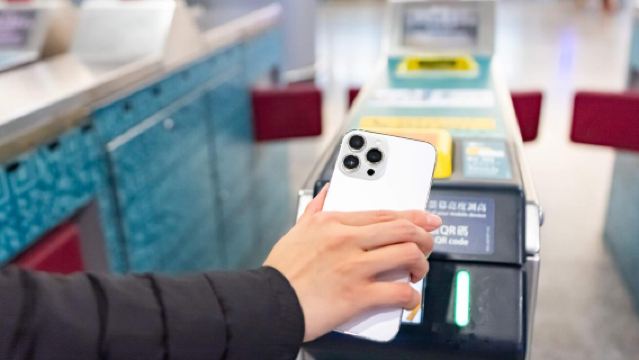 FromSAR 24.76
![[Hong Kong - Macau Express] Macau-Hong Kong Cross-border Direct Bus (Provided by Trans-Island Limousine)](https://ak-d.tripcdn.com/images/0353i12000abkqvcqE029_C_568_320.png?_fr=wc) Trip.Select4.5/5Excellent· 46 reviews· 1.8k bookedFromSAR 76.65
Trip.Select4.5/5Excellent· 46 reviews· 1.8k bookedFromSAR 76.65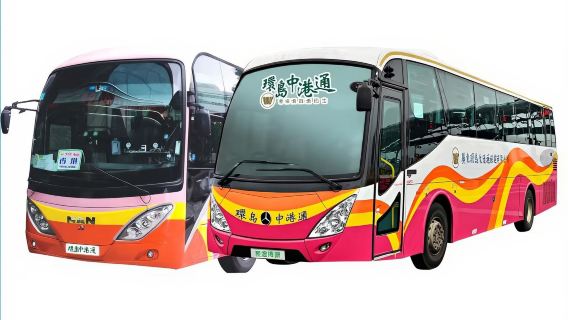 Trip.Select4.4/5Very good· 71 reviews· 3.2k bookedFromSAR 28.75
 4.5/5Excellent· 32 reviews· 3.1k bookedFromSAR 71.86
![Guangdong, Hong Kong, and Macau cross-border private charter pick-up and drop-off [Guangdong/Macau/Hong Kong three-license commercial vehicle direct one-stop service]](https://ak-d.tripcdn.com/images//0582v12000n19zzutD090_C_568_320.jpg?_fr=wc) FromSAR 55.01
FromSAR 55.01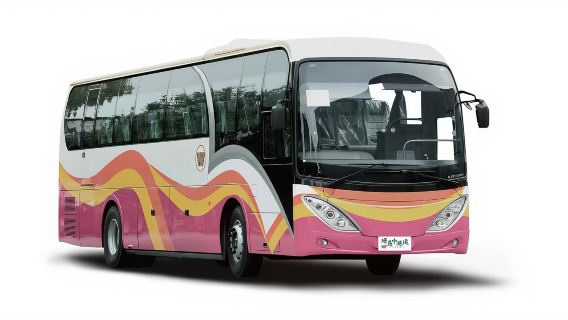 4.6/5Excellent· 18 reviews· 1.5k bookedFromSAR 63.72
![[Limited-Time Offer | Hong Kong Airport Express Cross-Border Business Car/Bus] Shenzhen Huanggang Port to Hong Kong International Airport Ticket (No Need to Pick Up)](https://ak-d.tripcdn.com/images/0353112000hnrfa5q6BE3_C_568_320.jpg?_fr=wc) FromSAR 38.33
FromSAR 38.33![Hong Kong - Macau Cross-border Direct Bus [Wing Tung Cross-border Express]](https://ak-d.tripcdn.com/images/0354q12000qlq5hkwBB3C_C_568_320.jpg?_fr=wc) 5.0/5Perfect· 5 reviews· 123 bookedFromSAR 76.65
5.0/5Perfect· 5 reviews· 123 bookedFromSAR 76.65
Explore top experiences
See what other travellers love, based on ratings and bookings
Frequently asked questions about Hong Kong
How can I contact Trip.com customer support?
Can I change or cancel my booking?
How can I get discounted prices?
Reviews/Trip Moments
★
★
★
★
★
Reviews: Ngong Ping 360 Round-Trip Cable Car Admission Ticket (Priority Boarding) + One-Way City Transfer
Guest User2026-03-10
This trip perfectly suited our itinerary, and our female tour guide was incredibly friendly! She took care of every tourist and patiently answered any questions about the itinerary. Highly recommended! ^_^★
★
★
★
★
Reviews: Hong Kong Half-Day Tour: Includes The Peak Tram + Priority Boarding for Sky Terrace, and Hong Kong-Style Afternoon Tea
Guest User2026-04-05
While waiting for the Star Ferry, there was a Regal Ice Cream stand nearby, priced at HK$13. It was really soft and melt-in-your-mouth, quite nice. However, afternoon tea—pineapple bun, egg tarts, and milk tea—was not included in the itinerary (I initially thought it was, and even went on an empty stomach). Upon closer inspection, it was listed as "at your own expense." I suggest not listing anything not included in the itinerary to avoid misunderstandings. Aside from that, the director and the itinerary were quite good!★
★
★
★
★
Reviews: Top-Rated Hong Kong Tour: Priority Peak Tram, Dim Sum Tasting, Harbour Cruise & Cultural Sights (PM departure)
Guest User2026-04-16
Fantastic excursion with a guide of top level ! Absolutely perfect, thank you.'★
★
★
★
★
Reviews: Ocean Park Panda Adventure (Includes Ticket + One-Way City Transfer)
Guest User2026-01-15
A great tour, with a shuttle included, and they took us right up to the pandas. It's definitely worth it. We were thrilled.★
★
★
★
★
Reviews: Lantau Island Tai O Cultural Fishing Village Day Tour: Ngong Ping 360 Cable Car Express + Tian Tan Buddha
Guest User2025-12-23
Ricky was a great guide! His sense of humor gave the information and history provided a nice twist. We didn’t get the return back so that gaves us more freedom to explore at the end of the tour. We were lucky enough to see a couple of dolphins ! Totally recommend it! We we★
★
★
★
★
Reviews: Hong Kong Evening Tour: Sunset Victoria Harbour Cruise, Michelin Dim Sum, and Sunset Experience
Guest User2026-02-20
A wonderful walk along the bay, with stunning views of the city at night. Delicious and varied food in the restaurant for every taste.
Trip.com picks
Popular Hong Kong Tours
Best Hong Kong Experiences
Popular products
Popular activities
More popular destinations
Top-Rated Hong Kong Tour: Peak Tram , Dim Sum & Cultural Sights Hong Kong Shek O + Stanley + West Kowloon Macau to Hong Kong Private Charter Custom Tour: Victoria Peak + Victoria Harbour + Avenue of Stars HK 1-day TourProfessional Guide in Hong Kong, China|Local guide service|Play companion|Attraction Guide|Lantau Island Tai O Cultural Fishing Village Day Tour: Ngong Ping 360 Cable Car Express + Tian Tan BuddhaHong Kong Disney Butler Escort/Play Service | 1V1 Family Group Hong Kong 1-day tour to Sai Kung + Victoria Peak + Kennedy Town + Ferris wheelHong Kong Cheung Chau and Central one-day leisure-focused boutique small group tour with open-top bus tour and Hong Kong-style afternoon teaOcean Park Panda Adventure 3-hour Must-eat Food Tour: A Taste of Hong Kong with LocalsNgong Ping 360 Round-Trip Cable Car Admission Ticket + One-Way City TransferHong Kong Victoria Peak Madame Tussauds one-day tourBig Bus Hong Kong: Hop-On Hop-Off Bus TourHong Kong city transfer, Lantau Island, Ngong Ping 360 cable car and Tai O dolphin discoveryHong Kong Victoria Peak + Repulse Bay Half-Day Tour
Hong Kong Day ToursHong Kong SIM CardHong Kong ActivitiesHong Kong Yacht CharterHong Kong Group ToursHong Kong Bus TicketsHong Kong Travel EssentialsHong Kong Connectivity SolutionsHong Kong TransportationHong Kong Restaurant DiscountsHong Kong Travel ServicesHong Kong City PassBeijing Day ToursBangkok Travel ServicesShenzhen ActivitiesBeijing Connectivity SolutionsXi'an Day ToursHo Chi Minh City Travel ServicesHong Kong TransportationHong Kong Travel ServicesShanghai Day ToursChengdu Day Tours 6996 Show,79 Show,89 Show,99 Show Pattaya TicketBaeksang Arts Awards Ceremony Half-Day Tour 1-Day Tour from Vancouver to Seattle/VS1Tokyo: Daikoku JDM Car Meet & Night Car Culture TourTrip to Mutianyu Great Wall by ZANBUS 08:00/09:00/10:00 Departure+15:00/16:00/17:00 Return 99 Show Pattaya Ticket,Big EyeMutianyu Great Wall Day Trip Mutianyu Great Wall With Private English Speaking Driver Service Mutianyu Great Wall + Summer Palace One-Day Tour Beijing Mutianyu Great Wall Day Trip - Departs daily at 8/9/10 AM - Round-trip transportation + entrance ticketThings to do in Hong KongThings to do in BeijingThings to do in HanoiThings to do in Xi'anThings to do in Nha TrangThings to do in BangkokThings to do in TokyoThings to do in Kuala LumpurThings to do in OsakaThings to do in ShanghaiThings to do in SeoulThings to do in PattayaThings to do in PhuketThings to do in BaliThings to do in ChengduAbout
Payment methods


Our partners


Copyright © 2026 Trip.com Travel Singapore Pte. Ltd. All rights reserved
Site Operator: Trip.com Travel Singapore Pte. Ltd.
Site Operator: Trip.com Travel Singapore Pte. Ltd.