
Things to do in Uji
Explore top experiences
Top 10 attractions in Uji


Fushimi Inari Taisha
Fushimi Inari Taisha is located at the western foot of Mount Inari in southern Kyoto and serves as the head shrine of all Inari shrines across Japan. According to legend, in 711 AD, the deity Inari, who governs bountiful harvests and prosperous commerce, was enshrined here, and the shrine has thrived with worshippers for centuries. Its signature view is the vermilion "Senbon Torii," a seemingly endless tunnel of torii gates stretching up the mountain behind the main hall. This iconic scene is not only one of Kyoto's most representative images but also widely recognized due to the famous scene in the movie "Memoirs of a Geisha," where a young girl runs through the torii gate tunnel. A short walk east from JR Inari Station brings you to the entrance. Passing through the towering vermilion torii gate and proceeding along the main approach, you'll encounter the romon gate, said to have been donated by Toyotomi Hideyoshi in 1589 to pray for his mother's recovery. Beyond it lie the main hall and other principal structures. Stone fox statues are ubiquitous throughout the shrine, as foxes are considered messengers of the rice god Inari, often depicted holding keys or rice ears in their mouths. Before worshiping, visitors can purify their hands at the temizuya beside the main hall following the illustrated instructions, then clap their hands to pray at the main hall - prayers here often relate to business prosperity and financial fortune. Drawing omikuji fortunes and writing ema votive tablets are common practices; fox-faced ema can be personally decorated with expressions, while miniature torii-shaped ema are equally charming. Fox-shaped omamori amulets make popular souvenirs. Go around to the back of the main hall to find the entrance to the Senbon Torii. Hundreds upon hundreds of torii gates line the path all the way to the summit of Mt. Inari, with weathered, faded gates densely interwoven with bright vermilion ones. When sunlight filters through the gaps, the scene is particularly spectacular, making it a popular spot for photography enthusiasts. Each torii gate was donated by an individual or company, with the donor's name and date inscribed on the back. The path up the mountain is not a straight line; it includes both wide passages that seem to stretch on forever and smaller, parallel paths. Rest areas and sacred sites are scattered along the way, and most travelers come specifically for this mountain trail. After walking for about half an hour, the torii gates gradually become sparse. Upon reaching the Yotsutsuji intersection halfway up the mountain, you can overlook the Kyoto cityscape. Many people also make a special trip up the mountain at night to see the night view. Many travelers turn back here, but if you persist to the summit, the mountain path forms a loop. Several small shrines are distributed around the summit area, and a round-trip generally takes two to three hours, which is also equivalent to experiencing a traditional "Oyama Meguri" (mountain pilgrimage).Kyoto · 9.4 km from Uji

Kiyomizu-dera Temple
Kiyomizu-dera is an ancient temple that represents Kyoto. It was registered as a World Heritage Site in 1994. The main hall, famous for its stage that juts out from the mountain slope, is designated as a national treasure. Surrounded by trees, you can enjoy cherry blossoms in full bloom in the spring and autumn leaves in the fall. Kiyomizu-dera is one of Kyoto's most famous historical sites, along with Kinkaku-ji and Arashiyama. There is a constant stream of worshippers and tourists throughout the year.Kyoto · 12.3 km from Uji

Sannenzaka & Ninenzaka
Sannenzaka & Ninenzaka, located near Kiyomizu-dera in Kyoto, make up two of the historically protected blocks here, the other one being Kiyomizuzaka. Sannenzaka & Ninenzaka are two small stone-paved slopes lined with steps, with Sannenzaka a small path linking Kiyomizuzaka with Ninenzaka. The houses here are mostly Machiya-style wooden houses built in the Edo period, with most vendors selling Kiyomizu ware and ancient Kyoto porcelain products. There are also quaint restaurants and souvenir shops to be found.Kyoto · 12.6 km from Uji

Gion
Gion, located in the area around Shijo-dori between theKamo Riverand Higashioji-dori, is a famous geisha district inKyoto. The streets are quiet and leisurely during the day, perfect for browsing local souvenir shops or whiling away the time in a teahouse or restaurant. As evening falls, lanterns are lit one by one, and you might occasionally brush shoulders with geisha or maiko dressed in their finery, rushing to their performances. Most of the streets and buildings in this area retain their old-world charm, with the narrow, deep wooden machiya townhouses being particularly characteristic of Kyoto: a house that looks only 5 or 6m wide from the front can often extend more than 20m deep. Extending south from Shijo-dori all the way toKenninji Temple, Hanamikoji-dori is lined with teahouses and restaurants with exquisite facades. Among them are many restaurants specializing in kaiseki, with light and voices faintly filtering from behind wooden lattice windows and fabric curtains. The Shirakawa Canal to the north is a bit further from Shijo-dori and much quieter than Hanamikoji-dori. Rows of willow trees line the banks, and teahouses and restaurants overlooking the water are scattered along the river, making it a great place for a leisurely stroll. Many tourists come specifically to catch a glimpse of the geisha. To experience geisha culture, you can visit the area near the southern end of Hanamikoji-dori, where they specialize in performances of traditional Kyoto arts, including Kyo-mai dance, tea ceremony, flower arrangement, koto, gagaku, kyogen, and bunraku, all in one show. You can also find kimono rental shops in the area, where you can change into a kimono with classic patterns, put on hair accessories, and walk around taking photos in the quaint streets. Every July, Gion hosts one of Kyoto's most representative traditional festivals, which lasts for approx. 1 month. During the parade, flutes and drums play in unison on the floats, performing ancient festival music—a great opportunity to experience the summer atmosphere of Kyoto.Kyoto · 13.4 km from Uji

Kamo River
Kamo River is a river that runs through the urban area of Kyoto from north to south, with a total length of over 30 km. It starts from the Sajikigatake area in the north, flows through bustling areas such as Demachiyanagi, Shijo, and Gion, and then merges into the Katsura River. The water is clear, and the banks are paved with walking and cycling paths. It has long been a place where Kyoto residents live by the water and go for leisure walks, and today, it is also a place for tourists to get close to the daily rhythm of this city. The highlights of this river change with the seasons: in spring, cherry blossoms bloom along both banks, and egrets are often seen foraging in the river; in late autumn, the leaves along the banks are dyed in warm colors, and the cool river breeze is perfect for a stroll. On warm, sunny evenings, people sit at almost equal distances along the riverbank between Sanjo Bridge and Shijo Bridge. Along the west bank is Pontocho, which is densely packed with restaurants. In summer, shops here set up riverside dining decks on the riverbed, where people sit on terraces overlooking the river, dining while enjoying the river breeze and watching the sunset slowly sink into the water.Kyoto · 11.1 km from Uji

Yasaka Shrine
Yasaka Shrineis located at the eastern end of Shijo-dori in Gion, Kyoto, and was formerly known as "Gion-sha." It serves as the head shrine for approx. 3,000 Gion-affiliated shrines across Japan. Legend has it that during the Heian period, when an epidemic swept through Kyoto, people held the "Gion Goryo-e" ritual here to pray for peace. This ritual has continued for over a thousand years and gradually evolved into the Gion Matsuri, which spans the entire month of July: massive "Yamaboko" floats parade through the city center, and on the night of Yoiyama, the streets are filled with swaying lanterns. It is counted among Japan's three major festivals, alongside the Kanda Matsuri in Tokyo and the Tenjin Matsuri in Osaka. Walking through the large torii gate into the grounds, the first thing that catches your eye is the dance stage adorned with lanterns. When the lanterns light up at night, it creates an iconic scene of Gion's nighttime. The main hall features a unique architectural style known as "Gion-zukuri," where the main sanctuary and the worship hall are sheltered under a single large roof. Within the grounds, the Okuninushi Shrine is dedicated to the deity of matchmaking,Utsukushigozen Shrine is dedicated to the deity of beauty. A spring known as "Beauty Water" bubbles up in front of the shrine, and women in kimono and maiko often come here to pray. The shrine is adjacent to Maruyama Park, and you can walk along Higashiyama to reach Kiyomizu-dera Temple, and visiting in the evening lets you experience theGionatmosphere, which feels quite different from the daytime once the lanterns are lit.Kyoto · 13.4 km from Uji

Kyoto Tower
•Offers a lot of entertainment inside. •Enjoy the panoramic view from Kyoto Tower's observatory deck. •Get a new angle on sightseeing famous sights such as Kiyomizu-dera Temple, Toji Temple and so on. Standing tall in front of Kyoto Station, Kyoto Tower is one of the landmarks of Kyoto, remembered by almost every visitor to the city. The tower itself is designed in the shape of a candle, while the observatory deck provides a great place to look out over the streets of Kyoto and enjoy panoramic views of the surrounding shrines, temples, and Higashiyama mountains. In addition to the observatory, a restaurant, hot spring, and hotel can be found inside the tower. △ The elegant white and slim structure of Kyoto Tower was built with the motif of a lighthouse. △ A glance at the night view of Kyoto △ The 100-meter observation deck is the highest in the city of Kyoto and provides picturesque panoramic views of the former capital.Kyoto · 12 km from Uji

Arashiyama
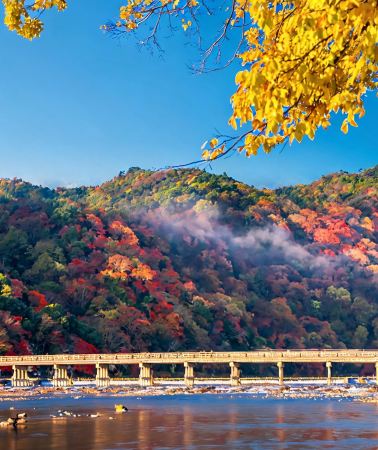
Arashiyama is a natural tourist attraction in the western suburbs of Kyoto, including the Souvenir the Togetsukyo Bridge and the Sagano area. The cherry blossoms and red maples here are very famous, and the beautiful Sagano bamboo forest also reveals the unique charm of Kyoto. In addition, there are many famous temples and shrines scattered around Arashiyama. Iconic Landscape - Togetsukyo Bridge The Togetsukyo Bridge, which spans the Katsura River, is the landmark of Arashiyama. The wooden structure of the bridge and the wooded mountains behind it form a beautiful landscape painting. Arashiyama Park (divided into three parts: Kameyama, Nakanoshima, and Rinchuan Temple) next to the Katsura River is a popular leisure spot. There are large areas of cherry blossoms and maple forests planted in the park. When the cherry blossoms are in full bloom and the maple leaves turn red, the scenery is particularly spectacular, attracting many tourists to come and watch. In December, there is also a lantern festival in this area, when lanterns are hung on the streets, which is very unique. On the hillside of Arashiyama Park (Kameyama area), you can also find a memorial poem monument for "Arashiyama in the Rain". Temples and shrines There are many temples and shrines in the Arashiyama area, and Tenryuji Temple, located in the center, is a must-visit place. Tenryuji Temple is famous for its exquisite landscape gardens and is known as the first of the "Five Great Zen Temples in Kyoto". Many people come here to pray. Sagano Bamboo Forest There is a short bamboo forest between the north side of Tenryuji Temple and Nonomiya Shrine. The trail is lined with towering Nonomiya bamboos, making it a popular tourist spot in the Arashiyama area. In the summer, you can enjoy the leisurely atmosphere and the breeze when walking in the bamboo forest. During the Arashiyama Lantern Festival, the lights are lit up, which is very interesting in winter. Cycling Tours Cycling is a great way to travel around Arashiyama and Sagano. Riding a bicycle between suburban houses and temples and shrines is both labor-saving and relaxing. Gioji Temple, Daikakuji Temple, Jojakkoji Temple, Nison-in Temple, and Kano Nenbutsu-ji Temple are all worth visiting. You can also go to the Iwatayama Monkey Park on the mountain, where you can not only see many wild monkeys, but also get a bird's eye view of Kyoto. You can find a bicycle rental shop near Arashiyama Station. Train Tours Taking the Sagano sightseeing train to visit Arashiyama and Hozukyo is a very romantic thing. The train runs along the railway over Hozukyo, with cherry blossoms in spring, gurgling streams in summer, red leaves in autumn, and silvery white in winter. The train runs between Torokko Saga Station (next to JR Saga Arashiyama Station) and Torokko Kameoka Station, and the scenery along the way is different when Round-trip in and out. Cruise If you have enough time, you can also go to Kameoka to experience rafting or Cruise on the Hozu River, passing through the picturesque countryside canyons and after several rapid sections, you can reach the Togetsukyo Bridge in Arashiyama. Delicious cuisine You can also eat many delicious Japanese desserts, barbecue and other dishes in Arashiyama, especially in Babacho and Sanjo-dori near Togetsukyo Bridge. The eye-catching restaurant signs and enthusiastic service staff there make people feel very friendly!Kyoto · 18.4 km from Uji
Byodoin Temple
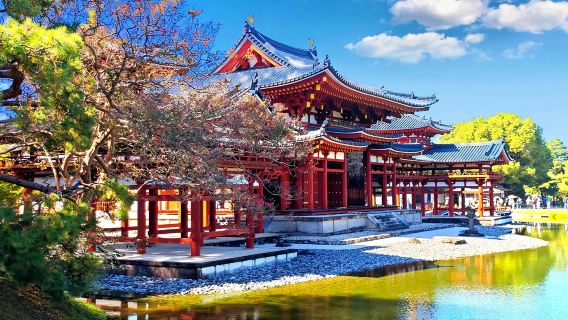
Byodoin Temple is a Heian-period temple garden designed for boating on its pond. It is situated facing the Uji River, with a distant view of Mount Asahi. During the Jogan era (859–877), the Minister of the Left and landscape architect Minamoto no Toru (822–895) established a villa here. In the fourth year of Chotoku (998), the Regent and Chancellor Fujiwara no Michinaga acquired the site and reconstructed the residence. Cherry blossoms, azaleas, and lotus flowers bloom in the garden every year, and Byodoin Temple was designated a UNESCO World Heritage site in 1994. When the temple was first built, it featured many buildings within its expansive grounds. Most were later destroyed by fire during wartime. Today, only the Phoenix Hall, Kannon-do Hall, and the bell tower remain. The most famous of these is the Phoenix Hall, named for the phoenix statue on its roof, which is also featured on the back of the 10,000 yen banknote. The building extends outward with two wings, making it look as if the phoenix is about to take flight.Uji · 893m from downtown

Uji Bridge
The Uji Bridge spanning both sides of the Uji River is a majestic and beautiful pure Japanese-style bridge with a total length of 153 meters. It was built in the second year of Dahua (AD 646) and is the oldest existing bridge in Japan. At the west end of Uji Bridge, stands the "Ujibashi Hime Shrine". Uji Hashihime is the guardian god of Naga Bridge. The ancient Japanese believed that the connection between the bridge from one end to the other means the road from the present to the next. Therefore, the bridge has always been regarded as the destination of the soul.Uji · 1.1 km from downtown
Experiences you can't miss in Uji
Featured Cultural experiences in Uji
View all Cultural experiences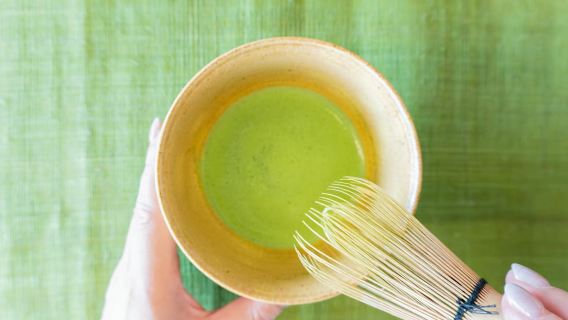
4.9/5
· 372 reviews· 82 bookedFree cancellation
Book now for today
59 consecutive positive reviews
5% off
Limited-time sale
FromBRL 108.07BRL 113.76
![Japan Kyoto Nintendo Museum. Local guide/guide service [admission ticket booking available]](https://ak-d.tripcdn.com/images//0585h12000qn11sfc1B1D_C_568_320.jpg?_fr=wc)
99 booked
25 bookings in 7 days
FromBRL 83.54
![Osaka departure [lazy route] Nara deer interaction + Uji matcha tasting + Japanese-style healing](https://ak-d.tripcdn.com/images/0353u12000lwbkvv5A898_C_568_320.jpg?_fr=wc)

4.9/5
· 79 reviews· 635 bookedFree cancellation
Book now for tomorrow
97.5% of travelers recommend
8% off
Limited-time sale
FromBRL 244.94BRL 266.24

![Nara Uji hot spring 1-day tour [deer interaction + ancient temple + Uji matcha] from 4 people](https://ak-d.tripcdn.com/images/0351t12000phnl3g95026_C_568_320.jpg?_fr=wc)
FromBRL 317.44
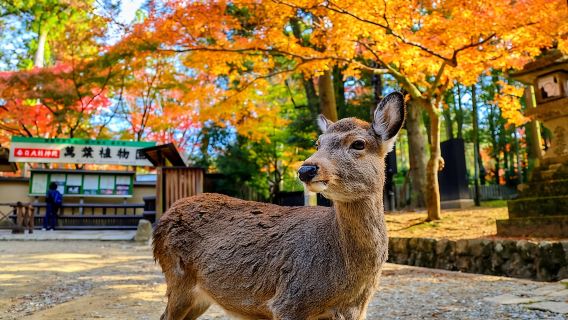
5.0/5
· 107 reviewsFree cancellation
Book now for tomorrow
100 consecutive positive reviews
FromBRL 634.28
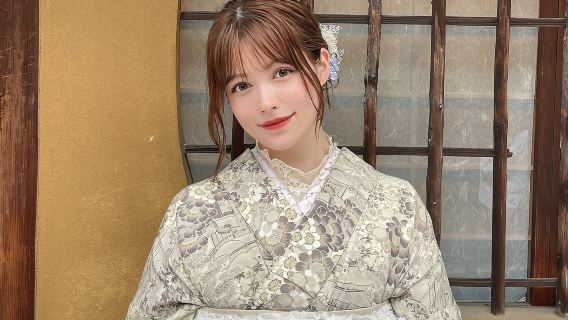
4.9/5
· 461 reviews· 645 bookedFree cancellation
Instant confirmation
Book now for tomorrow
97.8% of travelers recommend
FromBRL 84.15
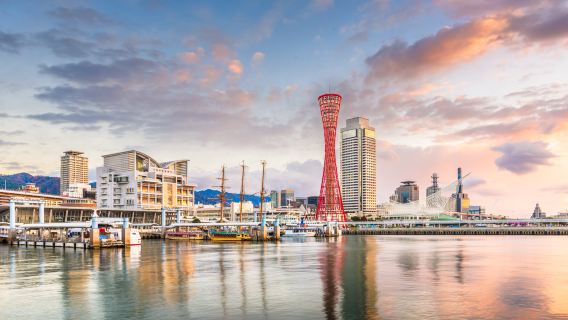
4.9/5
· 25 reviews· 244 bookedFree cancellation
Instant confirmation
25 consecutive positive reviews
30% off
Limited-time sale
FromBRL 249.73BRL 356.76
Featured Day tours in Uji
View all Day tours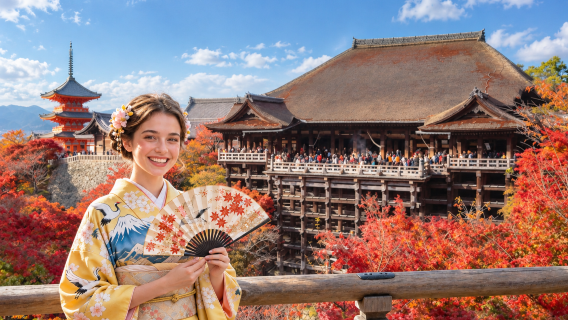
4.9/5
· 520 reviews· 445 bookedFree cancellation
Instant confirmation
Book now for tomorrow
97.7% of travelers recommend
10% off
Limited-time sale
FromBRL 225.16BRL 250.18
4.9/5
· 618 reviews· 1.2k bookedFree cancellation
Instant confirmation
Book now for tomorrow
40 consecutive positive reviews
10% off
Limited-time sale
FromBRL 225.16BRL 250.18
![[9-person group] Kyoto + Nara + Uji day trip: Cute deer/Kiyomizu-dera Temple/Fushimi Inari](https://ak-d.tripcdn.com/images/0356k12000tvqljbpBD8D_C_568_320.jpg?_fr=wc)
4.9/5
· 81 reviews· 898 bookedFree cancellation
Instant confirmation
97.5% of travelers recommend
FromBRL 240.59
![Kyoto & Nara 7 Major Spots Highlights Day Tour [Kiyomizudera Temple / Fushimi Inari Taisha / Nara Park / Kasugataisha Shrine / Byodoin Temple / Uji Omotesando / Todaiji Temple]](https://ak-d.tripcdn.com/images/0350i12000tkp4yt611D9_C_568_320.jpg?_fr=wc)
4.8/5
· 29 reviews· 417 bookedFree cancellation
Instant confirmation
25 consecutive positive reviews
30% off
Limited-time sale
FromBRL 225.16BRL 321.67

4.8/5
· 52 reviews· 401 bookedFree cancellation
Book now for tomorrow
92.3% of travelers recommend
8% off
Limited-time sale
FromBRL 251.52BRL 273.4
5.0/5
· 14 reviews· 59 bookedFree cancellation
Book now for tomorrow
FromBRL 250.18
Featured Food & drink in Uji
View all Food & drink![[Popular experience IN Kyoto] Uji matcha + Japanese sake + inari sushi](https://ak-d.tripcdn.com/images/0351l12000tvs36te5CB2_C_568_320.jpg?_fr=wc)
5.0/5
· 4 reviewsFree cancellation
Instant confirmation
FromBRL 359.38
FromBRL 101.48
5% off
Limited-time sale
FromBRL 808.83BRL 851.41
4.9/5
· 10 reviewsFree cancellation
Book now for tomorrow
5% off
Limited-time sale
FromBRL 385.55BRL 405.85

5.0/5
· 6 reviewsFree cancellation
Book now for today
5% off
Limited-time sale
FromBRL 39.16BRL 41.23

4.9/5
· 30 reviews· 115 bookedFree cancellation
Instant confirmation
Book now for tomorrow
FromBRL 158.56

103 booked
Free cancellation
Instant confirmation
Book now for today
FromBRL 31.72
![Osaka Umeda: PICCADILLY PREMIUM LIVE Show & NIGHTCLUB Admission Ticket with Drinks|Karaoke & Hookah [Exclusive for Foreign Travelers]](https://ak-d.tripcdn.com/images/0351x12000rt0kd9w0716_C_568_320.jpg?_fr=wc)
4.7/5
· 10 reviews· 104 bookedInstant confirmation
Book now for today
FromBRL 31.72
Featured Outdoor experiences in Uji
View all Outdoor experiences
Free cancellation
Book now for tomorrow
5% off
Limited-time sale
FromBRL 284.57BRL 299.55
4.8/5
· 99 reviews· 1.1k bookedFree cancellation
Book now for tomorrow
97% of travelers recommend
5% off
Limited-time sale
FromBRL 244.02BRL 256.87
4.9/5
· 42 reviews· 698 bookedFree cancellation
Instant confirmation
Book now for tomorrow
97.6% of travelers recommend
50% off
Limited-time sale
FromBRL 228.33BRL 456.66

4.8/5
· 71 reviews· 917 bookedFree cancellation
Instant confirmation
Book now for tomorrow
97.2% of travelers recommend
13% off
Limited-time sale
FromBRL 259.86BRL 298.69
4.8/5
· 542 reviews· 763 bookedFree cancellation
Book now for tomorrow
30 consecutive positive reviews
50% off
Limited-time sale
FromBRL 310.34BRL 620.68
4.1/5
· 8 reviews· 576 bookedBook now for tomorrow
48 bookings in 7 days
FromBRL 95.19
4.9/5
· 38 reviews· 397 bookedFree cancellation
97.4% of travelers recommend
FromBRL 422.53
4.8/5
· 209 reviews· 1.8k bookedFree cancellation
Book now for tomorrow
25 consecutive positive reviews
14% off
Limited-time sale
FromBRL 233.06BRL 271.01
Free things to do in Uji
Fushimi Inari Taisha
Kyoto · 9.4 km from UjiKiyomizu-dera Temple
Kyoto · 12.3 km from UjiSannenzaka & Ninenzaka
Kyoto · 12.6 km from UjiGion
Kyoto · 13.4 km from UjiKamo River
Kyoto · 11.1 km from UjiYasaka Shrine
Kyoto · 13.4 km from UjiKyoto Tower
Kyoto · 12 km from UjiImmediate access, Book now for todayArashiyama
Kyoto · 18.4 km from UjiByodoin Temple
Uji · 893m from downtownUji Bridge
Uji · 1.1 km from downtown
More ways to travel from Uji
Private Tours in Uji
View More Private Tours in Uji


Group Tours in Uji
View More Group Tours in Uji


What travellers say about Uji

_TI***dvAugust 2, 2026
5.0
Fushimi Inari Taisha was a magical place. So beautiful for pictures. We went early evening before it got dark and it was perfect as not too many people. Highly recommended in Kyoto.
Fushimi Inari Taisha

Jason EggJune 29, 2026
5.0
Kiyomizu-dera is one of the most beautiful temples I visited in Kyoto. The historic wooden stage offers a stunning panoramic view of the city, especially during the spring and autumn seasons. Walking through the temple grounds was peaceful, with traditional buildings, beautiful gardens, and a calm atmosphere. I also enjoyed exploring the charming streets leading to the temple, filled with local snacks, souvenirs, and traditional Japanese shops. The temple’s rich history and impressive architecture made the visit even more meaningful. Although it can get crowded, the experience is well worth it. I recommend visiting early in the morning or later in the afternoon to enjoy a quieter atmosphere and take beautiful photos. It is a must-visit attraction for anyone exploring Kyoto.
Kiyomizu-dera Temple

Leda MandacJune 11, 2025
5.0
Go here if you want to explore street food in Kyoto. These two alleys have food stalls and restaurants to fill your cravings for dango, daigaku, kobe beef, wagyu burger, matcha ice cream, etc.It's a good sidetrip when you're going to Yasaka Pagoda and Yasaka Koshindo Temple.
Sannenzaka & Ninenzaka
_TI***osOctober 13, 2026
5.0
Originally, I was just looking for a place to stay, but I unexpectedly stumbled upon such a charming and elegant place. There were no dazzling gold decorations; the plain walls received the sunlight all day, from the pale gold of dawn to the orange-red of dusk, creating different gentle layers on the walls. The light-colored hand-painted murals in the corners of the walls, like diffused wisps of smoke and sunset, showed no signs of deliberate artifice, yet exuded a natural charm. The room's facilities were all easy to use, the bedding was soft yet supple, and I slept exceptionally well at night. During my stay, returning home each day felt like stepping from a bustling street into a tranquil painting; my entire being felt relaxed, and even the fatigue from my trip vanished completely.
Gion

_TS***8March 24, 2025
4.0
the place is good for a walk, you can just leavr your troubles and then go for a walk along the river for some quick recharge.
Kamo River

LeoniusMarch 8, 2026
5.0
We visited this place by night time. It was amazing and very peaceful. I like the architecture and atmosphere there.
Yasaka Shrine

geqiOctober 1, 2026
4.0
When you arrive in Osaka, you'll usually go to Kansai Airport first. Once you arrive at Kansai Airport, you'll generally go to the Kyoto Tower area, which is a major transportation hub, regardless of your mode of transportation. Kyoto Tower is a famous landmark in Kyoto.
Kyoto Tower
_TI***jrAugust 6, 2026
5.0
Having just recovered from a prolonged illness, I was so weak I could barely walk. The few days I spent at this hotel gradually restored my energy and spirit. It allows you to shed your fatigue and let your soul find poetic peace in its tranquility. All the lighting was soft and warm, not too bright to make you dizzy; the bed's firmness was just right to support your back, preventing soreness after lying down for a while; the meals were warm, easily digestible congee and side dishes; even the air had a mild scent, not irritating my sensitive respiratory tract. Every day I leisurely strolled in the courtyard, watching the wildflowers slowly bloom in the corner, sitting under the eaves basking in the sun, even my steps were light. There was no need to rush my recovery, no need to force myself to get better quickly. I stole a half-day of leisure, finding a long-lost sense of ease and freedom. Those few days I lived entirely at my own pace, without any pressure or urging, and my recovery was much faster than I had expected.
Arashiyama

魅力小闷墩August 19, 2026
5.0
Phoenix Hall, the inspiration for the design on the back of the Japanese 10-yen coin, is a must-see in Uji.
Standing before the Phoenix Hall, the first impression isn't "spectacular," but rather one of perfect harmony. The vermilion building spans the pond, and the phoenixes on either side of the roof stand out vividly in the sunlight. The water, garden, trees, and building almost blend into a unified whole.
It's the design on the back of the Japanese 10-yen coin, so it's easy to feel a strange sense of familiarity:
The building I see every day is actually here.
The most worthwhile aspect of Byodoin Temple isn't any single detail, but the entire space. Walking around Aji Pond and viewing Phoenix Hall from different angles offers a different experience. Especially on a clear day, the blue sky, white clouds, vermilion building, and water create a stunning backdrop for photos.
I also paid special attention to the phoenixes on the roof. From a distance, they appear as small golden outlines, but upon closer inspection, their beauty becomes apparent, adding a touch of legend to the building.
Compared to the crowded touristy temples in Kyoto, Uji and Byodoin Temple offer a much more relaxed pace.
There's no need to rush to "check off ten spots" here; it's better to slow down.
After visiting Byodo-in Temple, take a stroll along the Uji River and enjoy some matcha. A half-day at this pace will be very relaxing.
Personal impression: Byodo-in Temple doesn't impress with its scale, but rather with its proportions, colors, and environment.
In photos, it looks like a temple.
In person, it's more like a painting preserved for a thousand years.
Byodoin Temple

游侠半仙May 29, 2024
5.0
The Uji Bridge, which spans the Uji River, is a majestic and beautiful pure Japanese-style bridge with a total length of 153 meters. It was built in the second year of Taika (646 AD) and is the oldest bridge in Japan. At the west end of the Uji Bridge stands the "Uji Bridge Princess Shrine". Uji Bridge Princess is the guardian deity of the long bridge. The ancient Japanese believed that the bridge was a connection from one end to the other, implying the path from the present world to the other world, so they always regarded the bridge as the destination of the soul.
Uji Bridge


