

Amsterdam Travel Guide 2026: Top Attractions, Local Food & Travel Tips | Trip.com
About Amsterdam
Recommended trip: 2–4 day(s)
Recommended trip: 2–4 day(s)Current weather conditions
 12°C
Amsterdam Local Experiences Map









Trending in Amsterdam
Amsterdam Local Travel Guide 2026
Amsterdam Brief Guide
Amsterdam's iconic canals wind past gabled houses and bike-filled streets, home to masterpieces in the Rijksmuseum and Van Gogh Museum. Rent a pedal boat or join a canal cruise to soak in the laid-back vibe amid tulip fields nearby. Follow this guide to navigate your cultural escape, including hidden courtyards and cozy brown cafes.
Amsterdam Must-try local experiences
1. Cruise the Canals and Bridges Amsterdam's 17th-century canals are a UNESCO site, lined with tall houses and crossed by over 1,200 bridges. Take a 1-hour boat cruise from spots like Anne Frank House for a relaxed ride past gabled buildings and houseboats, or rent a pedal boat for two at spots like Westerpark. At dusk, head to Magere Brug (Skinny Bridge) for its lights reflecting on the water—perfect for photos. These water views offer a fresh perspective on the city, particularly in the evening when the atmosphere is calm. 2. Discover Major Museums Museumplein is a hub for three top art spots: the Rijksmuseum with Dutch masters like Rembrandt's "Night Watch," the Van Gogh Museum showcasing over 200 paintings (book timed tickets online), and the Stedelijk for modern works by Picasso and Warhol. Spend a full day hopping between them with combo passes, or join a guided tour for context. They're all indoors and air-conditioned, making them easy for rainy days. 3. Visit the Anne Frank House The Anne Frank House in the Jordaan shows where Anne and her family hid during WWII, with her original diary excerpts and simple rooms preserved. Book tickets months ahead online (no walk-ins), and expect 1-2 hours in line even with reservations—audio guides help. It's a moving, quiet experience that highlights resilience; go early to avoid crowds. 4. Bike Around Like a Local Amsterdam has more bikes than people, so rent one (EUR 10-15/day) from shops like MacBike and pedal flat streets to neighborhoods like De Pijp. Follow bike lanes to avoid trams, and lock securely—fines for theft are steep. It's the best way to spot hidden alleys and cafes, feeling the city's daily rhythm. 5. Stroll Through Vondelpark Vondelpark is the city's largest green space, ideal for a leisurely stroll, a picnic with cheese and bread from nearby markets, or enjoying street musicians. In summer, catch free outdoor concerts or yoga sessions; rent rowboats on the ponds for EUR 10/hour. It's a local favorite for unwinding, especially on sunny weekends. 6. Walk the Red Light District De Wallen, the Red Light District, mixes history with nightlife—visit by day for its 14th-century architecture and the Oude Kerk (the oldest building in Amsterdam). At night, see the illuminated windows and bars, but stay aware of your surroundings and respect workers (no photos). Join a guided Red Light Secrets tour for the backstory. It's a candid look at the city's tolerant side. 7. Browse Vibrant Markets Amsterdam's markets buzz with fresh goods and deals—Albert Cuyp in De Pijp for stroopwafels, fish, and clothes (open daily); Bloemenmarkt, the floating flower market on the Singel, for tulip bulbs and souvenirs; and Waterlooplein flea market on weekdays for vintage finds like bikes and records. Haggle politely and go early for the best picks. They're fun spots to eat, shop, and people-watch. 8. Chase Tulips in Season From late March to mid-May, tulip fields bloom around Amsterdam—day-trip to Keukenhof Gardens for 7 million flowers in themed displays, or bike Lisse's countryside paths. Buy bulbs to take home duty-free. It's a colorful escape, but be sure to book buses or tours ahead, as it gets busy. 9. Catch a Concert at the Concertgebouw The Concertgebouw hosts top classical shows in its golden hall with amazing sound—try a Friday matinee for the Royal Concertgebouw Orchestra playing Beethoven (tickets EUR 30-100). Check the schedule online and book early; free youth concerts run on Sundays. It's a classy evening that feels welcoming even for non-experts. 10. Savor Dutch Snacks and Meals Dutch food is simple and hearty—grab raw herring with onions from street stands, bitterballen (fried meatballs) with mustard at brown cafes, or gouda cheese tastings at shops like Kaasland. End with poffertjes mini pancakes dusted in sugar. Pair with a Heineken at a pub crawl or food tour. These bites are everywhere and affordable for casual sampling. 11. Wander the Jordaan Neighborhood The Jordaan is a cozy area west of the center with narrow streets, boutique shops, and canal-side cafes. Browse cheese stores, visit the Noordermarkt farmers' market on Saturdays for organic treats, or peek into the hidden Begijnhof courtyard with its 14th-century houses and English church. It's perfect for a slow afternoon of window-shopping and coffee. 12. Day Trip to Zaanse Schans Windmills Just 20 minutes north by bus, Zaanse Schans recreates a 17th-century village with working windmills grinding spices and a cheese factory for demos. Watch clog-making, climb a mill for views (EUR 5), and grab stroopwafels. Entry is free; go midweek to skip tour groups. It's a quick taste of Dutch countryside heritage.
Amsterdam Must-see Attractions
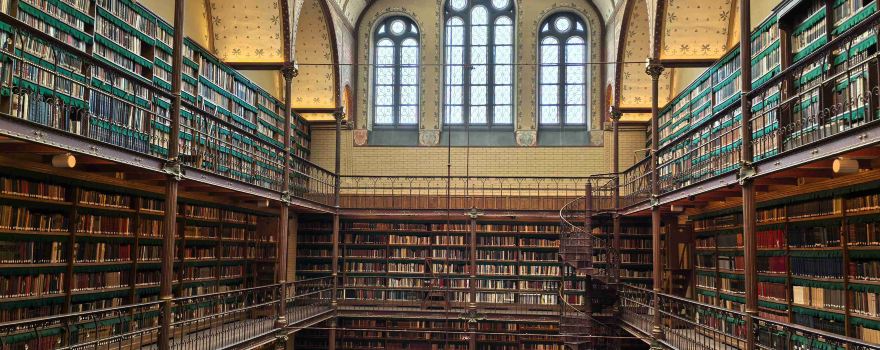
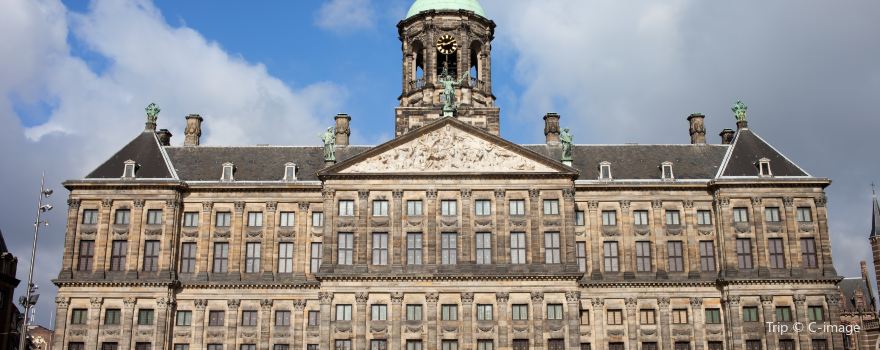
Amsterdam is a culturally rich city renowned for its historic canals, iconic museums like the Van Gogh Museum and Rijksmuseum, and attractions such as the Royal Palace and immersive canal cruises, offering visitors a blend of artistic heritage and picturesque urban landscapes. As a tribute to the works of Vincent van Gogh and his contemporaries, the Van Gogh Museum in Amsterdam is home to the largest collection of Van Gogh's paintings and drawings in the world. The museum's architecture, such as the Rietveld Building and the Kurokawa Wing, is designed to emphasize geometric forms and natural light, enhancing the visitor's experience of the art. Visitors can immerse themselves in Van Gogh's life through his extensive oeuvre, including over 200 paintings, 500 drawings, and more than 750 letters, as well as learn about his artistic journey and the influences that shaped his work. The museum also offers temporary exhibitions, providing insights into various subjects from 19th-century art history. The technology-driven immersive exhibition "Meet Vincent Van Gogh Experience" allows for an exploration of Van Gogh's life and works. The Rijksmuseum in Amsterdam, the national museum of the Netherlands, is a treasure trove of Dutch art and history, showcasing a collection that spans 800 years. Renowned for its extensive array of masterpieces, the museum is home to over 8,000 objects on display, including seminal works by Dutch Golden Age luminaries such as Rembrandt, Vermeer, and Hals. Visitors can explore the museum's eclectic mix of paintings, sculptures, maritime objects, and more, all housed within a striking Neo-Gothic and Neo-Renaissance building designed by Pierre Cuypers. The museum's recent renovation, which included the addition of a glass roof over the old courtyards, has infused the historic space with an innovative character, allowing for a seamless blend of the old and the new. The Rijksmuseum is not just a gallery; it is a celebration of Dutch culture, offering an immersive experience of the country's rich artistic and historical heritage. The Canals of Amsterdam, often referred to as the "Venice of the North," are an iconic and historic attraction that offers visitors a unique glimpse into the city's past and present. These waterways, recognized as a UNESCO World Heritage Site since 2010, were constructed during the Dutch Golden Age in the 17th century and have since become a symbol of Amsterdam's cultural heritage. With over 100 km of canals, 90 islands, and 1,500 bridges, the main canals—Herengracht, Prinsengracht, and Keizersgracht—form the famous Grachtengordel (Canal Ring) lined with 1550 historic buildings. Visitors can explore the canals through various means, such as joining a guided canal boat tour to learn about the history and architecture, or by renting a pedal boat for a more personal experience. The canals are not only a visual treat but also play a significant role in the city's economy, supporting over 50,000 jobs and generating substantial revenue. The picturesque waterways, combined with the charming canal-side cafés and the unique tilt of the historic merchant houses, provide a serene and culturally rich atmosphere for tourists. The Royal Palace Amsterdam, an emblematic Dutch Baroque masterpiece, stands as a testament to the Netherlands' Golden Age and its political and commercial zenith. Originally constructed as the city's town hall in the 17th century, it was transformed into a royal palace by King Louis Napoleon in 1808. The palace's grandeur is evident in its imposing rooms and halls, which are adorned with sculptures and paintings by renowned artists, including students of Rembrandt. Visitors can explore the rich history and opulent Empire-style furnishings that are still in use during royal receptions. As King Willem-Alexander's official reception palace, it hosts state visits and royal ceremonies, yet it graciously opens its doors to the public, allowing them to follow in the footsteps of royal guests. The Royal Palace Amsterdam is not only a building where history is written but also a place where visitors are warmly welcomed to witness the legacy of Dutch royalty and the architectural splendor of a bygone era. Amsterdam Canal Cruises offer a quintessential experience for visitors, showcasing the city's historic charm and architectural grandeur from its iconic waterways. The cruises, provided by companies like the Blue Boat Company and Stromma, feature a variety of options including traditional covered boats, open-air tours, and themed cruises like dinner or light festival specials. These tours not only cater to a broad audience with family-friendly and wheelchair accessible options but also offer intimate and customizable experiences for private events. The best times to embark on these cruises are during the late afternoon to capture the golden hour or in the evening when the city lights create a magical atmosphere. With a history dating back to 1948, the Blue Boat Company prides itself on local expertise and a commitment to providing memorable experiences, making a canal cruise an unmissable Amsterdam attraction.
Amsterdam Food Guide
Amsterdam's food scene is a rich tapestry of local and international flavors, featuring world-renowned Dutch cheese, the Dutch-Indonesian rijsttafel tradition, classic Dutch pancakes with a variety of toppings, and the iconic Dutch fries served with an array of sauces. All of these reflect the city's diverse culinary heritage and innovation. Dutch fried meatballs are a traditional dish consisting of minced meat shaped into balls, battered, and deep-fried to a golden crisp. They often contain a mix of diced vegetables, ground pepper, and nutmeg for added flavor. When bitten into, the meatballs offer a juicy and springy texture. They're commonly served with mustard sauce, enhancing their taste to a delightful level, though they can also be enjoyed with a variety of other sauces for a different twist. A celebrated product of Amsterdam, with the Dutch being affectionately known as cheese-heads, reflecting their rich cheese-making heritage. Voted the best cheese in the world in 2012, Dutch cheese is a cornerstone of the country's dairy industry, which boasts an impressive value of around 7 billion Euros annually. Visitors to Amsterdam can explore the historical cheese markets in Edam, Hoorn, and Alkmaar, or indulge in cheese-tasting experiences at Reypenar's Cheese Tasting Room and Henri Willig stores, where the green pesto cheese is highly recommended. A Dutch-Indonesian culinary tradition that offers a lavish array of Indonesian dishes, symbolizing the historical blend of Dutch and Indonesian cultures. This elaborate meal, which can include up to forty different dishes such as sate, gado gado, and beef rendang, is served with rice and is designed to provide a sampling of Indonesia's diverse regional cuisines. While rijsttafel is not commonly found in Indonesia today, it remains a celebrated part of Dutch culinary heritage and can be enjoyed at various restaurants in Amsterdam, including the Michelin Bib Gourmand-awarded Tempo Doeloe. Dutch Pancakes, known locally as pannenkoeken, are a traditional treat with a history dating back to the 12th century, featuring a thin, crepe-like consistency and a large 32-centimeter diameter. These pancakes can be enjoyed in a variety of ways, from sweet to savory, with popular toppings including bacon and cheese or apple, almonds, and whipped cream, and they can be tailored to accommodate dietary restrictions such as gluten-free or vegan preferences. For a truly immersive experience, visitors can partake in crafting their own Dutch pancakes in a canal house with views of the Amstel River or enjoy them on a historical canal cruise, combining cultural insights with culinary delight. Dutch fries, known locally as "friet" or "patat", are a beloved snack in Amsterdam, often enjoyed with a variety of sauces like mayonnaise, peanut sauce, or the traditional "oorlog" topping. These thick-cut, never-frozen fries are typically served the same day they are cut, ensuring a fresh and satisfying crunch with a fluffy interior, thanks to the Dutch double-frying technique. Originating from a fair in Breda 150 years ago, Dutch fries have become an integral part of the local cuisine, often accompanied by snacks like bitterballen or as part of dishes like the "kapsalon", a hearty combination of fries, shawarma meat, and cheese.
Amsterdam Transportation
By air: Amsterdam Airport Schiphol (AMS): This is the main international airport for the Netherlands and is conveniently located just 17–20 minutes from Amsterdam's city center. - Airport train: The most popular and efficient way to reach the city center from Schiphol is by train. The train station is located directly beneath the airport terminal, and Sprinter and Intercity trains run frequently to Amsterdam Centraal Station. - Airport bus: The Amsterdam Airport Express (Bus 397) also connects Schiphol with central areas like Museumplein and Leidseplein. Tickets can be bought from the driver (card only), an airport service desk, or in advance online. By train: Amsterdam Centraal Station is a major European rail hub, with high-speed trains like the Eurostar connecting to London and Thalys to Paris and Brussels. Regular train services also run to destinations in Germany and other European countries. The Dutch railway system (NS) is efficient and connects Amsterdam to towns and cities throughout the Netherlands. By bus: Services like FlixBus operate international routes connecting Amsterdam with other major European cities. The local public transportation in Amsterdam is run by the GVB. The system includes trams, metro, buses, and ferries. Payment options: - OVpay (Contactless payments): The easiest method for tourists is using their contactless debit or credit card (Maestro, V-PAY, Mastercard, Visa) or mobile phone to tap in and out of all public transport. The fare is calculated based on distance, and there is a maximum daily cap of €10 for all GVB trips within the city. - GVB Multi-Day Tickets: For unlimited travel on GVB trams, buses, and metro within Amsterdam, you can purchase paper or mobile tickets valid for 1 to 7 days. These are a good value for visitors who plan to use public transport frequently. - Amsterdam & Region Travel Ticket: This pass covers unlimited travel on GVB, regional buses (Connexxion, EBS), and NS trains within the Amsterdam area. It is ideal for day trips to attractions outside the city, like Keukenhof Gardens. - I amsterdam City Card: This all-inclusive card combines unlimited GVB transport with free entry to many museums and attractions. It is more expensive but can offer savings if you plan to do a lot of sightseeing. - Anonymous OV-Chipkaart: For longer stays, an anonymous, reusable OV-Chipkaart is a pre-paid option. You must have at least €20 credit for train travel and €4 for bus, tram, or metro travel. Trams: The tram network is extensive, covering most of the central areas and connecting many tourist attractions. It is a scenic way to see the city. Metro: The metro is the fastest way to cover longer distances within Amsterdam and the surrounding area. Most of the five lines begin or pass through Amsterdam Centraal Station. Buses: GVB buses supplement the tram and metro network. Night buses (lines starting with 'N') run after regular service stops around 12:30 a.m.. Ferries: GVB operates several free ferries for pedestrians and cyclists across the IJ River, providing a connection to Amsterdam Noord. Cycling: Bicycles are the most popular mode of local transport. Numerous rental companies are available, though tourists should familiarize themselves with local cycling etiquette. Taxis and ride-hailing: Taxis are available at major hubs and can be booked via apps like TCA. Uber and Bolt also operate in Amsterdam and are often cheaper.
Amsterdam Where to Stay
Amsterdam is a city renowned for its unique blend of history, culture, and modernity, offering a diverse array of neighborhoods each with their own distinct character and accommodation options. The Canals of Amsterdam are the heart of the city, offering historic charm and a central location. Accommodations here provide picturesque views of the waterways and easy access to iconic attractions like the Anne Frank House and the Rijksmuseum. The area is well-connected by public transport, with tram and metro options readily available. Hotels in this region often feature traditional Dutch architecture and are within walking distance to the vibrant Nine Streets shopping area. Visitors can enjoy a serene canal cruise or explore the local cafes and boutiques that line the historic streets. The central location does mean that prices can be higher, reflecting the prime position and the unique experience of staying in one of Amsterdam's most sought-after areas. Staying near the Van Gogh Museum places visitors in the cultural hotspot of Amsterdam, surrounded by the city's premier art institutions. This area is characterized by its proximity to not only the Van Gogh Museum but also the Stedelijk Museum and the Concertgebouw. The accommodations here tend to be more elegant, catering to art enthusiasts and those seeking a refined experience. The Museumplein, where these museums are located, is a spacious and green area, offering a more relaxed environment compared to the bustling city center. Public transport is easily accessible, with several tram lines and the nearby Amsterdam Zuid train station providing connections to the rest of the city and beyond. While staying in this area, visitors can indulge in the rich cultural offerings and enjoy the upscale dining options available. The RAI Amsterdam area is known as a business district, offering modern amenities and excellent connectivity to the rest of the city. It is ideal for visitors attending events at the RAI Exhibition and Convention Centre. The neighborhood boasts contemporary hotel chains with facilities catering to business travelers, such as conference rooms and high-speed internet. The proximity to Schiphol Airport and direct train services from the Amsterdam RAI station make it a convenient location for international visitors. The area also provides easy metro access to central Amsterdam, allowing guests to explore the city's attractions during their stay. It offers a quieter stay with all the necessary conveniences for a comfortable visit.
Amsterdam Best Time to Visit
For pleasant weather and manageable crowds, the best times to visit Amsterdam are the shoulder seasons of spring (March–May) and autumn (September–November). Spring offers blooming tulips, especially in April and May, while autumn has fewer tourists and cozy cafes. For the warmest weather and longest daylight hours, visit during the bustling summer (June–August), but expect peak prices and crowds. If your priority is lower prices and minimal crowds, winter (December–February) is the cheapest time, with the added magic of the holiday season and potential frozen canals, though it is cold and damp.
Amsterdam Travel Tips
1. Book Anne Frank House Tickets in Advance: The Anne Frank House is one of Amsterdam's most popular attractions. Tickets are only sold online through the official website and often sell out quickly. To ensure entry, book your tickets as soon as you know your travel dates. Tickets are released two months in advance, with a small percentage available on the day of the visit. 2. Mind the Cyclists: Amsterdam is famous for its cycling culture. Be aware that bike lanes are ubiquitous. Always look both ways before crossing the street and never walk in bike lanes to avoid accidents. Stay alert for bikes coming from both directions and use designated pedestrian crossings. 3. Respect the Red Light District Rules: While visiting the Red Light District, be mindful of the local rules. Photography is strictly prohibited, and respectful behavior is expected at all times. Avoid littering, keep noise levels down. 4. Stay Alert in Crowded Areas: Pickpocketing can be an issue in crowded areas like Dam Square and public transport. Keep your belongings secure, use a money belt, and avoid leaving valuables unattended. Be cautious at ATMs and on public transport, and always stay vigilant. 5. Bike Rental Precautions: If you rent a bike, ensure you're comfortable with cycling in urban areas. Always lock your bike securely when parking, as bike theft is common. Use hand signals when turning and follow all traffic rules to stay safe. Consider renting insurance for the bike and choose a rental shop with good customer service. Avoid riding under the influence and always use designated bike lanes. 6. Photography in Museums: Many museums in Amsterdam do not allow photography inside. For example, the Anne Frank House prohibits photography to protect original items and avoid nuisance. Always check the rules before taking pictures to avoid any issues. 7. Public Behavior Laws: Public drinking and urination are strictly prohibited in Amsterdam. Violations can result in hefty fines. Additionally, noise pollution, littering, and public intoxication are also fined. Respect local laws to avoid penalties.
Amsterdam Useful Guide
The official language of Amsterdam and the Netherlands as a whole is Dutch. The Dutch are consistently ranked among the best non-native English speakers in the world. 9292: A national public transport app that provides journey planning across all forms of transport throughout the Netherlands, including GVB, regional buses, and NS trains. It is particularly useful for trips outside the city. GVB Travel App: The official app for Amsterdam's public transport authority (GVB). It allows you to plan journeys, view real-time service updates for trams, buses, and metro, and purchase digital tickets directly in the app. Uber / Bolt: Both ride-hailing services are available in Amsterdam and can be useful for late-night transport or avoiding inclement weather. Bolt is sometimes cheaper than Uber. Fietsknoop / Fietsersbond Routeplanner: These apps are specifically designed for cyclists and help plan routes along the Netherlands' extensive network of bike paths, prioritizing safety and scenery over speed. Buienradar: This popular Dutch weather app is highly accurate and provides a detailed rain radar, allowing you to time your outings perfectly to avoid sudden downpours. BASH: Connects you to local events in Amsterdam, from parties to cultural gatherings, enhancing your travel experience. TheFork: This app is useful for restaurant bookings and can sometimes offer special discounts or promotions. Citymapper: This app provides detailed and accurate transport options, including walking and cycling directions. It is a highly-rated app for navigating major cities in Europe. Prepaid SIM cards Purchasing a local prepaid SIM is a cost-effective choice for reliable connectivity. The primary providers in the Netherlands are KPN, Odido (formerly T-Mobile), and Vodafone. You can buy prepaid SIM cards from kiosks and vending machines at Amsterdam Airport Schiphol (AMS), official provider stores in the city, or supermarkets like Albert Heijn and Primera. Note that airport vendors may have higher prices. Unlike some countries, the Netherlands does not require ID or passport registration to purchase a prepaid SIM, making the process quick and anonymous. A major advantage of Dutch SIM cards is that they automatically include EU roaming, allowing you to use your data, calls, and texts in other EU countries without incurring extra fees. eSIM eSIMs offer a convenient and hassle-free way to get connected, particularly for users with compatible, unlocked phones. You can purchase and activate a plan online using a QR code before your trip, so your service is ready the moment you land. International eSIM providers like Airalo, Holafly, Nomad, and Voye Global offer a range of plans. Some local providers, like KPN, also offer eSIM options for tourists. Free Wi-Fi Free Wi-Fi is widely available in Amsterdam, but it should not be your sole source of connectivity. The currency used in Amsterdam and throughout the Netherlands is the Euro (€). Credit and debit cards Card payments are widely accepted throughout Amsterdam, from large department stores and hotels to small cafes and restaurants. Most card terminals are set up for chip and PIN payments. While contactless "tap-and-go" payments are also standard for smaller purchases, you may be asked to enter your PIN for larger amounts. The Dutch have a strong preference for debit cards over credit cards, particularly the local Maestro debit card. While Visa and Mastercard are almost always accepted in large and tourist-focused establishments, some smaller shops or food stalls may only accept Dutch debit cards or be "cash only." Always carry some cash as a backup. Mobile payments and digital wallets OVpay: This is the official system for all Dutch public transport. You can simply tap your contactless debit or credit card (Maestro, V-PAY, Mastercard, Visa) or mobile phone wallet (Apple Pay, Google Pay) to check in and out of all trams, buses, and metro lines. Cash While useful to have as a backup, cash is far less common in Amsterdam compared to other European cities. Carry a small amount of cash for markets, small food stalls, or for places that don't accept foreign cards. Some public toilets also charge a small fee and may only accept coins.
Trip.Best: Amsterdam




Plan Your Amsterdam Trip
What to do


Where to stay



What to eat










Amsterdam Moments: Through Travelers' Eyes

Van Gogh Museum 📍Amsterdam

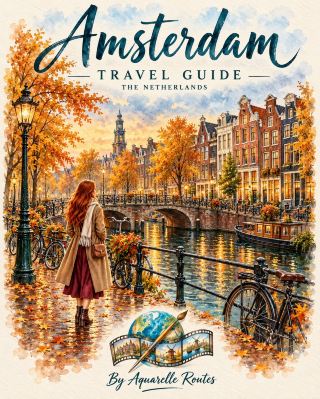
Amsterdam — Canals, Culture & Cosy Corners


First-Time Europe Trip: How to Plan a Value-Packed 10-Day Itinerary | Europe by Train

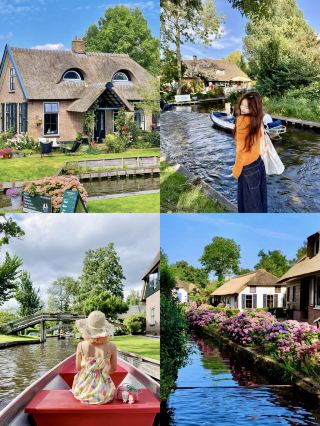
Fairytale Town Family Trip: Kids won't want to leave, and parents can relax too


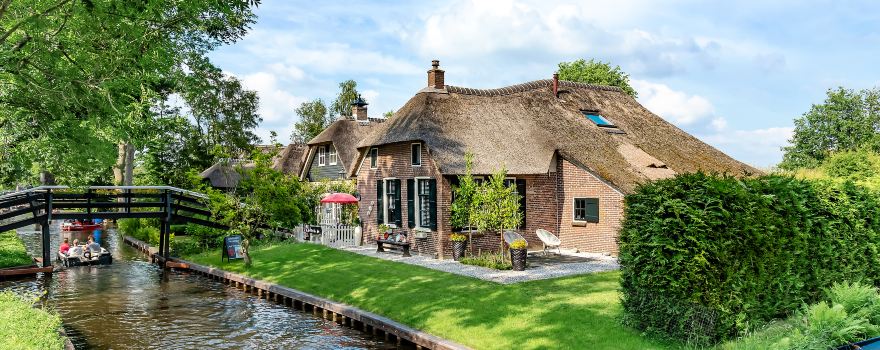
Soothing autumn getaway guide to the water village

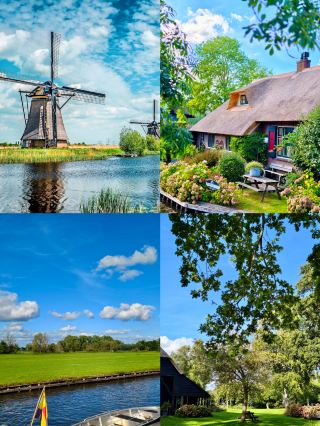
Taking the kids to a Dutch fairytale! Giethoorn, they won't want to leave

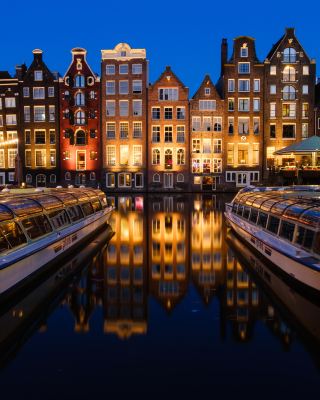
Exploring Amsterdam by Night — The City of Canals in a Different Light.

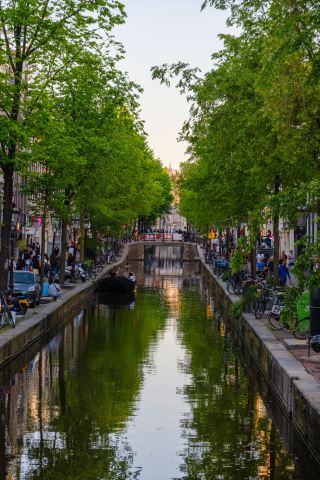
An Evening Stroll in Amsterdam — The City of Endless Canal Charm
Best of Amsterdam
Top 10 Gourmet Hotels in Amsterdam





Top 20 Premium Hotels in Amsterdam


Top 20 4-Star Select Hotels in Amsterdam







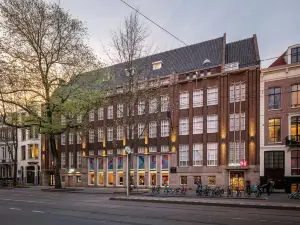
Popular Best Things to Do Near Amsterdam


Popular Family-friendly Attractions Near Amsterdam






Popular Scenic Hotels Near Amsterdam
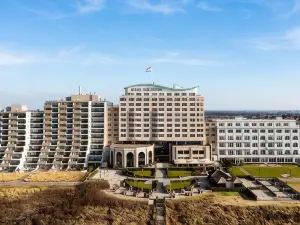

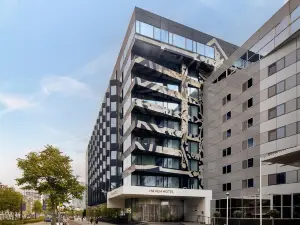



Popular Cultural Hotels Near Amsterdam


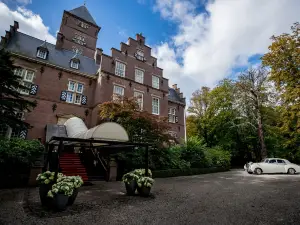
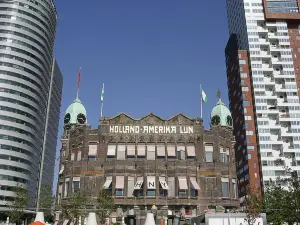


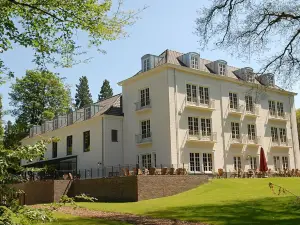


Popular Instagrammable Hotels Near Amsterdam








Popular Vacation Homes Near Amsterdam


Popular Premium Hotels Near Amsterdam



Other recommended cities

Rotterdam

Hague
Delft
