
Taizhou Travel Guide 2026: Top Attractions, Local Food & Travel Tips | Trip.com
About Taizhou
Recommended trip: 2–4 day(s)
Recommended trip: 2–4 day(s)Current weather conditions
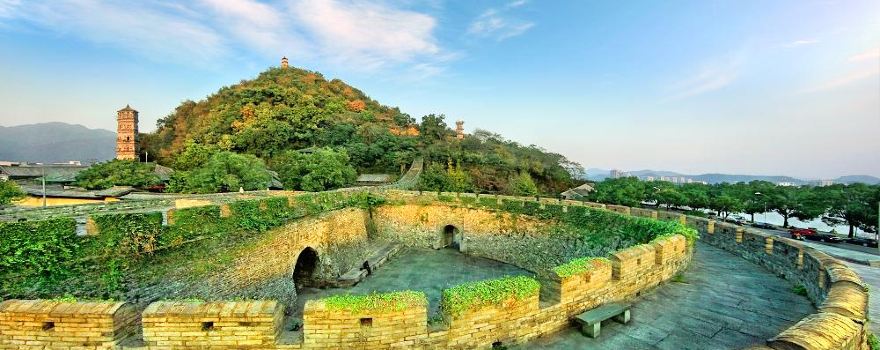
 24°C
Taizhou Local Experiences Map








Trending in Taizhou
Taizhou Local Travel Guide 2026
Taizhou Brief Guide
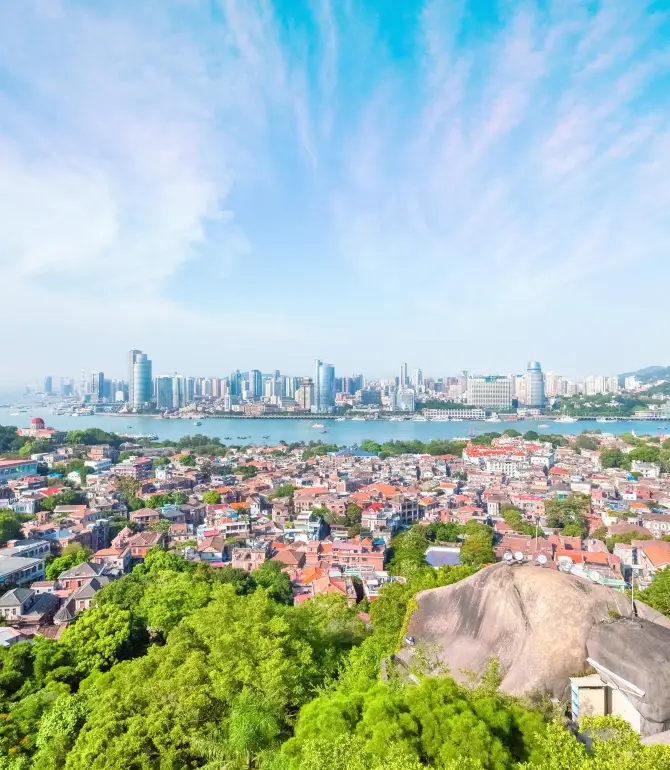
Taizhou, a vibrant coastal city in Zhejiang Province, China, combines serene natural beauty with a rich cultural heritage. Nestled along the East China Sea, it captivates with its tranquil islands, historic temples, and bustling markets, offering a refreshing escape steeped in tradition. Plan your authentic Taizhou journey with our guide.
Taizhou Must-try local experiences
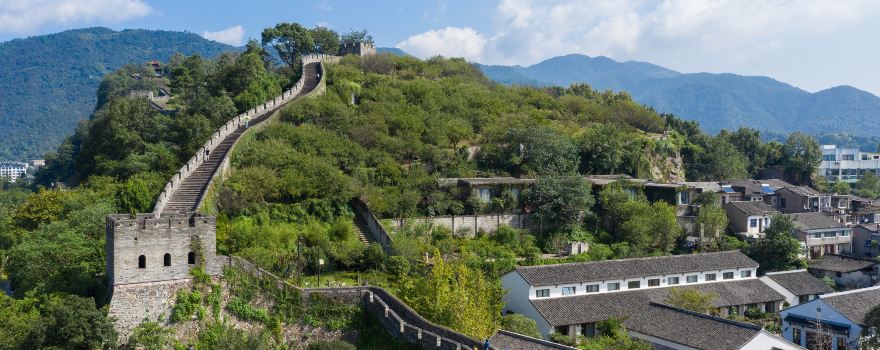
1. Ascend Sacred Mountain Trails Taizhou's peaks blend nature and history, offering rewarding hikes. Climb Tiantai Mountain's paths to spot rare trees and enjoy fresh air, or tackle Baiyun Mountain for temple views and a 30-minute summit push. These trails suit moderate walkers and offer quiet spots to pause amid misty forests. 2. Visit Ancient Buddhist Temples Step into serene sites tied to China's spiritual past. Explore Guoqing Temple on Tiantai Mountain, a 1,500-year-old complex with grand halls, statues, and peaceful gardens. Nearby Ci'en Temple adds more pagodas and incense rituals for a calm cultural dive. 3. Marvel at Karst Natural Wonders Explore dramatic rock formations and caves. Tour Shenxianju Scenic Area's cliffs and Ruyi Bridge for stunning overlooks, or wander Huangyan Grottoes' illuminated chambers with stunning natural formations like Grotto Lake. These spots mix easy walks with natural beauty for photo ops. 4. Walk the Southern Great Walls Trace historic defenses unique to southern China. Stroll Linhai's ancient wall sections, over 5,000 meters long, with towers and river views from the Jin Dynasty era. It's a flat path for history buffs to imagine old battles while catching breezes. 5. Stroll Charming Old Streets Meander through preserved lanes with Qing-era vibes. In Luqiao Old Street, browse shops for handicrafts and peek into a Chinese medicine museum with herb jars. These narrow paths buzz with locals and lead to casual eateries for a taste of daily life. 6. Island Hop to Fishing Havens Ferry out for coastal escapes and sea views. Reach Dachen Island clusters to lounge on beaches, swim in clear waters, or watch fishing boats unload. These short trips include picnic spots and a glimpse into island routines away from crowds. 7. Savor Fresh Seafood Delights Dig into ocean catches at portside spots. Grill fish or try crab at markets near Jiaojiang, or sample Jiyan lamb stew with aromatic spices in local diners. Affordable stalls let you eat like residents, offering bold local flavors. 8. Explore Vibrant Parks Unwind in green spaces with paths and features. Jiufeng Park offers nine peaks for light hikes, stone bridges, and even a small roller coaster for kids. Shuijing Park nearby adds fountains and yoga areas for relaxed strolls or family picnics. 9. Discover Glass Art Studios Peek into creative workshops for hands-on fun. At Wu Zixiong Glass Art Museum, watch artists engrave live pieces or join a session to make your own. This modern spot showcases local talent with vibrant displays, making it an ideal destination for art lovers on rainy days. 10. Boat Through Flower Marshes Glide on seasonal tours amid golden fields. In spring, row through Rapeseed Sea's yellow blooms and wetlands for birdwatching and fresh scents. These calm rides contrast Taizhou's hills with flat, colorful plains for a peaceful nature break.
Taizhou Must-see Attractions
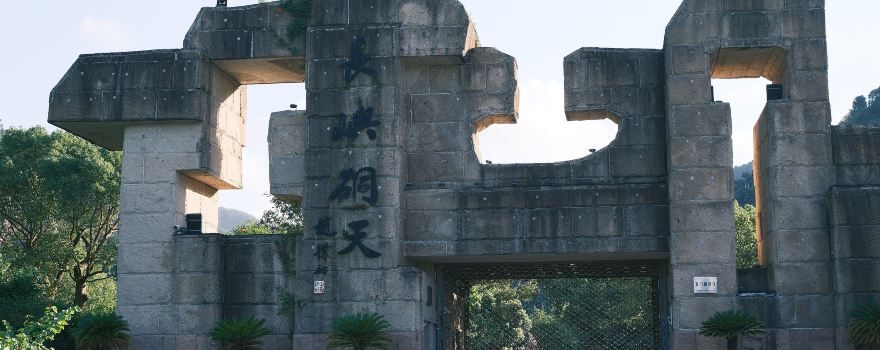
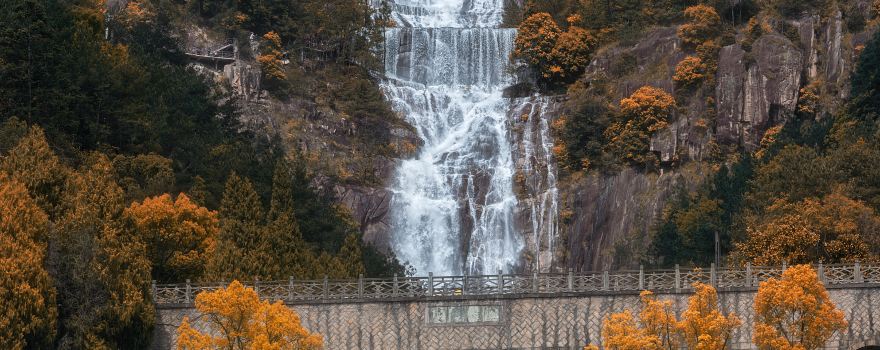
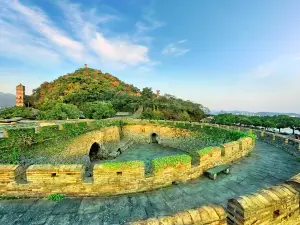
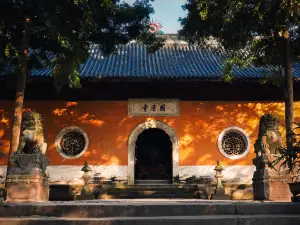
Taizhou, known for its unique landscapes and rich history, offers diverse attractions such as the steep mountains of Shenxianju, the historical Changyu Dongtian National Mineral Mountain Park, scenic Dachen Island, culturally-infused Tiantai Mountain, and the historic Taizhou City Wall Culture &Tourism Area, each blending natural beauty with cultural significance. Shenxianju in Taizhou is famed for its steep, uniquely shaped mountains and over 60 scenic spots like General Rock, Sleeping Beauty, and Elephant Trunk. This area not only captivates with its natural beauty but also with its deep historical roots tracing back to the Song Dynasty, empowered by the majestic tales of Li Bai. Visitors can immerse themselves in this picturesque landscape packed with imposing cliffs, waterfalls, and culturally significant rock formations. Changyu Dongtian National Mineral Mountain Park in Taizhou is renowned for its large, historical quarries where stone was extracted for use in sculptures and ornaments. Visitors today can explore these extensive caverns, learn about the traditional quarrying techniques, and enjoy photography, capturing its unique geological and historical features. Dachen Island, also known as the pearl of the East China Sea, is a scenic destination located off the coast of Taizhou. Consisting of 29 small islets, the area collectively spans an area of 14.6 square kilometers and offers visitors a range of captivating natural features. Tourists can explore magnificent marine erosion landforms, visit the mysterious religious temple of the sea god, and immerse themselves in the beauty of rare sea plant landscapes. The island, steeped in historical significance, was once administered by the Republic of China before the People's Liberation Army took over after the First Taiwan Strait Crisis. This tumultuous history adds a layer of cultural resonance to the visitor experience. Tiantai Mountain in Taizhou is famed for its scenic and cultural highlights such as Guoqing Temple, Shiliang Waterfall, and Huading Peak. Guoqing Temple is significant as a hub for Tiantai Buddhism, rich in history, with expansive architecture featuring over 800 rooms. Shiliang Waterfall offers dramatic nature scenes, especially the thrilling crossing over its narrow stone beam. Huading Peak provides exceptional sunrise views, enveloped often in a mystical layer of clouds. In Taizhou City Wall Culture &Tourism Area, the spotlight is on its historic Southern Great Wall, providing a glimpse into China's rich defensive history similar to Badaling in Beijing. The zone also includes a museum focusing on the wall's history and Ziyang Street, where visitors can experience local culture through food and handmade crafts. This combination of historical exploration and cultural immersion forms the core appeal of the area.
Taizhou Food Guide
Taizhou cuisine is renowned for its fresh seafood and unique traditional snacks. Highlights include the succulent Sanmen green crabs, versatile dumplings (Bianshi) in multiple cooking styles, generously filled Flat cake rolls with a delightful texture, and chewy wheat prawns (Maixia), all of which are favorites among both locals and visitors. The Taizhou Region is renowned for its Giant Mud Crabs, particularly the Sanmen variety, favored for its origin in the advantageous Sanmen Bay. These premium crabs, fresh and plump with a rich, creamy texture, are a sought-after delicacy by gastronomes. While various cooking methods exist in Taizhou, steaming is preferred to maintain the crab’s authentic taste. This method highlights the sweet, delicate flesh and the luxurious, buttery roe, offering an irresistible treat that captivates all who try it. Dumplings (Bianshi), a quintessential traditional snack from Taizhou, are especially renowned in its Tiantai region. One distinctive aspect of these dumplings is the use of pre-cooked fillings, which are adaptively crafted using a choice of seasonal ingredients. The dumplings are crafted from square dough wrappers, resulting in a fuller form compared to wontons. They can be prepared by various methods including steaming, boiling, frying, or pan-frying, ensuring a delightful experience for every palate. In Taizhou, 'Flat cake rolls' are known by several names, including 'wheat flat cake rolls', 'tin cakes', 'wheat fat', or 'twisted flat cake rolls'. Different areas have their unique methods of preparation. These rolls are renowned for their thin yet resilient dough, which wraps around a selection of the finest seasonal ingredients. Depending on personal preference, you can choose from a range of fillings to tuck inside the rolls. The combination of crisp vegetables with rich seafood and eggs offers a truly delightful culinary surprise. Shrimp in barley soup (Maixia) is a celebrated delicacy in Taizhou, particularly in its Linhai region. In its preparation, the chef uses a kitchen knife to slice pre-made flour batter into strips from the edge of a large bowl into the pot. It emerges from the pot resembling the shape of a curved shrimp, thus earning its name. This dish is typically served with large shrimp, shiitake mushrooms, shredded radish, and bamboo shoot strips, offering a chewy bite and a thick, velvety broth.
Taizhou Transportation
Taizhou is accessible via Taizhou Luqiao Airport (HYN) for domestic flights, high-speed trains to Taizhou Railway Station, or buses for regional travel. Most international travelers arrive via nearby Hangzhou or Ningbo airports, then transfer. By Air: Taizhou Luqiao Airport (HYN): Located about 12 km (8 miles) southeast of Jiaojiang district (Taizhou’s urban center), the airport primarily serves domestic routes, with direct flights from major Chinese cities including Beijing, Shanghai, Guangzhou, Shenzhen, and Chengdu. To the City Center: - Airport Shuttle Bus: The airport offers shuttle services that connect passengers to important locations in downtown Taizhou. You can find the designated shuttle bus stop and ticket counter just outside the arrivals hall—look for the signs. Please note that there is limited luggage space on the shuttles, and they can become crowded during peak times. Main Routes (Please confirm the latest schedule and route information upon arrival): To Jiaojiang: The shuttle either terminates at the Taizhou Central Bus Station in Jiaojiang or makes stops at key downtown locations, such as the City Government and Xingxing Square. To Huangyan: The shuttle either terminates at the Huangyan Bus Center or stops at key downtown locations. Approximately ¥10-20. The shuttle services align with flight schedules but do not operate 24/7, so be sure to verify the details when you arrive. - Public Bus (Cheapest but Least Convenient): Public buses stop near the airport exit, but you will need to walk a short distance to reach them. Generally, the best route is to take a bus to the Luqiao transit hub, which includes destinations like Taizhou South Bus Station or Luqiao South Station. From there, you can transfer to buses heading to Jiaojiang (such as Bus 903 or 126) or Huangyan (such as Bus 902). Keep in mind that with transfers and waiting times, the journey can take over 1.5 hours. It can be particularly challenging if you have large bags. The fare typically ranges from ¥2 to ¥6 per segment, depending on whether it is a flat rate or a distance-based rate. This option is best for travelers who are familiar with the routes, have minimal luggage, and can afford ample time for the journey. If you’re carrying luggage, are short on time, or are not well-acquainted with the local buses, consider alternative transportation options. - Taxi (Most Convenient & Fastest): Designated taxi queue is located outside the arrivals hall exit. The fare ranges from ¥30 to ¥70, taking 20 to 45 minutes depending on traffic and destination. Cash, WeChat Pay, and Alipay are accepted. - Ride-Hailing Services: Designated ride-hailing parking/waiting zones (follow airport signs or app instructions). Do not use the taxi queue area. Fare estimate shown in app; often slightly cheaper than taxis. By Train: Taizhou Railway Station: Located in Huangyan District, this is one of the main railway stations in the city. It is approximately 12 km (8 miles) from the city center. The station serves high-speed rail routes (G-series and D-series) that connect Taizhou with major cities, including Shanghai (with a journey time of as low as 2.5 hours), Hangzhou (1.5 to 2 hours), and Shenzhen. A taxi ride from the station to downtown takes about 15 minutes and costs approximately 25 RMB. Taizhou West Railway Station, situated in the Huangyan District, is the largest railway station in the city. It connects Taizhou to numerous cities through high-speed rail, including direct services to Hangzhou. Since the station is located further from the city center, a taxi ride to downtown is more expensive, costing approximately 60 RMB for a 35-minute journey. By Bus: For travelers coming from nearby cities, long-distance buses are an affordable option. Jiaojiang Bus Station serves regional routes from Hangzhou, Ningbo, and Shanghai. Buses are budget-friendly; however, they are less foreigner-friendly and may be difficult to navigate without knowing the language. Taizhou’s Jiaojiang district is walkable for markets and riverside areas, but attractions like Shenxianju Scenic Area or Tiantai Mountain require buses, taxis, or Didi. The Taizhou Tong Card is a rechargeable smart card offering discounted fares on all public buses across Taizhou’s districts. You need to pay a ¥20 deposit (refundable if returned) plus an initial top-up of ¥50–100. Buy it at major bus stations (e.g., Taizhou Central Bus Station in Jiaojiang, Huangyan Bus Center, or Luqiao South Station) or select convenience stores (like Century Mart). To use, simply tap the card on the electronic validator when boarding the bus—no need to tap again when exiting. Note: It does not work for taxis, ride-hailing, or trains. Buses: The bus network is extensive, covering all districts, including Jiaojiang, Huangyan, and Luqiao. However, navigating the routes can be challenging since the bus stops are not labeled in English. You can use apps like Amaps to help with navigation. There are three types of buses available: regular buses (fares range from ¥2 to ¥6), rapid buses (similar to BRT lines, with slightly higher fares), and night buses (which have limited routes). During peak hours, buses typically arrive every 10 to 20 minutes, while off-peak times may see intervals of 20 to 40 minutes. Service is less frequent in suburban areas. Taxis have a metered fare system, with short rides costing between CNY 10 and CNY 30. There is a night surcharge of 20% from 10 PM to 5 AM. You can hail a taxi or book one via Didi, accommodating up to 4 passengers. Ride-Shares: book via the Didi Chuxing app, slightly cheaper than taxis, cashless/cash. Surge during peak times; English interface. Bike rentals are available through Meituan (yellow) and HelloBike (blue) apps (Meituan and Alipay). Scan the QR code to unlock the bike, and when you're done, park it in a designated area and complete the ride in the app.
Taizhou Where to Stay
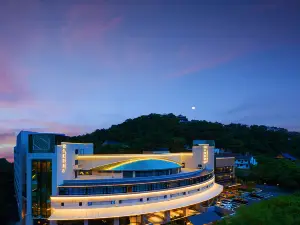
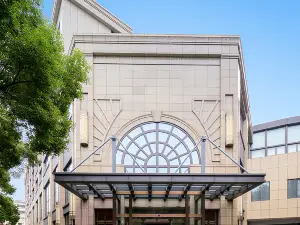
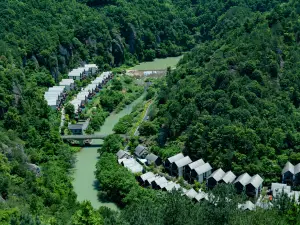
Taizhou is a city rich in cultural heritage and natural beauty, making it a captivating destination for travelers. The city features a variety of accommodations spread across several districts and neighborhoods, each offering unique experiences and surroundings. Key areas for lodging include Jiaojiang District, Ziyang Street, and Shenxianju, each providing distinct atmospheres and easy access to local attractions, shopping, and dining. Jiaojiang District, as Taizhou's central area, is characterized by its extensive connectivity and vibrant urban environment. It offers convenient transport links, including proximity to Taizhou Railway Station and bus routes that facilitate easy exploration of Taizhou. The district is ideal for travelers interested in experiencing the city's modern amenities and busy lifestyle. It hosts a variety of cultural sites such as the Taizhou Museum and is close to several shopping and dining options, providing a cosmopolitan experience right at the heart of Taizhou. Travelers choosing to stay here will find that it offers both convenience for travel and a pulse on the local contemporary culture. Ziyang Street is celebrated for its rich history and preservation of ancient architectural styles. Known as "Zhejiang's No.1 Ancient Street," it provides an evocative backdrop for visitors interested in historical exploration and cultural immersion. The street hosts numerous heritage sites, with traditional buildings and local shops that offer a glimpse into the region’s past. Accommodations around this area usually echo the historic charm, making it a perfect stay for travelers who wish to step back in time and explore the culture embedded in the city’s legacy. This spot is perfect for a deeper, reflective experience of Taizhou's history and culture. Located in Xianju County, Shenxianju is celebrated for its exceptional natural landscapes. The Shenxianju Scenic Area offers a retreat into nature with its stunning mountain peaks, clear rivers, and abundant greenery, perfect for visitors seeking tranquility or adventure. The locality is slightly more disconnected from the urban bustle, making it ideal for those looking to relax amidst nature. Accommodations here are geared towards enhancing the natural experience, providing peaceful stays with scenic views.
Taizhou Best Time to Visit
The best times to visit Taizhou are in spring (March to May) and autumn (September to November). Spring offers a mild climate and beautiful cherry blossoms, making it perfect for exploring the city’s natural beauty. The vibrant rape blossoms in March also attract visitors to the Qianduo rape flower field. Autumn features similarly mild weather, allowing tourists to enjoy attractions like Tiantai Mountain and the Southern Great Wall of China in Linhai without the extremes of summer heat or winter cold.
Taizhou Useful Guide
Mandarin Chinese is the primary language. English is limited, spoken in hotels and major sites, but rare in markets or rural areas. Bilingual signs at attractions; use translation apps for communication. WeChat: China’s all-in-one app for messaging, social media, and digital payments. English interface available. Alipay: A leading payment app for cashless transactions at restaurants, shops, and public transport. Its “Transport” feature supports metro and taxi payments. English version available. DiDi: China’s top ride-hailing app, offering taxi and private car services with an English interface. Integrates with Alipay or WeChat for seamless payments. Baidu Maps: The most reliable navigation app in China, offering detailed maps, real-time traffic, and transit routes for metro and buses. Superior to Google Maps for local accuracy. Alternative: Amaps app. Youdao Dictionary: A Chinese-English dictionary and translation app, perfect for communicating with non-English-speaking taxi drivers or reading menus. Includes offline OCR for scanning signs. Staying connected in Taizhou is essential for navigation, payments, and communication, given China’s reliance on mobile apps and limited access to some Western services. eSIMs: eSIMs are a convenient option for travelers, enabling instant activation without the need for a physical SIM card. Purchase online before your trip; activate upon arrival. Ensure your device supports eSIM. Local SIM Cards: Local SIMs from providers like China Mobile, China Telecom, or China Unicom offer reliable 4G/5G coverage in Taizhou. Available at airports or official provider shops. Present your passport at the time of purchase; airport staff can assist with setup. China Unicom often has better English support. Wi-Fi: available in hotels, hostels, and some cafes (e.g., Starbucks) but less common in public spaces like parks or streets. Many Wi-Fi networks require a Chinese phone number for SMS verification. The official currency is the Chinese Yuan (CNY, ¥), also known as Renminbi (RMB). Notes come in denominations of ¥1, ¥5, ¥10, ¥20, ¥50, and ¥100; coins are available in denominations of ¥0.1, ¥0.5, and ¥1. Digital Payments: Taizhou is largely a cashless city, with mobile apps dominating transactions. WeChat Pay and Alipay are widely accepted. Link a foreign bank card (Visa/Mastercard) to WeChat or Alipay before arrival. Cash: Cash is rarely needed but can be useful for small vendors (e.g., street food stalls), single-ride tickets on public transportation, or in rural areas. Carry small denominations (¥1–20) for convenience. Credit/Debit Cards: Visa and Mastercard are accepted at major hotels, upscale restaurants, and some retailers in Chengdu, but are less common at smaller venues. American Express is rarely accepted. Notify your bank of travel plans to avoid card blocks. ATMs and Cash Withdrawals: ATMs accepting foreign cards (Visa/Mastercard) are widely available at banks, airports, and shopping areas. Most offer English interfaces. Look for PLUS (Visa) or Cirrus (Mastercard) logos. American Express is rarely accepted, except at select ATMs in airports or high-end hotels. Fees: ¥10–15 per withdrawal (some banks waive for partners). Home bank fees: ~3% + $5 (check your issuer). Currency conversion fee: 1–3% (Visa/Mastercard rate). Reliable Banks: Bank of China, ICBC, China Construction Bank, HSBC China.
Trip.Best: Taizhou




Plan Your Taizhou Trip
What to do







Where to stay


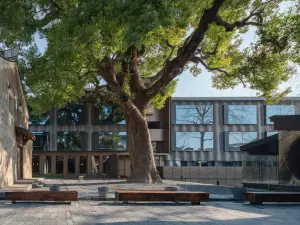

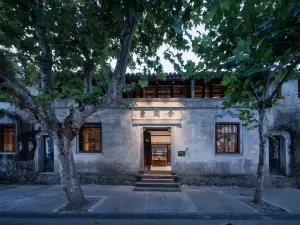


What to eat



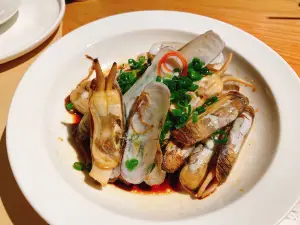




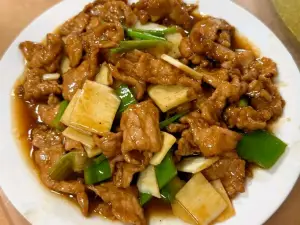



Taizhou Moments: Through Travelers' Eyes

Shitang Autumn Island | N things to get into the autumn mood

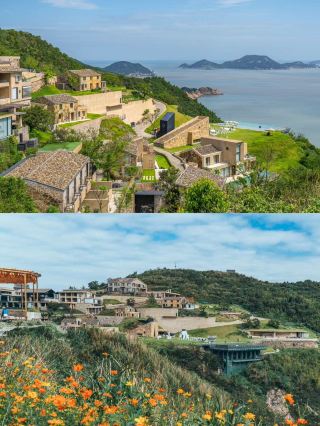
Halloween Villa Rental | Take your team-building party to a seaside stone house

Taizhou! Shitang, Wenling! Found a stunning seaside courtyard homestay. Stay here when you visit Taizhou...


Shenxianju 1-day easy trip! Use the double cable car to explore the hanging peaks

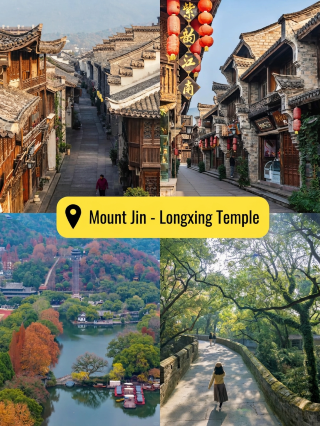
After exploring the Jiangsu-Zhejiang-Shanghai region, I've found my favorite travel city!

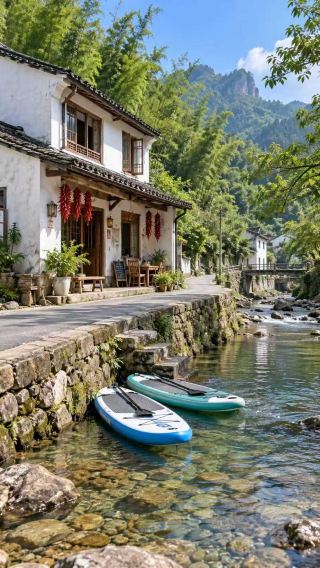
23°C Xianju: The ultimate spot for kids! Stay at a creekside cottage and step right into jelly-like water

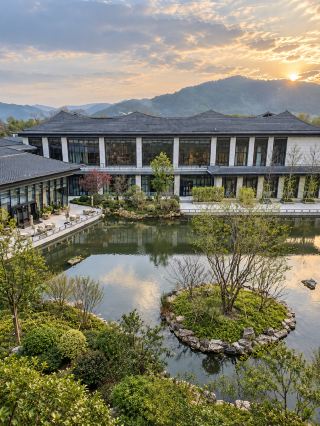
This is the meaning of staying in a luxury five-star garden hotel. Address: Pullman Taizhou Xianju, Xianju, Taizhou, Zhejiang. Key highlights: 1.


Wenling's stone houses are legendary! Stay in a seaside stone courtyard nestled between the mountains and the sea.

Best of Taizhou
Top 20 4-Star Select Hotels in Taizhou




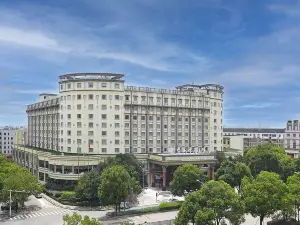

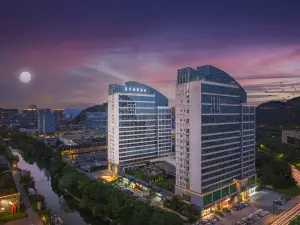
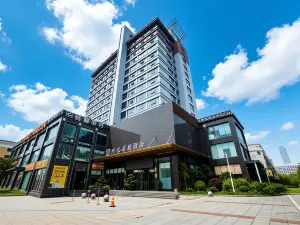

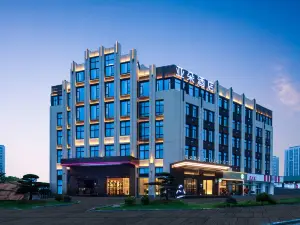


Popular Luxury Hotels Near Taizhou




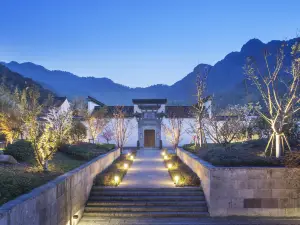


Popular Family Hotels Near Taizhou



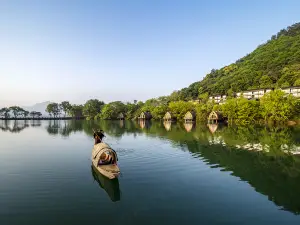



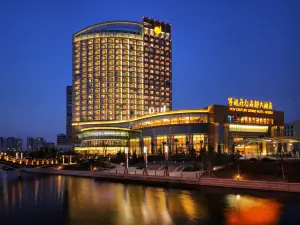



Popular Best Things to Do Near Taizhou


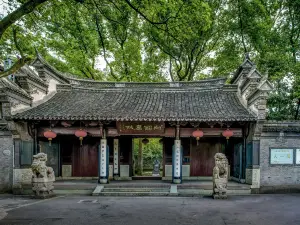


Popular Scenic Hotels Near Taizhou
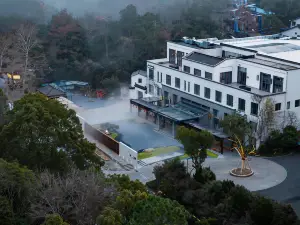


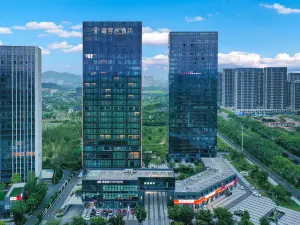
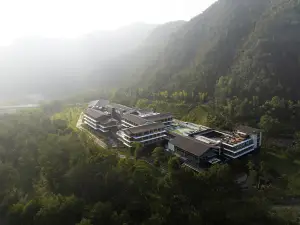



Popular Family-friendly Attractions Near Taizhou








Popular Cultural Hotels Near Taizhou





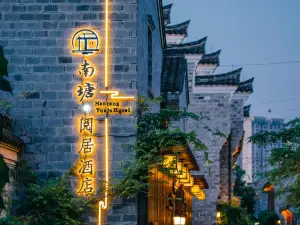
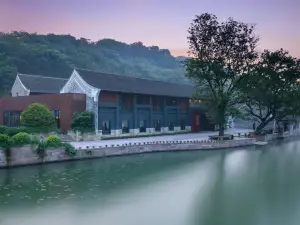
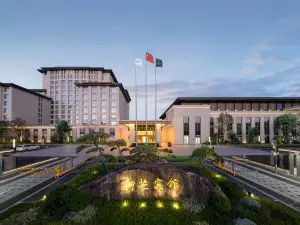

Popular Fall Viewing Attractions Near Taizhou


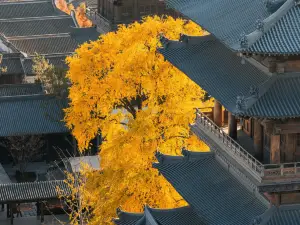


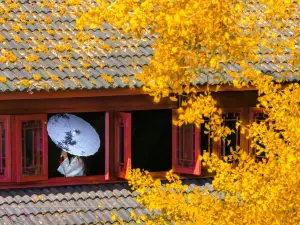





Popular Instagrammable Hotels Near Taizhou

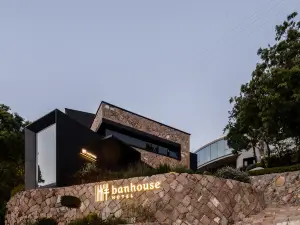


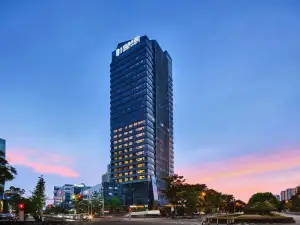
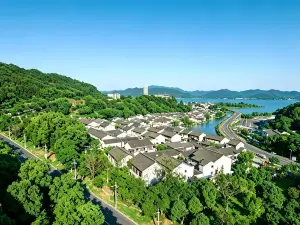
Popular Ski Resorts Near Taizhou






Other recommended cities

Hangzhou
Shanghai
Chengdu