
Ningbo Travel Guide 2026: Top Attractions, Local Food & Travel Tips | Trip.com
About Ningbo
Recommended trip: 2–3 day(s)
Recommended trip: 2–3 day(s)Current weather conditions
 14°C
Ningbo Local Experiences Map









Trending in Ningbo
Ningbo Local Travel Guide 2026
Ningbo Brief Guide
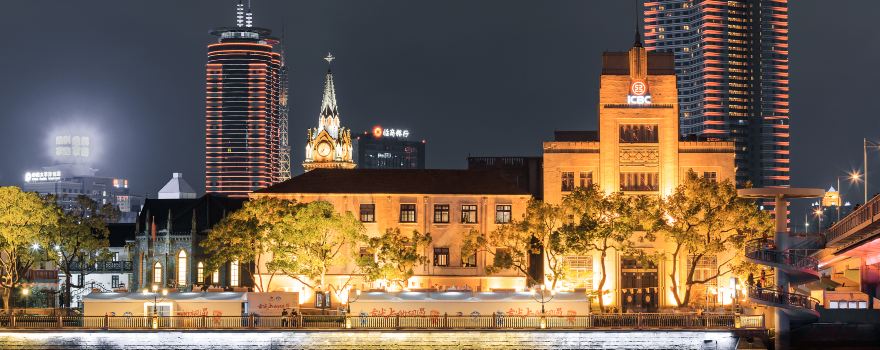
Ningbo was once a prosperous port city. You can go to the Old Bund of Ningbo to see a view of Sanjiang by night, with a combination of various Chinese and Western architectural styles on the riverbanks and the feeling of stepping into an older time. In Tianyi Pavilion you'll find one of the great collections of books in China. It has garnered its reputation over the centuries and is a must-see place when visiting Ningbo. There are various kinds of books, manuscripts, and documents on the wooden bookshelves.Former Residence of Chiang Kai-shek is not only famous as the hometown of Chiang Kai-shek but also has a beautiful natural landscape. It is located in the vicinity of Xuedou Mountain's many waterfalls near the beautiful Tingxia Lake. There are many fine delicacies in Ningbo. At the Chenghuang Temple Snack Market or Tianyi Square, you can try Ningbo dumplings and cuisine, or you can go to Baisha Market or Baisha Wharf to have seafood at the open-air stalls.
Ningbo Must-try local experiences
1. Explore the Cultural Gems of Ningbo Visit Tian Yi Ge Museum, one of the oldest private libraries in China, and Ningbo Museum, an architectural marvel showcasing the city's history and culture. 2. Discover the Charm of Water Towns Explore the ancient canals, stone bridges, and traditional architecture of Cichengzhen, known for its well-preserved Ming and Qing dynasty buildings. 3. Stroll Around Dongqian Lake Enjoy the serene beauty of Dongqian Lake, one of the largest freshwater lake in Zhejiang Province, perfect for boating, hiking, and picturesque scenery. 4. Visit Baoguo Temple Experience the tranquility of Baoguo Temple, one of the oldest wooden structures in Southern China, and admire its intricate carvings and serene surroundings. 5. Walk Along the The Old Bund Take a leisurely walk along the Lao Wai Tan, Ningbo's historic waterfront area, and enjoy the blend of ancient architecture and modern developments. 6. Immerse in Ningbo’s Cultural Heritage Attend a Ningbo Opera performance and learn the intricate art of traditional Ningbo embroidery through a hands-on workshop. 7. Visit the Ningbo Cultural Plaza Explore the Ningbo Cultural Plaza, a hub for cultural activities, including art exhibitions, theater performances, and cultural festivals. 8. Sample the Flavors of Ningbo Cuisine Indulge in Ningbo's culinary scene, known for fresh seafood and savory dishes like Ningbo Tangyuan and seafood delicacies. 9. Shop for Souvenirs and Local Products Explore Tianyi Square, a shopper's paradise with local handicrafts, souvenirs, and unique treasures. 10. Explore Nantang Street Wander through Nantang Street, a historic area with traditional architecture, local shops, and street food vendors. 11. Capture Ningbo's Highlights Photograph the skyline from Ningbo Tower, the serene Moon Lake Park, the illuminated Ningbo Grand Theatre, and the vibrant landscapes of Ningbo Botanical Garden. 12. Relax at Dongqian Lake Hot Springs Unwind at Dongqian Lake Hot Springs, soaking in natural hot spring waters and enjoying the serene surroundings. 13. Take a Ningbo Night Cruise Experience Ningbo from a different perspective with a night cruise along the city's rivers, offering beautiful views of illuminated landmarks. 14. Explore the Ningbo Wildlife Park Visit the Ningbo Wildlife Park to see a variety of animals, including rare and endangered species, for a fun day out.
Ningbo Must-see Attractions
Ningbo is a culturally rich and diverse city featuring Asia's oldest private library at Tianyi Pavilion Museum, the natural and historical allure of Xikou-Tengtou Scenic Area, the high-tech entertainment of Romon U-Park, the historic and vibrant Old Bund waterfront, and the traditional Chinese Fishing Village, offering visitors a blend of ancient heritage and modern attractions. Tianyi Pavilion Museum, nestled beside Moon Lake in Ningbo, is celebrated for its historical significance as Asia's oldest private library and its extensive collection of rare books. The museum's serene gardens and traditional architecture are designed according to ancient Chinese principles, creating a harmonious environment. Visitors can immerse themselves in the rich cultural heritage of Ningbo through the museum's Book Collection Cultural Area, Garden Leisure Area, and Exhibition Area. Xikou-Tengtou Scenic Spot, a blend of natural beauty and historical significance, is highlighted by Xuedou Mountain's ancient Xuedou Temple and scenic waterfalls. As Chiang Kai-shek's birthplace, it offers a deep dive into historical narratives. Tengtou Village adds a touch of rural charm, allowing visitors to immerse themselves in traditional village life. The area's commitment to modernity is evident in its smart digital facilities, ensuring a seamless tourist experience. Romon U-Park stands out with its themed zones and advanced multimedia shows like "The Source of Light" and "The Story of Zheng He," which feature cutting-edge effects including video projection and lasers. The park's monorail offers a unique vantage point to view its expansive indoor and outdoor areas, enhancing the visitor experience. The Old Bund in Ningbo is a historic waterfront district that combines Ningbo's rich trading history with contemporary leisure and entertainment. European-style buildings, once the domain of foreign merchants, now host a lively mix of bars, cafes, and restaurants, creating a unique atmosphere that reflects the city's cultural fusion. By day, it's a serene spot for riverside walks and photography; by night, it transforms into a dynamic hub for nightlife, attracting locals and tourists alike. At the Chinese Fishing Village in Ningbo, visitors can delve into the rich fishing culture and enjoy the scenic seaside environment. The attraction features a blend of cultural experiences, such as learning about traditional fishing methods and participating in local customs, alongside natural beauty with its beaches and harbor views. The village's architecture and streets offer a glimpse into the historical lifestyle of the area, and the annual Fishing Season Festival presents a vibrant, camera-worthy event.
Ningbo Food Guide
The cuisine of Ningbo is predominantly seafood-focused, skillfully blended with unique ingredients and sophisticated cooking methods. The result is a variety of dishes with rich flavors and diverse textures, such as red paste fried crab and yellow croaker wrapped in tofu skin. These dishes, ranging from traditional recipes to local street food, showcase the deep culinary heritage of Ningbo. Crab fried rice cake, a renowned dish from Ningbo, is crafted with ingredients such as swimmer crab, rice cake, and spring onions, and seasoned with yellow wine and white sugar. The dish masterfully combines the tender chewiness of the rice cake with the succulent swimmer crab, resulting in a richly layered taste that strikes an impeccable balance between freshness and saltiness. The stir-fried red crab is a classic cold dish from Ningbo, essential in every home during the Chinese New Year celebration. The recipe calls for female crabs caught in winter filled with rich red roe. The crab meat is tender, smooth, and delightfully savory. Seafood xiaolongbao stands among the top ten celebrated snacks of Ningbo. Featuring a delicate and soft outer layer, it is generously stuffed with a savory and rich filling. The flavors are fresh and tantalizing, with an oily yet non-greasy texture. Enhancing its taste further, it can be savored with its accompanying broth or dipped in vinegar, making it irresistibly delectable. Yellow croaker wrapped in fried bean curd skin is a renowned dish from Ningbo with a century-long history. This delicacy consists of a large yellow croaker encased in tofu skin and deep-fried until crispy. The crispy exterior of the tofu skin perfectly complements the tender and juicy fish within, making it an excellent choice either as a complement to drinks or as a flavorful addition to any meal.
Ningbo Transportation
Ningbo's transportation network is well-developed, with Ningbo Lishe International Airport and Ningbo Railway Station being the primary hubs for intercity travel. Ningbo Lishe International Airport (NGB) is a significant air gateway located in Haishu District, approximately 12 kilometers from downtown Ningbo. It serves both domestic and international flights, connecting Ningbo to major cities such as Beijing, Shanghai, Guangzhou, and international destinations like Hong Kong, Seoul, and Macau. To reach the city center from the airport, travelers can take the Metro Line 2, which takes about 22 minutes, or opt for airport shuttle buses or taxis. Ningbo Railway Station, situated in Haishu District, is a major rail hub offering high-speed train services to cities such as Beijing, Shanghai, Hangzhou, and Guangzhou. The station has undergone significant reconstruction and now features a range of facilities for passengers. To get to the city from Ningbo Railway Station, passengers can use Metro Line 2 or city buses, providing efficient connectivity to various parts of Ningbo. Ningbo's metro system is a convenient way to navigate the city, with five lines currently in operation and plans to expand to eight lines by 2025-2030. Line 2 is particularly useful as it connects Lishe International Airport to Qingshuipu, passing through key locations such as Ningbo Railway Station and Drum Tower. The city bus network in Ningbo is complete with most fares ranging from CNY1 to CNY2, making it an affordable option for getting around. The buses run at intervals of 4 to 20 minutes, ensuring frequent service throughout the day.
Ningbo Where to Stay
Ningbo is a vibrant port city in Zhejiang Province, China, offering a diverse range of accommodation options for travelers. From the bustling city center to serene lakeside retreats, Ningbo's accommodation scene is as varied as its attractions. The Tianyi Square/Chenghuang Temple/Drum-Tower area is the historic heart of Ningbo, featuring cultural attractions such as the Tianyi Pavilion and the Drum Tower. This region is ideal for travelers interested in history and culture, offering easy access to shopping at Tianyi Square and a variety of dining options. The area is well-connected by public transport, with proximity to major attractions and the convenience of the Ningbo metro system. Visitors can enjoy a blend of traditional and modern Ningbo, with the Old Bund and Moon Lake also nearby, providing a scenic backdrop for leisurely strolls. Dongqian Lake Scenic Area, located southeast of Ningbo's city center, is known for its natural beauty and recreational activities. The area is perfect for outdoor enthusiasts, with opportunities for biking, boating, and hiking. Accommodations here cater to those seeking a tranquil environment, with several high-end resorts and hotels providing stunning lake views and a serene atmosphere Ningbo. Fenghua District, surrounded by sea and mountains. While not as central as other districts, Fenghua provides a unique experience for visitors interested in sports and outdoor activities, as well as those looking to explore Xuedou Mountain and enjoy the local scenery.
Ningbo Best Time to Visit
The best time to visit Ningbo is during the spring, from March to May, when the weather is warm and pleasant, and the countryside is beautifully adorned with blossoms. Another optimal period is the autumn season, from the end of September to the beginning of November, characterized by mild or pleasantly warm temperatures, offering an ideal climate for exploring the city and its surroundings. However, visitors should be aware of the possibility of typhoons during this time. However, Summer, particularly from April to September, is recommended for those looking to extend their trip to the Zhoushan Islands, where they can enjoy cooler seaside resorts and fresh seafood.
Ningbo Useful Guide
Ningbo, a port city in Zhejiang province, China, is predominantly Chinese-speaking with the local Ningbo dialect, a variation of Wu Chinese, being widely spoken. For travelers, basic Mandarin phrases are essential for communication, as multilingualism is not prevalent. Translation services and language apps can be helpful, and gestures or visual aids like maps can overcome language barriers. Engaging with the local dialect can enrich cultural experiences in Ningbo. Alipay: Widely used in China for transactions and convenient for public transportation and taxis by linking a Visa card. WeChat: Essential for communication, transactions, and serves as a digital wallet in China. Baidu Maps: Preferred map app in China due to its accurate, real-time navigation surpassing Google Maps. Didi Chuxing: Comparable to Uber, available for ride-hailing directly or through Alipay. MetroMan: Helpful for navigating subway systems efficiently across major Chinese cities. Mobile data packages for immigrants in China are available through local carriers such as China Mobile and Unicom. China Mobile offers prepaid data SIM cards with unlimited text messages and calls within China, and high-speed connections, sometimes even 5G. Unicom provides SIM cards with data packs that include unlimited music applications, and both do not require long-term contracts. Prices for eSIMs with unlimited data start at just $6 for China. Public WiFi in China is widely available in places like airports, restaurants, coffee shops, and malls. However, connecting to these networks often requires a Chinese phone number for text verification, which can be a challenge for travelers without a local SIM card. Global WiFi devices like Skyroam can be a convenient alternative, offering the ability to connect multiple devices and requiring no additional setup upon arrival in China. Ningbo experiences a subtropical monsoon climate, characterized by warm, moist weather and four distinct seasons. The city's average annual temperature is approximately 16℃ (61°F), with July being the hottest month and January the coldest. Rainfall is abundant, averaging around 1,500 millimeters (60 inches) per year, with a significant portion occurring during the summer months. Typhoons can affect Ningbo from June to early November. When visiting Ningbo, it is advisable to pack clothing suitable for a range of temperatures and to be prepared for rain, especially if traveling during the rainy season. Lightweight, breathable attire is recommended for the hot and muggy summers, while layers are essential for the cooler winters. Always carry an umbrella or rain gear, and consider sun protection due to the moderate amount of sunshine. In the event of a typhoon, stay informed about local weather updates and follow any safety instructions provided by authorities. It is also wise to have an emergency kit with essentials in case of extreme weather conditions. In Ningbo, mobile payments via Alipay and WeChat Pay are prevalent and convenient for foreign tourists. Alipay and WeChat Pay can be used for a range of services, including inter-city train travel between Shaoxing and Ningbo. The e-CNY app also offers a "recharge before use" feature, allowing foreigners to top up their digital wallets using Visa and Mastercard. When using mobile payments, be mindful of any transaction limits or fees that may apply. For cash transactions, carrying local currency is recommended, and for service payments, ensure to follow the specific payment steps provided by the institution or service provider. Always verify the payment recipient to avoid fraud, especially when dealing with bank transfers or email communications.
Trip.Best: Ningbo






Plan Your Ningbo Trip
What to do





Where to stay


What to eat






Ningbo Moments: Through Travelers' Eyes
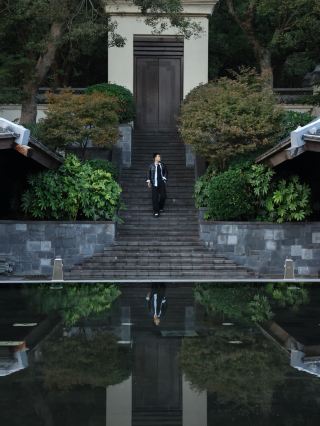
Ningbo Park Hyatt Staycation: Class is Permanent.


🌊🏯 Explore Ningbo: Must-See Attractions, Local Food & Where to Stay! 🇨🇳✨


Siming Mountain! An autumn palette—worth a visit


Ningbo | Hidden in the Eastern New City! Golden yellow flowers under the city's skyscrapers – perfect for photos! On one side are the modern high-rises of the Eastern New City, and on the other are golden flowers swaying in the wind.

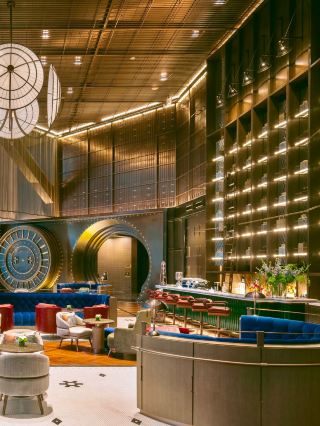
This hotel captures the spirit of a century-old merchant legacy


A hidden, healing, and uncrowded seaside gem in Ninghai Bay! The ultimate niche seaside destination in the Jiangsu-Zhejiang-Shanghai region


Calling all travelers from Shanghai!


Stay in a Jiangnan art hotel straight out of a TV drama

Best of Ningbo
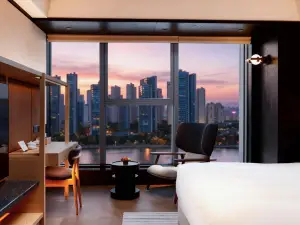
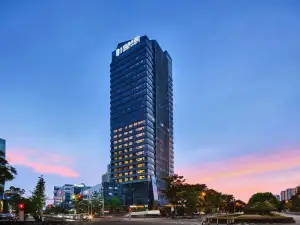
Top 20 Instagrammable Hotels in Ningbo








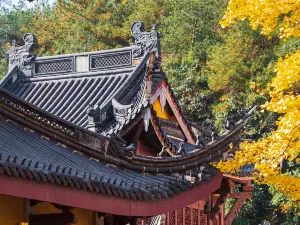
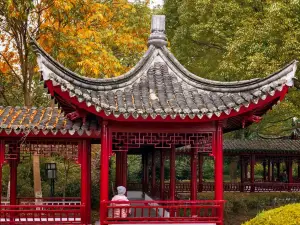
Top 20 Fall Viewing Attractions in Ningbo







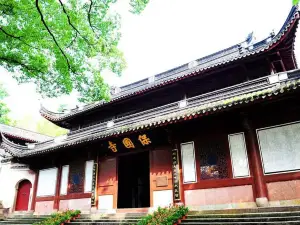

Top 20 Vacation Homes in Ningbo






Top 10 Gourmet Hotels in Ningbo



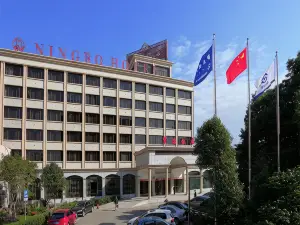


Top 20 Premium Hotels in Ningbo





Top 20 4-Star Select Hotels in Ningbo




Popular Best Things to Do Near Ningbo






Popular Family-friendly Attractions Near Ningbo









Popular Fall Viewing Attractions Near Ningbo












Popular Ski Resorts Near Ningbo







Other recommended cities

Hangzhou

Shanghai
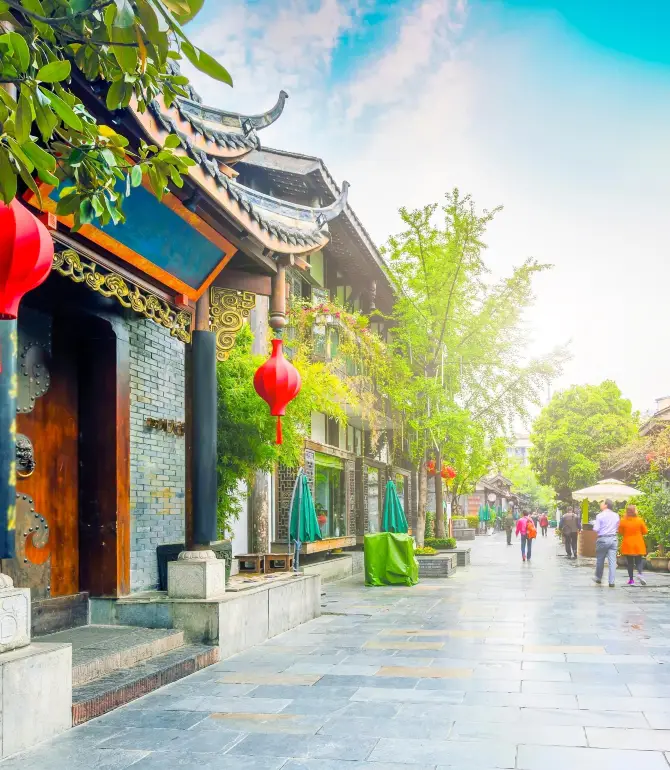
Chengdu