China High Speed Train Seat Map & Class Guide

Navigating China’s extensive rail network is straightforward with a clear understanding of train models, seat layouts, onboard amenities, and booking rules. Tailored for Canadian visitors, this guide breaks down all key details, and offers practical tips to pick the perfect train and seat for any trip in China.
To Shanghai
To Beijing
To Chongqing
See all flights


China Train Type Classification & Best Use Cases
China’s trains fall into two core categories: high-speed bullet trains and conventional regular trains. Each type features distinct speeds and travel scenarios to match short hops, long-distance journeys, and overnight trips.
Train Type | Maximum Speed | Ideal Travel Scenarios | Trip Example |
|---|---|---|---|
G (High-Speed Bullet) | 350km/h | Long-distance intercity travel with minimal travel time | Beijing to Shanghai |
D (High-Speed Bullet) | 250km/h | Medium-distance trips with balanced speed and accessibility | Shanghai to Hangzhou |
C (High-Speed Bullet) | Around 200km/h | Short suburban and adjacent city commutes | Beijing to Tianjin (30-minute ride) |
Z (Regular Express) | 160km/h | Long overnight trips with limited stops | Beijing to Guangzhou |
T/K (Regular Fast) | 120–140km/h | Budget-friendly long trips with frequent station stops | Cross-province short-budget travel |
Standard Seat & Sleeper Layouts
Seating configurations differ significantly between high-speed and conventional trains, with no middle seats in premium high-speed classes and bunk-style sleeping arrangements on regular overnight trains.
High-Speed Trains (G/D/C Models)
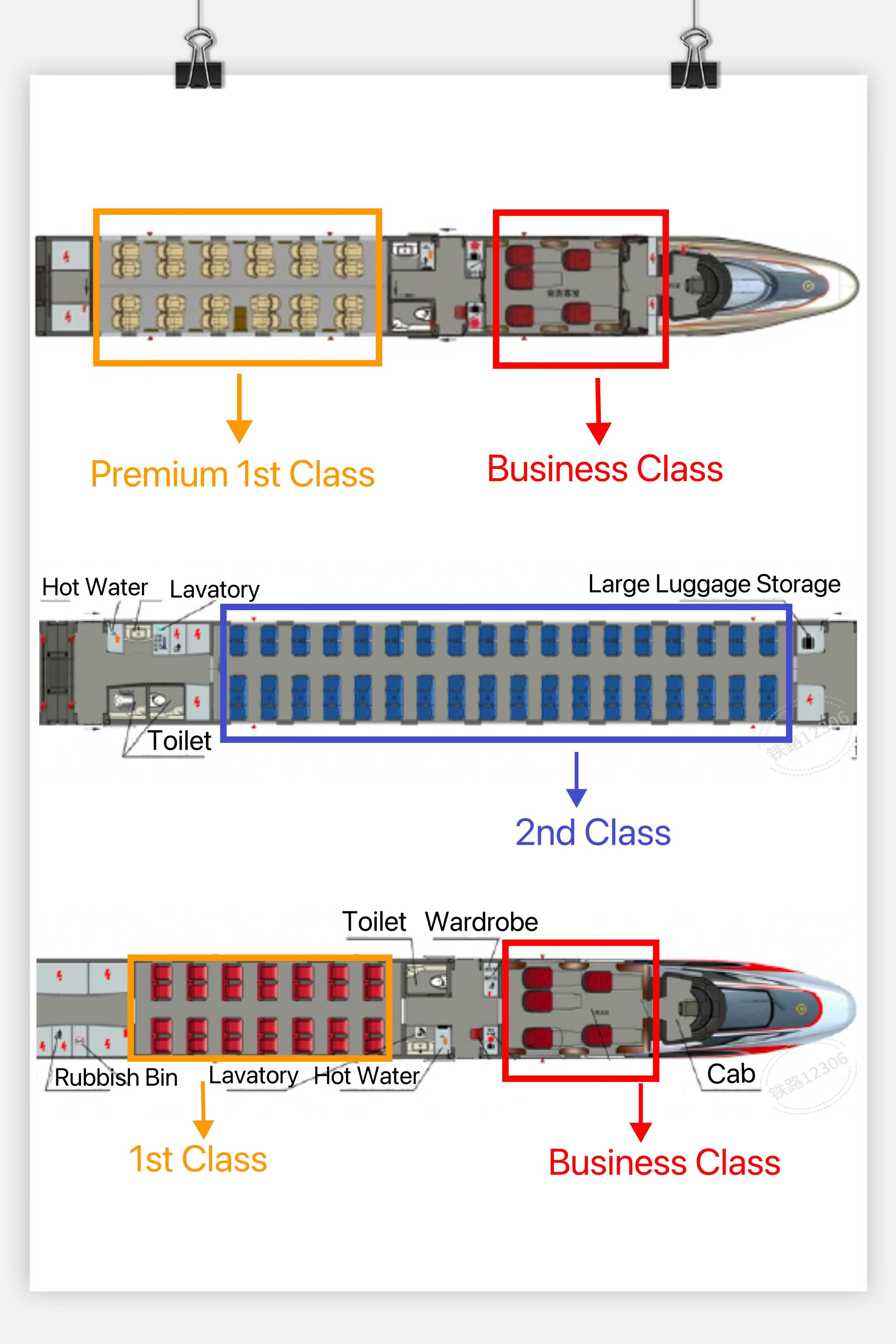
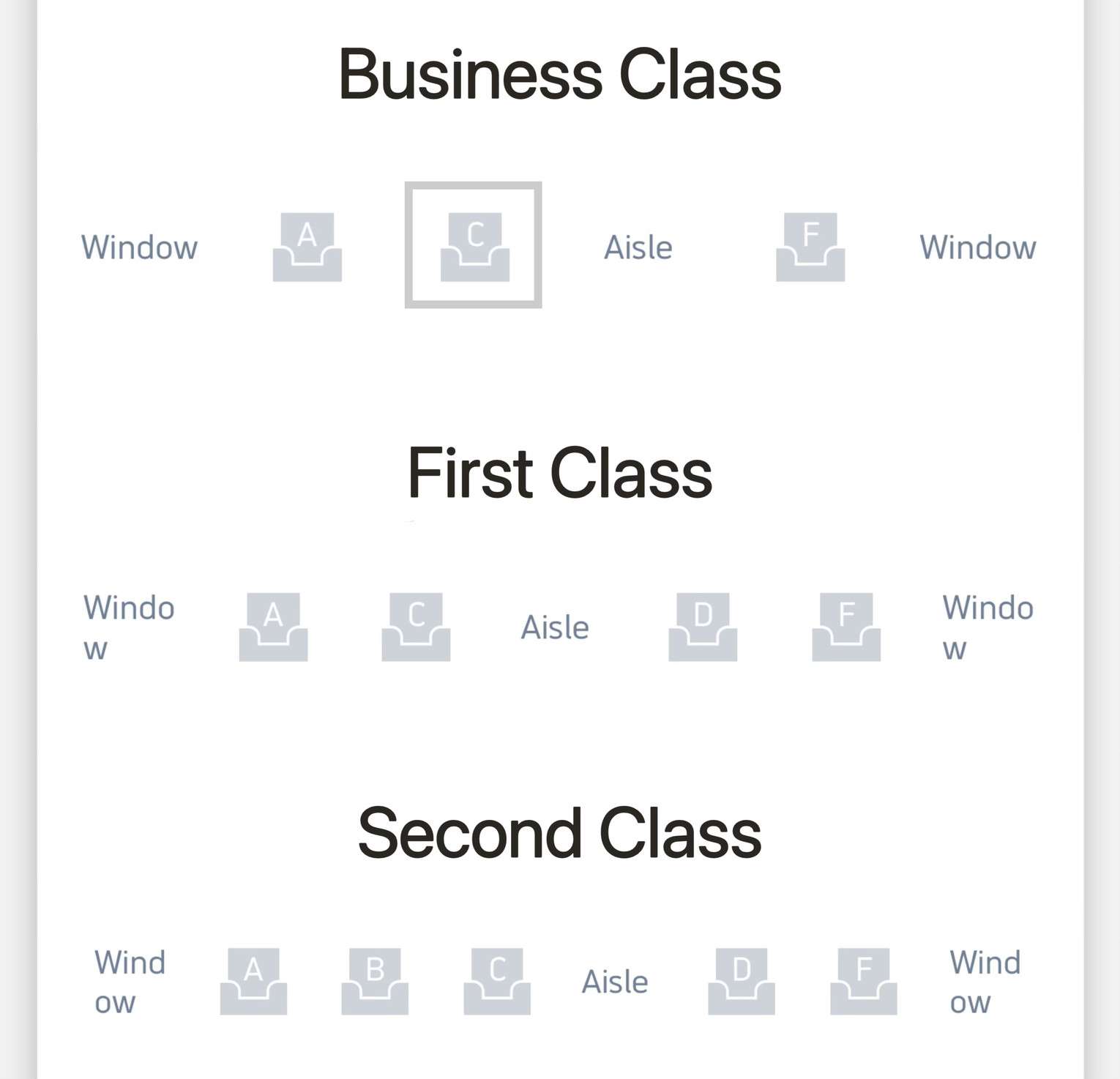
- Business Class (G trains only): 1–2 seats per row. One side of the aisle holds one seat, while the opposite side has two seats. Zero middle seats for maximum privacy and space.
- First Class (G/D/C trains): Symmetrical 2–2 seating layout across the aisle. No middle seats, ensuring unobstructed space for every passenger.
- Second Class (G/D/C trains): 3–2 row configuration. Three seats line one side of the aisle and two on the other. The middle seat in the three-seat cluster is marked as seat B.
Regular Trains (Z/T/K Models)
- Hard Sleeper: Open shared compartments with six bunks each. Three stacked bunks (upper, middle, lower) line both sides of the compartment, with no private doors.
- Soft Sleeper: Enclosed private compartments with four bunks total. Two upper and lower bunk pairs sit on either side, fitted with closing doors for improved privacy.
- Deluxe Soft Sleeper (Z trains only): Premium enclosed compartments with just two bunks (one upper, one lower). Each unit includes a private table and exclusive personal space.
China Train Seat Onboard Interior Experience by Seat Class
Each train seat class offers a distinct interior layout, amenity set and travel experience. Cabin quality varies greatly between high-speed and regular trains, as well as across premium, standard and budget tiers. Below is a clear breakdown of every available cabin type to help Canadian travelers pick the most suitable option based on comfort, space and travel needs.
Business Class (Exclusive to Select G Trains)
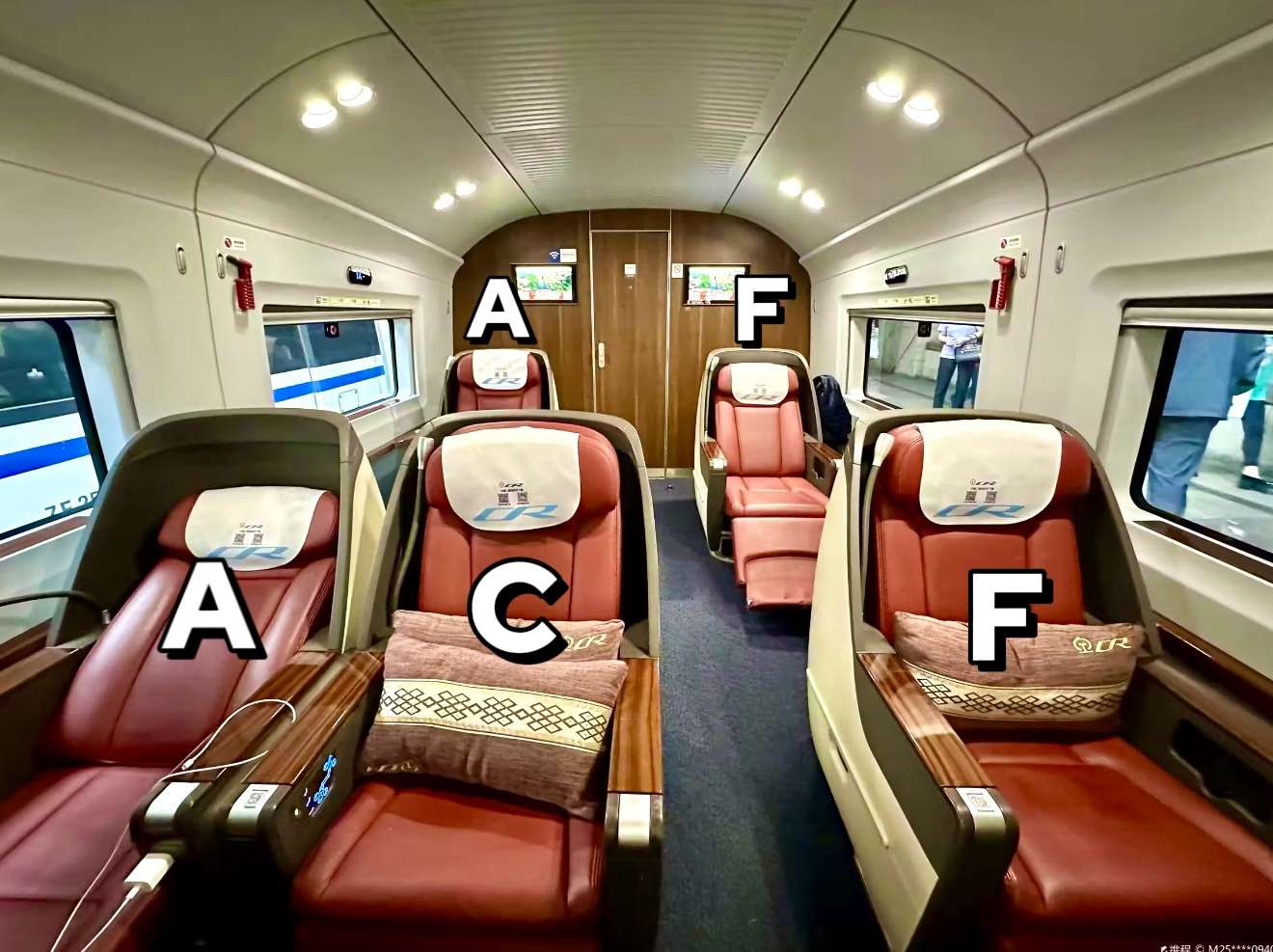
- Availability: Exclusive to select G-series high-speed trains (China’s top-tier train cabin).
- Layout & Space: Unique 1–2 aisle layout with fully reclining leather seats and extra legroom, no middle seats.
- Personal Amenities: Equipped with a large foldable table, independent power outlet and dedicated reading lamp per seat.
- Perks & Environment: Complimentary blankets and bottled water provided; small-capacity cabin guarantees a quiet and comfortable ride.
First Class (G/D/C Trains)
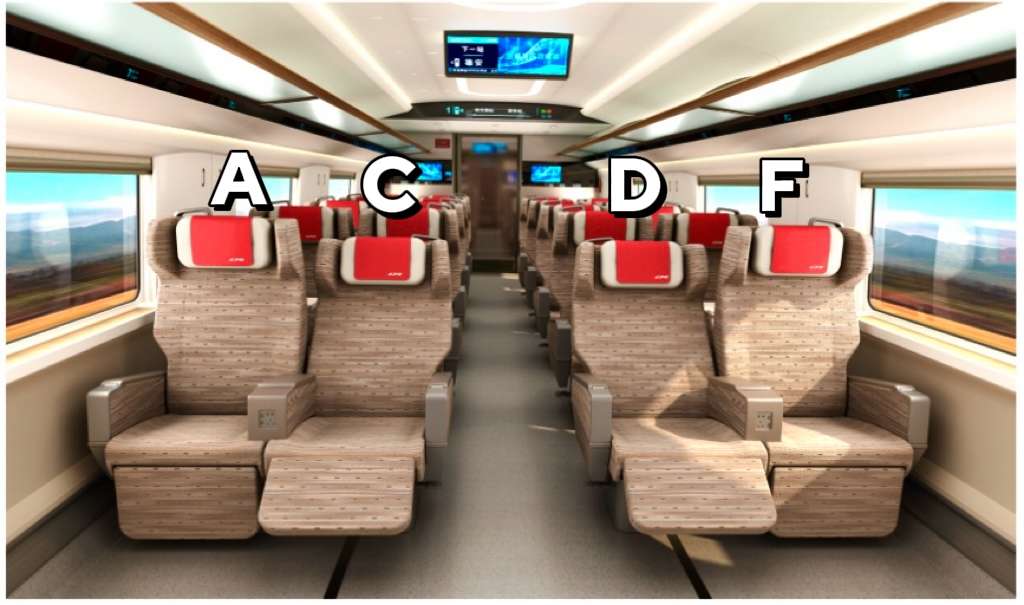
- Availability: Available on all G, D and C high-speed trains.
- Layout & Space: Spacious 2–2 seat layout with no middle seats; soft padding and adjustable recline.
- Personal Amenities: Equipped with private power sockets and individual foldable tables.
- Experience: Less crowded than second class, offering comfortable rides for long-distance travel with great value.
Second Class (All G/D/C Trains)
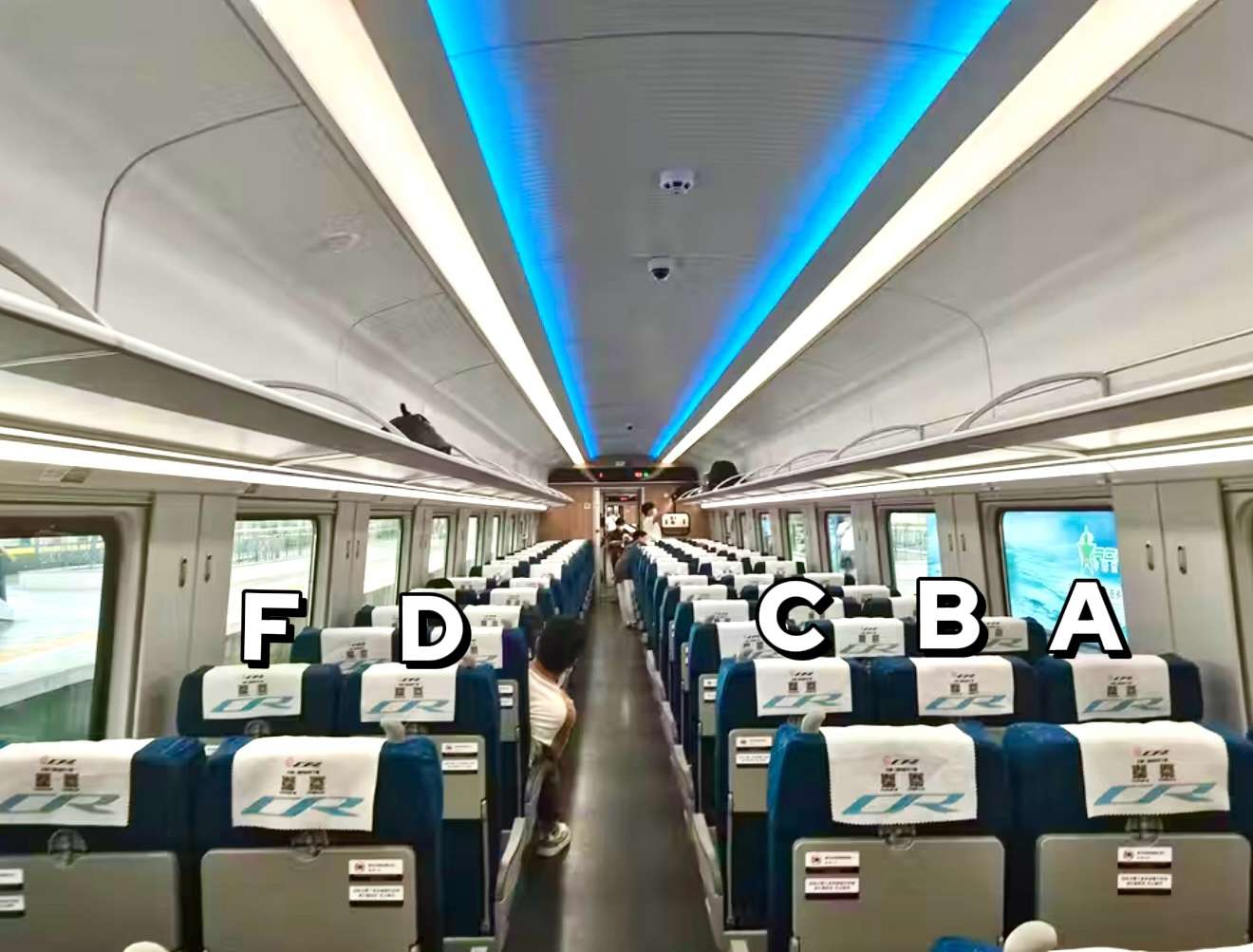
- Availability: Standard cabin for all G, D and C high-speed trains; the most popular & budget-friendly option.
- Layout & Space: 3–2 seat layout with one middle seat (seat B) on the three-seat side; basic padded seats with standard legroom.
- Personal Amenities: Equipped with shared foldable tables and seat-side power outlets.
- Experience: Suitable for short & medium trips; may get crowded during Chinese holidays and feel tight on ultra-long journeys.
Regular Train Seat Classes (Z/T/K)
- Hard Seat: Ultra-budget basic seating with thin padding; older carriages have no air conditioning and tend to be crowded, only for short trips.
- Soft Seat: Booth-style seating with air conditioning and cleaner cabins, ideal for short to medium-distance rides.
- Hard Sleeper: Affordable open overnight bunk compartments (6 bunks per unit); no private doors, perfect for budget overnight travel.
- Soft Sleeper: Enclosed private compartments (4 bunks per unit) with doors, delivering improved privacy and comfort for overnight trips.
- Deluxe Soft Sleeper (Z trains only): Premium private compartments with 2 bunks, exclusive space and upgraded facilities for luxury overnight travel.
Seat Type | Features | Description & Suitable Trips |
|---|---|---|
Hard Seat | Basic budget seating with thin padding. Older carriages have no air conditioning and are usually crowded. | Designed for low-cost travel; only suitable for very short trips. |
Soft Seat | Booth-style seating, fully air-conditioned with a cleaner cabin environment. | Delivers a more pleasant ride, ideal for short to medium journeys. |
Hard Sleeper | Open compartments with six bunks, an economical overnight option. | Perfect for budget travelers on long overnight trips. |
Soft Sleeper | Enclosed four-bunk compartments with improved privacy and comfort. | The preferred option for standard overnight travel. |
Deluxe Soft Sleeper | Exclusive to Z-series trains; private two-bunk compartments equipped with premium facilities. | Luxury-class overnight accommodation. |
China Train Onboard Facility Breakdown
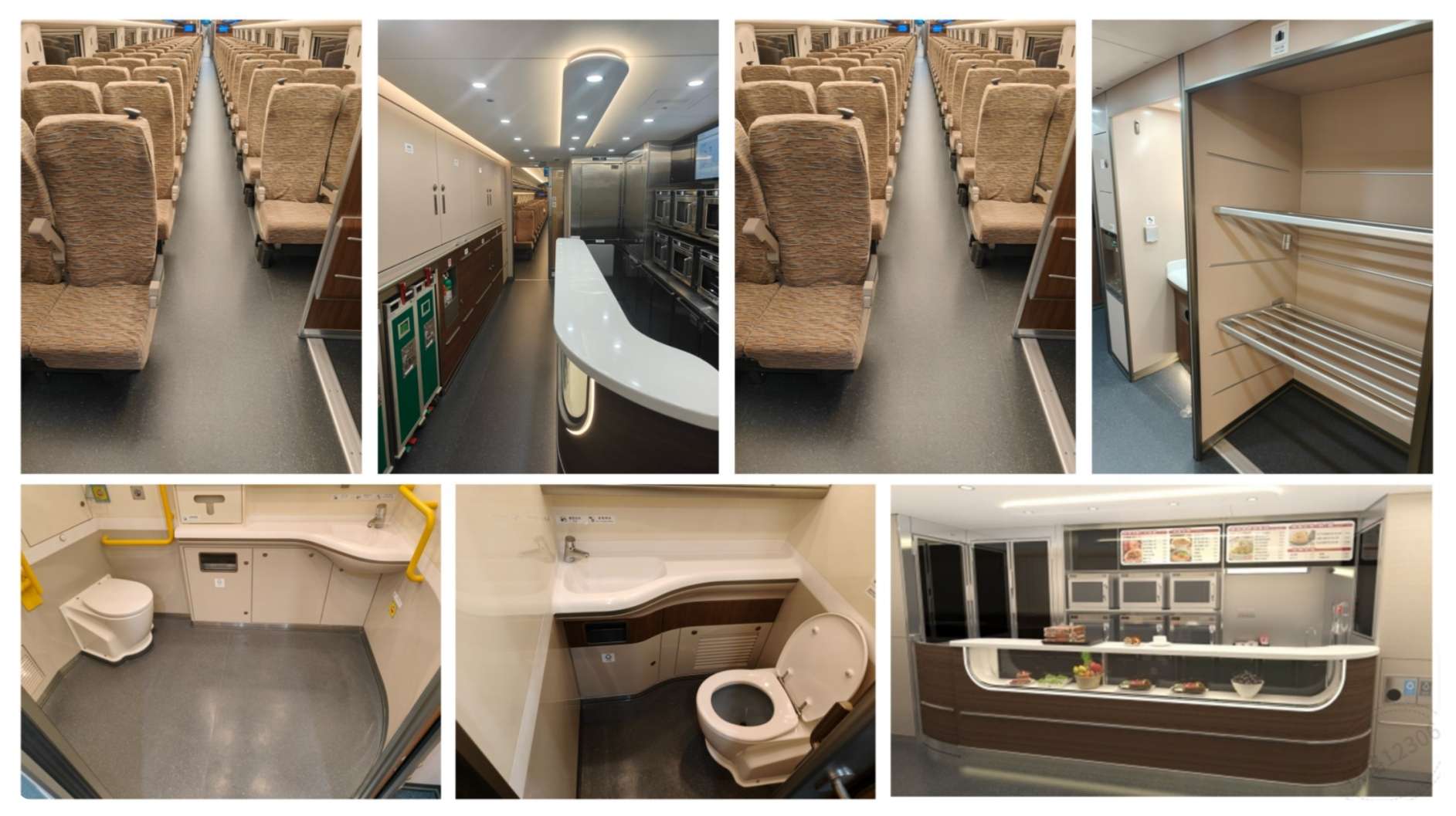
High-Speed Trains (G/D/C)
- Restrooms: Modern clean facilities with both Western-style and squat toilets, accessible stalls for disabled passengers, and free toilet paper provided.
- Food & Drinks: Onboard dining car serves hot meals (6–12 CAD); roaming snack carts offer light snacks and beverages throughout the journey.
- Luggage Storage: Overhead racks for small carry-on bags; dedicated storage zones at carriage ends for large suitcases.
- Digital Facilities: Free public Wi-Fi coverage and dual USB + 220V power outlets at every seat for device charging.
Regular Trains (Z/T/K)
- Restrooms: Mostly squat toilets; toilet paper is not provided, travelers should bring their own.
- Food & Drinks: Hot meal dining carriages only available on Z and T trains; snack trolleys and free hot water dispensers are accessible on all regular trains.
- Luggage Storage: Overhead racks for hard seats, aisle racks for hard sleepers, and private closets for soft sleeper compartments.
- Air Conditioning: Stable cooling on Z/T trains; weak or inconsistent air conditioning on K-series trains.
- Digital Facilities: No public Wi-Fi; power outlets are only available in soft sleeper and deluxe soft sleeper carriages.
Stay Connected With Trip.com!
See all attractions
 939346 booked



Practical Tips for Choosing China Trains & Seats
Train Type Selection
- G trains: Opt for these fastest services for cross-country long-distance trips. Business or first class delivers premium comfort, while second class provides reliable affordability.
- D trains: Ideal for medium-distance travel. Consistent speed, few stops, and comfortable first and second class cabins suit most mid-range journeys.
- C trains: Designed for short city-to-city commutes. Standard second class meets most travel needs, as the marginal upgrade cost for first class rarely justifies the minor space improvement on brief rides.
- Z/T/K trains: Preferred for overnight travel. Soft sleepers prioritize privacy, hard sleepers minimize expenses, and deluxe soft sleepers offer a high-end overnight experience.
Seat Class Selection
- Quiet & private travel: Choose G-train business class or regular train soft/deluxe sleepers.
- Budget-focused travel: Select high-speed second class or regular train hard seats/hard sleepers.
- Group travel: Book adjacent seat combinations such as A/B/C in high-speed second class to keep the party seated together.
China Train Online Ticket Booking Process for Canadian Visitors
Canadian travelers cannot use Chinese domestic ID systems for train reservations. The most user-friendly platform for international visitors is Trip.com’s China train ticket channel, which supports English interfaces and foreign passport verification. The step-by-step booking process is as follows:
- Navigate to the official China Train Tickets page on Trip.com.
- Input departure city, arrival city, travel date, and passenger number to search available trips.
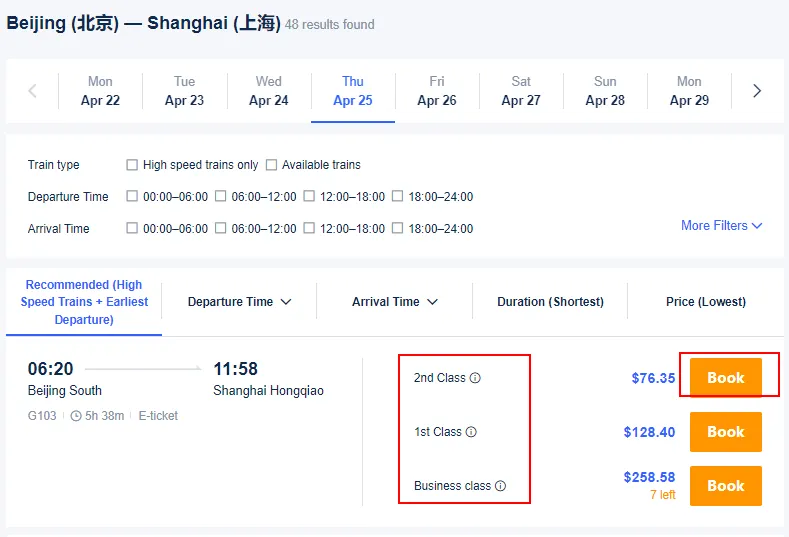
- Filter and select preferred train models (G/D/C/Z/T/K) and seat or sleeper classes.
- Submit accurate passport information, ensuring all details match the physical passport exactly.
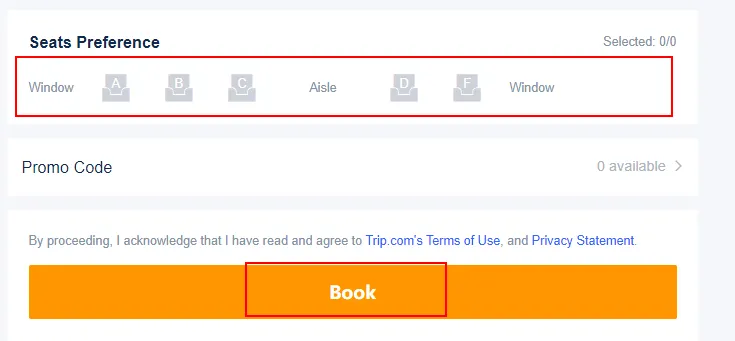
- Complete payment via international credit cards or mainstream digital wallets supported by the platform.
- Receive an electronic ticket confirmation via registered email. Prior to boarding, collect a physical ticket at railway station ticket counters or self-service machines using the original passport.
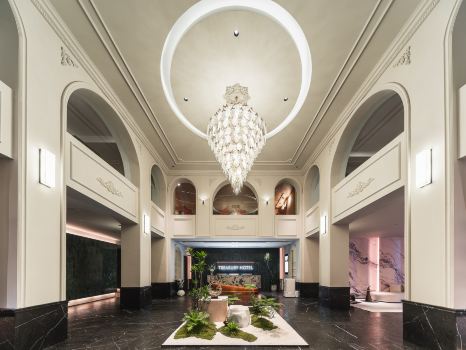
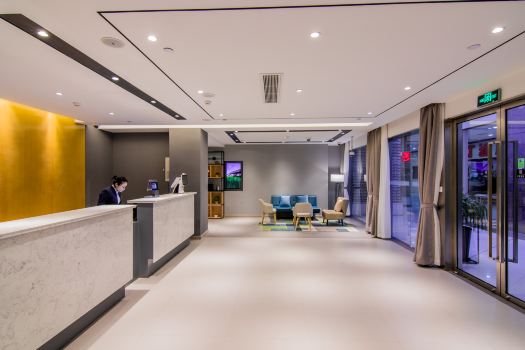
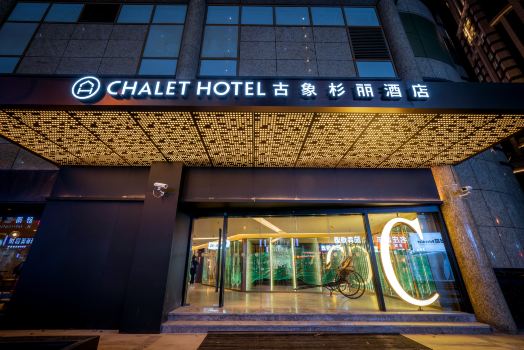
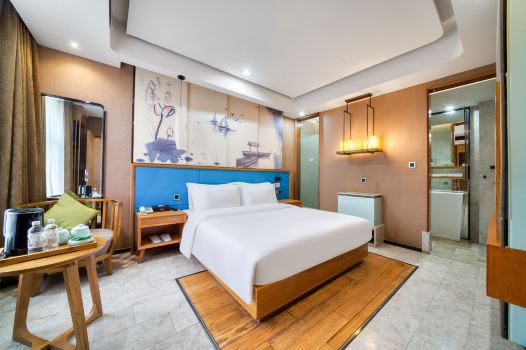
[10% Off] China Hotel Recommendations
Top Shanghai Hotels
Top Beijing Hotels
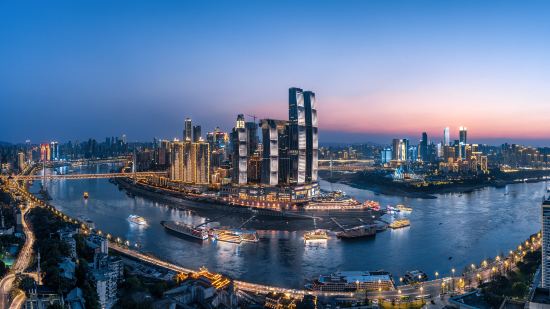
Top Chongqing Hotels
See All Hotels


FAQs about China High-Speed Train Seats
-
Are you allowed to rotate seats in China trains?
-
What happens if I miss my train in China?
-
Can I sit in first class if the China train is full?
-
Do you need a passport to go on the train in China?
-
Can you bring water on a train in China?
-
Can I use a credit card to buy a train ticket in China?
-
Can I choose a specific seat when booking on Trip.com?
Disclaimer: This article has been provided by an individual contributor or third party platform. If there is any discrepancy regarding the copyright, please contact us directly and we will delete the content immediately.
Trending Searches
-
More about China Trains
- China High Speed Train Seat Map
- China Train Luggage
- 1st class vs 2nd class on China high speed trains
- How to Take a Train in China
- China Train Types
- China Train App
- Shenzhen to Hong Kong
- Shanghai Hongqiao Railway Station
- China Sleeper Train
- China Train Tickets Change Refund Cancellation
- Cheap Train Tickets China
- Zhangjiajie West Railway Station
- Best Attractions in Illinois
- Puerto Rico Resorts
- Barcelona to Balaguer trains
- Trains to Clapham Junction
- Things to Do Palm Springs
- bottomless brunch London
- Trains to Sidcup
- Trains to London St. Pancras International