What is FIFA World Cup? 2026 Guide & Travel Tips
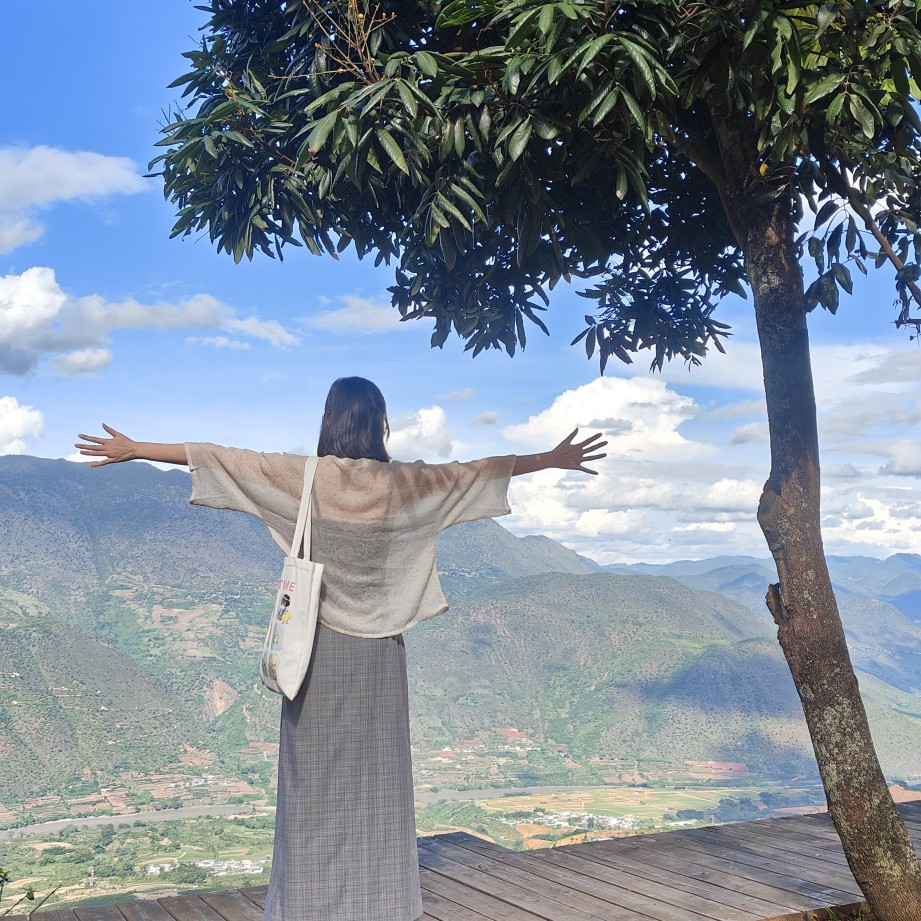

For Canadian soccer fans, 2026 is set to be the most exciting year in domestic football history. After decades of cheering for the World Cup from afar, Canadians will finally get to watch the world’s biggest soccer tournament play out on home soil, alongside the United States and Mexico. Whether you’re a lifelong soccer supporter or a casual fan gearing up for your first World Cup watch party, this complete guide breaks down everything you need to know about the FIFA World Cup, from basic rules and new 2026 format changes to local venue details and travel tips for Canadian attendees.
Toronto
Vancouver
Los Angeles
New York
Mexico City
See all flights


What Is the FIFA World Cup?
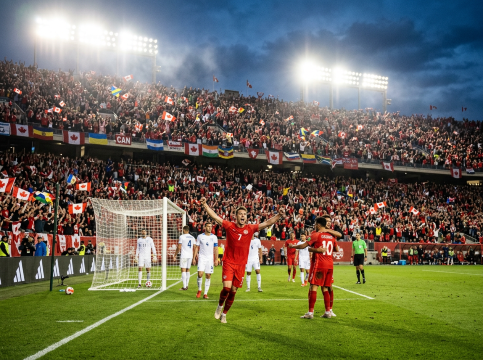
If you’re new to international soccer or prepping for a World Cup watch party, you may ask: What is the FIFA World Cup? It is the world’s most prestigious men’s international soccer tournament, organized by FIFA, football’s global governing body. Held every four years, this iconic competition brings together elite national teams from across the globe to compete for the sport’s most prestigious championship title.
Easily the most-watched single-sport event globally, the World Cup attracts billions of viewers worldwide with unmatched cross-border influence. It has evolved from a sports competition into a global cultural event that unites casual and diehard soccer fans worldwide. With the 2026 tournament around the corner, Canadian fans will get to experience this iconic sporting spectacle in person right here in North America.
How Does the FIFA World Cup Work?
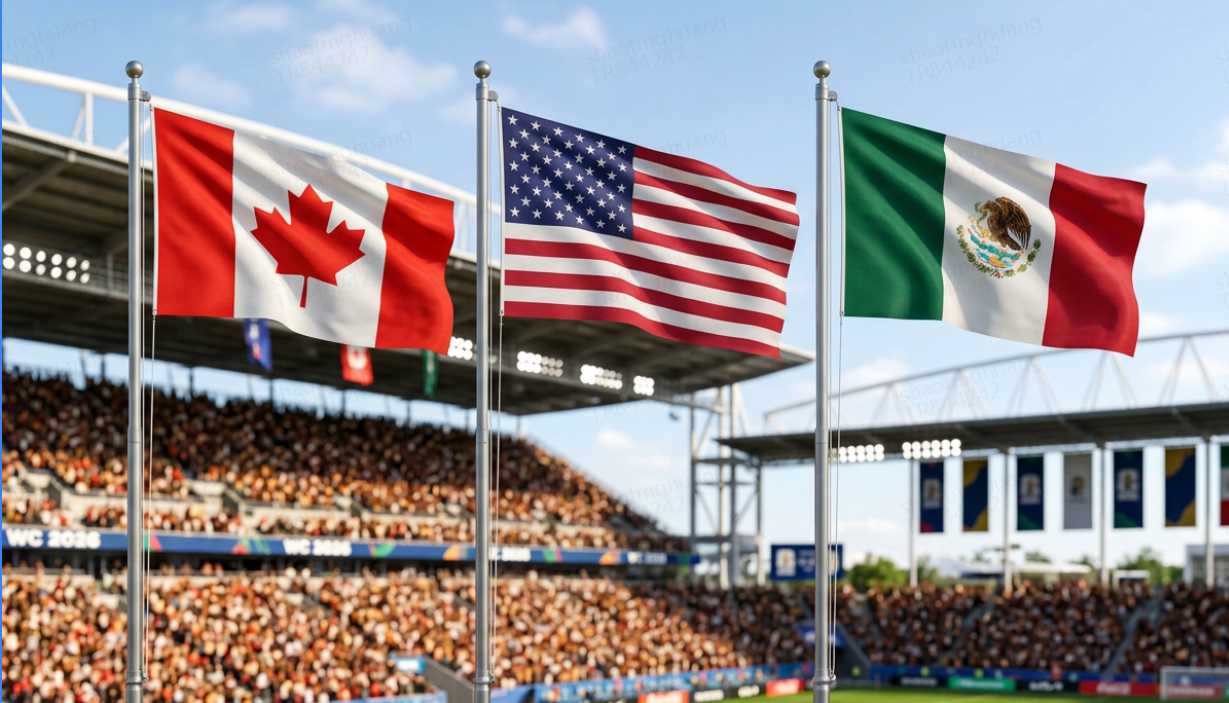
If you’re new to the tournament and wondering what you need to know about the FIFA World Cup, its structure is simple to learn. The full World Cup cycle has two core stages: multi-year regional qualifiers and the final world-class tournament featuring elite national teams.
The qualifying phase is the toughest part of the competition. Put simply, what are the FIFA World Cup qualifiers? They are continental preliminary matches that decide which countries qualify for the final World Cup. Only the strongest and most consistent teams from each region earn a tournament spot.
The 2026 World Cup features a new 48-team final tournament format, split into two stages: group play and knockout rounds. Teams compete in round-robin group matches to earn advancement points, with top-ranked teams moving onward. The knockout stage uses a strict single-elimination rule—losing once results in elimination, and only the final remaining team wins the World Cup trophy.
Stay Connected With Trip.com!
See all attractions
 59127 booked
FIFA World Cup Qualification: How Teams Earn Their Spot
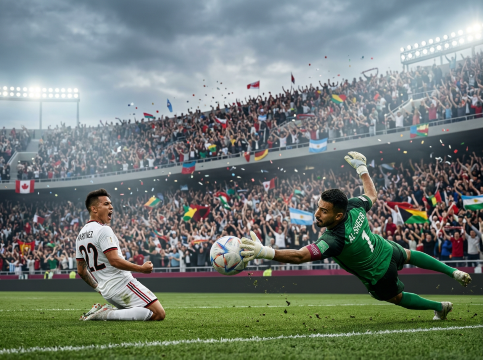
To fully break down what is FIFA World Cup qualifiers, it’s essential to understand FIFA’s structured global qualification system, divided across six official continental confederation zones. Every FIFA-affiliated national team participates in its regional zone’s multi-year qualifying campaign, with FIFA allocating a fixed number of final tournament spots to each zone based on regional competition strength and depth of talent.
The six continental zones include UEFA (Europe), CONMEBOL (South America), CONCACAF (North, Central America and the Caribbean), CAF (Africa), AFC (Asia), and OFC (Oceania). Each zone operates its own unique qualifying format, ranging from extended round-robin group stages to multi-round knockout playoffs, all designed to fairly select the worthy teams that earn a spot in the World Cup finals.
One fan-favorite rule for the upcoming tournament: host nations receive automatic qualification. For the 2026 World Cup, Canada, the United States, and Mexico all bypass the grueling qualifying process and lock in an immediate spot in the new 48-team final lineup. For all other competing nations, years of rigorous training, tactical refinement, and high-pressure regional matches culminate in the fight for a limited number of global berths, making World Cup qualification one of the most competitive achievements in international sports.
The 2026 FIFA World Cup Format: What's New With 48 Teams
How does the new 2026 FIFA World Cup format work? The 2026 World Cup introduces its biggest structural upgrade in decades, expanding to a 48-team tournament. Here’s a simple breakdown of all key changes:
- Expanded team field: The tournament grows from 32 teams to a record 48 nations, creating a more inclusive competition that gives smaller soccer countries a chance to compete on the global stage.
- New group structure: The old 8-group setup is replaced with 12 groups of 4 teams. Each team plays 3 round-robin group stage matches against opponents in their group.
- Updated advancement rules: The top 2 teams from each group advance, plus the 8 best third-place teams across all groups, forming a 32-team single-elimination knockout bracket.
- More total matches: The new format increases total tournament games to 104, delivering more high-level matchups and opportunities for underdog teams to shine.
The FIFA World Cup Trophy: Facts, History & Legacy
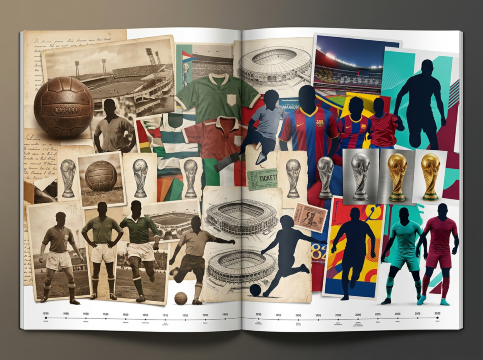
The FIFA World Cup Trophy is one of the most recognizable symbols in global sports. Below is a simple, clear breakdown of the trophy’s background, design, and unique trivia to help Canadian fans level up their 2026 World Cup knowledge.
The current FIFA World Cup Trophy (Golden Trophy) was introduced in 1974, replacing the old Jules Rimet Trophy used from 1930 to 1970. Created by Italian sculptor Silvio Gazzaniga, this 36.8cm, 6.175kg 18-karat gold trophy features two athletes holding a globe, symbolizing global sports unity and victory.
- No permanent original trophy: Winning countries only get a gold-plated replica to keep. The priceless original trophy is permanently stored in FIFA’s museum.
- Few winning nations: Only six countries have lifted the modern Golden Trophy since its launch in 1974.
- Lost vintage trophy: The retired Jules Rimet Trophy was stolen in 1983 and never found, making the modern trophy completely unique.
- Engraved history: Every champion nation and tournament year is hand-engraved on the trophy’s base, recording decades of World Cup history.
- 100% handcrafted: The official trophy is entirely handmade, with no mass-produced duplicates in the world.
Car Rentals
Car Rental Promo Code - 8% Off
New User Enjoy up to 8% Off
TRIPCAR8
Host Cities and Venues for FIFA World Cup 2026
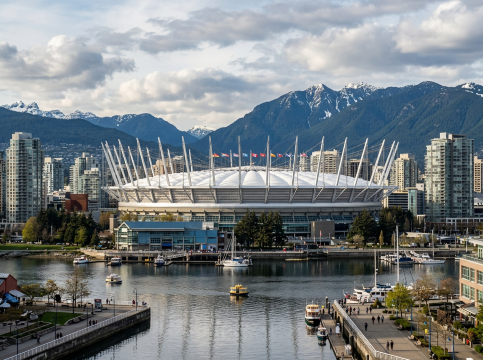
The 2026 FIFA World Cup features 16 host cities across three co-host nations: 11 in the United States, 3 in Mexico, and 2 in Canada, putting the country on the global soccer stage for the first time.
All Canadian World Cup matches will take place in Toronto and Vancouver, two major soccer hubs with professional-grade stadiums built for elite international competition:
Host City | Venue Name | Key Features & Highlights |
|---|---|---|
Toronto, Canada | BMO Field |
|
Vancouver, Canada | BC Place |
|
New York, Los Angeles, Dallas (USA) | Multiple Official World Cup Venues |
|
Mexico City, Guadalajara (Mexico) | Multiple Official World Cup Venues |
|
2026 FIFA World Cup: Essential Guide for Canadian Fans
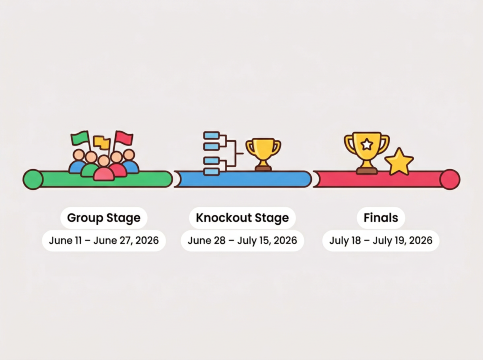
The 2026 FIFA World Cup is a once-in-a-lifetime event for Canadian soccer fans, marking the first time Canada will co-host this iconic global tournament. Below are the key details fans need to know about the upcoming competition.
Officially named FIFA World Cup 26™, the tournament runs from June 11 to July 19, 2026. It makes history as the first World Cup co-hosted by three countries: Canada, the United States, and Mexico. It is also the first edition to adopt the new 48-team expanded format, becoming the largest and most inclusive World Cup to date.
This is a groundbreaking milestone for Canadian soccer. After decades of watching the World Cup from overseas, Canadian fans can now watch elite international matches on home soil. The tournament will greatly boost Canada’s soccer culture, develop local infrastructure, and showcase the country’s passionate fanbase to a global audience.
Why the FIFA World Cup Matters: Cultural Impact and Global Reach
The FIFA World Cup delivers far-reaching cultural, social, economic and spiritual impacts worldwide, with unique and profound significance for Canada as the 2026 co-host. The core values and influences are organized in the table below:
Impact Dimension | Global Influence | 2026 Canada Exclusive Influence |
|---|---|---|
Cultural & Social Impact | The World Cup unites global fans across borders and cultures, promoting mutual respect, boosting grassroots football growth and inspiring long-term youth sports passion worldwide. | Hosting the tournament accelerates Canada’s football culture development, nurtures young local talent, and raises the country’s profile and influence in global football. |
Economic Impact | It brings massive economic gains to host countries, boosting tourism, hospitality and small businesses, while advancing long-term sports infrastructure upgrades. | Canadian host cities will see economic growth from tournament consumption. The event enhances Canada’s global sports reputation and leaves upgraded football facilities and improved youth training systems. |
Core Spiritual Value | It celebrates athletic perseverance, underdog success and national pride, creating timeless global sports memories. | It offers Canadian fans a once-in-a-lifetime chance to witness football history and mark a new milestone for Canadian football development. |
FIFA World Cup 2026 Travel Tips for Canadian Fans

Attending the 2026 World Cup is a dream experience for Canadian soccer fans. Proper advance planning ensures a seamless, enjoyable trip. Here are concise, practical travel tips for local fans:
- Book accommodation early: Hotel and rental prices in Toronto and Vancouver will spike sharply during the tournament. Reserve lodging 6–12 months in advance for affordable rates and proximity to stadiums. Budget travelers can choose suburban areas with accessible public transit to downtown venues.
- Plan intercity travel strategically: Book domestic flights early to avoid price hikes when traveling between Toronto and Vancouver. For cross-border matches in the U.S. or Mexico, ensure your passport remains valid for at least six months after your trip and check the latest Canada-U.S. border rules in advance.
- Arrive early on match days: Get to BMO Field or BC Place 2–3 hours before kickoff. This lets you explore fan zones, experience pre-match vibes, shop for merchandise, and skip last-minute entry crowds.
- Enhance your travel experience: Set aside extra time to explore local attractions, including Toronto’s diverse food and cultural spots and Vancouver’s coastal scenery. Always follow FIFA’s official venue rules for entry, bag limits and schedule updates to avoid travel disruptions.
Find Your [10% OFF] FIFA World Cup 2026 Stays
Toronto
Vancouver
New York
Los Angeles
See All Hotels


































FAQs about FIFA World Cup 2026
-
What does FIFA stand for in soccer?
-
How does FIFA World Cup qualification work?
-
When and where is the FIFA World Cup 2026?
-
Who has won the most FIFA World Cups?
-
What is the FIFA World Cup 2030 and who will host it?
Disclaimer: This article has been provided by an individual contributor or third party platform. If there is any discrepancy regarding the copyright, please contact us directly and we will delete the content immediately.
Trending Searches
-
Popular Attractions
-
eSIM/SIM card