How Does a Thailand eSIM Work?
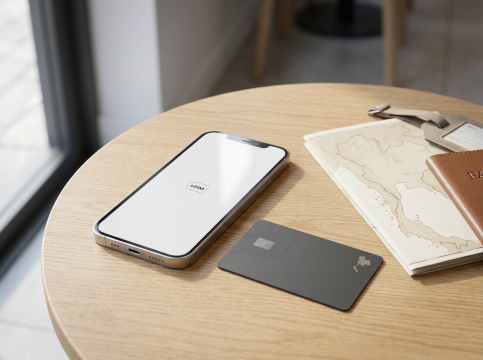
Using a Thailand eSIM is very simple. It is an electronic SIM card installed in your phone—no need to insert a physical card, no frequent replacement, and cannot be lost or physically damaged. It is very practical for Canadian tourists traveling to Thailand. The key points for using it are as follows:
1. Check If Your Phone Can Use It
There are two basic requirements for using eSIM. First, your phone must support eSIM. Most common phones released after 2019 can use it, such as new models of Apple, Samsung and Google phones. Second, your phone must not be locked by Canadian carriers. If you use services from carriers like Bell, Rogers or Telus, you can unlock your phone for free in advance. Locked phones cannot use foreign eSIMs, so check in advance to avoid wasting money.
2. Internet Coverage Everywhere
Thailand’s three major telecom carriers—AIS, DTAC and TrueMove H—all support travel eSIMs. Tourists using eSIM can connect to local high-speed internet. It offers connection speeds and reliability comparable to local networks. The signal covers popular scenic spots, such as downtown Bangkok, Chiang Mai’s mountains, Phuket and Samui Island. Even on relatively remote travel routes in the Isan region, there is stable signal. There is almost no situation without internet.
3. Keep Your Canadian Phone Number
You can keep your Canadian SIM card in your phone. It can receive bank text messages, verification codes, and you can make emergency calls. At the same time, you can use Thailand eSIM to surf the internet, make calls and send messages. No need to change cards repeatedly, and you won’t miss important news from your country—it’s very convenient.
4. Simple Setup Steps
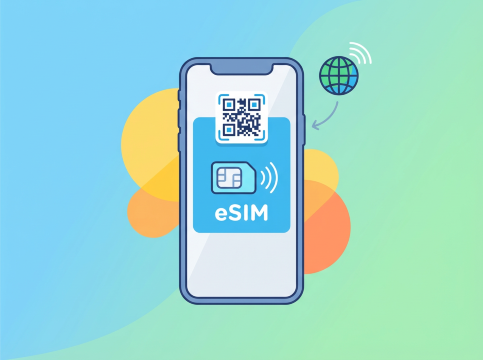
Setting up eSIM is not complicated at all. After buying a plan, the seller will send a QR code to your email. Scan this QR code in your phone’s settings to finish setup. Then you can turn it on and use it when you arrive in Thailand. Note: If you activate it in Canada in advance, you will be charged roaming fees. Most eSIMs also allow you to turn on the hotspot. It is convenient to share data with people traveling with you.
In addition, Thai rules require that travel eSIMs need to verify your passport information. When buying online, you only need to upload a photo of your passport to finish the review—no need to fill in complicated forms at the airport or offline stores. Most plans provide high-speed internet at scenic spots. Even in remote areas in the north and east, there is stable basic internet to meet daily use.