
Hotels in Chengdu
Enter your dates for the latest hotel rates and availability.
We found 3726 hotels for you in Chengdu






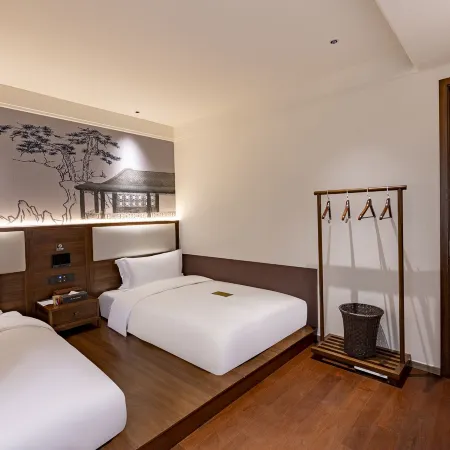


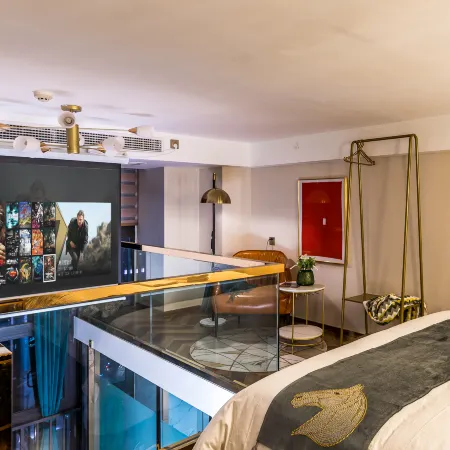


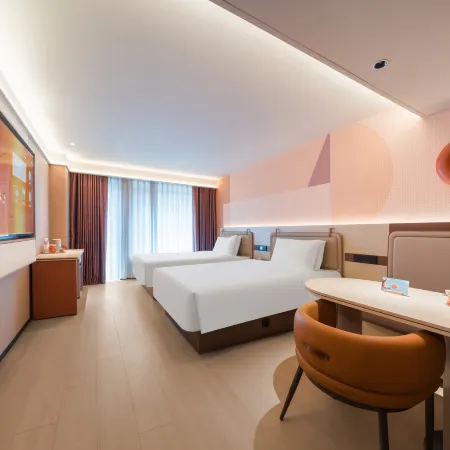
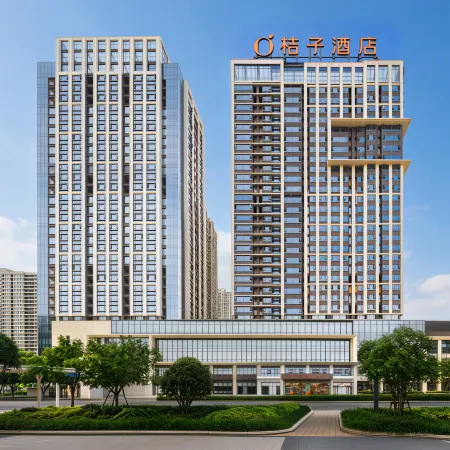
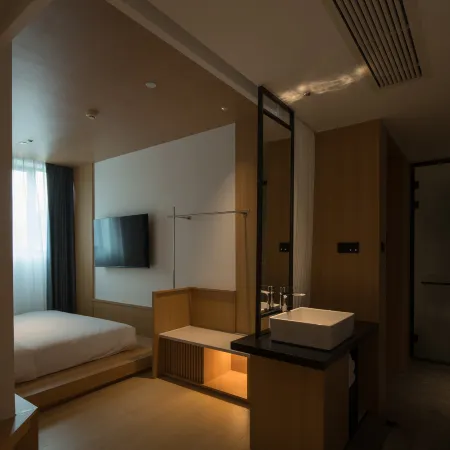
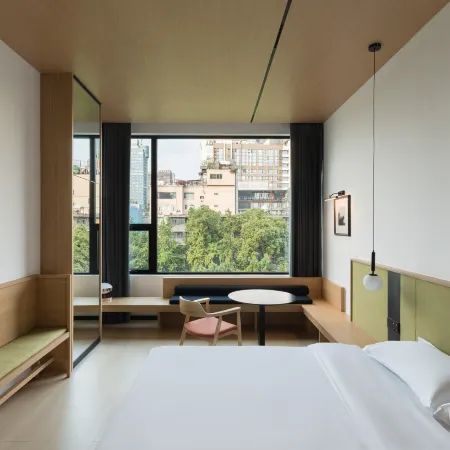
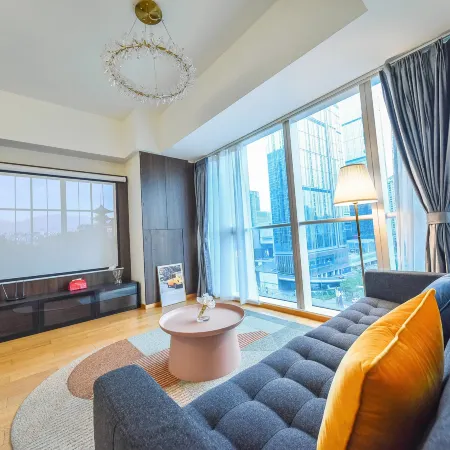


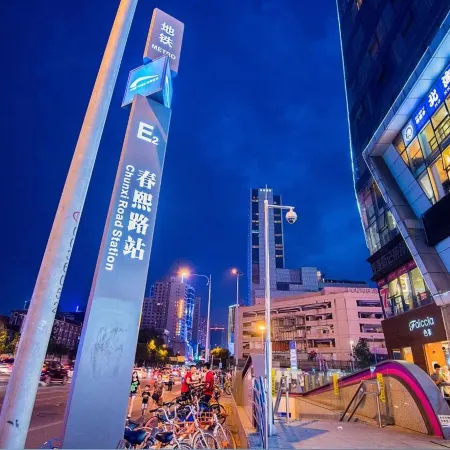
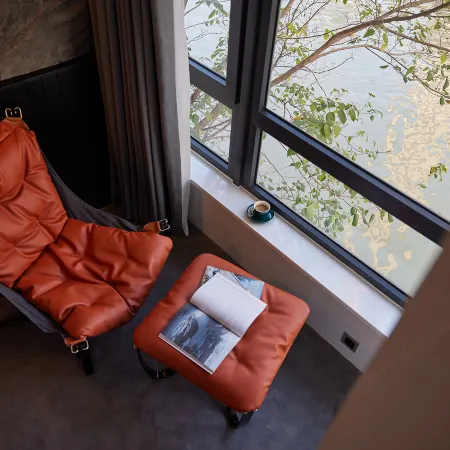
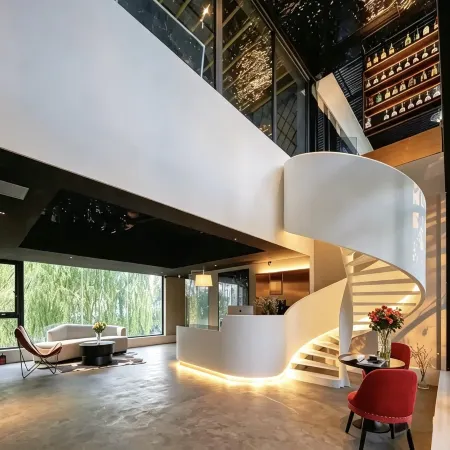
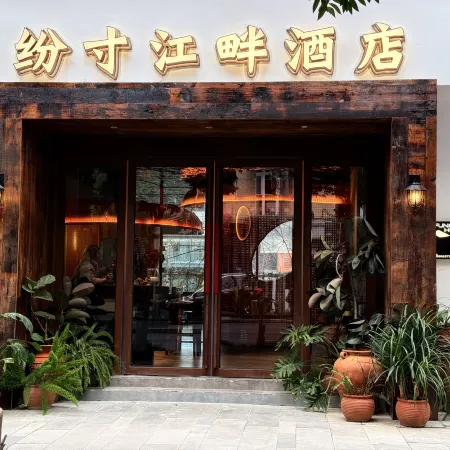




Trending places in Chengdu
Landmarks
Districts
Popular areas
Explore accommodation types in Chengdu


Premium Hotels in Chengdu

The Langbo Chengdu, in The Unbound Collection by Hyatt

JW Marriott Hotel Chengdu

Shangri-La Hotel Chengdu

Grand Hyatt Chengdu (Chunxi Road Taikoo Li)
Tonino Lamborghini Hotel Chengdu
Mumian Chengdu, The Unbound Collection by Hyatt
Ocean Spring Resort Chengdu - MGallery
Qingcheng Samatha · Yinmachuan Resort Manor
YiuTeung Mansion - Small Luxury Hotels of the World
InterContinental Hotels CHENGDU GLOBAL CENTER by IHG
Gran Melia Chengdu
Palm Springs Hotel Chengdu Vignette Collection(Global Center SKP)
Hotel Indigo CHENGDU FINANCIAL CITY by IHG
voco Chengdu Chunxi Road
Wanda Reign Chengdu
Grand Bay Hotel Chengdu
Canopy by Hilton Chengdu City Centre (Chunxi Road Taikoo Li Store)
Chengdu Marriott Hotel Financial Centre
RELAIS & CHATEAUX QING CHENG SU SHIEN VALLEY
Chengdu Shiyue Forest Hotel
Chengdu Hotels: Where to Stay by Area, Budget and Trip Type
Chengdu is a city built for lingering, and the area you stay in decides how much of that you get. Three districts cover most trips: the shopping streets around Chunxi Road, the civic heart at Tianfu Square, and the old lanes around Kuanzhai Alley. Each has a different pace, and the price gap between them is small.
Chengdu Hotels at a Glance: Match the Area to the Trip
Start with how you want to spend the days. A first visit suits Chunxi Road, a central base with museums suits Tianfu Square, and a slower trip through the old lanes suits Kuanzhai Alley.
Area | Best for | Price level | Transport | Trade-off |
|---|---|---|---|---|
Chunxi Road Commercial Area | First visits, shopping, dining | Mid-range | Metro stations across the district, with the pedestrian streets on the doorstep | Crowded pavements and noise in the evening |
Tianfu Square/Chengdu Museum | Museums, the civic centre, easy transport | Budget to mid-range | Metro lines at the square, with the museum and the centre walkable | Busy at rush hour and quieter at night |
Chengdu University of TCM/Kuanzhai Alley nearby area | Old lanes, teahouses, slow travel | Budget to mid-range | Metro stops nearby, with the lanes walkable | Narrow streets and fewer modern hotels |
The three areas sit on the same metro network, so the city is easy to cross. The difference is the view from the window and the size of the room.
Chunxi Road Hotels: Shopping and Dining
Chunxi Road is the city's main shopping district, with the pedestrian streets, the department stores and the restaurants packed into a few blocks. First-timers tend to settle here.
Hotel | Best for | What to expect |
|---|---|---|
A first trip where the sights and the food are close | Reliable mid-range choice, with breakfast and a front desk that guests rate well | |
A central base | Comfortable option, with breakfast and afternoon tea that guests mention | |
A budget stay | Budget choice, with a convenient location and easy transport |
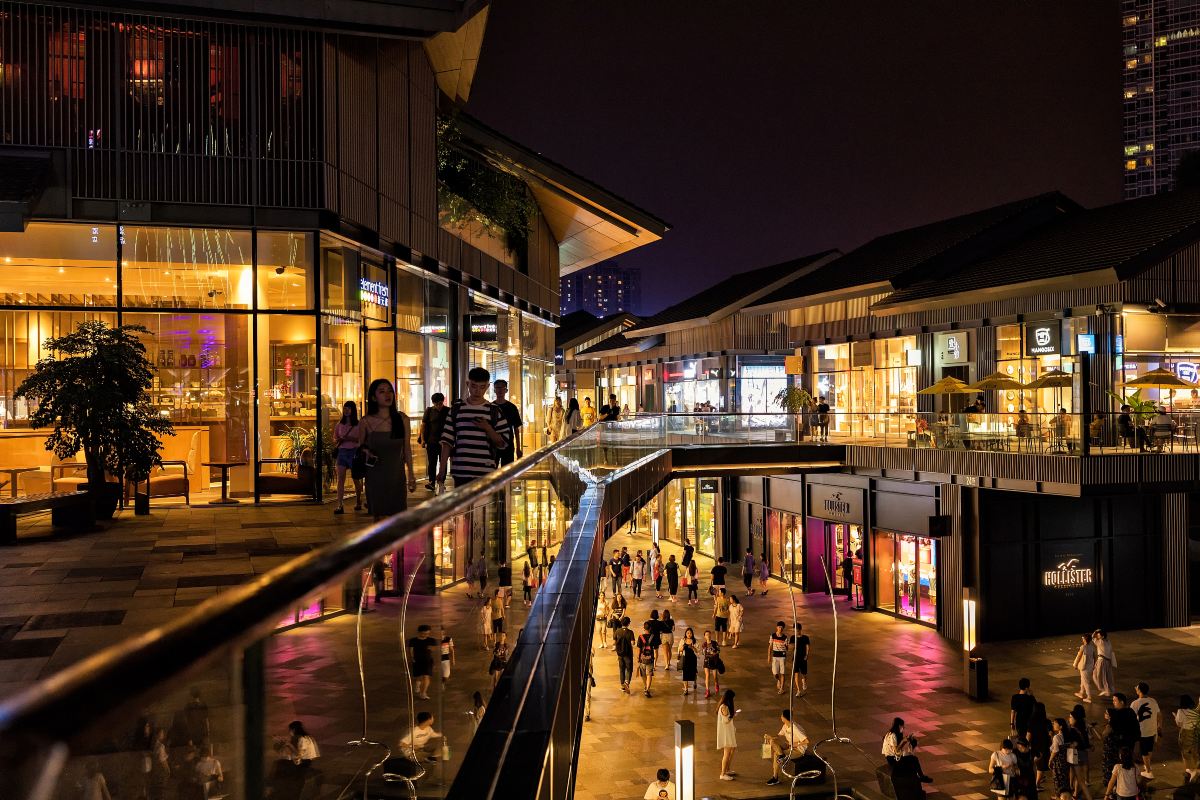
The district is at its best in the evening, when the shops light up and the food stalls open. The side streets hold the smaller restaurants, and they are where the local cooking is best. Taikoo Li is the newer face of the district. The low-rise lanes of shops and restaurants sit beside the temples, and they are the easiest place to spend a rainy afternoon. Hotpot is the other local ritual. The restaurants around the district run late, and a table by the window is the best way to watch the street fill up.
Tianfu Square Hotels: The Civic Centre
Tianfu Square sits in the middle of the city, around the museum, the civic buildings and the main metro interchange. It is the practical base for a trip that values transport and museums.
Hotel | Best for | What to expect |
|---|---|---|
A stay of a few nights | Mid-range pick, with large rooms and easy transport that guests rate well | |
A central base | Adds a convenient location and easy transport to the same area | |
A central base | Value option, with large rooms and the metro within reach |
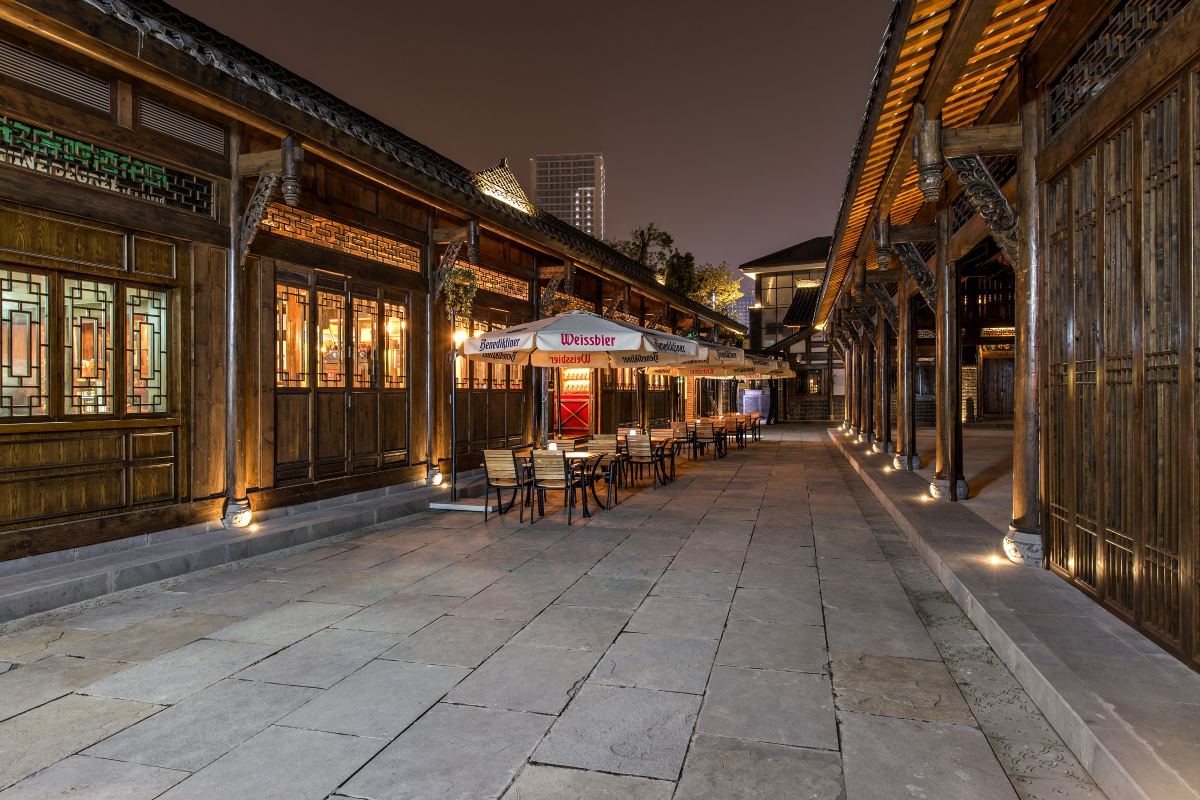
The square is busy during the day and quiet at night, which suits a trip built around museums and early starts. The museum is the reason many people choose the square. It is a short walk from the metro, and the collection gives the rest of the city its context. The metro interchange below the square is the other advantage. Two lines meet there, which makes the area a practical base for a short trip.
Kuanzhai Alley Hotels: Old Lanes and Teahouses
Kuanzhai Alley sits west of the centre, around the restored lanes, the teahouses and the park. It is the slowest of the three and the best for walking.
Hotel | Best for | What to expect |
|---|---|---|
The Hidden House (Cheng Du Kuanzhai Alley People's Park Subway Station Branch) | A stay where the lanes matter | Character option, with breakfast and a front desk that guests rate well |
A central base | Mid-range pick, with easy transport and a convenient location | |
Shuttle International Youth Hotel (Chengdu Kuanzhai Alley & Renmin Park Subway Station Branch) | A budget stay | Budget option, with a classy environment and easy transport |
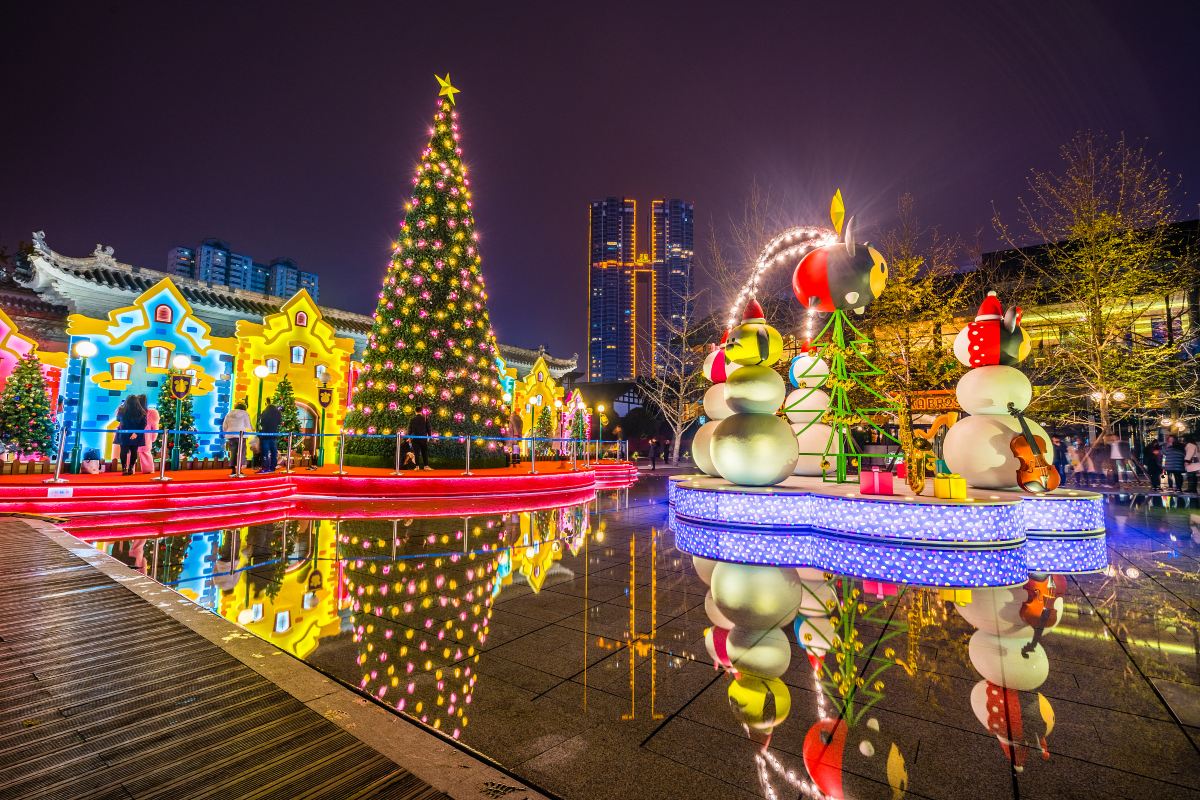
The lanes are the reason to stay. The teahouses fill in the afternoon, and the park next door is where the city slows down. The park is the local living room. In the afternoon, the benches fill with tea drinkers and card players, and the lanes around it are best explored slowly. The courtyards behind the main lanes hold small cafes and guesthouses, and they are quieter than the main street at any hour.
What Chengdu Hotels Cost: Price Levels Explained
Chengdu is affordable for a Chinese megacity, and the range tracks the area and the size of the room.
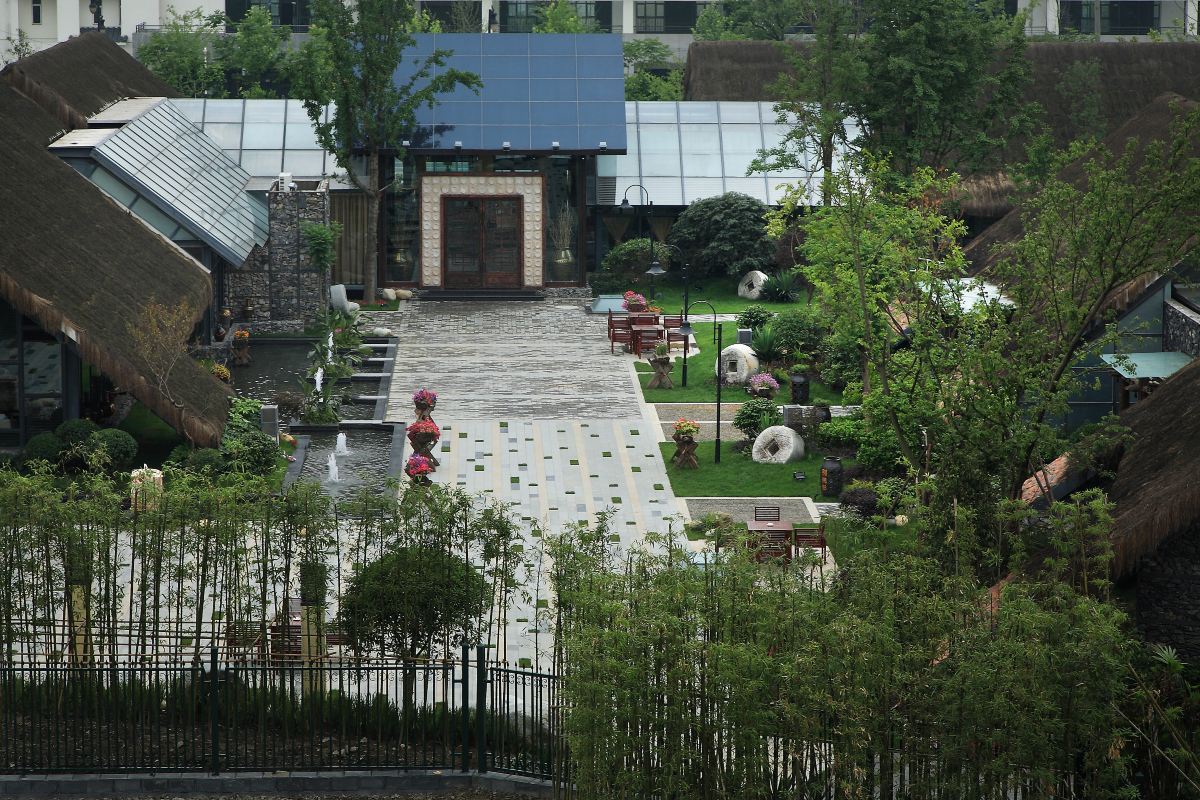
Price level | What it buys |
|---|---|
Budget | Simple rooms and hostel beds near the lanes |
Mid-range | Four-star rooms in Chunxi Road or the old lanes |
Premium | Larger rooms and full service in the centre |
There are two takeaways worth carrying into the booking. The mid-range band carries almost all of the city's rooms, so the choice is about the street and the building. The premium band is thin, which makes Chengdu a forgiving city for budget-conscious travellers. Holidays move the rates most. Around the national holidays and the spring festival, the mid-range band tightens across the city, so book those dates well ahead. Beyond location, space is what you are paying for. The same rate buys a compact room in Chunxi Road and a larger one near the lanes, so decide what matters before you compare.
Chengdu Hotels for a Short Break or a Longer Visit
A weekend in Chengdu fits one base. Two nights do not justify a move, and the metro covers the lanes, the square and the shopping streets in minutes.
Longer stays change the balance. A week or more makes room size and laundry matter, and the lanes hotels start to make sense for the quiet. If you plan a day trip to the panda base or Leshan, an early start from the centre is easy. The panda base is the day trip most people plan. It is a short ride from the centre, and the animals are most active before the crowds arrive. On a short trip, one base beats two. Spend one evening in Chunxi Road and one in the lanes, and keep the hotel where it is; the metro covers the distance in minutes.
Families often choose Chunxi Road for the food and the lanes for the quiet. Getting between them is easy, which leaves the evenings as the deciding factor.
Chengdu Hotels: Getting Around: Practical Notes
A few local habits make a Chengdu stay easier.
Use the metro and a payment app
The metro covers the main sights, and Alipay or WeChat Pay works at the gates and in most shops. Set up one app before you fly, and keep a little cash for the teahouses. Taxis are easy to find and cheap by international standards, which makes a late dinner simple when the metro has stopped.
Start the panda visit early
The panda base is busiest in the morning, and the animals are most active before the heat builds. A hotel near the metro makes the early start easier.
Sit in a teahouse
The teahouses are the local institution, and a slow afternoon in one is part of the trip. The ones around the park and the lanes are the easiest to find.
Bring an adapter
Chengdu runs on 220V with Type A, C and I sockets. Canadian plugs fit the Type A socket, but the voltage is higher, so check that your charger handles 220V.
Ask for mild if you need it
Sichuan cooking is built on heat, and the local idea of mild is still warm. Asking for 微辣 or a non-spicy dish is normal, and the kitchen will usually oblige. It is a phrase worth learning, and it makes dinner easier. That is worth the effort, and it keeps the meal relaxed.
Keep the first evening close
The first night after a long flight is easier when nothing needs arranging. A Chunxi Road hotel puts dinner, a convenience store and the metro within a block or two, and leaves the pandas for a morning when you have had some sleep.
Stay in Chunxi Road for the food, at Tianfu Square for the museums, and in the lanes for the quiet. Pick the base that fits your days and let the city set the pace.
※ Prices and room availability vary by date and room type. Confirm current rates before booking.
Top hotel picks in Chengdu
JinXiFu
Lyhn International Hotel Chengdu Taikoo Li
Rose Hotel(Chengdu Tianfu Square &Chunxi Road Store)
JI Hotel (Chengdu Taiguili Chunxi Road Center Branch)
voco Chengdu Chunxi Road
POSHPACKER Chengdu Flipflop Hostel
Rayfont Hotel & Apartment Chengdu
IntercityHotel Chengdu Taikoo Li Chunxi Road Pedestrian Street
Anyee Xinliang Grand Hotel (Chengdu Chunxi Road Taikoo Li)
Chengdu Xinghaohong Garden Theme Hotel
Hotels with tasty breakfast in Chengdu
Joyhub Cheer Hotel
Joyhub Air Hotel
Elaine Serviced Apartment Chengdu
SEYA Serviced Apartment - Chengdu Taikoo Li Flagship(Managed by SEYA GROUP)
Celebrity City Hotel
Pagoda Design Hotel Chengdu Chunxiroad Taikoo Li
Tonino Lamborghini Hotel Chengdu
Atour S Hotel Chengdu Taikoo Li
Grand ParcVue Hotel Residence Chengdu
Four Points by Sheraton Chengdu Chunxi Road
Latest Reviews for Chengdu hotels

XISHU GARDEN INN
Hilton Garden Inn Chengdu Taikoo Li
YUNXI · Yunxi Tianji S Design Hotel (Chengdu Tianfu Square Chunxi Road)
Power Stone Hotel (Chengdu Kuanzhai Alley)
Xianshiyijiu Homestay(Dujiangyan lrrigation Project Scenic Spot Nanqiao Store)
Hyatt Centric The Ring Chengdu
Kew Green Hotel Chengdu
Youzhu Hostel (Shuhanludong Subway Station)
Huawei Hotel (Taisheng South Road Subway Station Branch)
FAQs About Hotels in Chengdu
What are the most popular hotels in Chengdu?
What is the average price for hotels in Chengdu?
What are the best hotels for families in Chengdu?
What are popular hotels with high-quality breakfasts in Chengdu?
What hotels in Chengdu offer airport shuttle?
What are available deals for hotels in Chengdu?
Which pet-friendly hotels in Chengdu are recommended?
Which popular hotels in Chengdu offer free Wi-Fi ?
Which hotels in Chengdu have swimming pools?
Which hotels in Chengdu are best to enjoy ocean?
What are the best sap hotels in Chengdu?
Which hot spring hotels in Chengdu are recommended?
What are best luxury hotels in Chengdu?
Chengdu Hotels Information
| Number of reviews | 4,831,239 |
|---|---|
| Total properties | 3726 |
| Weekday Avg. Price | €42 |
| Weekend Avg. Price | €43 |
| Trending hotel | JinXiFu |
| Popular area | Chunxi Road Commercial Area |