
Hotels in Kyoto
Enter your dates for the latest hotel rates and availability.
We found 1736 hotels for you in Kyoto


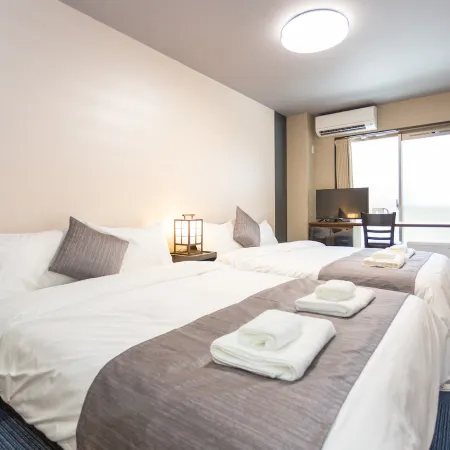
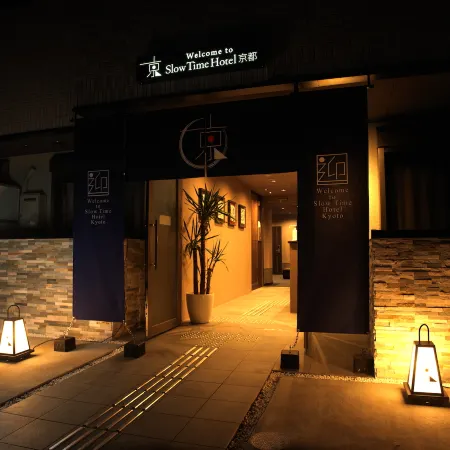
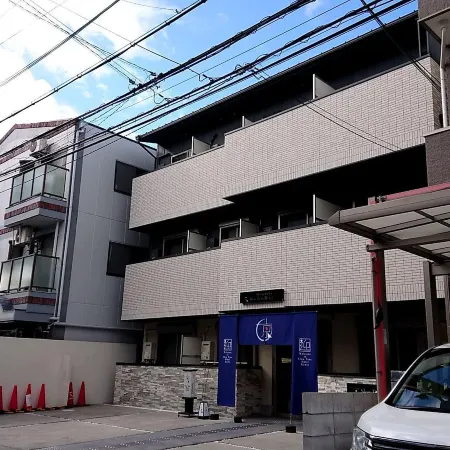
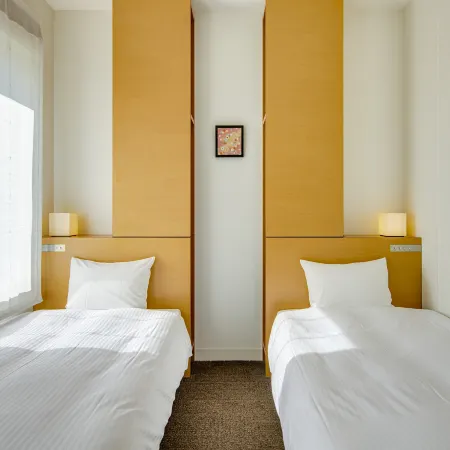


















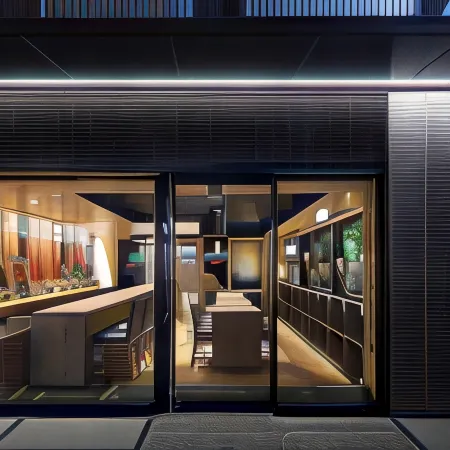

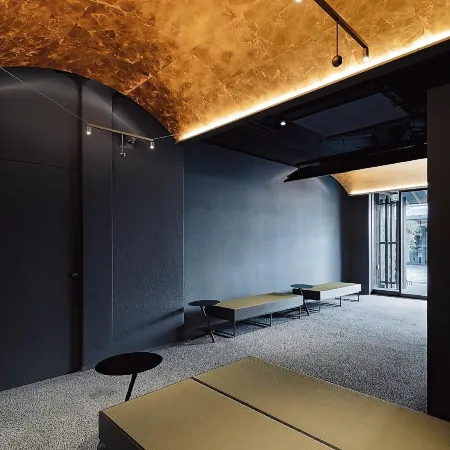
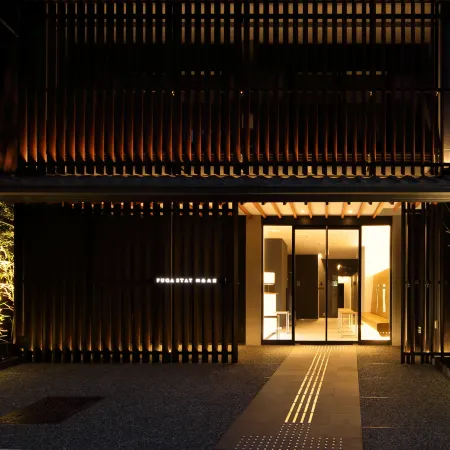
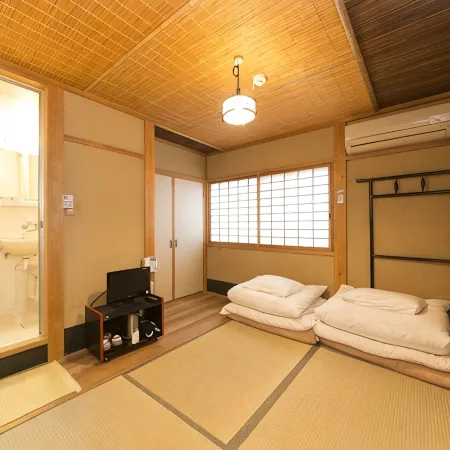

Trending places in Kyoto
Landmarks
Districts
Popular areas
Explore accommodation types in Kyoto


Premium Hotels in Kyoto

Hiiragiya Ryokan

The Westin Miyako Kyoto (KASUI-EN)

MUNI KYOTO

Marufukuro
Sora Niwa Terrace Kyoto Bettei
Garrya Nijo Castle Kyoto
THE HIRAMATSU KYOTO
Dusit Thani Kyoto
Fauchon Hotel Kyoto
The Westin Miyako Kyoto
Hyatt Regency Kyoto
The Thousand Kyoto
Hilton Kyoto
Ace Hotel Kyoto
Hotel the Celestine Kyoto Gion
Hotel Okura Kyoto Okazaki Bettei
STITCH HOTEL KYOTO
Hotel Granvia Kyoto
Kyoto Arashiyama Onsen Kadensho (Kyoritsu Resort)【Reopening in 2026】
KOHAKU Apartment Hotel Kyoto
Kyoto Hotels: Where to Stay by Area, Budget and Trip Type
Kyoto's hotels sit in three useful zones: around Kyoto Station for the trains and the buses, along Kawaramachi for the shopping and the nightlife, and near Nijo Castle for the quieter western side of the centre. Each area changes how you reach the temples, and the price gap between them is narrower than in Tokyo or Osaka.
Kyoto Hotels at a Glance: Which Area Fits Your Trip
Start with how you plan to see the city. A first visit suits Kyoto Station, a food-and-shopping trip suits Kawaramachi, and a quiet stay with easy walks suits the Nijo Castle area.
Area | Best for | Price level | Transport | Trade-off |
|---|---|---|---|---|
Kyoto Station and surrounding areas | First visits, day trips, early trains | Mid-range to premium | JR, the metro and the bus terminal in one complex | A modern station area rather than old streets |
Kawaramachi | Shopping, dining, nightlife | Budget to mid-range | Bus and metro stops across the district, with the river close | Busy streets and noise in the evening |
Nijo Castle | Quiet stays, walking, the west side | Mid-range | Metro and bus stops nearby, with the castle and the streets around it | Fewer restaurants within a short walk |
The three areas sit within a short bus or metro ride of each other, and the city is easy to cross. What differs is the street outside and how far the money goes on the room.
Kyoto Station Hotels: The Transport Base
Kyoto Station is the practical base for a first visit, with the trains, the metro and the bus terminal in one place. It is the easiest area for day trips and for arriving with luggage.
Hotel | Best for | What to expect |
|---|---|---|
A first trip where the station is the anchor | Established option, with easy transport and large rooms that guests rate well | |
A trip where the bath is part of the day | Premium choice, with a hot spring and breakfast that guests rate well | |
Arriving by train | Mid-range pick, with a hot spring and larger rooms, close to the station |

The station area is modern and busy, with department stores, restaurants and a rooftop view. It is not the old Kyoto, but it is the easiest place to start and end a day.
The bus terminal is the other advantage. Most of the temple routes start in the station complex, so you can plan a day around one bus and come back without a transfer.
Kawaramachi Hotels: Shopping and the River
Kawaramachi runs along the shopping streets west of the river, with department stores, restaurants and the old lanes behind them. It is the area for eating well and walking home late.
Hotel | Best for | What to expect |
|---|---|---|
A trip where the hotel is part of the experience | Design-led option, with large rooms and a hot spring that guests rate well | |
A central base | Mid-range pick, with easy transport and the metro close by | |
A budget stay | Budget option, with shopping nearby and a design that guests mention |
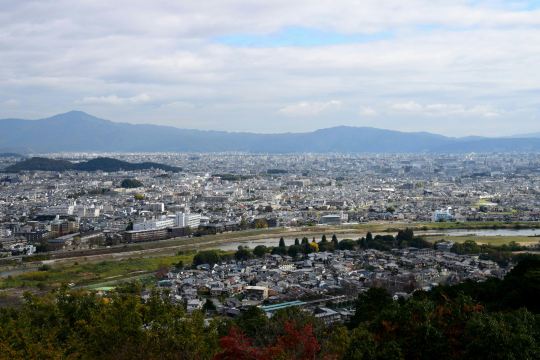
The district is at its best in the evening, when the shops close and the restaurants open. The river is a short walk away, and the lanes behind the main street hold the smaller places worth finding.
The riverbank is the local gathering place. On a clear evening, the path fills with people sitting by the water, and it is a good way to end a day without spending anything.
The department stores are useful in the rain. Their food halls sit below street level, and they sell prepared meals that are better than most hotel breakfasts for a fraction of the price.
Nijo Castle Hotels: The Quiet West Side
The Nijo Castle area sits west of the centre, around the castle, the old streets and the residential blocks. It is the quietest of the three, and the best for walking.
Hotel | Best for | What to expect |
|---|---|---|
A central base | Mid-range choice, with a hot spring and shopping nearby that guests rate well | |
A central base | Adds breakfast and shopping to the same streets, with a location guests rate well | |
A budget stay | Budget option, with a convenient location and breakfast that guests mention |
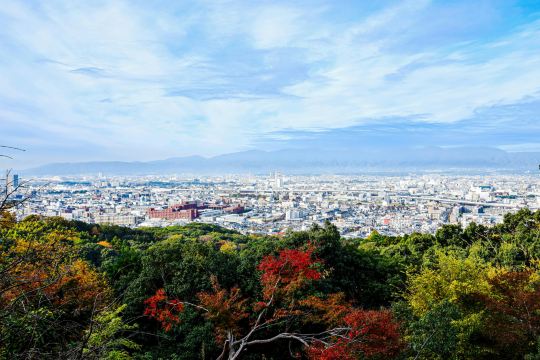
The area is calm at night, and the streets are easy to walk. The trade-off is fewer restaurants within a few minutes, so plan dinner before you head back.
The castle is the anchor, and the streets around it are made for slow walks. A morning here is quieter than the temple districts, and the walk back into the centre takes you through ordinary neighbourhoods. The grounds are worth an hour, and the small cafes around them make a good stop before the walk back.
What Kyoto Hotels Cost: What Each Price Band Buys
Kyoto is expensive for Japan, and the range tracks the area, the season and the size of the room.
Price level | What it buys |
|---|---|
Budget | Compact rooms near the station or the shopping streets |
Mid-range | Four-star rooms with hot springs or breakfast |
Premium | Larger rooms, hot springs and full service |
A couple of things are worth pulling out of that table. The mid-range band carries most of the city's rooms, and the difference inside it is the bath, the breakfast and the walk to the bus stop. The premium band buys space and a hot spring, which in Kyoto is a real luxury after a day of walking.
Season decides more than the band. Spring and autumn are the busiest weeks, and the same room can sit in a different band a month later, so compare dates before you commit.
Kyoto Hotels for Two Nights or Two Weeks
A weekend in Kyoto fits one base. Two nights do not justify a move, and the buses and metro cover the main temples from any of the three areas.
Longer stays change the balance. A week or more makes room size and laundry matter, and the station hotels start to make sense. If you plan day trips to Nara or Osaka, Kyoto Station is the base to prioritise.
A common pattern is to split the nights between the station and Kawaramachi. The move costs one bus ride, and it puts the transport at the start and the restaurants at the end.
Moving hotels mid-trip only makes sense on a longer stay. Spend the first morning at the temples near the station and the second evening by the river, and keep the hotel where it is; the buses cover the distance in minutes.
Kyoto Hotels: Practical Tips on the Ground
A few local habits make a Kyoto stay easier.
Use the bus as well as the metro
The bus network reaches the temples that the metro does not, and a day pass covers the main routes. A hotel near a bus stop is often more useful than one near a station. Buses run frequently, and the drivers announce the main stops, which makes the first ride easy. A day pass pays for itself in a few rides.
Start early at the famous sights
The popular temples fill by mid-morning, and the light is better earlier anyway. A hotel near the station makes an early bus easy, and a hotel in Kawaramachi puts some sights within a walk.
Carry cash for small shops
Cards are accepted widely, but small temples, shops and restaurants often prefer cash. A few thousand yen covers a day of snacks and entrance fees, and many temple stalls keep no card reader at all.
Keep your voice low in the lanes
The old streets are residential as well as commercial, and the local rules on photography and noise are taken seriously. A quiet voice and a step back from a doorway go a long way, and some lanes ask visitors not to photograph inside them.
Bring a Type A adapter
Kyoto runs on 100V with Type A and B sockets, so Canadian plugs fit but the voltage is lower. Most chargers handle it, but check the small print.
Keep the first evening close
The first evening is not the time to be solving transport. A station hotel puts dinner and the bus terminal within a few minutes, and leaves the temples for a morning when you have had some sleep.
Stay at the station for the trains, in Kawaramachi for the food, and by Nijo for the quiet. Kyoto rewards slow travel, and one base is usually enough. Any of these bases works if it fits your days, so travel at your own pace.
※ Prices and room availability vary by date and room type. Confirm current rates before booking.
Top hotel picks in Kyoto
Ala Hotel Kyoto
Tennen Onsen Renka no Yu Onyado Nono Kyoto Shichijo
The Royal Park Hotel Kyoto Umekoji
Kyoto Umekoji Kadensho
Mitsui Garden Hotel Kyoto Shijo
Hotel Keihan Kyoto Ekiminami
VIA INN PRIME KYOTOEKI HACHIJOGUCHI JR-West Group
Hotel Glad One Kyoto Shichijo by M's
RIHGA Gran Kyoto
sequence KYOTO GOJO
Hotels with tasty breakfast in Kyoto
RIHGA Royal Hotel Kyoto
KYOTO TOKYU HOTEL
THE GATE HOTEL KYOTO TAKASEGAWA by HULIC
Mitsui Garden Hotel Kyoto Sanjo PREMIER
GOOD NATURE HOTEL KYOTO
Hotel Granvia Kyoto
Kyoto Arashiyama Onsen Kadensho (Kyoritsu Resort)【Reopening in 2026】
The Thousand Kyoto
Hotel the Celestine Kyoto Gion
The Westin Miyako Kyoto
Latest Reviews for Kyoto hotels

Hotel M's Est Kyoto Station South
hotel androoms Kyoto Shichijo
Waka Kyoto Kawaramachi Hotel
Hotel Briller Kyoto Station South
FAQs About Hotels in Kyoto
What are the most popular hotels in Kyoto?
What is the average price for hotels in Kyoto?
What are the best hotels for families in Kyoto?
What are popular hotels with high-quality breakfasts in Kyoto?
What hotels in Kyoto offer airport shuttle?
What are available deals for hotels in Kyoto?
Which pet-friendly hotels in Kyoto are recommended?
Which popular hotels in Kyoto offer free Wi-Fi ?
Which hotels in Kyoto have swimming pools?
Which hotels in Kyoto are best to enjoy ocean?
What are the best sap hotels in Kyoto?
Which hot spring hotels in Kyoto are recommended?
What are best luxury hotels in Kyoto?
Kyoto Hotels Information
| Number of reviews | 167,496 |
|---|---|
| Total properties | 1736 |
| Weekday Avg. Price | €272 |
| Weekend Avg. Price | €296 |
| Trending hotel | Miyako Hotel Kyoto Hachijo |
| Popular area | Kyoto Station and surrounding areas |