Carry On Luggage Size Limits & Airline Rules


As a frequent Canadian traveller flying domestically, to the US and overseas, I’ve run into plenty of carry-on troubles: oversized bags failing airport sizers, unexpected basic economy baggage fees, CATSA packing confusion and inconsistent airline rules. This updated guide shares all verified size limits, airline policies, fees and packing tips made just for Canadian travellers, with both cm and inch measurements included.
New York
Los Angeles
London
Rome
Paris
See all flights


What Is a Standard Carry-On Luggage Size?
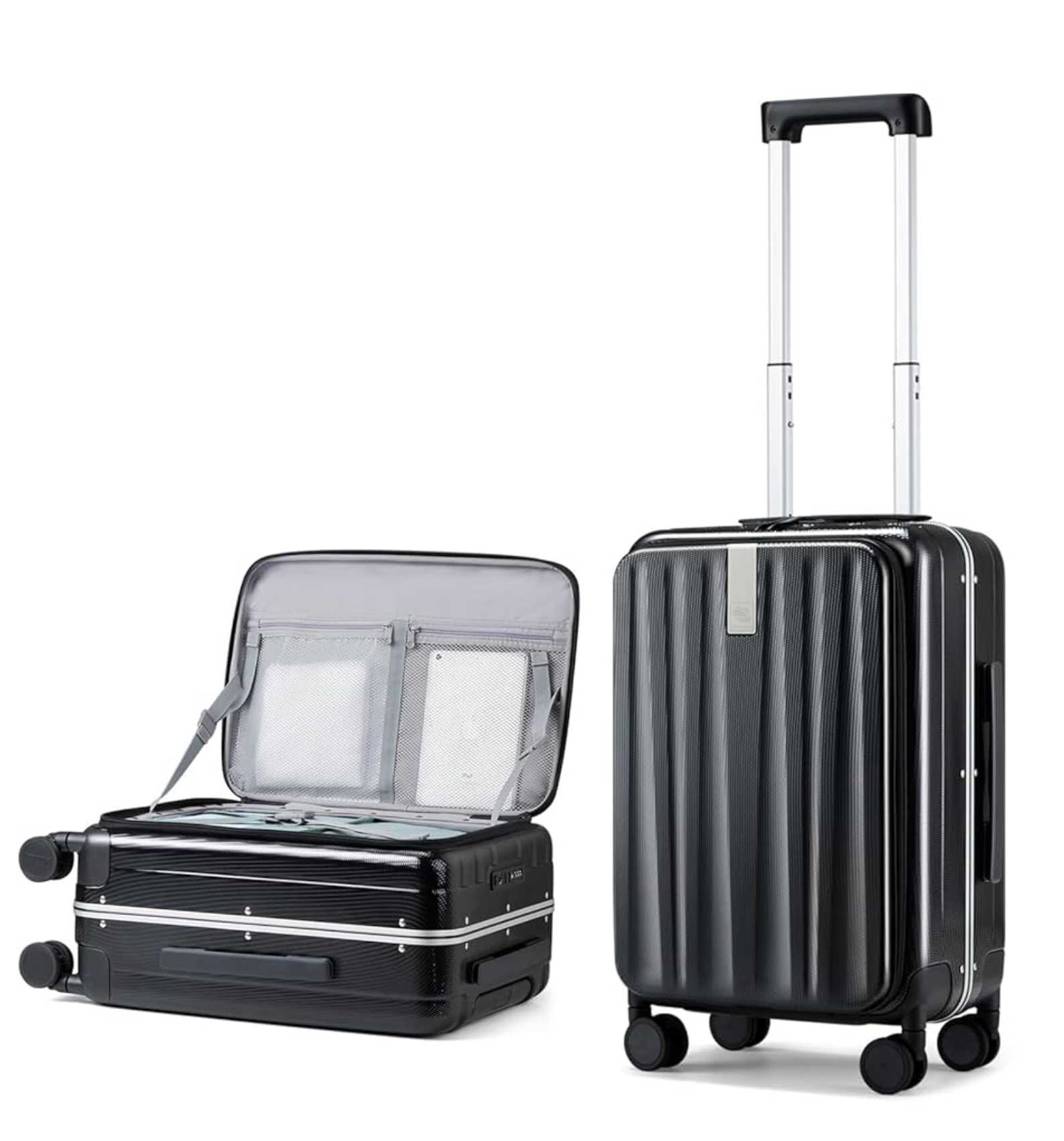
First, let’s nail down basic definitions to avoid mix-ups. A carry-on bag is a cabin-approved suitcase, backpack, or travel bag designed to stow in the aircraft overhead bin during your flight. Here’s the non-negotiable industry rule every Canadian airport and airline follows: wheels, exterior handles, bumpers, and side pockets all count toward total external dimensions — you cannot exclude these parts to fit size limits.
The global airline industry standard for standard carry-on dimensions is:
- Metric (cm, Canadian standard): 55 × 40 × 23 cm (most common baseline)
- Imperial (inches): 21.5 × 15.5 × 9 in
You’ll also hear the term linear inches/linear centimetres, a universal alternative sizing method airlines use for flexible baggage rules. The formula is simple: Length + Width + Height = Total Linear Size. For reference, the standard 55×40×23 cm bag equals 118 linear cm, and most airlines cap economy carry-ons at 115–120 linear cm.
Carry On vs. Personal Item: What’s the Difference?
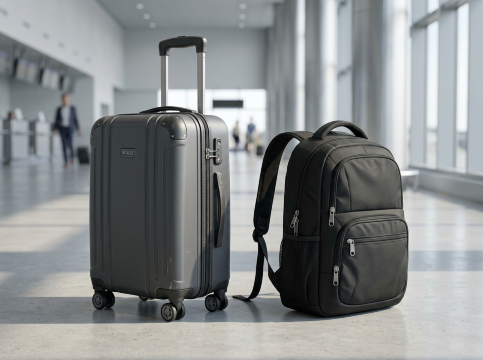
This is the most common mistake I see fellow Canadian travellers make: mixing up overhead-bin carry-ons and under-seat personal items. Nearly all economy fares worldwide let you bring one standard carry-on + one personal item for free, with strict separate storage rules:
Standard Carry-On
Stored in the overhead bin, sized for full travel luggage, follows the airline’s official cabin bag dimension limits, holds most of your trip belongings.
Personal Item
Small, compact bag that fits fully under the seat directly in front of you. This includes purses, laptop backpacks, crossbody bags, small pet carriers, and diaper bags (exemptions apply for family travel). Typical industry personal item sizing:
- Standard metric: 43 × 33 × 16 cm
- Standard imperial: 17 × 13 × 6 in
Critical note: Budget Canadian and US basic fares now strip standard carry-on privileges, only allowing a personal item onboard — I break down every fare restriction below airline by airline.
How to Measure Your Carry-On Luggage Size Correctly At Home
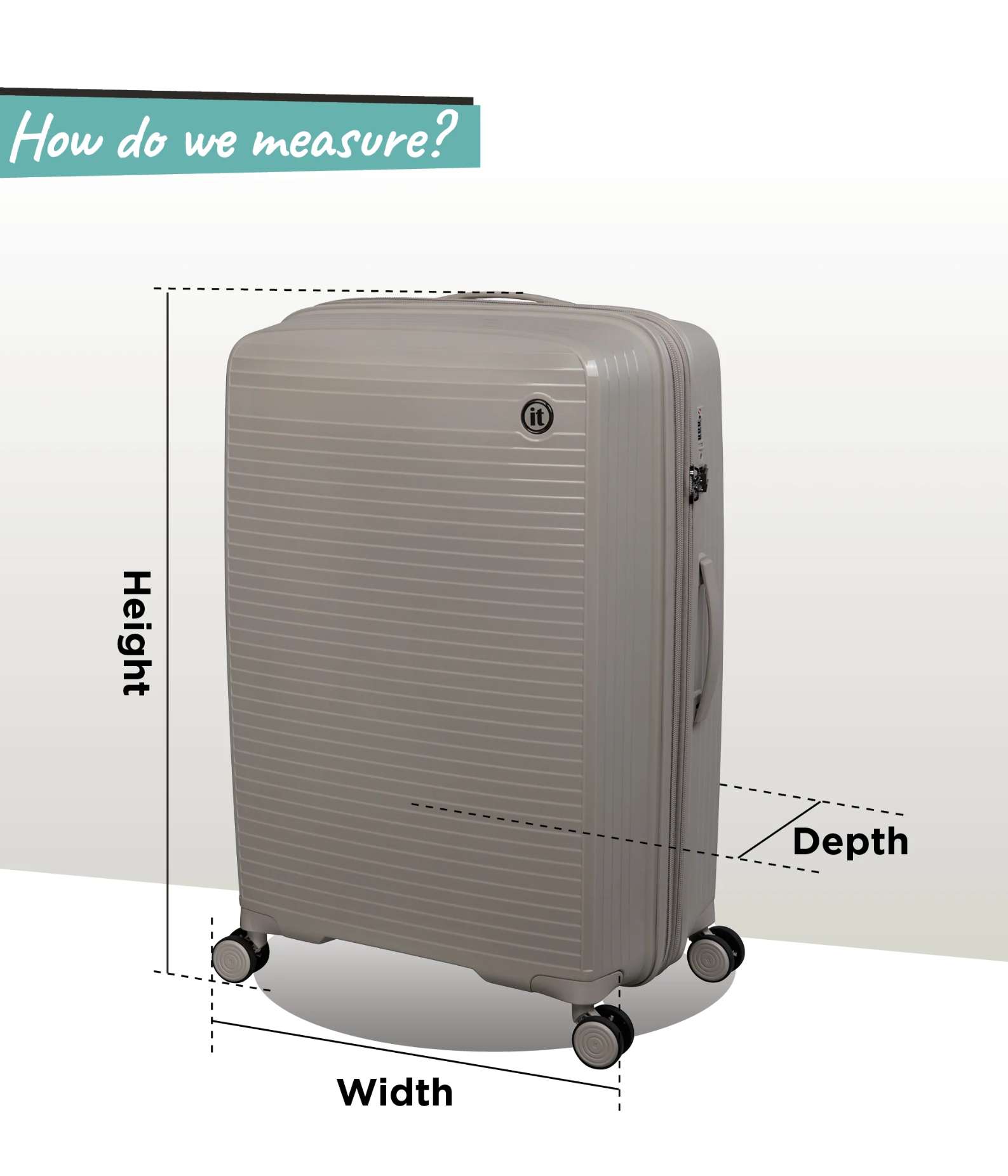
I measure every bag before leaving home to avoid gate-check fees at YVR, YYZ or YUL automated sizers. Here is my foolproof step-by-step method for accurate measuring:
- Use a soft fabric tape measure: Hard rulers curve on bag edges, soft tape matches airline sizing tool measurements perfectly.
- Measure maximum exterior points only: Measure total height including extended top handle + wheels, total width including side grip handles, total depth including exterior side pockets.
- Calculate linear size: Add L+W+H to check linear cm/inch caps (vital for international carriers like Singapore Airlines that only use linear sizing).
- Measure packed, not empty: Full luggage expands fabric sides, making an empty compliant bag oversized once packed.
Quick formula recap: Linear cm = Full Length + Full Width + Full Height (wheels + handles included).
Stay Connected With Trip.com!
See all attractions
 662141 booked













Carry On Luggage Size by Airline: Canadian Traveller Quick Reference
I organized this list from domestic Canadian carriers, to US cross-border airlines, then global international airlines. Every entry includes cm/in sizes, weight limits, free carry-on status, and fare restrictions verified directly from airlines' official baggage pages.
Main Canadian Domestic Carriers
Airline | Standard Carry-On Size | Personal Item Size | Weight Rule | Fare & Cost Rules |
|---|---|---|---|---|
55×40×23 cm (21.5×15.5×9 in) | 43×33×16 cm /17×13×6 in | No official weight limit (self-lift required) |
| |
56×36×23 cm (22×14×9 in) | 41×33×14 cm /16×13×6 in | No official weight limit (self-lift required) |
| |
55×40×23 cm (21.5×15.5×9 in) | Standard under-seat size allowed | No official weight limit | Free standard carry-on for all ticket fares | |
55×40×23 cm (21.5×15.5×9 in) | Airline regulated under-seat bag | No official weight limit |
| |
55×40×23 cm (20×15.5×9 in)(strict height) | Standard under-seat size allowed | Domestic: no weight limitInternational: 8kg limit | Free standard carry-on for regular passenger fares |
Major US Airlines Flying From Canadian Airports
Airline | Standard Carry-On Size | Weight Rule | Fare & Cost Rules |
|---|---|---|---|
56×36×23 cm /22×14×9 in | No weight limit | Free carry-on for all economy fares | |
56×35×23 cm /22×14×9 in | No weight limit | Free carry-on for all economy fares | |
56×36×23 cm /22×14×9 in | No weight limit | Free carry-on; US-Canada Basic Economy: personal item only | |
Southwest Airlines | 61×41×25 cm /24×16×10 in (most generous US sizing) | No weight limit | Free carry-on for all economy fares |
56×36×23 cm /22×14×9 in | No weight limit | Free carry-on for all economy fares | |
61×40.6×25 cm /24×16×10 in | 35 lb weight cap | Standard carry-on requires additional fee |
Top International Airlines Popular With Canadian Travellers
Nearly all international carriers enforce strict weight limits, unlike North American airlines:
Airline | Standard Carry-On Size | Weight Rule | Fare & Cost Rules |
|---|---|---|---|
55×35×25 cm | Combined 12kg cabin total | Free carry-on allowance | |
56×45×25 cm | 23kg economy limit | Free carry-on allowance | |
55×40×23 cm | 8kg economy limit | Free carry-on allowance | |
55×38×20 cm | 7kg economy limit | Only 1 cabin item allowed | |
55×35×25 cm | Combined 12kg cabin total | Free carry-on allowance | |
55×40×23 cm | 8kg economy limit | Free carry-on allowance | |
Max 115 linear cm | 7kg economy limit | Measured by linear cm only | |
50×37×25 cm | 7kg economy limit | Free carry-on allowance | |
56×36×23 cm | 7kg economy limit | Free carry-on allowance | |
Airline specified cabin size | Airline regulated weight | Only under-seat bag free; overhead carry-on needs pre-paid booking |
Carry On Luggage Weight Limits: What You Need to Know
After years of flying, I split airlines into two clear weight rule groups for quick reference:
- No official weight limit (North American carriers): Air Canada, WestJet, Porter, Flair, Air Transat, all major US airlines. The only rule: you must lift your carry-on into the overhead bin completely unassisted by crew members. Overly heavy bags will be gate-checked.
- Strict enforced weight limits (Global international carriers): Almost all European, Middle Eastern, Asian, Australian airlines cap economy carry-ons at 7kg to 10kg, with gate weigh scales common at departure gates.
Quick Comparison Takeaway: Pack 7kg max for all international trips; prioritize bag volume over weight for Canada/US cross-border flights.
What Can You Pack in Your Carry On? CATSA + IATA Rules For Canadians

All Canadian security follows CATSA federal regulations aligned with global IATA aviation rules. Below is simplified packing guidance I use for every departure out of YVR, YYZ, YUL, YYC and YEG.
Liquids, Gels & Canada’s 100mL 3-1-1 Rule
CATSA enforces this rule for all Canadian security screening without exception for standard toiletries:
- All liquids, gels, aerosols, creams, pastes must sit in containers 100mL/100g or smaller
- All containers fit inside one single clear, resealable 1-litre plastic bag
Official CATSA Exemptions (no size limit required): Prescription liquid medication, baby formula, breast milk, sterile medical supplies for personal use.
Duty-free liquids: Sealed airport duty-free liquids are allowed onboard, but if you have a connecting Canadian domestic flight, sealed duty-free items must follow the 100mL rule for re-screening.
Electronics, Smart Bags & Power Banks
- Laptops/tablets: Allowed in carry-on; must be removed from bags for CATSA screening
- Power banks: Only permitted in carry-on, never checked luggage. Standard consumer models under 100Wh are fully approved; no airline approval needed.
- Smart luggage: Bags with non-removable built-in lithium batteries are banned on most Canadian and international flights. Always remove battery before flying.
Medications, Medical Devices & Special Items
My top travel safety rule: always pack prescription medication in your personal item, inside original labelled pharmacy packaging. Key Canadian airline rules:
- Mobility aids, CPAP machines, insulin kits, epinephrine auto-injectors are permitted in addition to your standard carry-on + personal item — they do not count toward baggage limits
- No fees apply for gate-checking necessary medical equipment across all Canadian carriers
Travelling With Kids: Strollers, Car Seats & Diaper Bags
- Diaper bags: Approved as a free extra item, outside your regular carry-on/personal item allowance on all Canadian airlines
- Collapsible strollers: Free gate-check permitted nationwide at no cost
- Approved car seats: Allowed onboard as a carry-on if you purchased a separate seat for your child; otherwise free checked/gate-checked
Cabin Pet Travel For Canadian Flyers
Air Canada, WestJet, Porter allow small cats/dogs in cabin year-round. Official rule: Your approved hard-sided/soft-sided pet carrier counts as your assigned personal item. Each airline sets per-flight pet weight + carrier dimension caps, and advance paid cabin pet booking is mandatory before check-in.
Automated Baggage Sizers & Oversized Carry-On Consequences
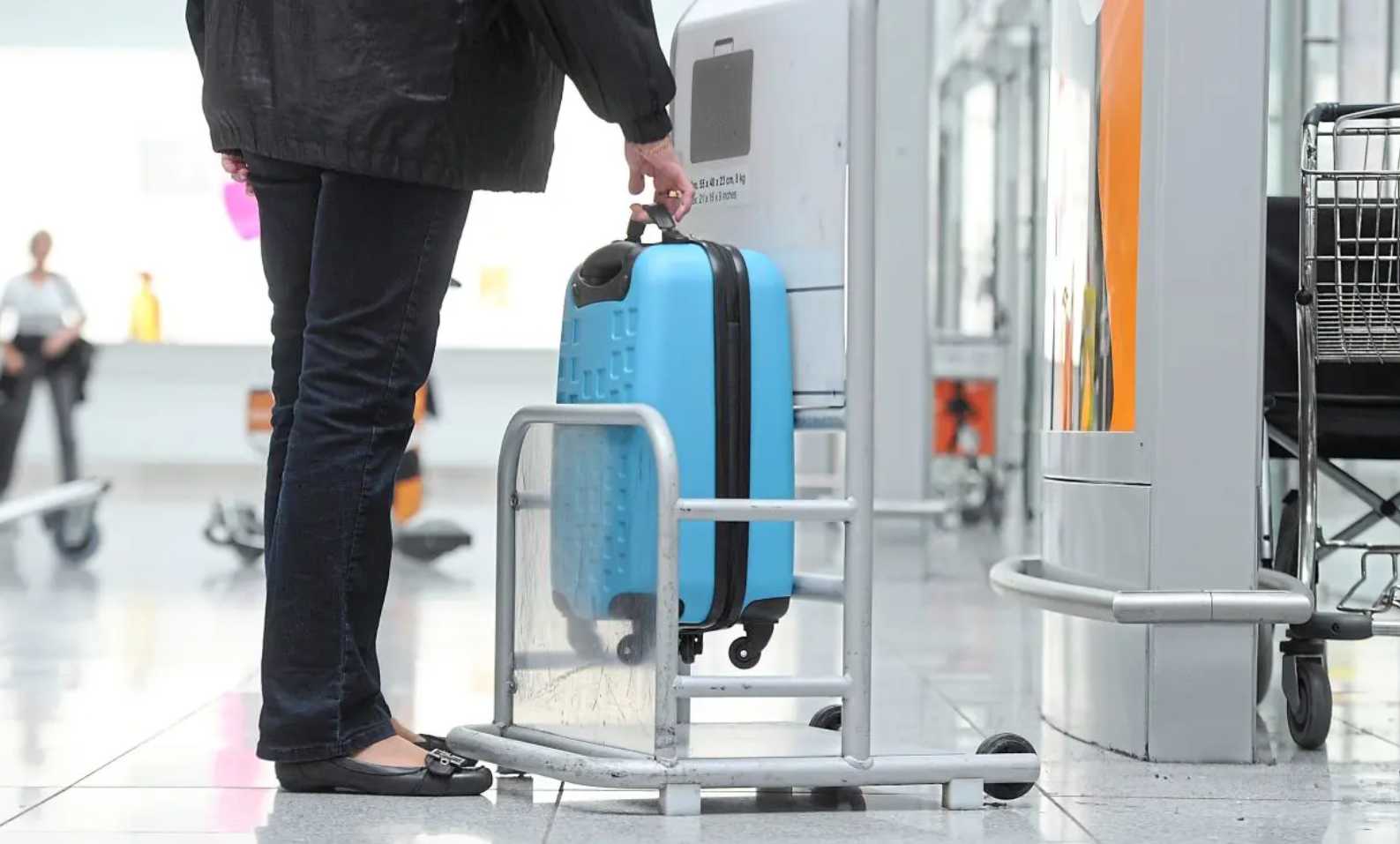
Automated electronic carry-on sizers are permanently installed at YUL Montreal, YYZ Toronto, YVR Vancouver main security zones, now mandatory for all departing passengers. If your bag fails the size test:
- You will be required to gate-check the bag
- Gate-check fees ($65–$78 CAD typical for Air Canada) apply for fare tiers without included checked baggage
- In peak season, oversized bags may be denied cabin space entirely, causing boarding delays
Car Rentals
Car Rental Promo Code - 8% Off
New User Enjoy up to 8% Off
TRIPCAR8
Pro Tips To Pick The Perfect Universal Carry-On For Canadian Travel
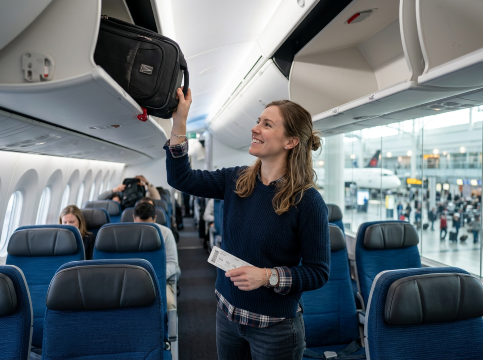
As someone who flies domestic, US and Europe yearly, here is my curated bag-buying advice for every Canadian traveller:
- Choose a universal size bag: 55×40×20 cm. This trimmed-down size meets the strictest rules from Air Transat, Emirates, Ryanair and all North American carriers, eliminating sizing stress entirely.
- Hard-shell vs soft-sided bags: Soft-sided luggage stretches slightly for packed clothing, better for domestic Canada trips; hard-shell holds shape to pass automated sizers, ideal for international budget airline flights.
- Litre sizing cheat code: 35L–40L = perfect universal cabin volume; anything over 45L will almost always exceed airline dimension limits.
Final quick reminder: Always confirm your fare tier before packing — Basic and UltraBasic fares are the #1 reason Canadian travellers get stuck with unexpected baggage fees at the gate.
[10% OFF] Global Hotel Recommendations
New York
London
Rome
Paris
Sydney
Bangkok
See All Hotels


















































FAQs about Carry On Luggage Size
-
Will Air Canada accept a 22-inch carry-on?
-
What is WestJet's carry-on size?
-
Is a 22-inch carry-on too big for most airlines?
-
What is the standard carry-on luggage size in cm for international flights?
-
Do carry-on size rules differ for connecting flights with multiple airlines?
Disclaimer: This article has been provided by an individual contributor or third party platform. If there is any discrepancy regarding the copyright, please contact us directly and we will delete the content immediately.
Trending Searches
-
Air travel guide
-
Latest Flight Deals
-
eSIM/SIM card