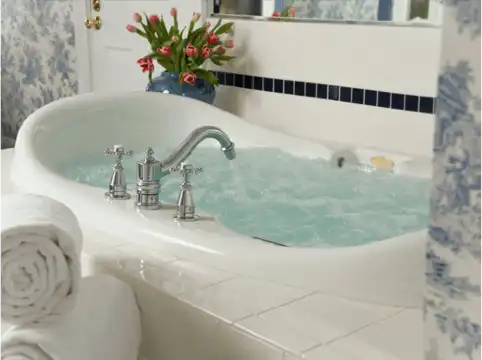
Hotels in Youyang County with Bathtub
Select your dates to see hotels in Youyang County with Hot Tub for relaxation.
Scroll down to see hotels
Filter by:
Hotel Star Rating
≤2345
Guest Rating
Amazing 9+Great 8+Good 7+Pleasant 6+Youyang County Hotels with Hot Tub
Check out our selection of Youyang County hotels with Hot Tub
Most Booked
Lowest price
Closest to downtown
Highest Rated


99+
Excellent
902 reviews
9.7/10
1 night
From AED 102




99+
Hotels in Youyang County
"It's been a long time since I've stayed in a guesthouse with such a charmingly old-fashioned (in a good way) location.
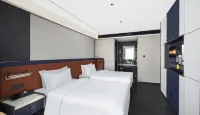
After parking on the mountain, you walk down a flight of stairs to the guesthouse, which has a slightly rustic, garden-like feel at the entrance. You need to climb up to the rooms; there are three floors in total, but no stairs. We stayed in the innermost room on the third floor. The room was large, very clean, and fully equipped. The heating was incredibly powerful (it really dries clothes!), there was a separate shower and toilet, and mosquito repellent was provided. The screens were very tight, so there were practically no mosquitoes in the room (and if there were, they weren't very smart). There was also a live TV.
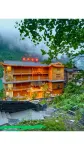
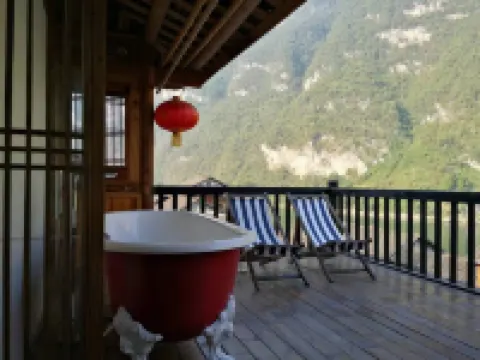
The river view from the window was absolutely stunning! This view was definitely worth the climb up and down. You can see the ancient town and the river; in the morning mist and rain, it's perfect for sitting and enjoying tea. We even considered staying another day, but we had to get going in the end, hehe."
Excellent
129 reviews
9.7/10
1 night
From AED 116

99+
Hotels in Youyang County
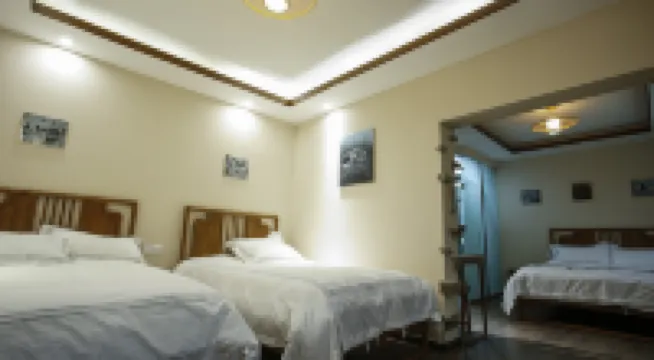
The QSHAN GALLERY HOTEL is an ideal spot for travelers wanting to discover the city. The QSHAN GALLERY HOTEL is an ideal choice for travelers who want to take in the sights and sounds of Youyang County. Qianjiang Wulingshan Airport is the closest major transportation option, approximately 80km away. Traveling to and from the airport is easy with Qianjiang Wulingshan Airport located approximately 80km away. Keeping busy is easy, with Gongtan Ancient Town, Xiqin Association and Gongtan Ancient Town Wujiang Gallery all nearby. In their spare time, guests can explore the hotel's surroundings. Guests of this Youyang County hotel can make use of the parking facilities.
"”Staying at this hotel for the second time, still impressed by the quality service and comfortable experience! The room was clean and tidy, the bedding was soft and the sound insulation was very good. The front desk was warm and professional, checked in quickly, and the room type was upgraded intimately. The location is convenient, the surrounding business district and transportation are very convenient. The price is super high, I will continue to choose here for business trips in the future, highly recommended! ”"
41 reviews
8.6/10
1 night
From AED 58

94
Hotels in Youyang County
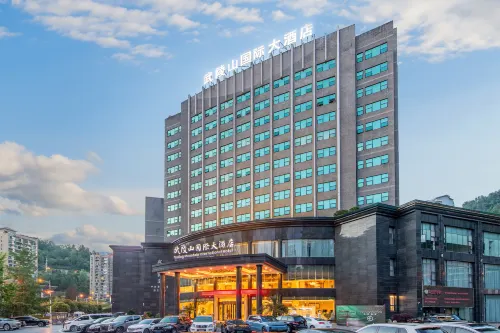
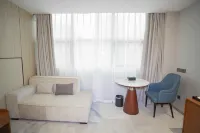
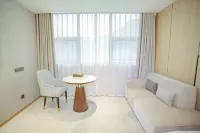
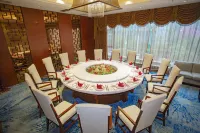
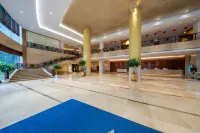
The Youyang Wuling Mountain International Hotel is a great choice for guests looking for accommodation in Youyang County, having been recently renovated in 2023. The hotel is located approximately 28km from Youyang Railway Station and 88km from Qianjiang Wulingshan Airport. This hotel is located near many of Youyang County's attractions including Haileer Children's Indoor Playground, Youzhou Ancient Town and Youzhou Xiaodi. After a long day of sightseeing, guests can retire to the comfort of the hotel. For those driving themselves, parking is provided on site. According to our trusted guests, the facilities at this hotel are first-rate. For guests traveling with families, this hotel is consistently one of the most popular choices.
"Who says this hotel is not good? This hotel is amazing, clean and nice, the front desk is enthusiastic and the room aunt is very kind. I wanted to ask for an extra comb and it was delivered to me in less than two minutes after I called. Oh my God! ! ! Ahhh, it’s very good, anyway, come, come, come and stay here! ! ! !"
Outstanding
786 reviews
9.4/10
1 night
From AED 147
99+
Hotels in Youyang County
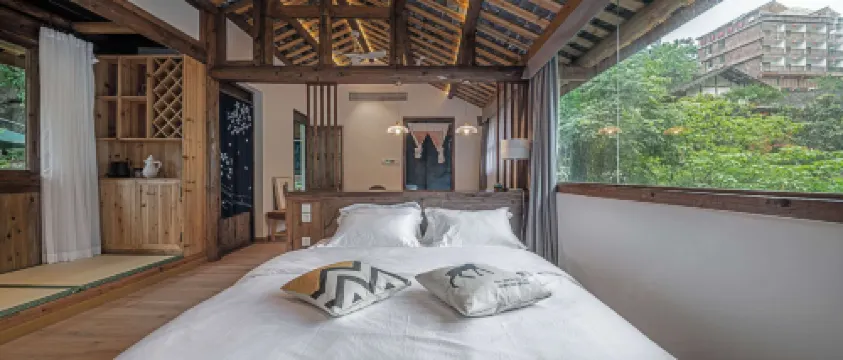
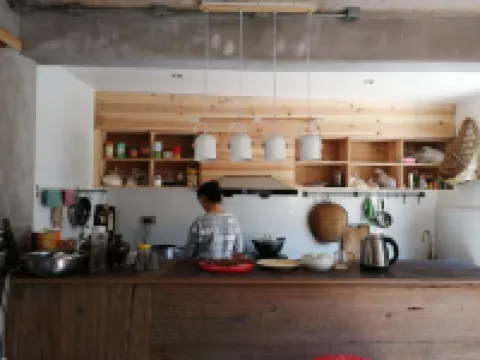
Xufeng Courtyard, Gongtan | A Living Art Museum
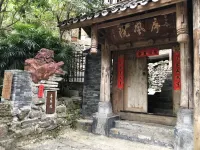
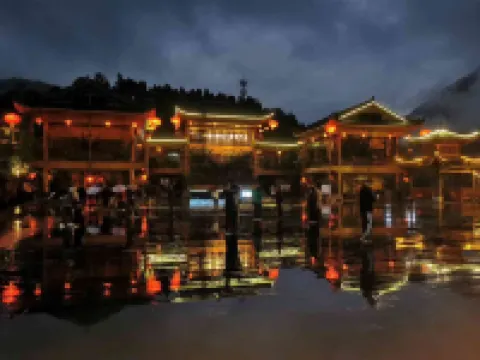
Gongtan Ancient Town is what Wu Guanzhong painted as "Tang Streets and Song City — the home of grandparents." And Xufeng Courtyard may be the one place in this thousand-year-old town most worthy of that line.
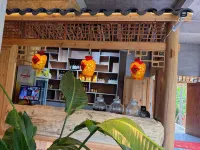
Once a century-old Tujia family residence, it was reimagined in 2019 by designer Jiang Bo — honored as the "Space Magician" — and went on to win the Asia-Pacific Design Elite Invitational Competition in 2020. The three-story main building, constructed entirely of wood, follows the natural slope of the street, its carved windows and doors and winding corner corridors preserving the soul of traditional Tujia stilted architecture. The four-story annex adapts to the terrain; with every step, a new view unfolds, each corner breathing the Eastern philosophy of harmony between heaven and humanity.
Seven guest rooms, each named after a classical ci poetry tune — Duoyun, Huajue, Zhuyu, Yutai, Daishe... every one a different tableau. The two river-view terrace suites open directly onto the Wujiang River's cliff faces and morning mist. Kohler smart bathrooms, King Koil and Slumberland mattresses, and air-source heat-pump hot water allow the grain of this old house to offer the comfort of a luxury hotel.
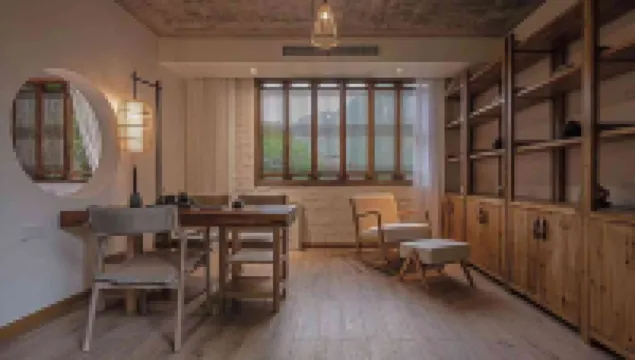
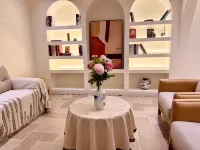
The approximately 120-square-meter book lounge is the soul of Xufeng Courtyard. Pick a book, sip tea, or wait for the host to brew a cup of pour-over coffee — at eight o'clock each evening, the courtyard tea gathering begins. Listen as the Tujia owner, born and raised here, recounts the town's past lives; learn a Tujia folk song; try your hand at intangible cultural heritage batik.
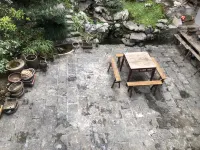
We are not on the riverfront, and so we are farther from the noise. Only a minute from the Wujiang River shuttle stop, an eight- to nine-minute walk from the North Gate parking area, this courtyard hidden in the ancient town's deep alley is a place where time moves a little slower than the world outside.
"The ”Tingfengyuan” guesthouse in Gongtan Ancient Town was built on the homestead of a professional art critic. It retains elements of Tujia stilted building architecture while incorporating a minimalist, modern Chinese Zen-inspired style. Rustic and elegant, it's a themed guesthouse presented like an ”art gallery,” frequently hosting celebrities from the literary and artistic world. If you have the chance, you should experience its artistic atmosphere."
Outstanding
93 reviews
9.4/10
1 night
From AED 82
99+
Hotels in Youyang County
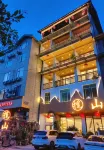
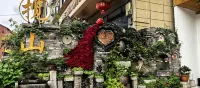
The Lanshan B&B, Lutan Ancient Town provides a great place for travelers to relax after a busy day. The Lanshan B&B, Lutan Ancient Town offers a pleasant stay in Youyang County for those traveling for business or leisure. Qianjiang Wulingshan Airport is the closest major transportation option, approximately 81km away. Qianjiang Wulingshan Airport is approximately 81km away by road. With Xiqin Association, Gongtan Wu Guanzhong Memorial Hall and Gongtan Ancient Town Wujiang Gallery all within a short distance, there is no shortage of things to do in the area. In their spare time, guests can explore the hotel's surroundings. For those driving themselves, parking is provided on site. According to our guests, this hotel provides a very high level of service. This hotel is particularly popular with those traveling with families.
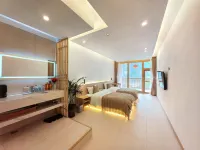
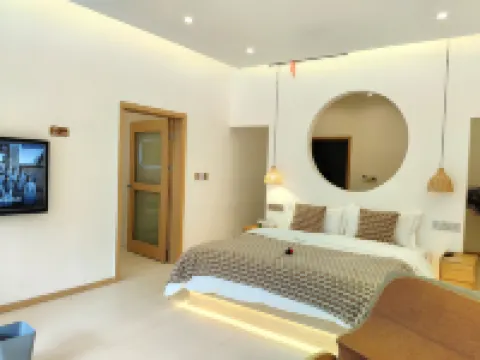
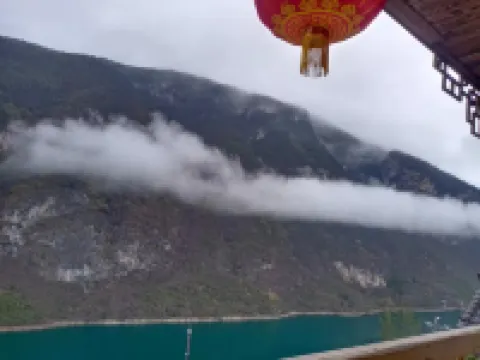
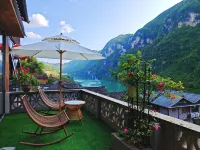
"The room is spacious and clean, with complete sanitary facilities. The location is good, and you can see the Wujiang River flowing slowly from the balcony, which is very pleasant. The breakfast is very generous, with a bowl of porridge, a cup of soy milk, a vegetarian bun, a steamed bun, a piece of corn, a piece of sweet potato, two pieces of fried dough sticks, and an egg. The downside is that the WiFi has not been connected, I hope it can be improved in the future."
Very Good
220 reviews
9.2/10
1 night
From AED 63
99+
Hotels in Youyang County
Renovated in 2026, the Yunpan Xingxi Inn is a great choice for accommodation in Youyang County. Qianjiang Wulingshan Airport is the closest major transportation option, approximately 81km away. Qianjiang Wulingshan Airport is approximately 81km away by road. Keeping busy is easy, with Gongtan Ancient Town, Xiqin Association and Gongtan Ancient Town Wujiang Gallery all nearby. When guests have some time on their hands they can make use of the onsite facilities. For those driving themselves, parking is provided on site. According to our trusted guests, the facilities at this hotel are first-rate. For guests traveling with families, this hotel is consistently one of the most popular choices.
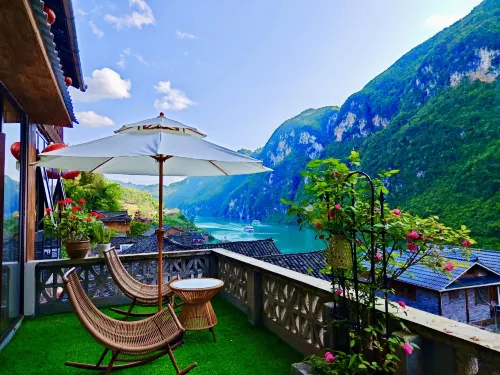
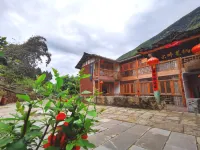
"The room is very spacious, you can see the Wujiang River from the balcony by opening the window, the scenery is beautiful, the room is beautifully decorated, the toiletries are of good quality, and the milk coke snacks are also presented. It is very friendly to families with children. The room is very clean. It is the most satisfying homestay. The key boss is very good. My child has a stomachache at three o'clock in the middle of the night. The boss sent us to the hospital as soon as possible. It is really safe to meet such a boss when you go out. You will definitely choose your homestay when you come to the ancient town of Yantan in the future."
Excellent
170 reviews
9.7/10
1 night
From AED 140


95
Hotels in Youyang County
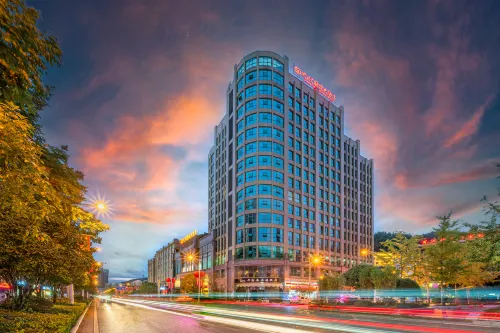
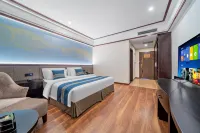
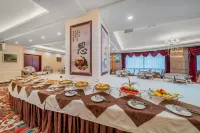
The Times International Hotel (Shidai Guoji Dajiudian) is located within easy reach of the popular Taohuayuan scenic area.Diners will find both Chinese and Western foods served in this Youyang hotel.Besides, there are various function rooms suitable for organize events like meetings, parties and exhibition.
"Facilities: Old three-star hotel, some facilities are available, a little regrettable room washbasin water pipe has holes, waterproof will drip on the ground, splash everywhere, indicating that the waiter did not check carefully, the management naturally does not know.
Hygienic: The sanitary conditions in the room are good
Environment: The environment inside and outside the hotel is good, adjacent to the bustling area of the county and the ancient city of Zhangzhou, very close to the south gate entrance of Taohuayuan Scenic Area, a few minutes walk
Service: Hotel services are available, receptionists, restaurant waiters, lobby managers and waiters are all well trained."
157 reviews
8.0/10
1 night
From AED 78




99+
Hotels in Youyang County
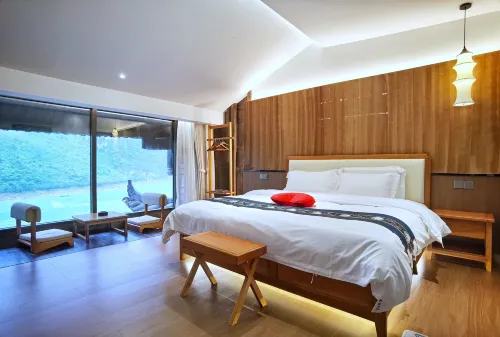
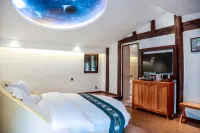
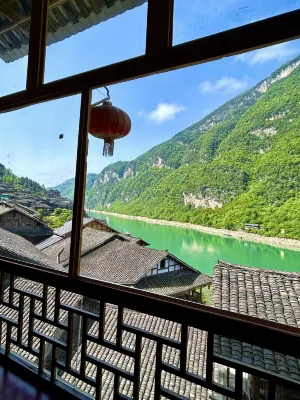
"This is a high-quality homestay, with high-end appearance, indoor Chinese style, high-end quality, and the window can be seen in Wujiang, and the mountains and clouds are surrounded by clouds and mists, like a fairyland. The bed is a latex mattress, it is very comfortable and intelligent to sleep, even the hair dryer is a brand, and it is also a style brand I like very much. What is unexpected is that the bathroom is also equipped with a disposable toilet cover. This configuration will make many women more convenient to use and feel more beautiful. The owner and waiter Liu Jie are also very enthusiastic and take the initiative to take the luggage and introduce it. In short, it was a pleasant trip, and I had the opportunity to introduce friends."
Outstanding
56 reviews
9.4/10
1 night
From AED 123


18
Hotels in Youyang County
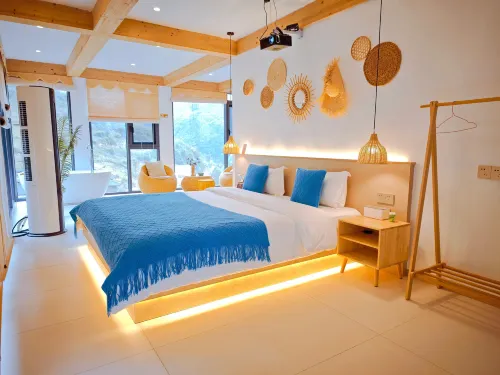
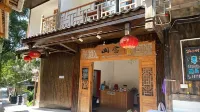
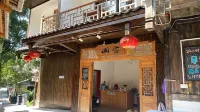
"The value for money is unbeatable! This duplex wooden cabin was just the right size for our family of five. The house is a standard Tujia stilted building; the wooden stairs are quite unique and remind me of my childhood. It was very clean, well-insulated, and fully equipped with all the necessary amenities.
What I loved most was the unobstructed river view from the window—the water shimmered on sunny days, and sitting by the window was a pure bliss. It was very convenient by car; just a two-minute walk from the parking lot. The landlady was incredibly welcoming, even running out to help with our luggage.
Inside, there was a huge 75-inch TV and a 100-inch projector. We snuggled together to watch movies in the evenings, and the experience was comparable to a private cinema! The children and the elderly were all delighted. If I didn't have to go back to work, I would have loved to stay a few more days."
3 reviews
8.8/10
1 night
From AED 129
Frequently Asked Questions
What are popular hotels with high-quality breakfasts in Youyang County?
Mehood Hotel (Chongqing Youyang Taohuayuan) (from AED 59),Youyang Taohuayuan Forest Hotel (from AED 128) and Yunxi Hotel (Youyang Taohuayuan Branch) (from AED 157) are popular hotels with high-quality breakfast. Start your wonderful journey with tasty breakfast!
What are available deals for hotels in Youyang County?
There are multiple promotions and discounts all year round for Trip.com users . Please check the promotions page to see what promotions are available now on Trip.com.
Which hotels with fitness facilities in Youyang County are popular?
Mehood Hotel (Chongqing Youyang Taohuayuan) (from AED 59), Yunxi Hotel (Youyang Taohuayuan Branch) (from AED 157) and Youyang Taohuayuan Forest Hotel (from AED 128) are popular hotels with a fitness center. Keep your fitness plan during traveling from Trip.com!
Which popular hotels in Youyang County offer free Wi-Fi ?
Whether you're traveling on business or for vacation, internet connection is an essential facility. Shiyue Shiqi Homestay (from AED 153), Suxi Bieyuan Homestay (from AED 196) and Dongshi Inn (from AED 108) are popular hotels with free Wi-Fi.
Which hotels in Youyang County have swimming pools?
Youyang Taohuayuan Forest Hotel (from AED 128) provides a good swimming pool. Book now and enjoy your swimming pool!
Keep Exploring
Accommodation types
Pet friendly Hotels in Youyang CountyMountain view Hotels in Youyang CountyBusiness Hotels in Youyang County3-Star Hotels in Youyang CountyHotels with Hot Tub in Youyang CountyHotels with balcony in Youyang CountyBoutique Hotels in Youyang CountyHotels with breakfast in Youyang County2-Star Hotels in Youyang CountyYouyang County HomestaysHotels with Wifi in Youyang CountyHotels with Gym in Youyang CountyYouyang County InnsHotels with parking in Youyang CountyFamily Friendly Hotels in Youyang County4-Star Hotels in Youyang County
Hotels near attractions
Hotels near Hewan Fortified Mountain VillageHotels near Taigu CaveHotels near Guanyin BridgeHotels near Huatian TerracesHotels near Youyang Dieshi Valley Scenic AreaHotels near Fuxi CaveHotels near Youzhou Ancient TownHotels near Gongtan Ancient TownHotels near Dayou CaveHotels near Youyang Taohuayuan