
Japan Taxi Guide: Fares, Rules & Tips for Canadians

As a Canadian traveller who’s navigated Japan’s busy streets and public transit, I know how overwhelming it can be to figure out local taxi rules and pricing. Japan’s taxis are famously clean, safe, and reliable—but they also come with unique pricing structures, regional differences, and cultural rules we never encounter back home. No more surprise bills or awkward riding mishaps: I’ve put together this full breakdown to help you budget, ride, and behave like a pro every time you hop in a Japanese taxi.
To Tokyo
To Osaka
To Sapporo
To Okinawa
See all flights


How Japan Taxi Pricing Works
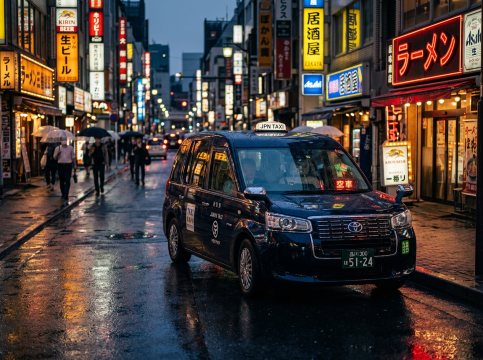
Unlike Canadian taxis with loose regional pricing, Japan’s taxi fares follow a strict, government-regulated formula, with three core components: starting fares, distance increments, and time-based waiting charges. Once you understand this system, you’ll never be shocked by your final receipt.
- Base starting fare: Fares vary slightly by region, but most major cities use a flag-drop rate of ¥500–670 covering the first 1.0–1.2 km. Tokyo’s 23 wards — the most common starting point for Canadian travellers — set this at ¥500 for the first 1.0 km as of 2026.
- Per-distance incremental fare: After the initial distance, the meter ticks up in small increments. In Tokyo, this is ¥100 for every 232 metres travelled; rates range from ¥80–100 per ~230–270 m across other major cities.
- Waiting / slow-speed fees: If traffic drops the taxi below 10 km/h — or if the driver waits for you — extra charges add up by time (roughly every 1.5 minutes in most cities). This is why short rush-hour rides can cost a bit more than open-road trips of the same length.
- Night surcharge baseline: A 20% night surcharge between approximately 10 PM and 5 AM is standard practice. This is the biggest predictable price jump for Canadian travellers, and it applies to every licensed taxi in Japan.
Japan Taxi Fares by City: Tokyo, Kyoto, Osaka & Fukuoka
Pricing across Japan’s top tourist cities is mostly standardized, but small regional differences impact your budget. As someone who’s ridden taxis in all these spots, here’s how they compare for Canadian visitors:
To make it easy to compare at a glance, I’ve broken down the standard daytime fares for regular taxis across Japan’s most popular cities for Canadian visitors:
City | Base Fare | Initial Distance | Per-Increment Charge | What You Need to Know |
|---|---|---|---|---|
Tokyo (23 Wards) | ¥500 | 1.0 km | ¥100 per 232 m | Flat, consistent pricing across all 23 central wards. No extra urban surcharges. Flat-rate airport fares available for Narita and Haneda. |
Osaka | ¥600 | 1.2 km | ¥80 per 263m | Slightly higher base fare than Tokyo, but a larger taxi fleet means faster hailing in busy downtown areas. Minor differences in waiting fees. |
Kyoto | ¥500 | ~1.0 km | ¥100 per 255m | Best value for short trips. Longer increment distances mean the meter ticks up slower — perfect for quick hops between temples and shrines. |
Fukuoka | ¥670 | 1.064km | ¥80 per 268m | Most budget-friendly for longer rides. Lower per-increment charges add up to savings on cross-city trips, making casual taxi use very accessible. |
*Note: Fares are for standard-sized taxis during daytime hours (05:00–22:00). Night surcharges (typically +20%), highway tolls, and app booking fees are extra. Always confirm the final amount on the taxi meter.
Overall, city-to-city differences are subtle for standard rides—time of day and highway use impact your bill far more than location.

Japan 5G eSIM | Supports Google Maps / ChatGPT | Daily/Total Data Plans | 24-Hour Billing | 1–30 Days | QR Code
4.5/5
11508 reviewsExcellent network coverage, fast internet. Installation took just a couple of minutes. No problems, highly recommended.

Japan SoftBank 5G Local eSIM | Japan IP • All AI & TikTok | Day Pass/Total Data Package | 24-Hour Billing | QR Code
4.7/5
11724 reviewsMy first time to use this eSIM. I activated it in HK on the day I traveled to Osaka, but the reception only worked when I walked towards to Arrival from the luggage Carosel. My friend who also used this eSim, 10GB per day, has no problem of accessing the internet once her plane was landed. She can text and call with data when she was still on the plane. Not quite sure if it is because I was using 5GB per day only.

5G/4G eSIM in 8 Asian countries | Multi-network support, supports ChatGPT & Google Maps | 500MB/day - 50GB total | 1-30 days | 24-hour billing | QR code
4.6/5
6225 reviewsExcellent eSIM! It worked during a layover in China, as well as throughout Japan. We even went to the mountains (Hakone), and even there the internet was excellent. Highly recommended. I also want to note the ease of installation.

Japan au KDDI 5G eSIM | Local IP · supports all AI & TikTok | 100GB/day | Calendar day billing | QR code
4.6/5
1072 reviewsI used Trip.com's eSIM on this trip abroad, and the overall experience was great! No need to change to a physical SIM card; I installed it before departure, and upon arrival in Japan, I could connect to the internet directly. Using Google Maps to check routes, search for restaurants, and share photos was very convenient, and the network was stable. It's affordable and saves the hassle of changing cards, making it highly recommended for independent travelers! I'll definitely consider using it again next time I travel abroad 😊✈️

Japan docomo Native 5G eSIM | Supports Google Maps / TikTok / ChatGPT | Daily / Total Data Plan | 1–30 Days | Calendar Day Billing | QR Code
4.6/5
3234 reviewsThis was my first time using Trip.com's eSIM in Japan, and I was extremely satisfied with the overall experience! I received the QR code very quickly after ordering, scanned it before departure to set it up, and upon arrival at the Japanese airport, I instantly connected to the internet as soon as I turned off airplane mode.
The internet speed was consistently stable throughout the trip. Whether using Google Maps for navigation, checking bus schedules, or posting Stories at tourist attractions, everything was smooth and seamless. The best part is that I didn't need to change to a physical SIM card or carry a bulky Wi-Fi device, and the price was much more affordable than traditional roaming. I highly recommend it to anyone planning a trip to Japan!
Night Surcharges, Tolls & Hidden Fees Canadians Need to Watch For
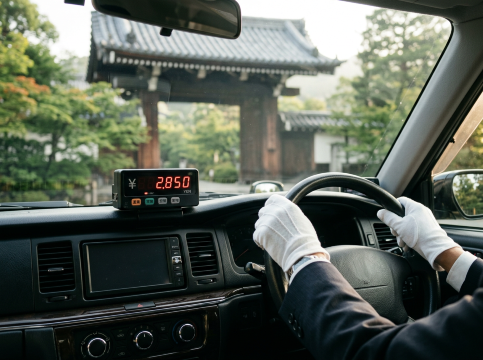
The base meter fare is rarely your final cost. These extra fees are the main reason Japanese taxi bills can creep up unexpectedly, and I always factor them into my travel budget:
- 20% night surcharge (10 PM–5 AM): This is applied automatically to the entire metered fare, no opt-out. A 2,000 JPY daytime ride becomes 2,400 JPY after dark instantly.
- Highway/expressway tolls: If your driver takes toll roads (common for airport runs and cross-city trips), you pay 100% of toll fees. Tolls range from 500–2,000 JPY depending on distance and are added separately to your bill.
- App/phone booking fees: Street-hailed taxis have zero booking fees, but pre-booked rides via apps or phone calls add a small fixed surcharge (typically ¥300-¥500). This is avoidable if you hail cabs on foot.
- Airport flat-rate adjustments: Flat-rate airport fares eliminate meter guesswork but do not cover tolls or night surcharges—those are still added on top.

JR Pass - All Japan 7/14/21 Days Rail Pass
Unlimited rides
EMS free shipping
Step-by-Step: How to Hail & Ride a Japanese Taxi
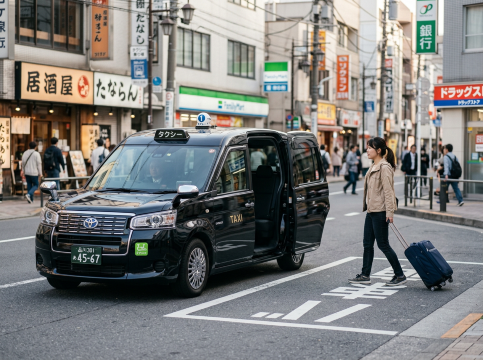
Japanese taxi etiquette and procedures are very different from Canada. I’ve made every newbie mistake, so here’s my foolproof step-by-step routine for a smooth ride:
- Spot a vacant taxi: Look for a red light inside the front windshield—this means the cab is empty and available. A green/yellow light means occupied or reserved.
- Hail safely: Stand on the curb, extend your hand slightly, and wave gently. Do not step into the road (Japanese drivers prioritize pedestrian safety, and jaywalking is frowned upon).
- Let the automatic door open: This is the biggest difference from Canadian taxis. Rear doors open and close automatically—never touch or pull them. Wait for the door to open, hop in, and the driver will close it for you.
- State your destination: Show a Google Maps pin, hotel address, or written Japanese address to avoid language confusion. Few drivers speak fluent English, so visual cues work best.
- Ride quietly and comfortably: Sit back and enjoy the ride—no need for small talk. Drivers are professional and focused on driving.
- Pay and exit: When you arrive, the driver will stop the meter and present your total fare. Pay with your preferred method, wait for the automatic door to open, and exit calmly.
Japan Taxi Etiquette: Essential Dos & Don’ts for Visitors
Japanese taxi culture is rooted in politeness and order, and these unwritten rules will help you avoid accidental rudeness as a Canadian traveller:
Dos
- Do use the automatic doors: Let them open/close on their own—touching them is considered impolite and can damage the mechanism.
- Do remain quiet and calm: Keep voices low, especially at night. Loud conversations or laughter are considered disruptive.
- Do keep the cab clean: Store luggage neatly, wipe your feet if muddy, and take all trash with you.
- Do communicate destinations clearly: Use maps or written addresses to reduce driver confusion.
- Do skip tipping: Tipping is never required or expected in Japan. It can even be seen as rude, as excellent service is standard.
Don’ts
- Don’t eat or drink inside the cab: No snacks, coffee, or water—this preserves the taxi’s spotless condition.
- Don’t slam or manually close doors: This is the most common tourist mistake and can damage the automatic system.
- Don’t distract the driver: Avoid unnecessary conversation while the car is moving.
- Don’t overload the taxi: Standard taxis fit 4 passengers max—stick to the limit.
Discover Exiciting Tours in Japan!
Tokyo
Osaka
Kyoto
See all attractions
 43101 booked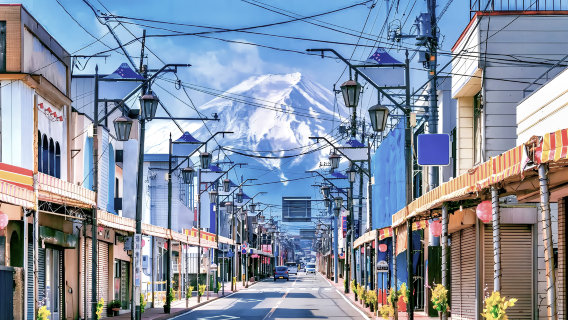



![Tokyo Metro 24/48/72-hour travel pass [Physical ticket/e-ticket/Skyliner Tokyo Airport Express/Tokyo Limousine Bus discount package available]](https://ak-d.tripcdn.com/images/0354t12000pj5wys8B52D_C_568_320.png)
![[Guaranteed Departure] Nikko Autumn Foliage : Kegon Falls+Toshogu+Lake Chuzenji+Shinkyo Bridge Day Tour(From Tokyo)](https://ak-d.tripcdn.com/images/0353412000mwk5d79DABF_C_568_320.jpg)
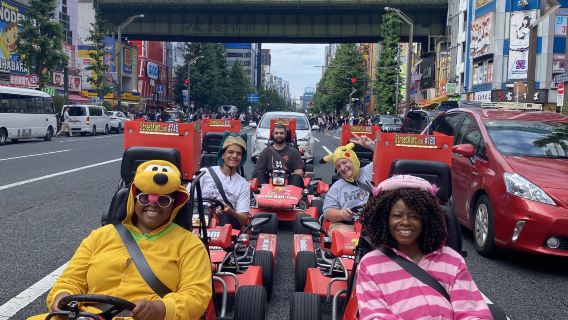


![[Can be departed from Kyoto or Osaka] A day trip to Amanohashidate in Kyoto, Chion-ji Temple, and Ine Funaya.](https://ak-d.tripcdn.com/images/0350s12000sbchqup02A9_C_568_320.jpg)

![[Guaranteed Departure] Kyoto Fushimi Inari Taisha + Arashiyama + Kinkaku-ji + Nara Park 1-day Tour](https://ak-d.tripcdn.com/images/0353t12000trzoqyaBE96_C_568_320.png)
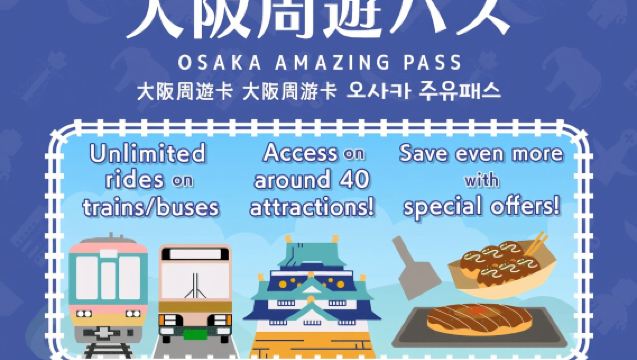
![Kyoto Amanohashidate + Ine Fishing Village 1-day tour [Includes Amanohashidate cable car ticket and Ine Bay sightseeing boat ticket]](https://ak-d.tripcdn.com/images/0351u12000ok2ugg29289_C_568_320.png)




How to Pay for Japanese Taxis: Cash, Credit Cards & Suica
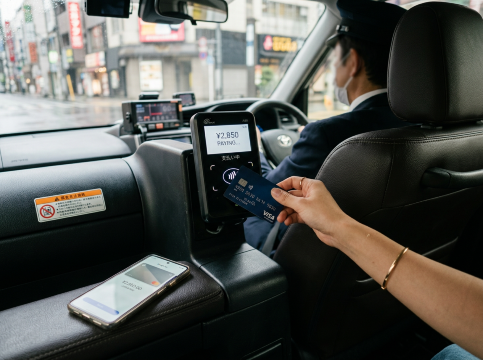
As a Canadian who rarely carries cash, I was relieved to learn Japan’s taxi payment options are far more flexible than most travellers think. Here’s what works best:
Payment Type | Acceptance Coverage | Usage Details & Tips |
|---|---|---|
Cash (Japanese Yen) | Accepted by all taxis nationwide | Exact change preferred but not mandatory; drivers carry sufficient change for passengers. |
Credit Cards (Visa, Mastercard) | Widely available in modern taxis in major cities; rural small taxis cash-only | Keep a small amount of yen ready when travelling to countryside areas. |
IC Transit Cards (Suica / Pasmo / ICOCA) | Ideal for city sightseeing | Tap-and-go instant payment; no cash or card insertion required. |
In-app Cashless Payments (GO, DiDi, Uber) | Available on supported ride-hailing platforms | Supports pre-authorised credit cards, Apple Pay and Google Pay; convenient fully cash-free travel option. |
Best Tourist-Friendly Taxi Apps in Japan
Hailing taxis via app eliminates language barriers and booking fees. These three platforms work best for English-speaking Canadian visitors:
GO App: Japan’s Most Popular Taxi App

GO is Japan’s dominant local taxi app and my top recommendation for tourists. It’s built for Japan’s road rules and works seamlessly for foreigners.
- Pros: Largest taxi fleet coverage nationwide, reliable airport rides, transparent upfront estimates, no hidden fees.
- Cons: Slightly fewer global payment options than Uber; no private car rides (all licensed taxis only).
- Payment: Credit cards, Apple Pay, Google Pay, and IC card integration.
Setup & features: Simple English interface, no Japanese phone number required for basic use, real-time driver tracking, and pre-set popular tourist destinations. It even offers a WeChat mini-program for easy access .
DiDi Japan

DiDi has expanded rapidly across Japan and offers excellent multilingual support. It operates in Tokyo, Osaka, Kyoto, Fukuoka, and most tourist hubs.
- Pros: Built-in translation, 24-hour Chinese/English support, frequent tourist discounts, and familiar interface for anyone who’s used DiDi globally.
- Cons: Sparser coverage in remote rural areas compared to GO.
Uber Japan

Uber is familiar for Canadians, but Uber Japan is nothing like Uber back home—this is critical to know.
- Pros: English-first interface, easy Canadian card linking, intuitive for first-time visitors.
- Cons: Slightly higher booking fees than GO in some cities; smaller fleet coverage.
Key difference: There are no private rideshare cars. Every Uber ride in Japan is a licensed, metered taxi with professional drivers. No surge pricing in the Canadian sense—fares follow official government meter rates.
Car Rentals
Car Rental Promo Code - 8% Off
New User Enjoy up to 8% Off
TRIPCAR8
Recommended car rental in Japan

When to Take a Taxi vs. Trains, Buses or Rental Cars
Japanese public transit is incredible, but taxis are worth the premium in specific scenarios. As a Canadian traveller, here’s my quick decision guide:
Take a taxi when:
- Traveling late at night (trains/buses stop, and night transit alternatives are limited)
- Carrying heavy luggage or traveling with kids/elderly companions
- Navigating complex rural areas with no public transit access
- Short, time-sensitive trips between nearby attractions
- Tired after a long day of sightseeing and want zero travel stress
Stick to public transit when:
- Traveling long distances between cities
- Moving around downtown areas during peak hours (traffic slows taxis down)
- Traveling solo on a budget
Rent a car only if: You’re exploring Hokkaido, Okinawa, or remote mountain areas with minimal public transit.
See all attractions
![Skyliner Keisei railway ticket (Tokyo airport express: Narita International Airport-Ueno/Nippori) [optional+Tokyo subway discount package]](https://ak-d.tripcdn.com/images//0580f12000qjpzexo5F36_C_568_320.jpg)
Airport Taxis: Haneda, Narita & Kansai Transfers
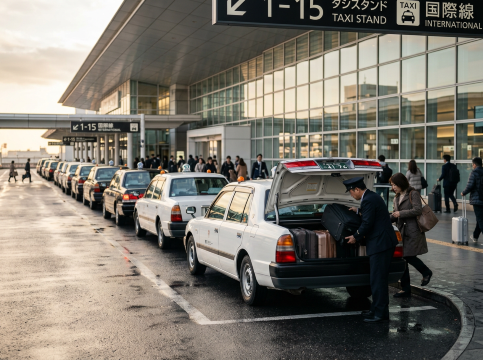
Airport taxis are my favourite stress-free way to start and end a Japan trip, with convenient flat-rate pricing to eliminate meter anxiety:
Airport | Destination | Flat Fare Range | Additional Notes |
|---|---|---|---|
Haneda Airport (Tokyo) | Central Tokyo | Around ¥8,900-¥9,000 | 20–30 minute ride duration, light traffic generally |
Narita Airport (Tokyo) | Central Tokyo | Around ¥25,000-¥35,000 | More convenient than packed Narita Express trains when carrying luggage |
Kansai Airport (Osaka) | Osaka Downtown | Around ¥7,000–¥9,000 | — |
Kansai Airport (Osaka) | Kyoto | Around ¥12,000 | — |
Note: Flat rates cover base fares only—night surcharges and highway tolls are added separately. Book via app in advance for guaranteed service during late-night arrivals.
Sightseeing Taxis (Kanko Taxis): Guided Private Tours
One of Japan’s best-kept travel secrets is kanko (sightseeing) taxis. These licensed taxi drivers double as local tour guides, offering chartered hourly tours of cities, temples, and rural regions.
Perfect for Canadian visitors short on time or exploring complex areas like Kyoto’s temple districts or Nara’s countryside. Drivers speak basic English, know hidden local spots, and tailor itineraries to your interests. Rates are hourly (starting ~8,000 JPY/hour), and while it’s a premium service, it’s far more personalized than group bus tours.
Practical Canadian Traveller Tips for Japanese Taxis
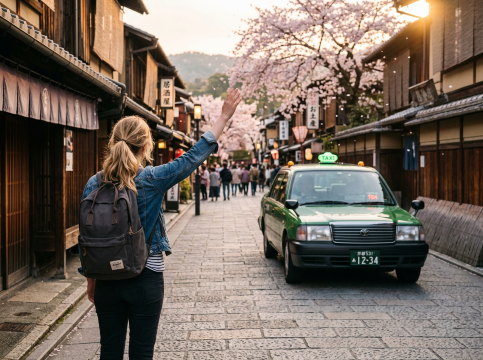
After dozens of taxi rides across Japan, these are my most useful, real-world tips to save you time, money, and stress:
- Avoid night rides when possible: The 20% night surcharge adds up fast—plan key trips before 10 PM to save money.
- Hail on the street for free rides: Skip app pre-booking for casual trips to avoid small reservation fees.
- Always carry a map/address screenshot: Language barriers are common—visuals beat verbal directions every time.
- Let doors operate automatically: This single rule avoids 90% of tourist taxi mistakes.
- Keep small yen cash handy: Rural taxis may not take cards, and small bills speed up checkout.
- Use GO app for airport runs: It has the most reliable airport taxi coverage and transparent flat-rate pricing.
- No tipping ever: Save your change—great service is standard, and tipping is unnecessary.
- Factor in tolls: Always budget extra for highway fees on airport and cross-city trips.
Accessible Taxis for Travellers With Mobility Needs
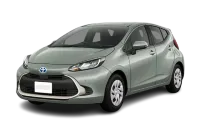
Japan’s taxi fleet is impressively accessible, thanks to the widespread Toyota JPN Taxi—a universal-access vehicle designed for all travellers.
These taxis feature low, step-free entry, spacious interiors for wheelchairs, and dedicated accessibility seating. They’re widely available in all major cities and can be filtered easily on GO and DiDi apps. As a Canadian traveller who values inclusive travel, I appreciate that accessibility services are standard, not an expensive upgrade, in Japan’s modern taxi fleet.
Final Thoughts
Japanese taxis are one of the safest, cleanest, and most convenient travel options in Japan—once you understand their pricing, etiquette, and booking rules. As Canadian travelers used to casual rideshare rules, a small learning curve goes a long way to avoiding surprises. Whether you’re grabbing a short ride in Kyoto, booking an airport transfer in Tokyo, or splurging on a guided sightseeing taxi tour, this guide covers every detail you need to ride confidently and budget smartly across Japan.
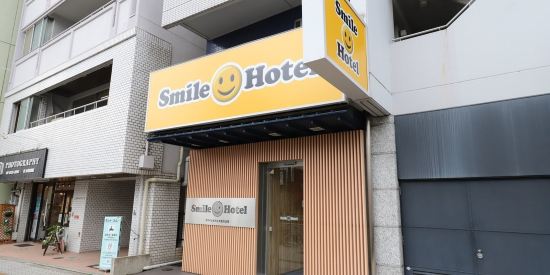
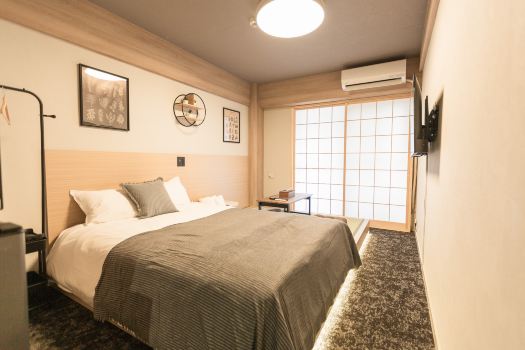
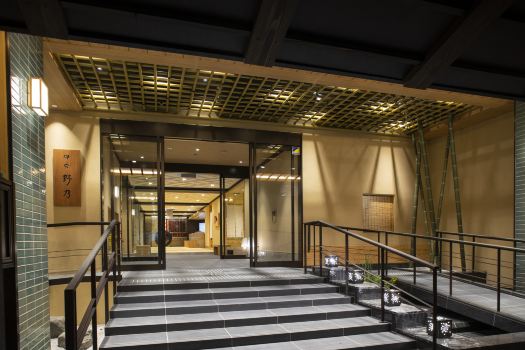
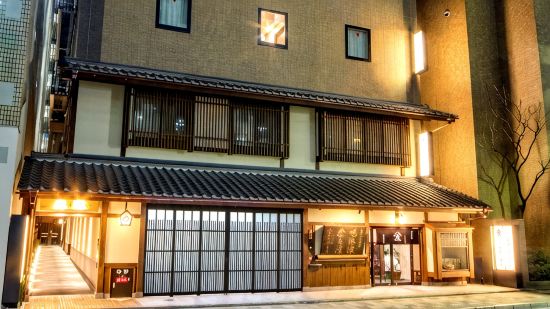
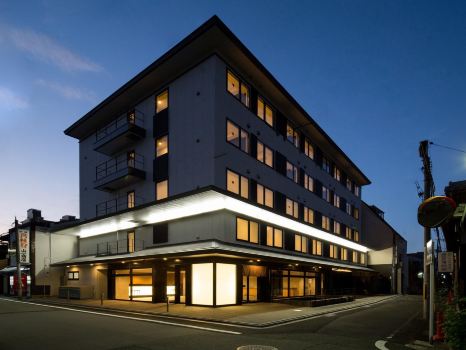
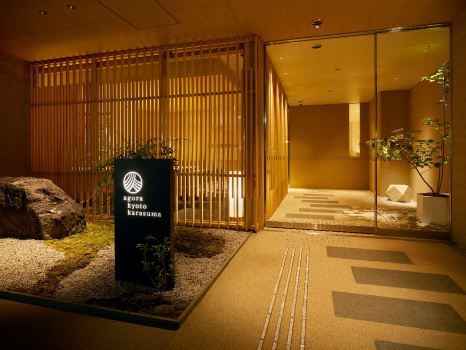
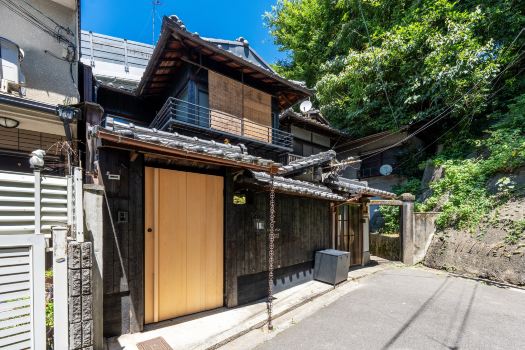
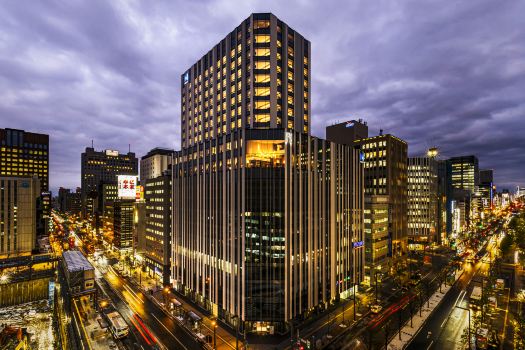
[10% Off] Top Hotel Picks for Your Japan Adventure
Tokyo Hotels
Osaka Hotels
Kyoto Hotels
Sapporo Hotels
See All Hotels




















Japan Taxi FAQs
-
Does Japan use Uber or Grab?
-
Is it cheaper to take a taxi or Uber in Japan?
-
Are taxis very expensive in Japan?
-
Do I need to tip taxi drivers in Japan?
-
Can I pay for a Japan taxi with a credit card?
Disclaimer: This article has been provided by an individual contributor or third party platform. If there is any discrepancy regarding the copyright, please contact us directly and we will delete the content immediately.
Popular Searches
-
eSIM/SIM card
-
Trip.com links
- Trip.com Cancellation Policy
- Trip Coins
- Trip.com Flight Change
- Trip.com E-Receipt
- Trip.com Seat Selection
- Trip.com Customer Service
- Trip.com Phone Number
- Trip.com Hotel Refund
- Trip.com Change Passport
- Trip.com Ticket Issued Status
- Trip.com Flight Ticket
- Trip.com Baggage Allowance
- Trip.com App
- Trip.com Booking Change
- Trip.com Contact
- Trip.com Refund
- Trip.com Call Center
- Air Flexibility
- How to List your Property on Trip.com
- Trip.com Price Match